
Tantallon Castle — History & Facts
In the stillness of history, the remnants of what was once a formidable stronghold whisper tales of both grandeur and violence. Layers of vibrant hues intertwine, yet a somber undertone lingers, inviting contemplation of a past marked by conflict. Look to the left at the craggy, weathered stones of the castle, each crevice capturing the nuanced play of shadow and light. The artist's palette showcases deep greens and blues, evocative of the tumultuous skies above, while muted earth tones ground the scene in stark reality.
The composition, slightly askew, evokes a sense of instability, as if the very structure is grappling with the weight of its own history. Within this landscape, violence is not depicted; it is implied. The jagged cliffs, rugged and imposing, seem to stand as silent witnesses to battles long fought. The churning waters below, dark and turbulent, mirror the castle’s turbulent past, suggesting that beneath the beauty lies chaos and suffering.
Each brushstroke resonates with the duality of strength and fragility, leaving viewers to ponder the echo of human ambition and downfall. In 1932, David Young Cameron painted this evocative piece during a period marked by significant changes in artistic expression, moving away from traditional forms toward modernism. While the world braced itself for the disillusionment to come with the Great Depression, the artist sought inspiration in the remnants of Scotland's storied past, reflecting a deep connection to his heritage amidst the tumult of contemporary life.
More Artworks by David Young Cameron
Browse all →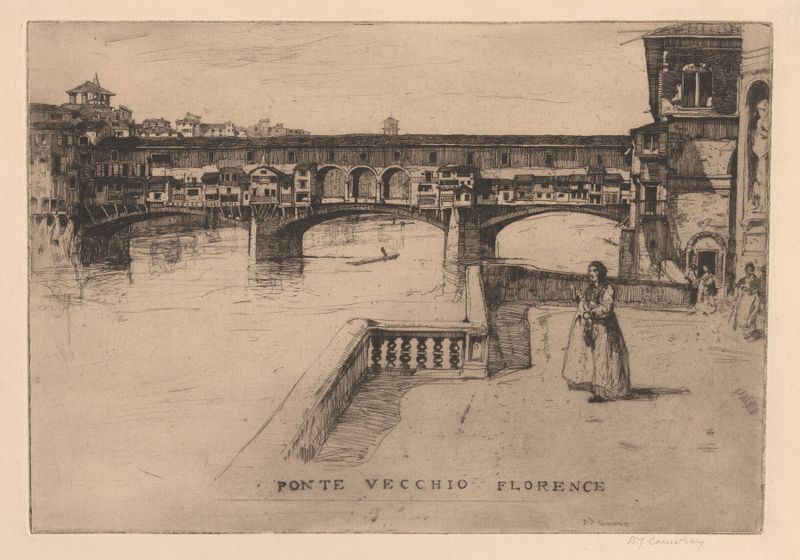
Ponte Vecchio
David Young Cameron

The Deanery, Winchester
David Young Cameron
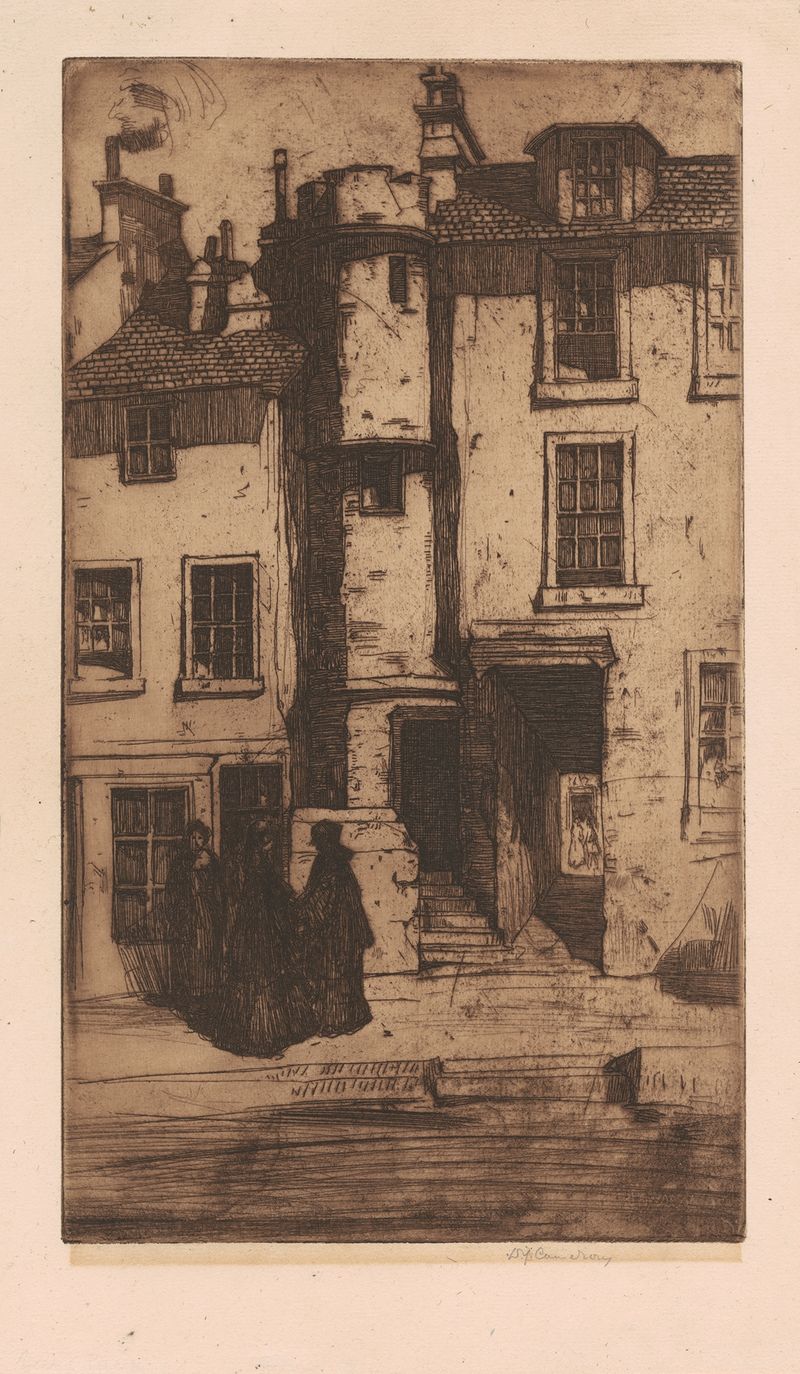
Old Houses, Stirling
David Young Cameron
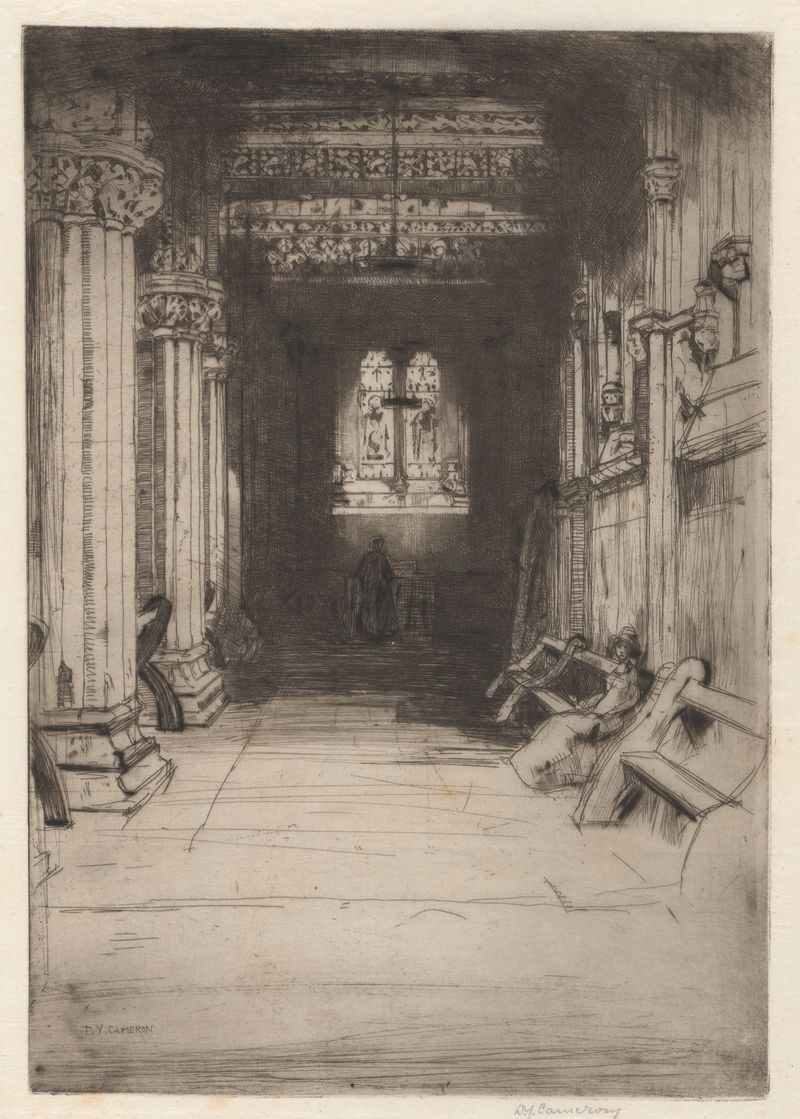
Rosslyn Chapel
David Young Cameron

The Old Museum, Beauvais
David Young Cameron
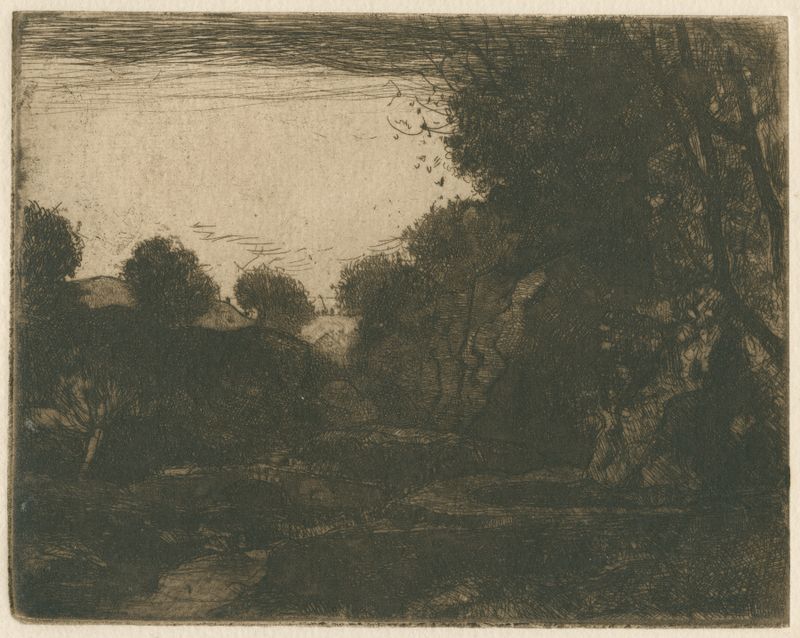
On the Bradford
David Young Cameron

The Smithy
David Young Cameron
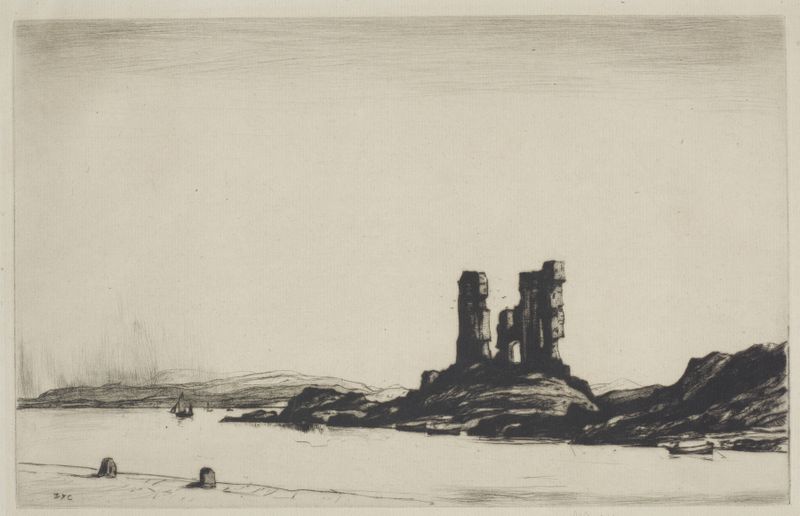
Castle Moyle
David Young Cameron
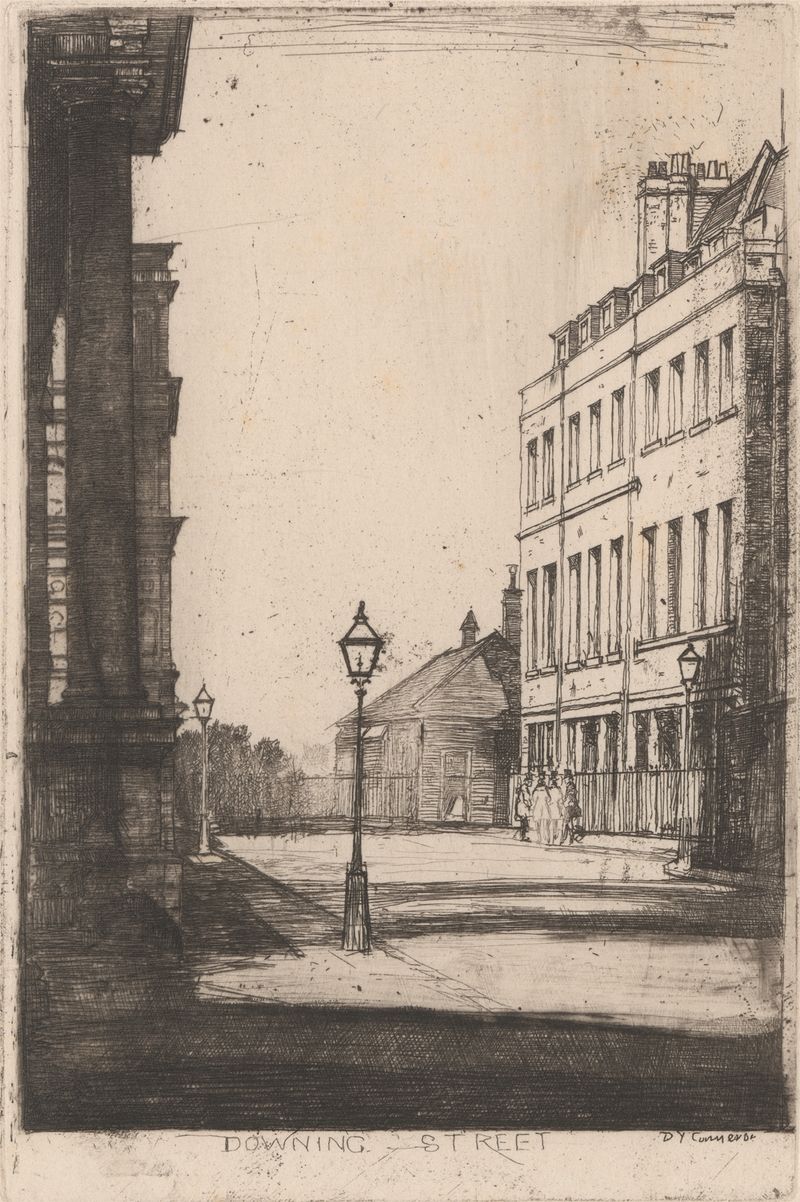
Downing Street
David Young Cameron

Glasgow Cathedral
David Young Cameron
More Architecture Art
Browse all →
The statue of Liberty
Frédéric Auguste Bartholdi

View of Houses in Delft, Known as ‘The Little Street’
Johannes Vermeer

View of Houses in Delft, Known as ‘The Little Street’
Johannes Vermeer

The Cathedral in Rouen. The portal, Grey Weather
Claude Monet

The yellow house
Vincent van Gogh

The Church in Auvers-sur-Oise, View from the Chevet
Vincent van Gogh