
Tapijt met de wapens van Rogier de Beaufort, Turenne en De Comminges (fragment) — History & Facts
Can beauty exist without sorrow? In the intricate threads of a tapestry, the answer weaves itself into the fabric of history and emotion. This striking fragment, celebrating the heraldry of Rogier de Beaufort, Turenne, and De Comminges, invites viewers to confront the duality of human experience as it reveals the splendor of artistry coupled with the weight of legacy. Look closely at the vivid colors that dominate the tapestry; rich reds, deep blues, and glistening golds emerge from a carefully crafted design. The heraldic symbols catch the eye first, each detail meticulously embroidered, telling stories of power, honor, and family lineage.
Notice how the rich texture of the fabric plays with light, creating an illusion of movement, as if the very banners could unfurl at any moment. The overall composition not only commands attention but also embodies the complex interplay between beauty and the burden it carries. Delving deeper, we find layers of meaning stitched within each emblem. The vibrant colors evoke a sense of pride, yet the very act of depicting heraldry hints at conflict and ambition.
This tapestry serves as a reminder of the feudal struggles and alliances of the time, intertwining the personal histories of its subjects with broader socio-political narratives. The contrast between its decorative allure and the somber implications of warfare and loyalty underscores the fragile nature of beauty amid a backdrop of strife. Created between 1376 and 1378, this tapestry fragment was likely crafted in the context of the flourishing textile arts in Northern Europe during a time marked by feudal tensions and shifting allegiances. The unknown artist's work reflects not only the craftsmanship of the era but also the cultural preoccupations of a society navigating between grandeur and conflict.
Such pieces were central to courtly life, serving both ceremonial and decorative purposes, and encapsulating the ambitions of the nobility in their intricate designs.
More Artworks by Unknown Artist
Browse all →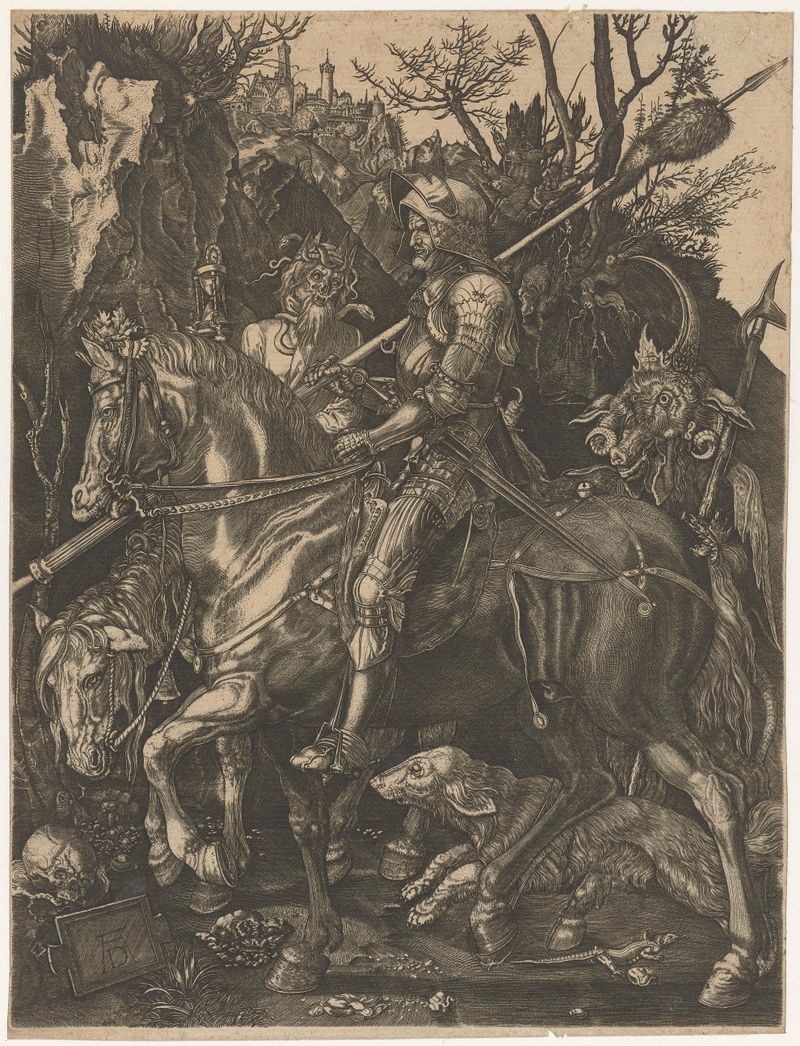
Ridder, Dood en Duivel
Unknown Artist
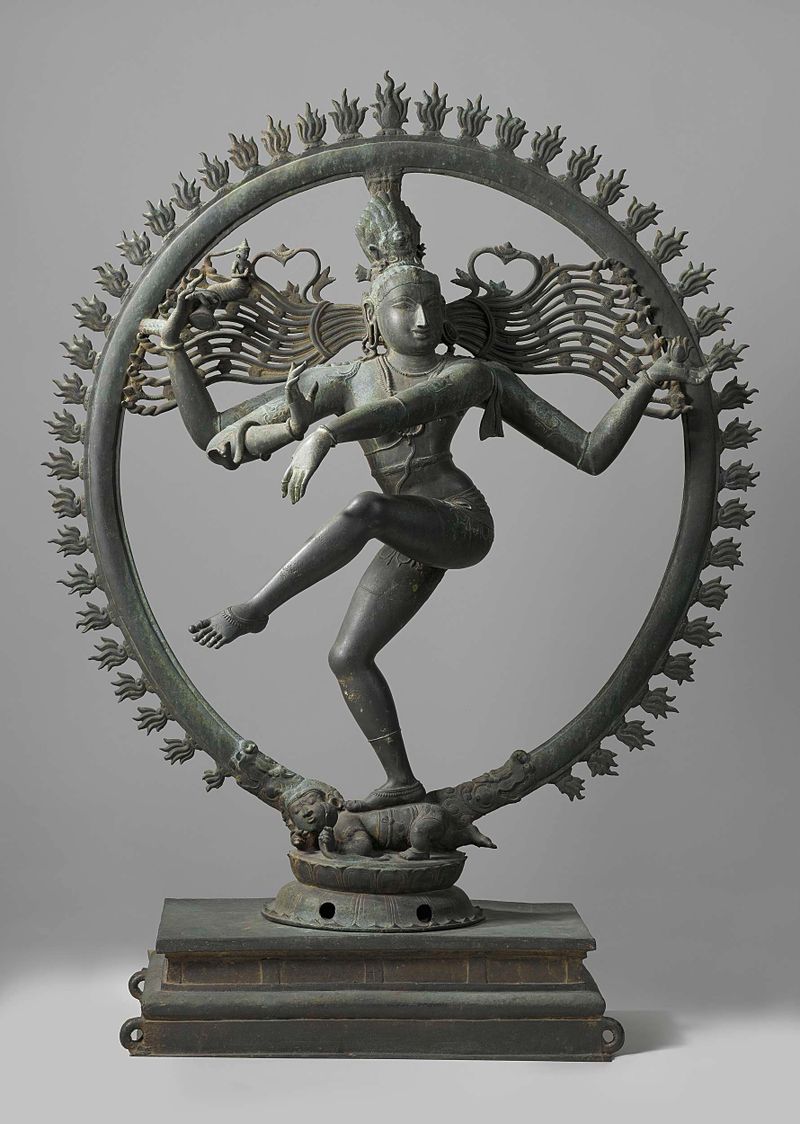
Shiva Nataraja
Unknown Artist
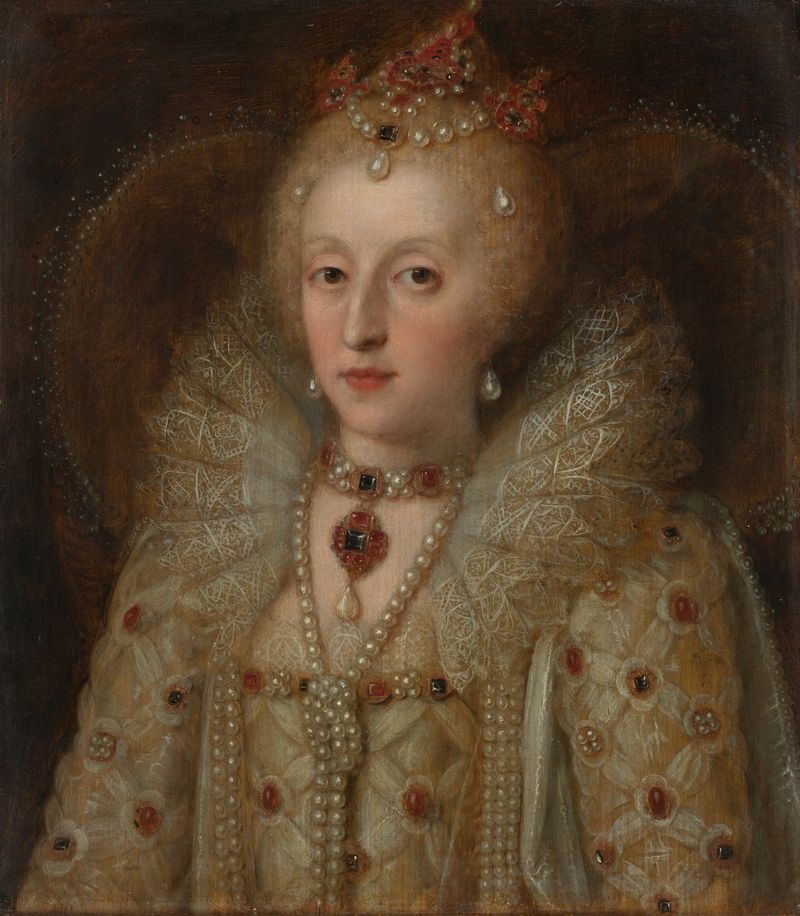
Portrait of Elizabeth I, Queen of England
Unknown Artist
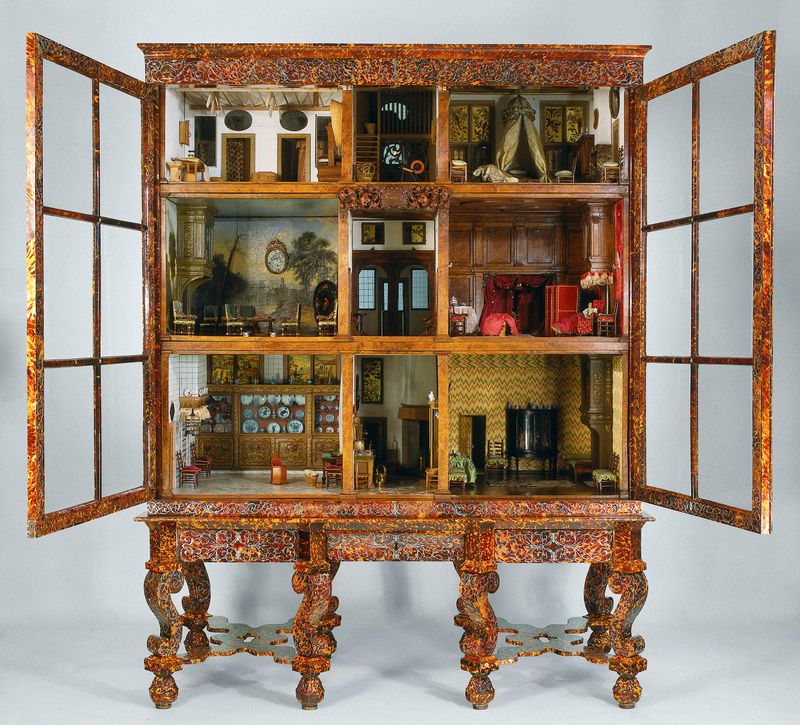
Dolls’ house of Petronella Oortman
Unknown Artist
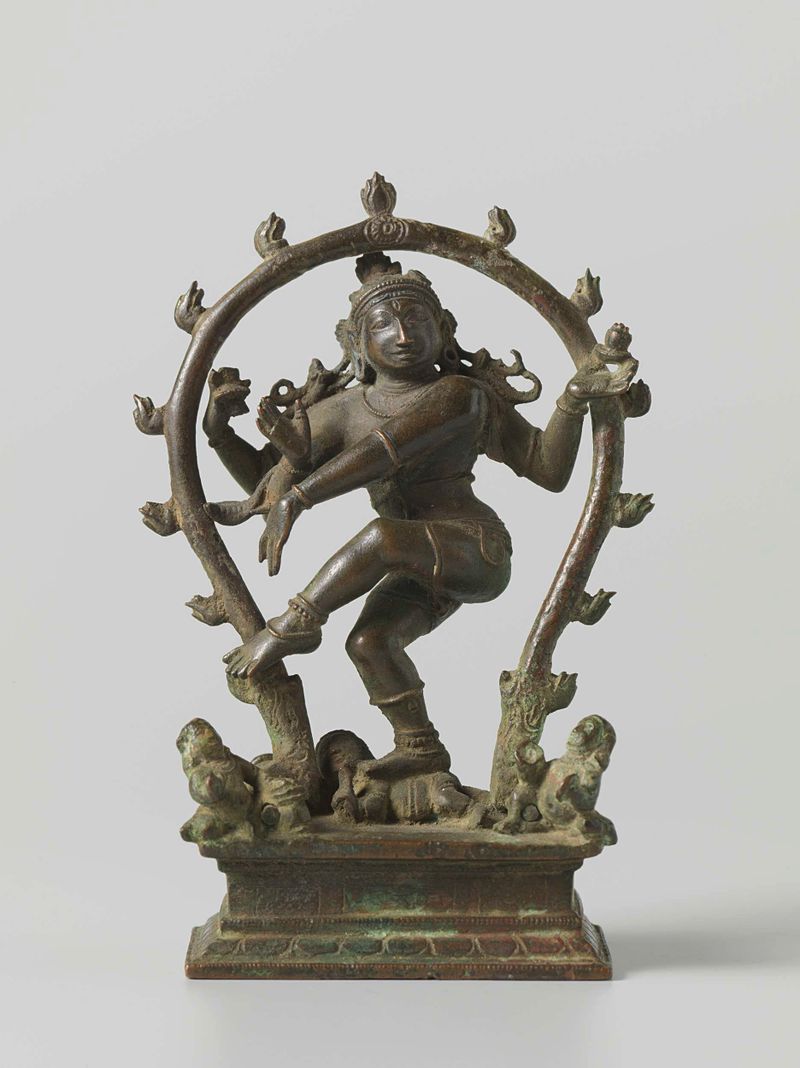
Shiva Nataraja
Unknown Artist

The Tale of Genji
Unknown Artist

The Tale of Genji
Unknown Artist

Cong
Unknown Artist
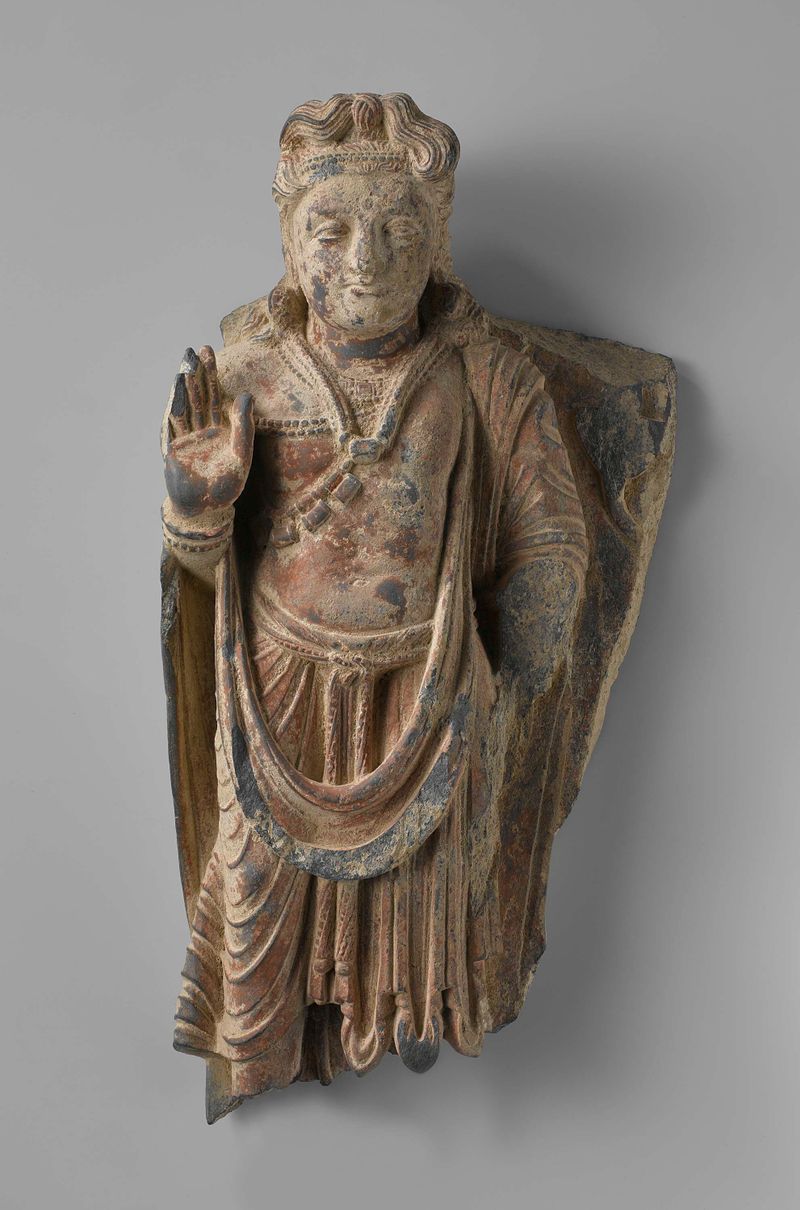
The bodhisattva Maitreya
Unknown Artist

Teabowl with a 'hare's fur' glaze
Unknown Artist
More Historical Art
Browse all →
The Night Watch Militia Company of District II under the Command of Captain Frans Banninck Cocq
Rembrandt van Rijn

Lincoln Memorial
Henry Bacon

The Third of May 1808
Francisco de Goya

Isaac and Rebecca, Known as ‘The Jewish Bride’
Rembrandt van Rijn

The Charge of the Mamelukes (1814)
Francisco de Goya

De vier ruiters van de apocalyps
Albrecht Dürer