
Tarragona — History & Facts
Is this a mirror — or a memory? In Tarragona, the viewer stands at the threshold where time blurs, pondering the essence of existence and the echoes of the past. Look to the left at the sun-drenched ruins, where the golden light spills across the weathered stones. The artist's brush captures a moment suspended in time, where history and nature intertwine. You can almost hear the whispers of ancient spirits in the air, as blues and ochres meld seamlessly into one another, creating a sense of warmth and nostalgia.
The composition draws the eye inward, inviting exploration of each textured surface, from the delicate foliage to the stone's aged patina. Within this seemingly tranquil scene lies a profound emotional tension. The juxtaposition of the crumbling architecture against the vibrant flora symbolizes the relentless passage of time and the inevitability of decay. There is a haunting beauty in the way life flourishes amidst remnants of the past, reflecting a transcendent truth about resilience and memory.
Each element evokes contemplation, prompting viewers to consider what remains and what is lost as time moves inexorably forward. In 1902, Jan Ciągliński was immersed in the avant-garde movements that swept through Europe. Living in Paris, he was influenced by both Impressionism and Symbolism, which permeated his work. Tarragona, painted during this period of artistic exploration, reveals his interest in the interplay of light and shadow, as well as his desire to capture the essence of places laden with history, signaling his evolving voice in the world of art.
More Artworks by Jan Ciągliński
Browse all →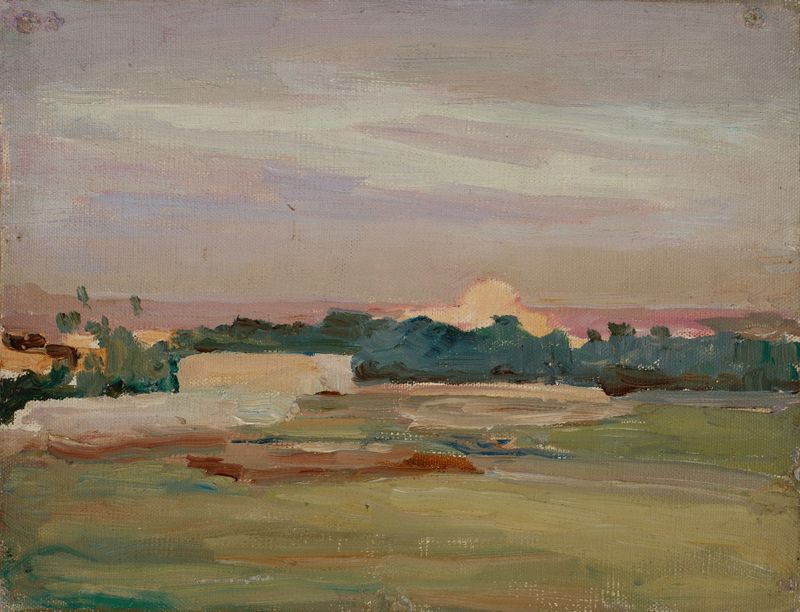
The Sirocco
Jan Ciągliński
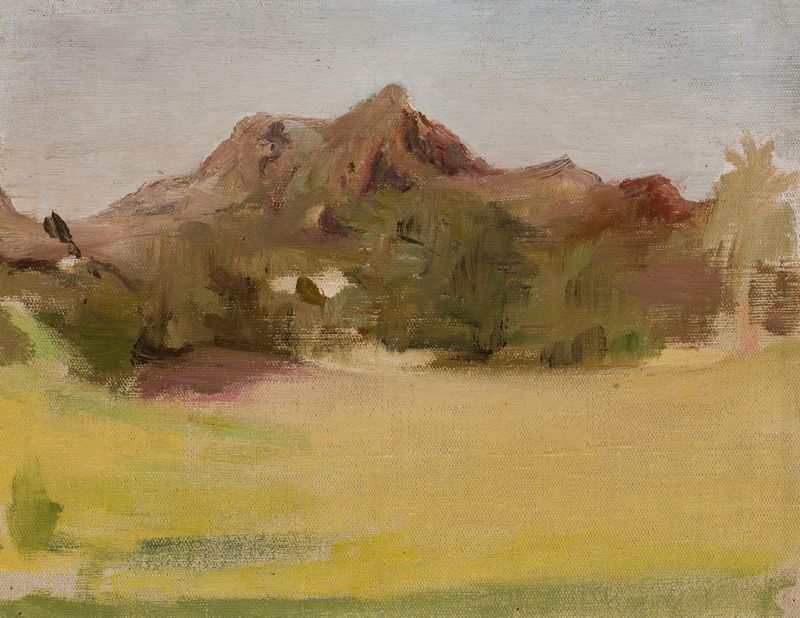
Mountain landscape. From the journey to India
Jan Ciągliński
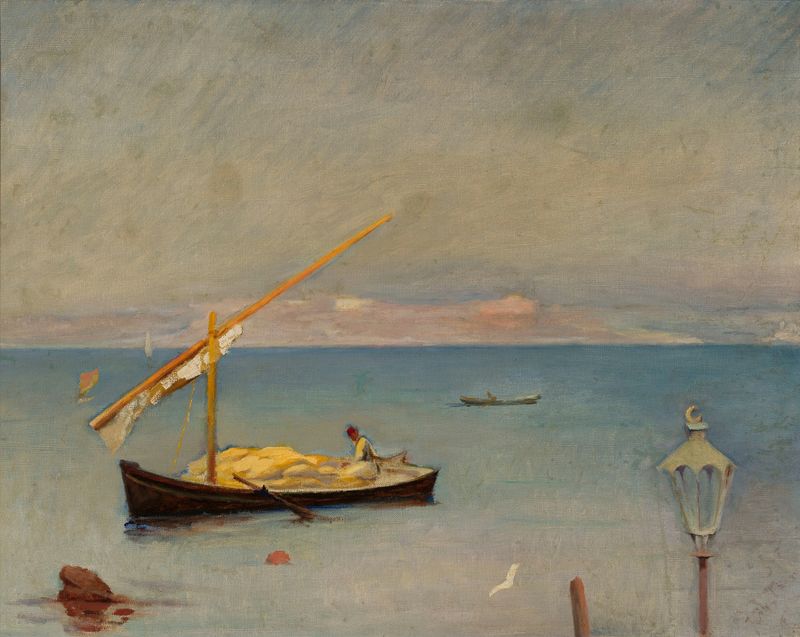
At Bosporus
Jan Ciągliński
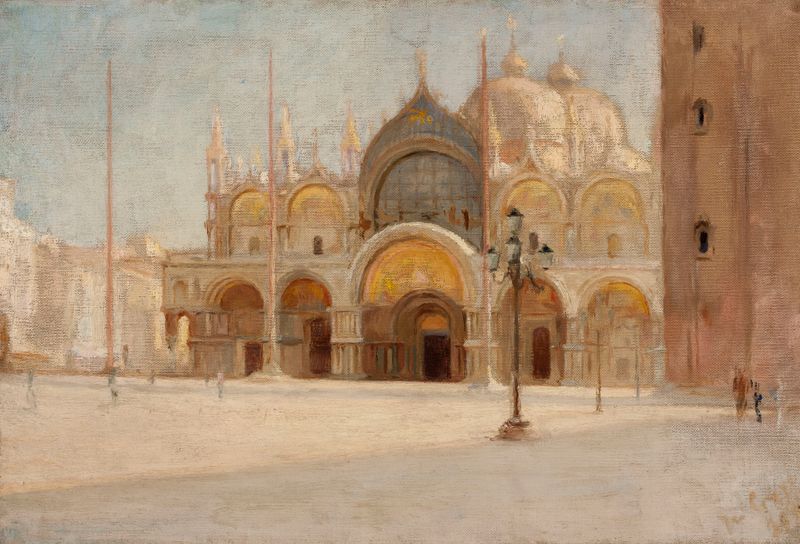
St Mark’s Square in Venice
Jan Ciągliński
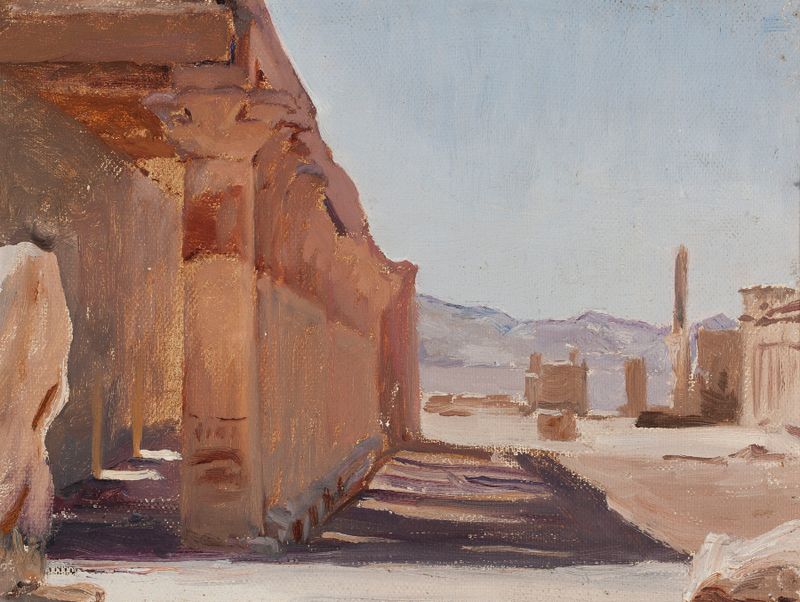
Temple. From the journey to Egypt
Jan Ciągliński
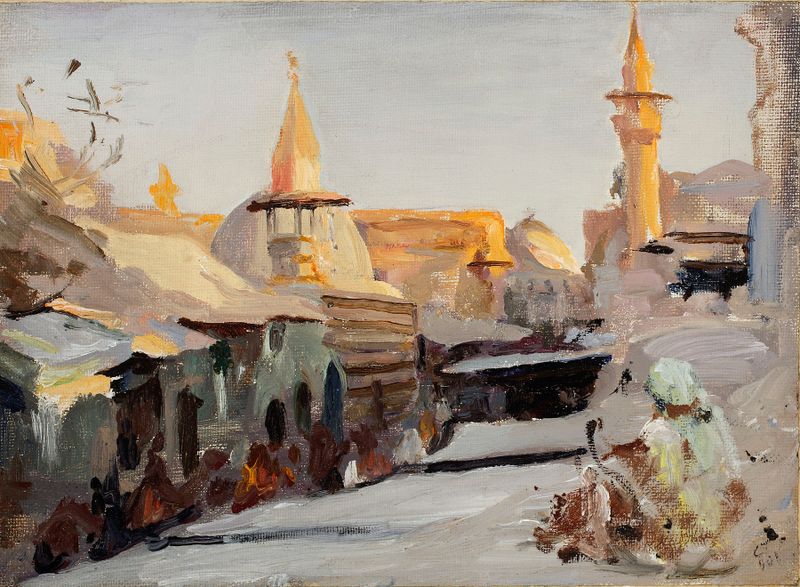
Street in Damascus. From the journey to Palestine
Jan Ciągliński
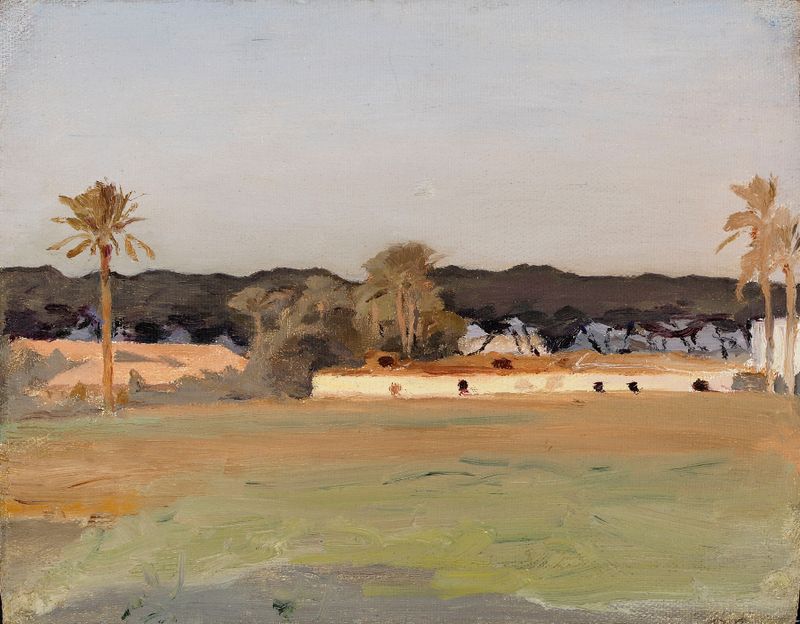
Evening. From the journey to Egypt
Jan Ciągliński
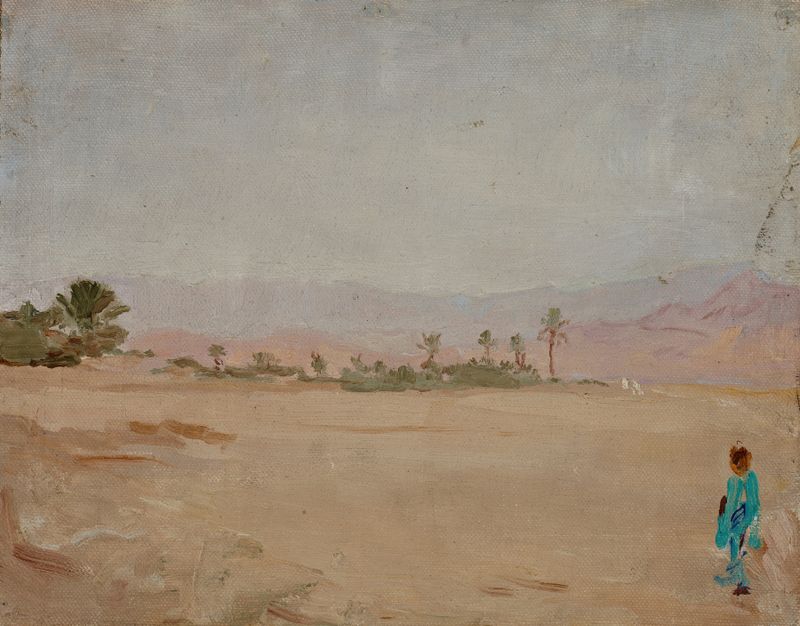
Sahara (Desert)
Jan Ciągliński
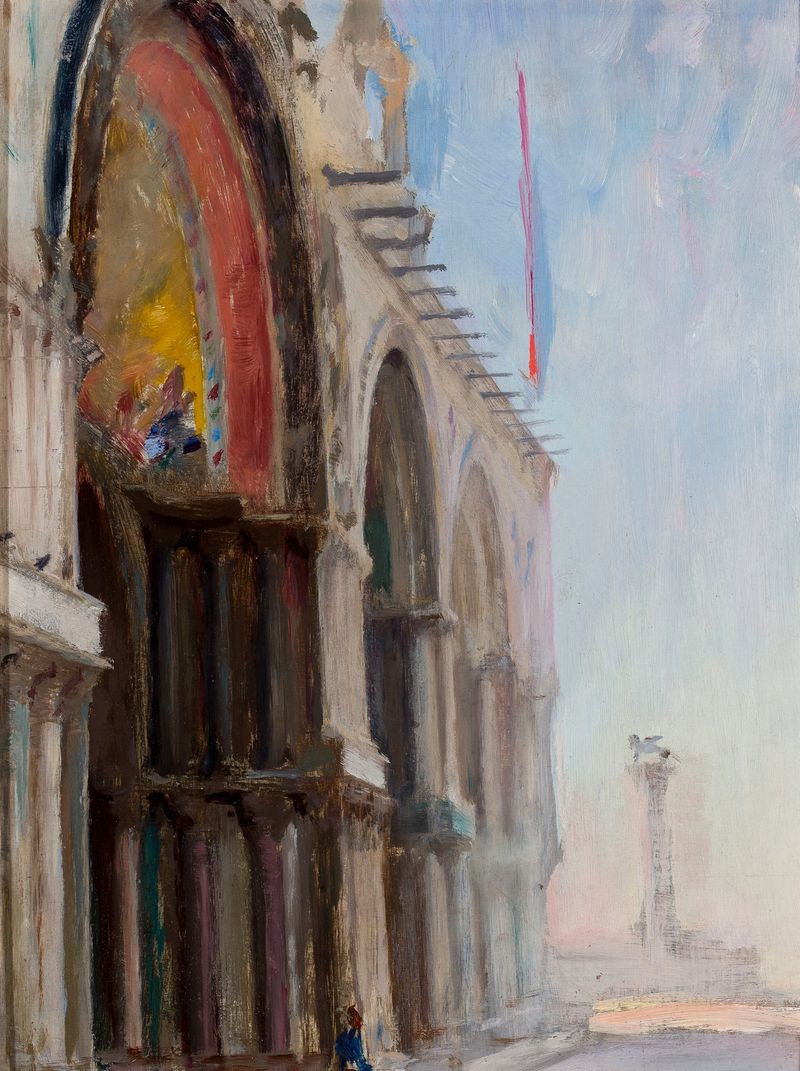
Venice – San Marco. From the journey to Italy
Jan Ciągliński
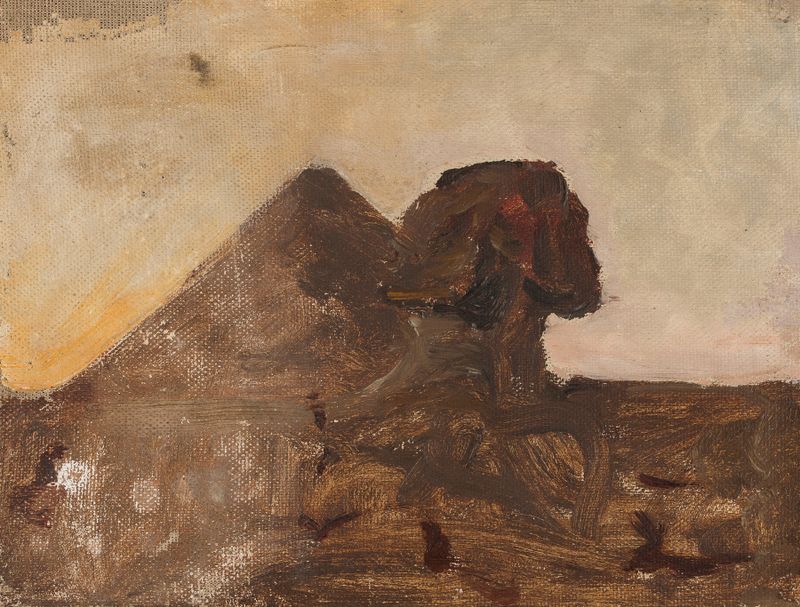
Evening in the desert – Sphinx and pyramid. From the journey to Egypt
Jan Ciągliński





