
Tas de sable au bord de la Seine — History & Facts
This reflection captures the delicate interplay between nature and the human experience, suggesting that even the most tranquil scenes bear the weight of life’s complexities. Begin by looking to the foreground, where the warm tones of sand meld seamlessly with the cool blues of the Seine. Notice the soft brushstrokes, which create an inviting texture that draws your eye deeper into the composition. The sunlight dances across the surface, creating a shimmering effect that evokes a sense of peace, while the soft horizon hints at a fresh beginning, symbolizing rebirth. As you explore further, consider the juxtaposition of the vivid yellows and muted earth tones.
This contrast speaks to the tension between hope and despair, life and decay. The way the light softly touches the water’s edge suggests the passage of time, while the scattered elements of sand mirror the fleeting nature of existence. Each grain invites contemplation, hinting at the layers of history that lie beneath. Armand Guillaumin painted this piece during a tumultuous time, between 1915 and 1945, reflecting both the chaos of the world around him and a personal search for beauty amidst it.
Living in France, he was influenced by the evolution of Impressionism and the shift towards Post-Impressionism, striving to capture a sense of reality through vibrant color and expressive brushwork. In a time of war and uncertainty, works like this offered a glimpse of hope and renewal, embodying his longing for tranquility.
More Artworks by Armand Guillaumin
Browse all →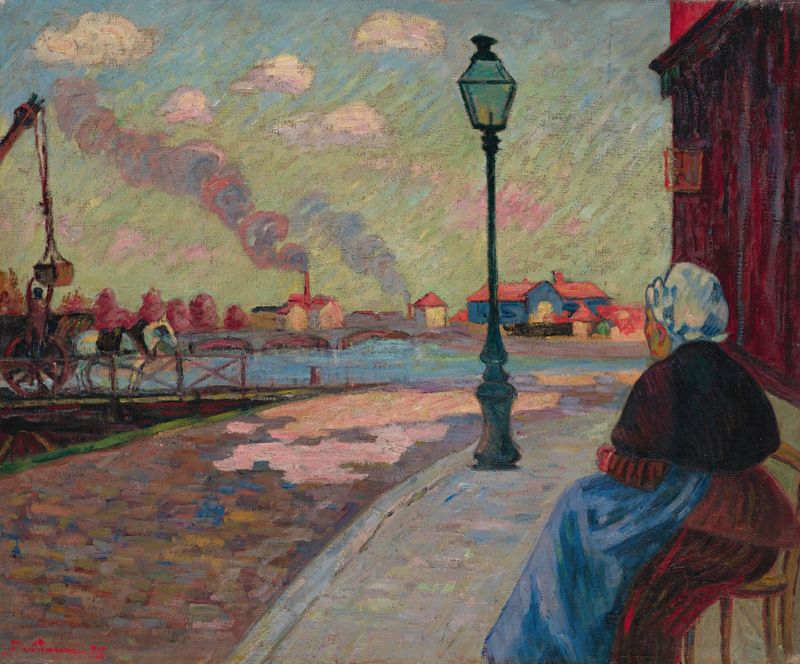
La Seine À Charenton
Armand Guillaumin
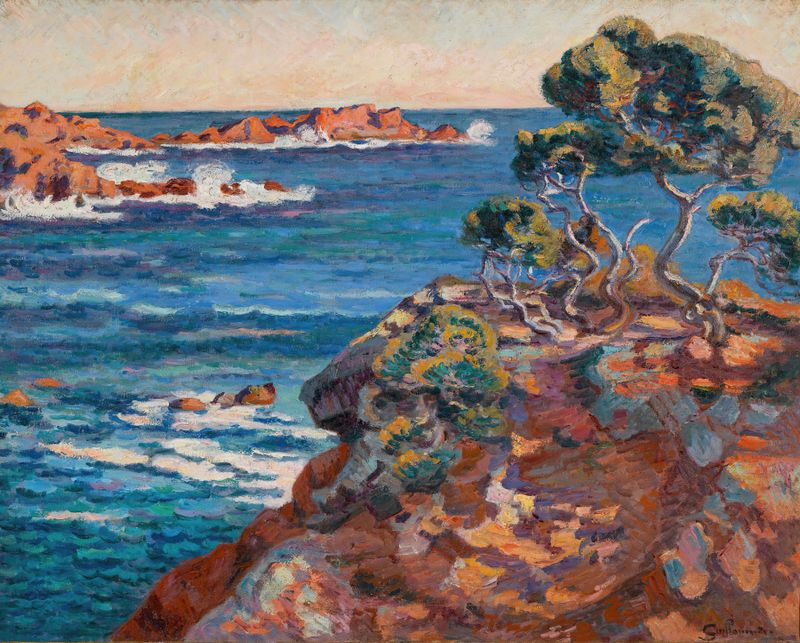
Bord De Mer À Agay
Armand Guillaumin
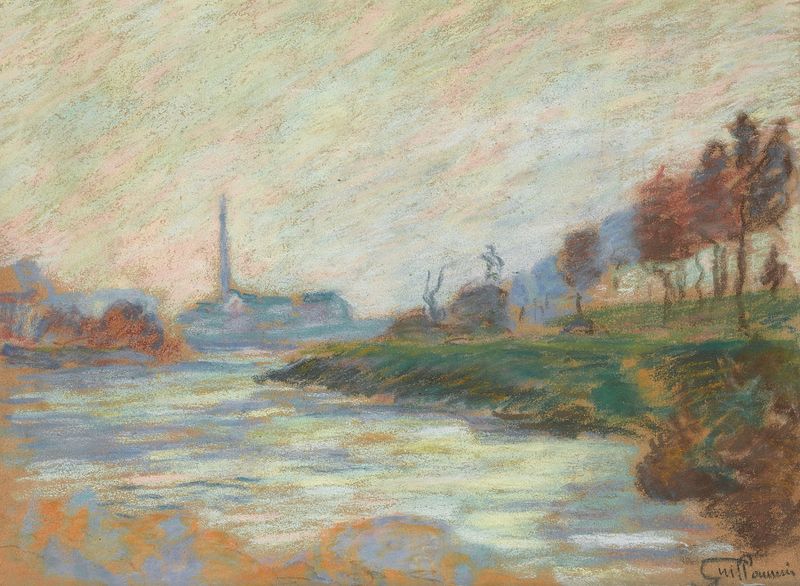
Confluent De La Marne Et De La Seine, Île De La France
Armand Guillaumin

Le Ravin de la folie, vue de Chateau Crozant
Armand Guillaumin
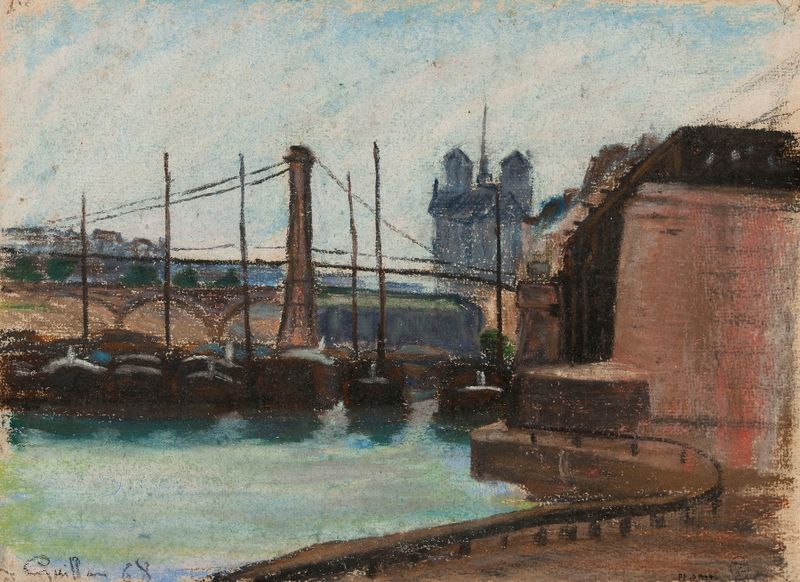
Le Pont d’Austerlitz
Armand Guillaumin

Paysage de Printemps
Armand Guillaumin
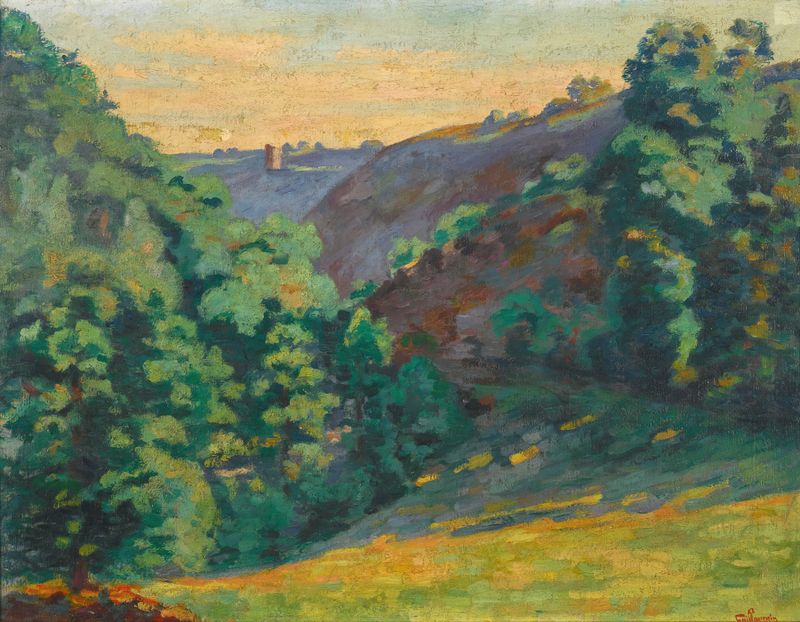
Crozant, Le Ravin De La Sedelle À La Folie
Armand Guillaumin
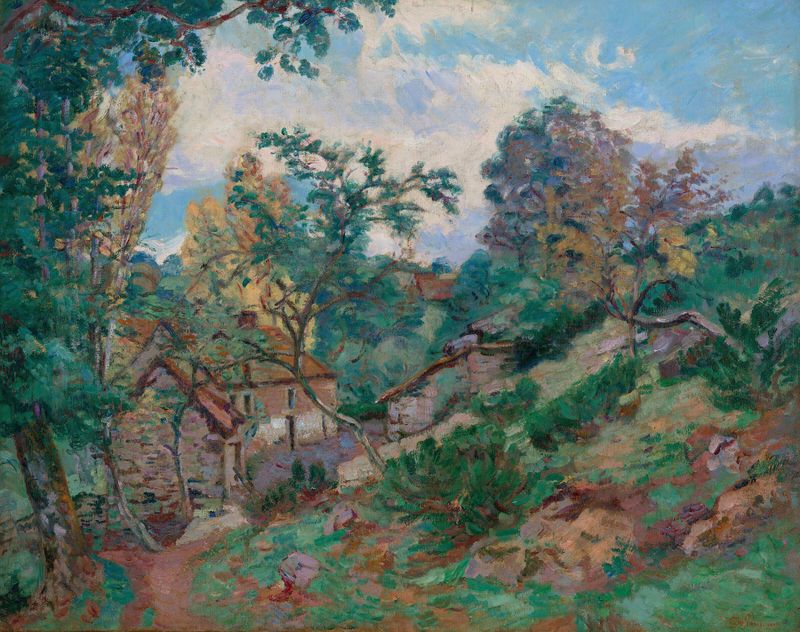
Paysage
Armand Guillaumin

La vallée de la creuse
Armand Guillaumin

L’Eglise Saint-Sulpice, Paris
Armand Guillaumin





