Tassisudon — History & Facts
In the quiet hum of creation, the brush seeks to capture the essence of movement, the fleeting nature of life itself. How does one distill the vastness of the world into mere pigments and strokes? Look first at the sweeping lines that crisscross the canvas, drawing your eye across the composition. The dynamic interplay of colors, from soft earth tones to vibrant flashes of cobalt, animates the piece, evoking a sense of whirlwind motion.
Notice how the figures seem to dance across the surface, each posture and gesture skillfully rendered, as if they are caught in an eternal moment of transition. The artist’s deft brushwork suggests a rhythm, a heartbeat pulsing through the scene, inviting you to step closer. Beneath the surface, contrasting emotions emerge. The joyous movement of limbs and fabrics speaks to a celebration of life, while the muted shadows lurking in the background hint at an underlying tension or struggle.
This duality challenges the viewer to reconcile the beauty of motion with the inevitable stillness of time. Each figure’s expression tells a story of its own, creating a symphony of thoughts and feelings that echoes long after the gaze has shifted. In 1783, Samuel Davis painted this work during a transformative period in art, where the boundaries of classical representation were being pushed. Living in England, he was influenced by the burgeoning Romantic movement, which emphasized individual experience and the sublime.
As artists sought to express the complexities of human emotion, Davis embraced the concept of movement as a metaphor for the deeper rhythms of existence, capturing a moment where the physical and emotional converge.
More Artworks by Samuel Davis
Browse all →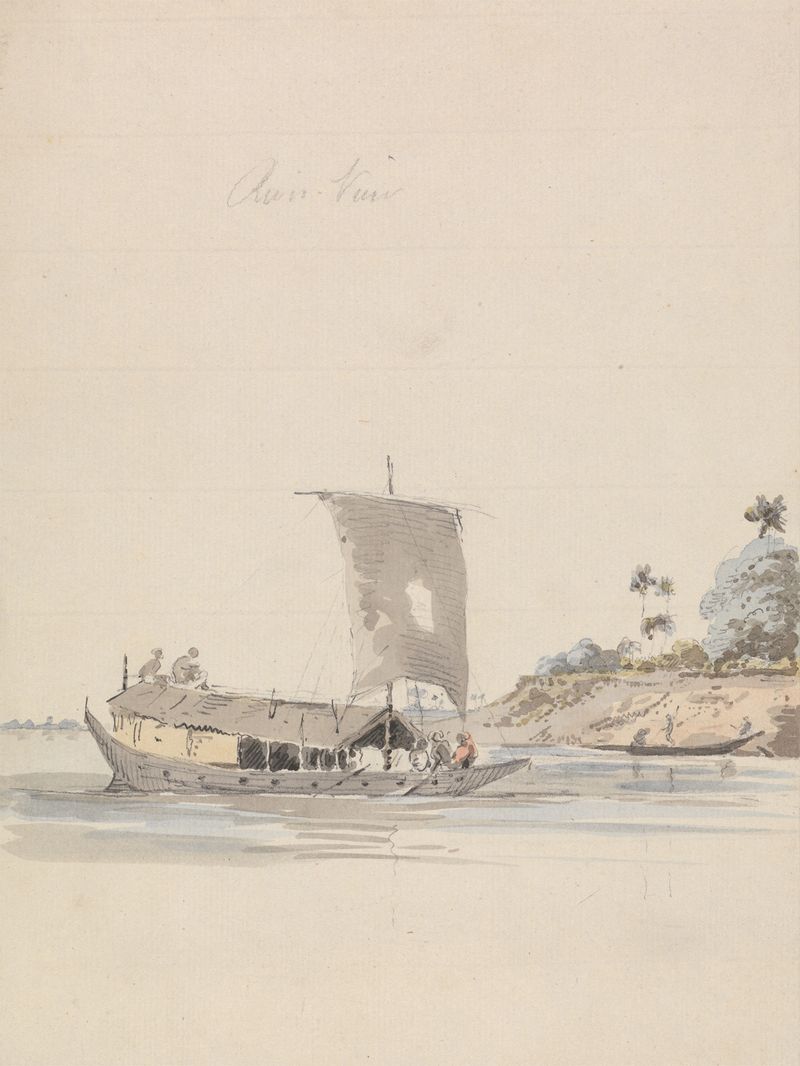
River View with a Junk (near Rajmahal)
Samuel Davis
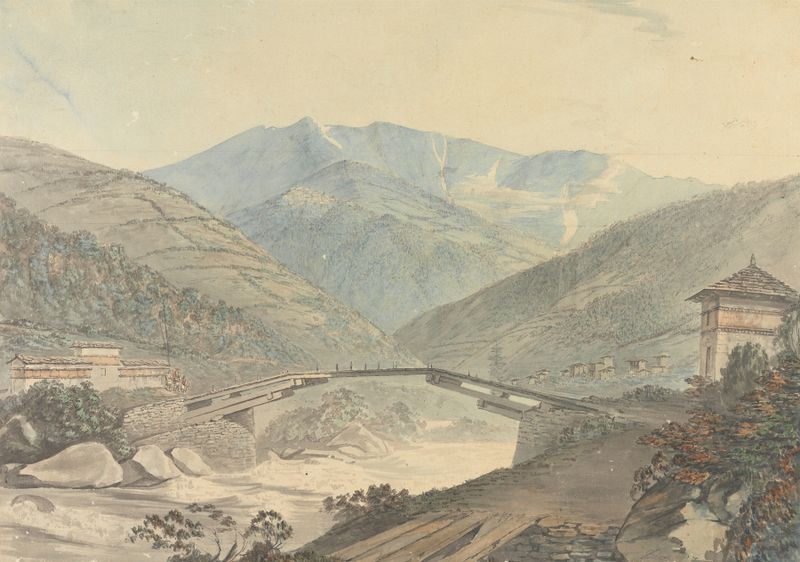
View near Tassisudon [Tashicho Dzong] in Bhutan
Samuel Davis
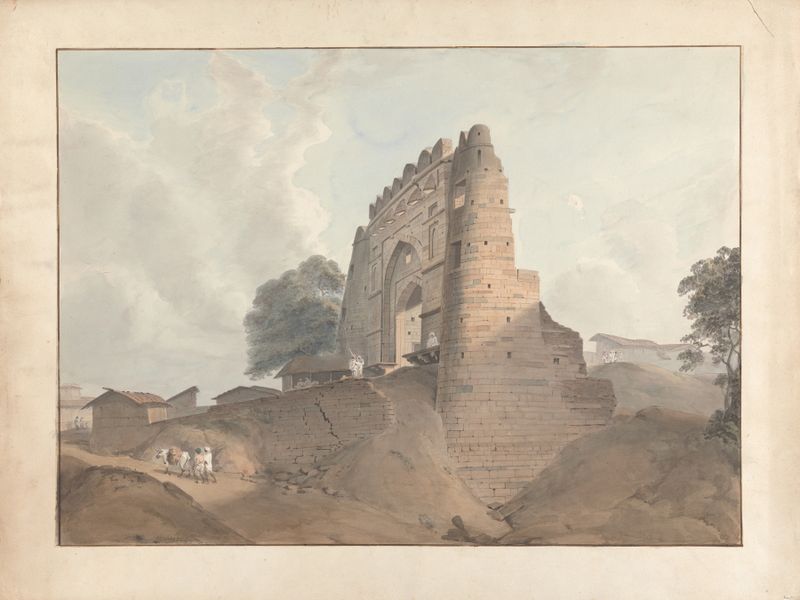
Gate of the Old Fort at Old Benares
Samuel Davis
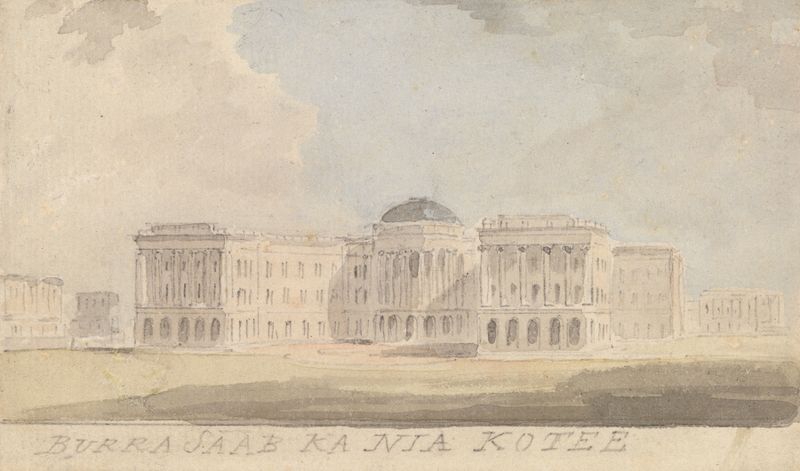
New Government House at Calcutta
Samuel Davis
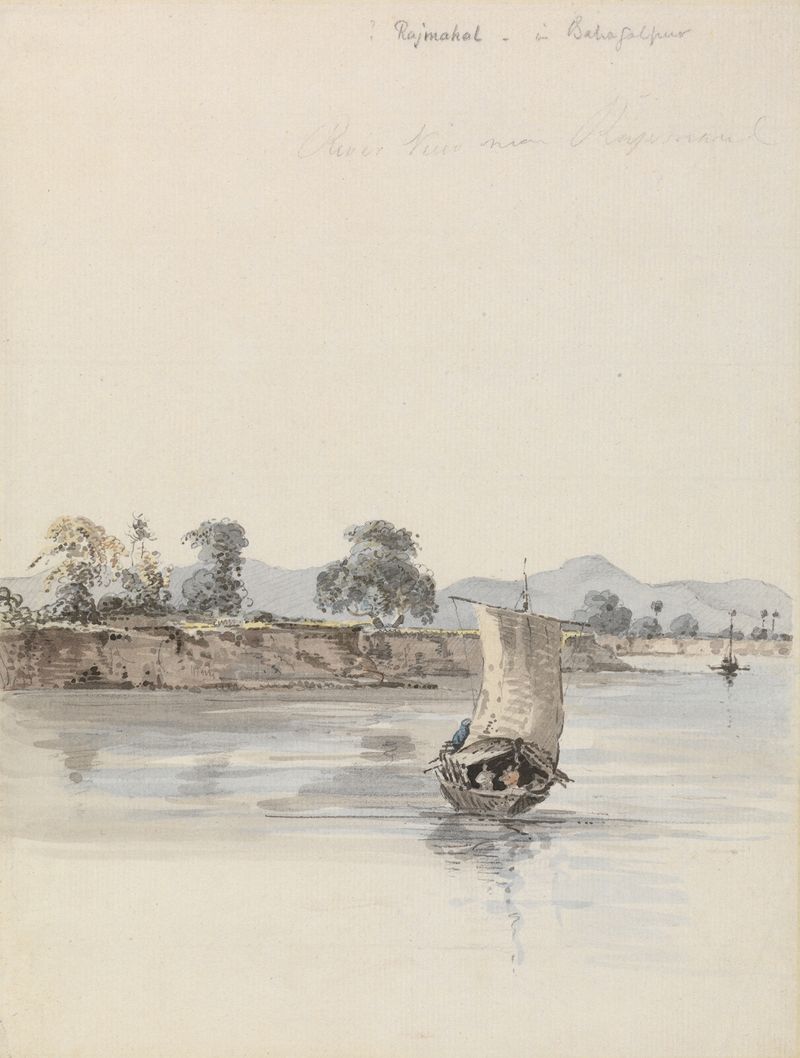
River View near Rajmahal
Samuel Davis
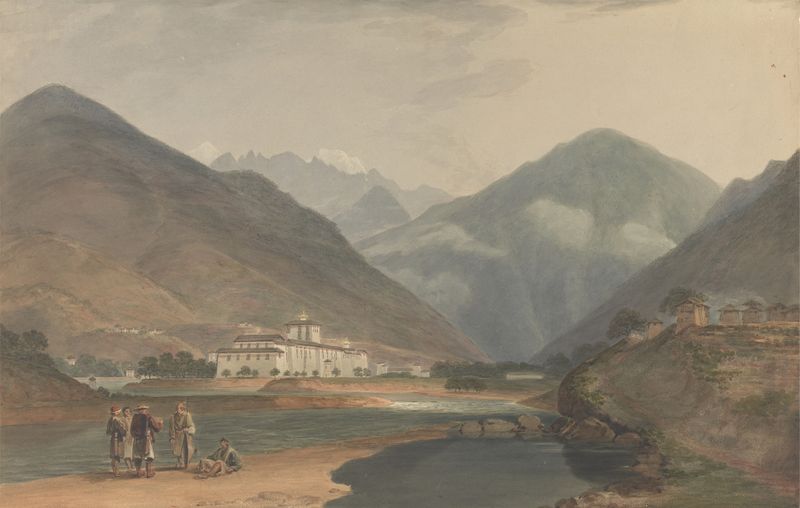
The Former Winter Capital of Bhutan at Punakha Dzong
Samuel Davis
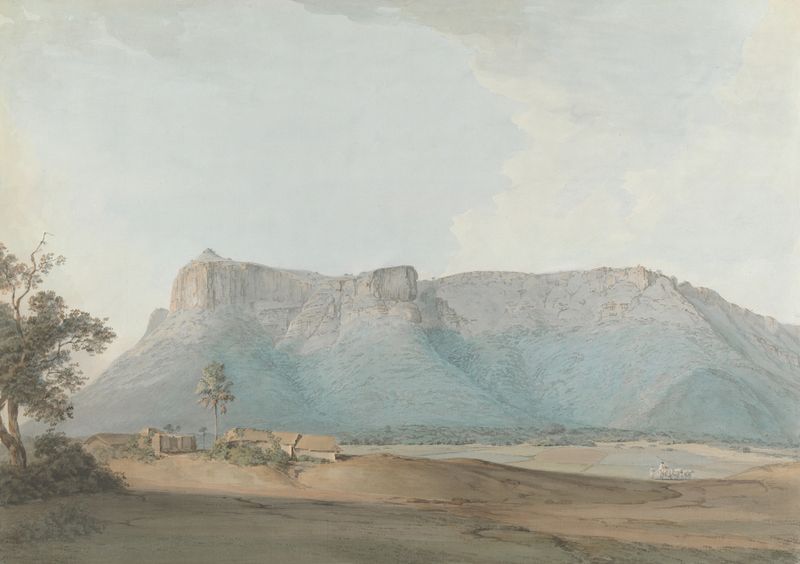
Rhotas from Akberpore
Samuel Davis
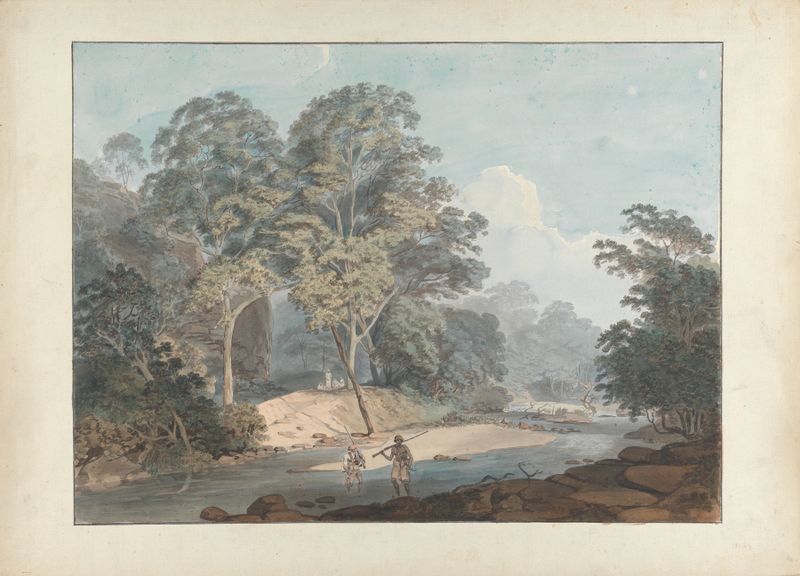
Rocky River Scene with Sepoys
Samuel Davis
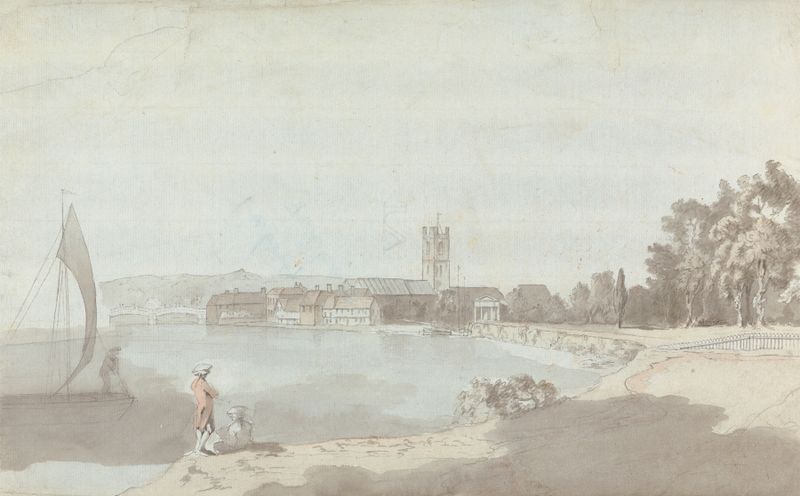
West Country Town by a River
Samuel Davis
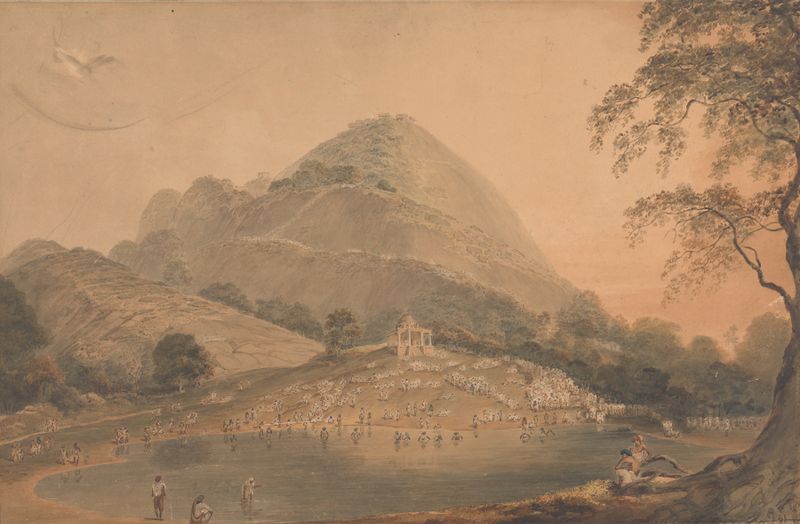
The Annual Resort of Hindoos to Mundar Hill near Bhagulpore [Bhagalpur]
Samuel Davis