
Tatras Motif — History & Facts
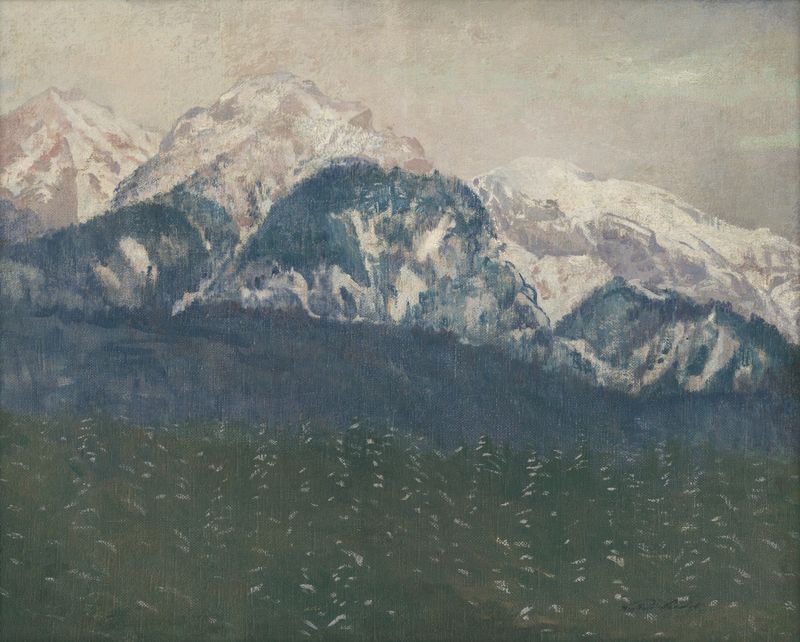
In the realm of abstraction, silence can be as profound as the boldest hues, suggesting a void that invites contemplation and introspection. Focus first on the gentle interplay of blue and green, where sweeping strokes harmoniously blend into one another, evoking the majestic essence of the Tatras mountains. Notice how the artist balances lighter shades against darker tones, creating an atmospheric depth that invites your gaze deeper into the canvas. This technique not only captures the natural beauty of the landscape but also alludes to the emotional resonance that the mountains hold for the viewer. As you explore further, observe the subtle strokes that seem to ebb and flow like the wind through the mountains.
There's an emotional tension between the vibrant and muted areas, suggesting both ecstasy and solitude. This duality reflects a complex relationship with nature—where the overwhelming beauty of the landscape can evoke both inspiration and a sense of insignificance, drawing attention to the void that lies within. Ferdinand Katona created this piece in 1900 amidst a significant period in the art world, marked by the rise of modernism and a departure from traditional techniques. Working in his native Hungary, he sought to express the ethereal qualities of the natural world through abstraction, a reflection of his own artistic exploration and the broader shifts taking place in European art at the time.
More Artworks by Ferdinand Katona
Browse all →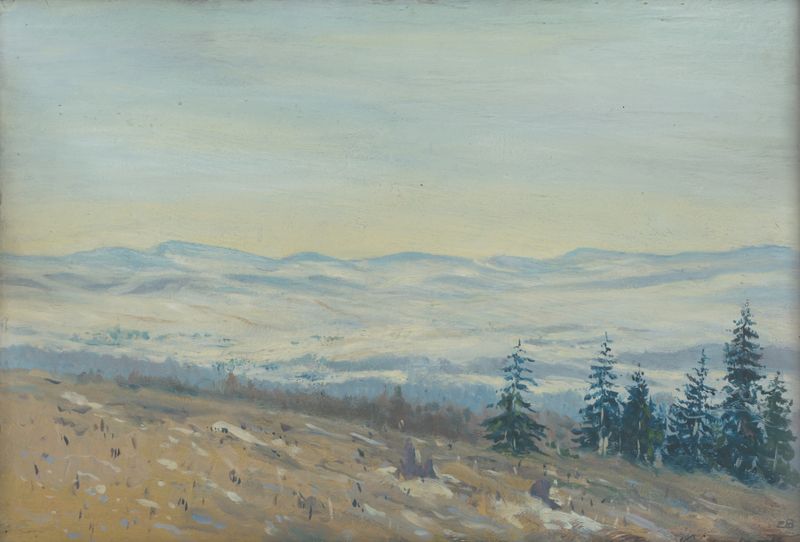
High Tatras
Ferdinand Katona
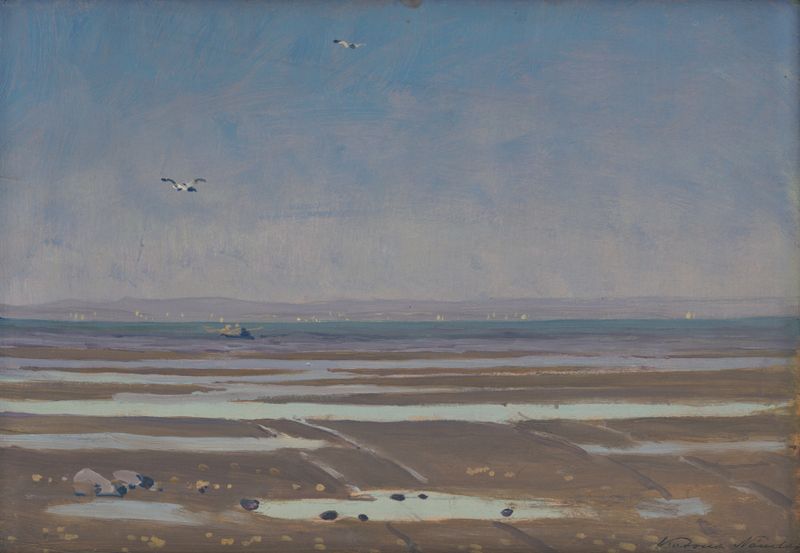
Early spring
Ferdinand Katona
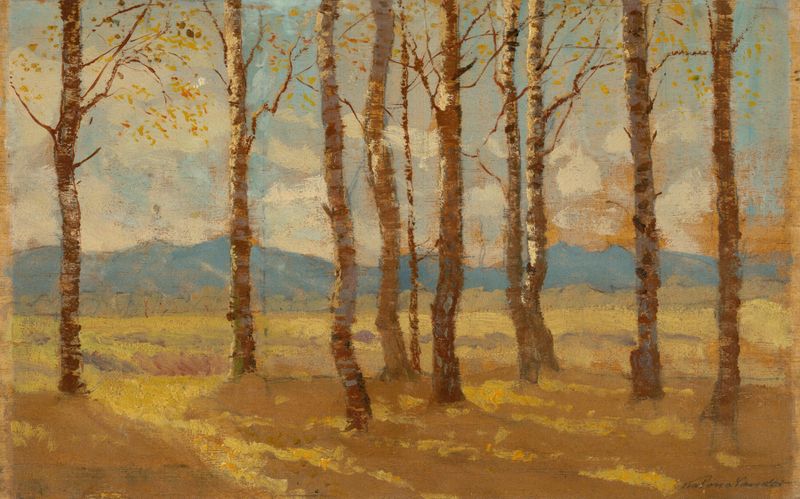
Birches in Autumn
Ferdinand Katona
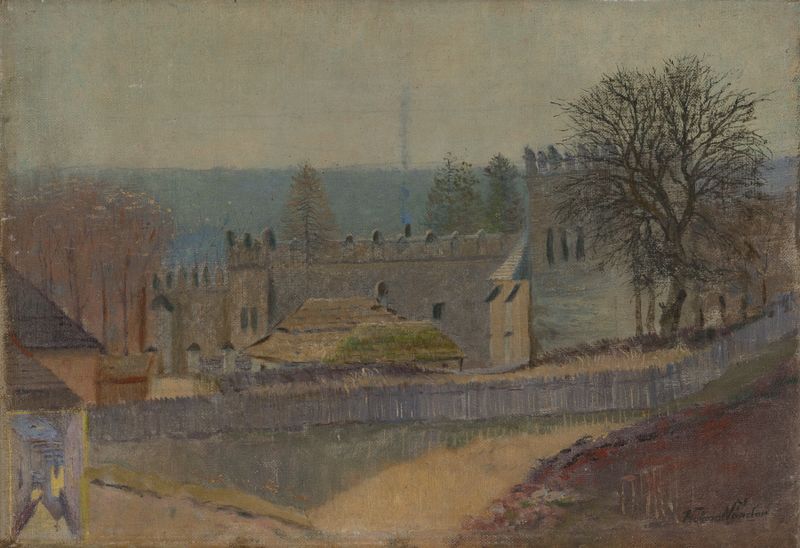
View of Strážky
Ferdinand Katona
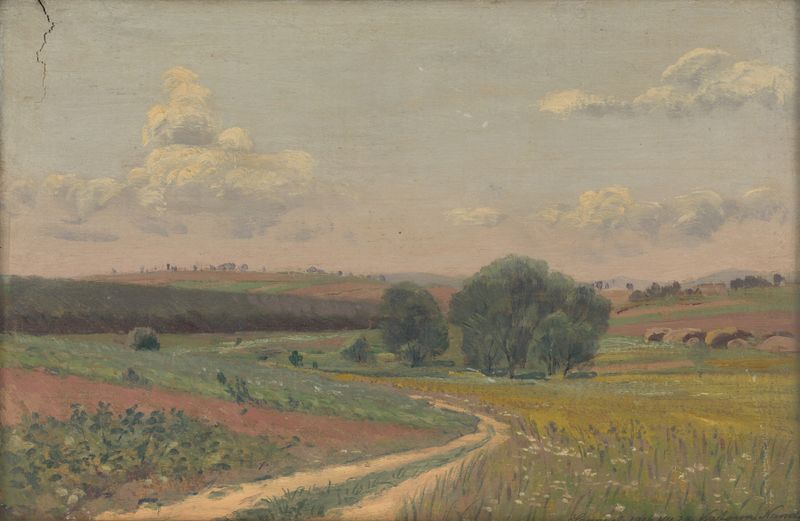
Landscape with a dirt road
Ferdinand Katona
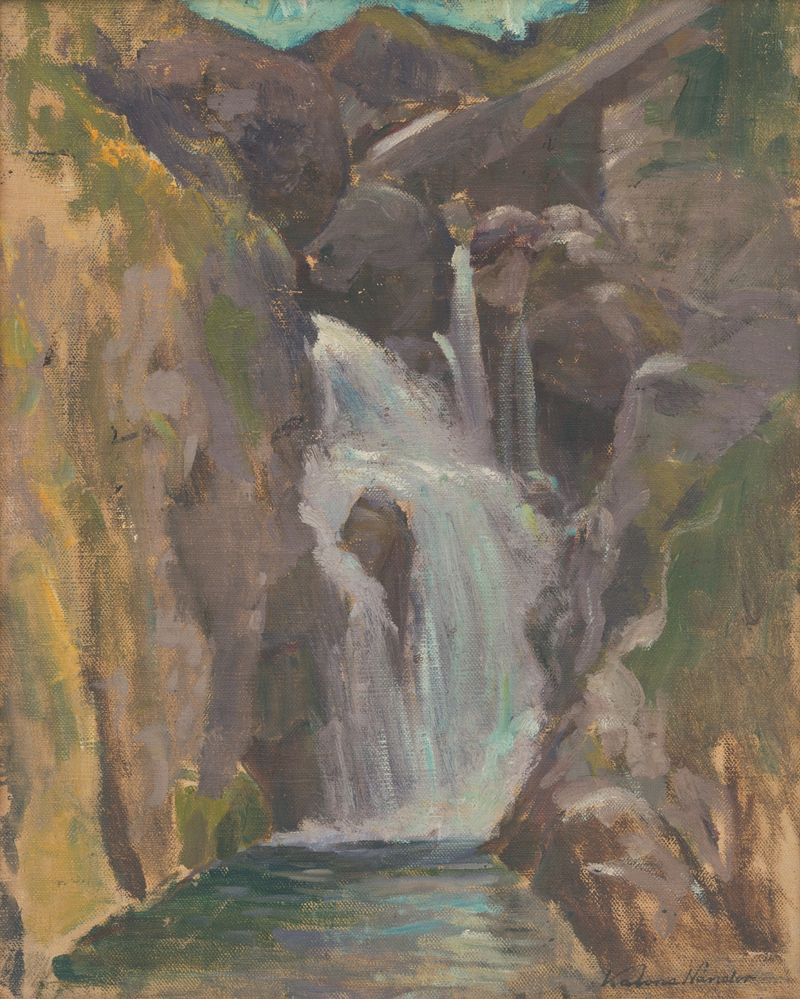
Waterfall
Ferdinand Katona
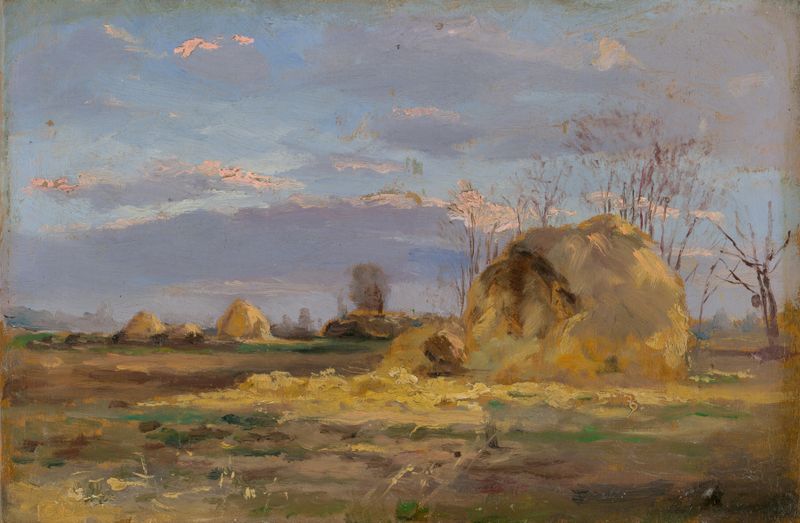
Autumn Landscape with Trees
Ferdinand Katona
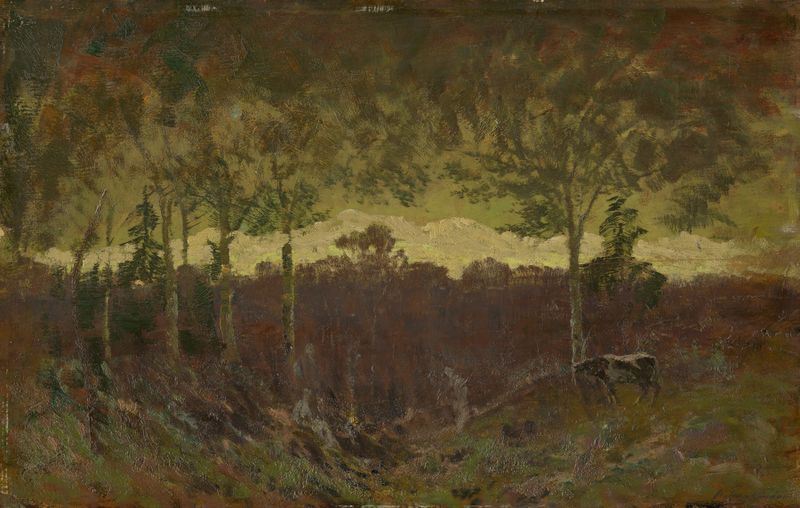
Early Evening Tatras Landscape
Ferdinand Katona
View of the High Tatras
Ferdinand Katona
Early Spring
Ferdinand Katona





