Discover insights about this artwork
Te aa no areois (The Seed of the Areoi ) — History & Facts
In Te aa no areois (The Seed of the Areoi), vibrant colors dominate the canvas. The painting features figures that embody Polynesian culture, surrounded by lush tropical foliage. Gauguin uses bold brushstrokes to create a sense of movement and life.
The warm tones of yellow and red contrast with the deep greens of the background, enhancing the overall vibrancy. The painting is executed in oil on canvas, a medium that allows for rich texture and color depth. Gauguin's technique involves layering colors to achieve luminosity, particularly in the skin tones of the figures. The dimensions are approximately 90 x 116 cm, making it a sizable work that commands attention.
The composition is carefully arranged, drawing the viewer's eye to the central figures. Paul Gauguin was a key figure in the Post-Impressionist movement, known for his bold use of color and exploration of non-Western cultures. Te aa no areois reflects his fascination with Polynesian life and spirituality. An interesting fact about this work is that it was created during Gauguin's time in Tahiti, where he sought to escape European civilization.
This painting is a testament to his desire to capture the essence of a culture he found deeply inspiring.
More Artworks by Paul Gauguin
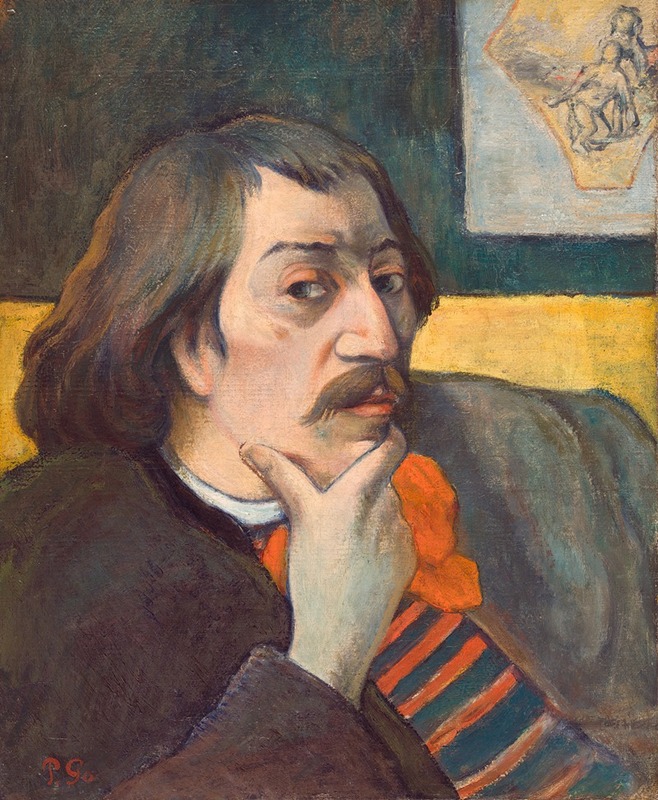
Self Portrait
Paul Gauguin
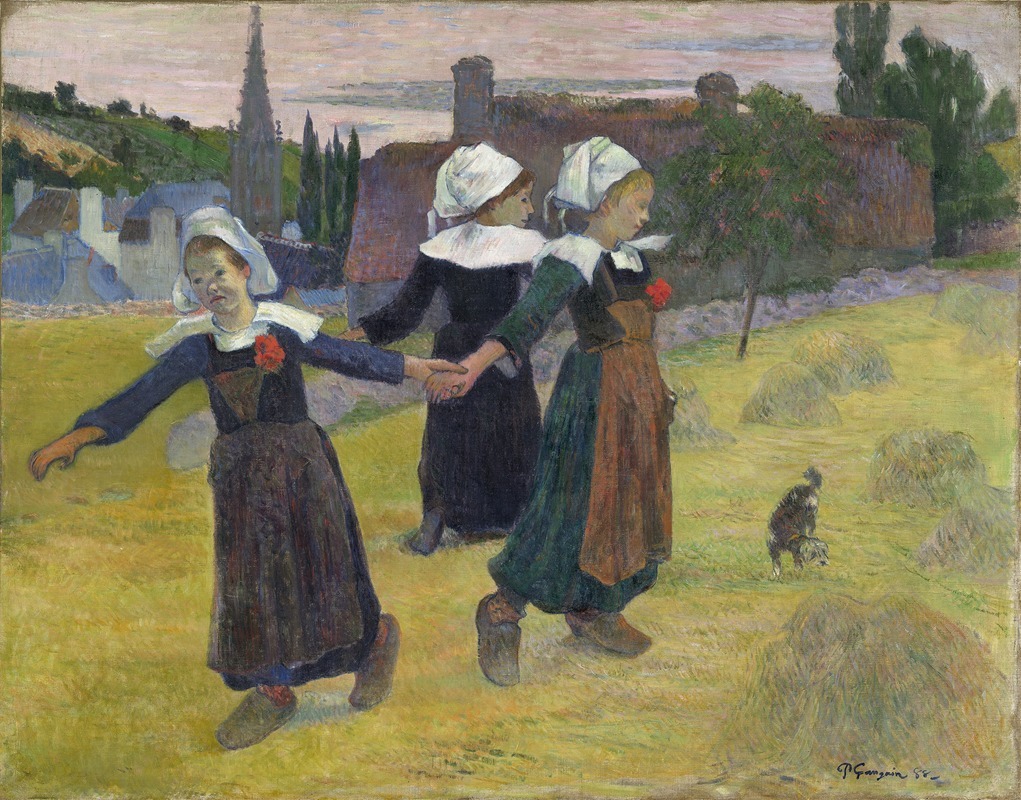
Breton Girls Dancing,Pont-Aven
Paul Gauguin
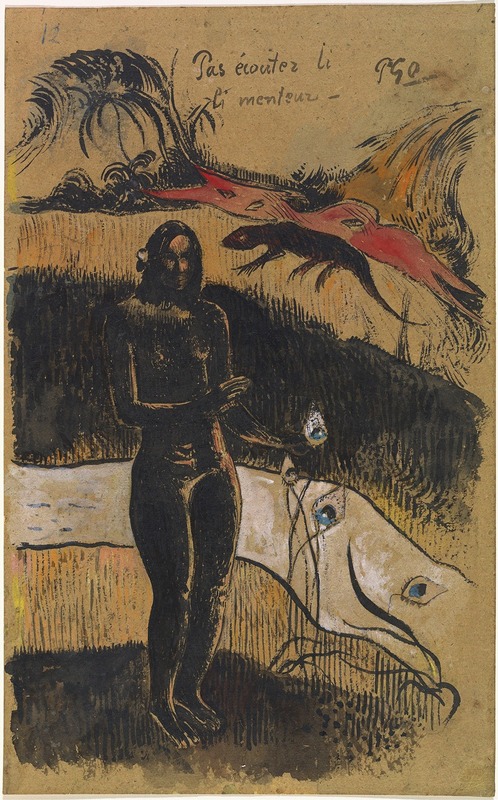
Nave Nave Fenua
Paul Gauguin
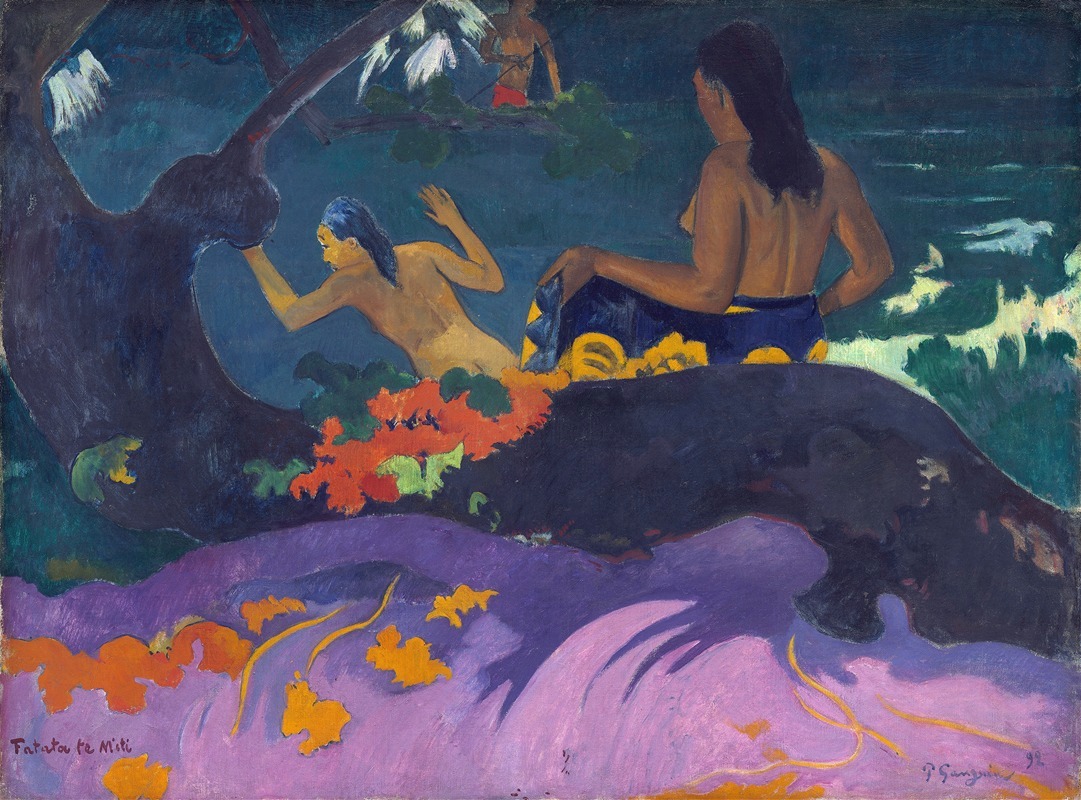
Fatata te Miti (By the Sea)
Paul Gauguin
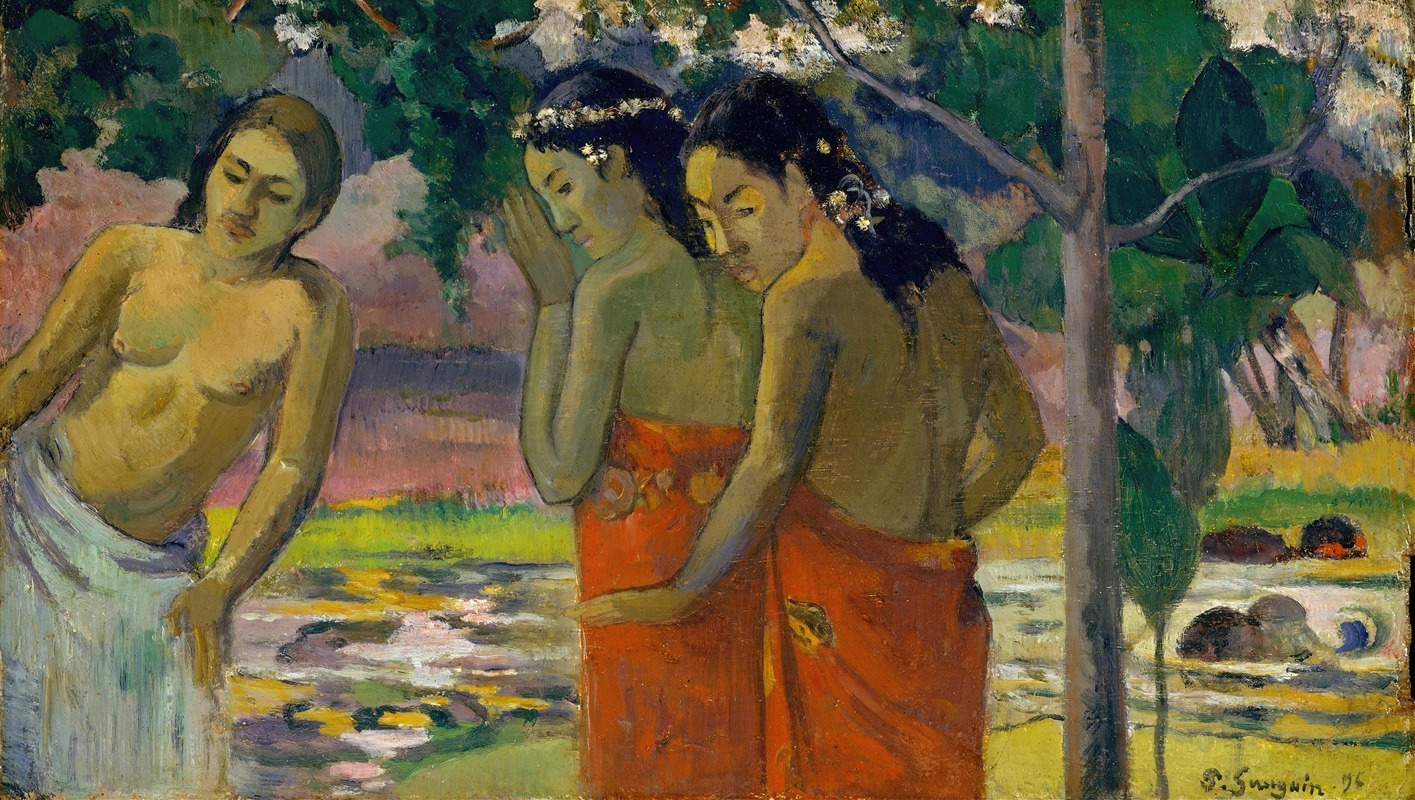
Three Tahitian Women
Paul Gauguin
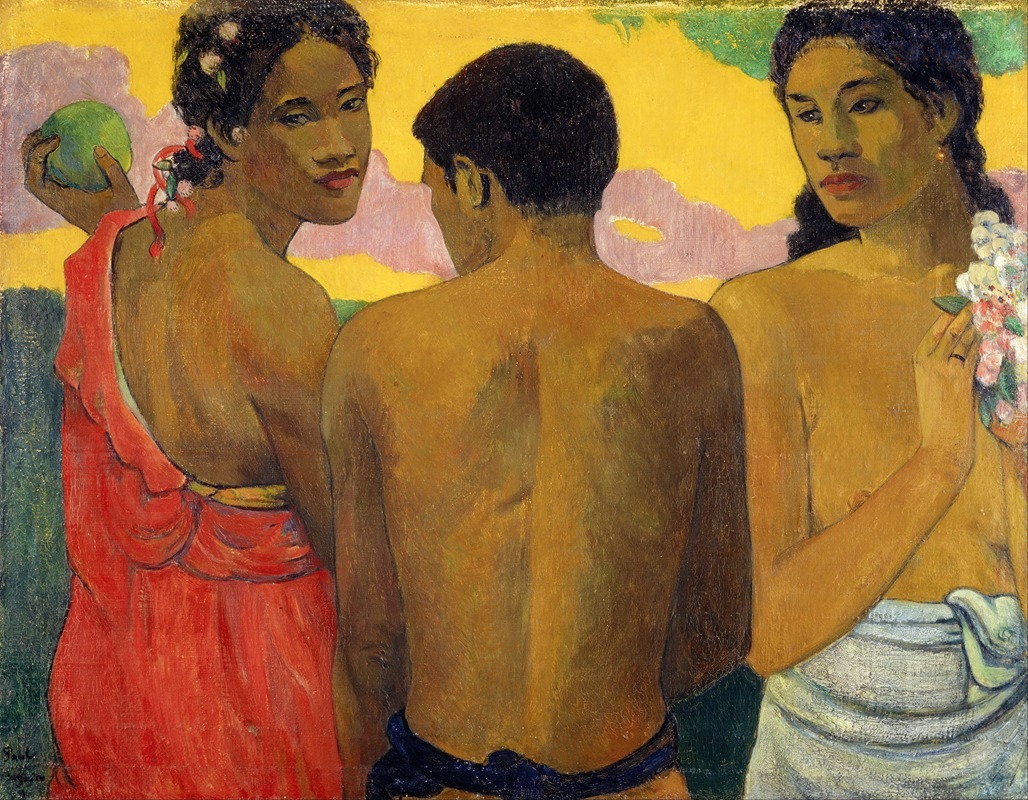
Three Tahitians
Paul Gauguin
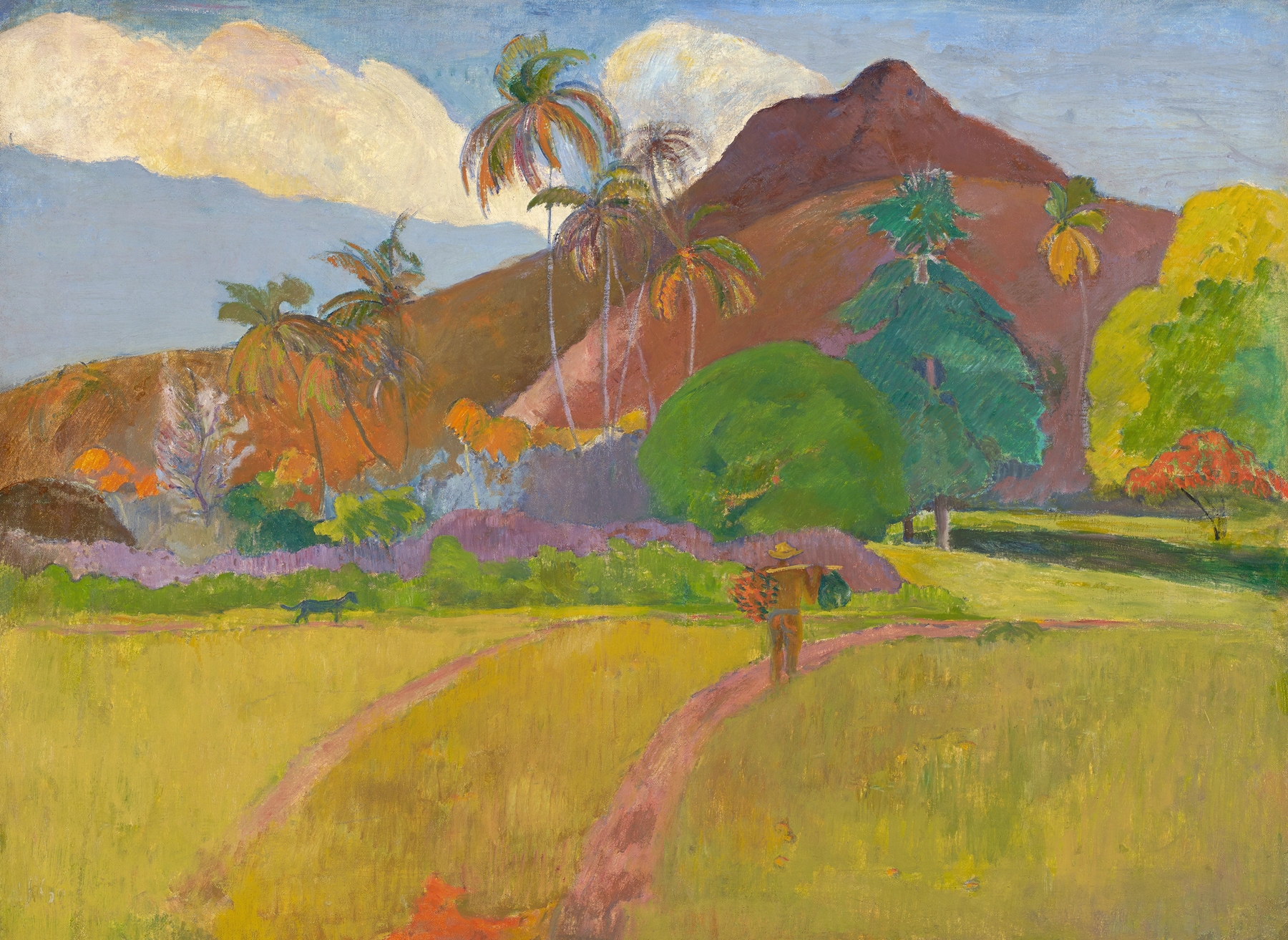
Tahitian Landscape
Paul Gauguin
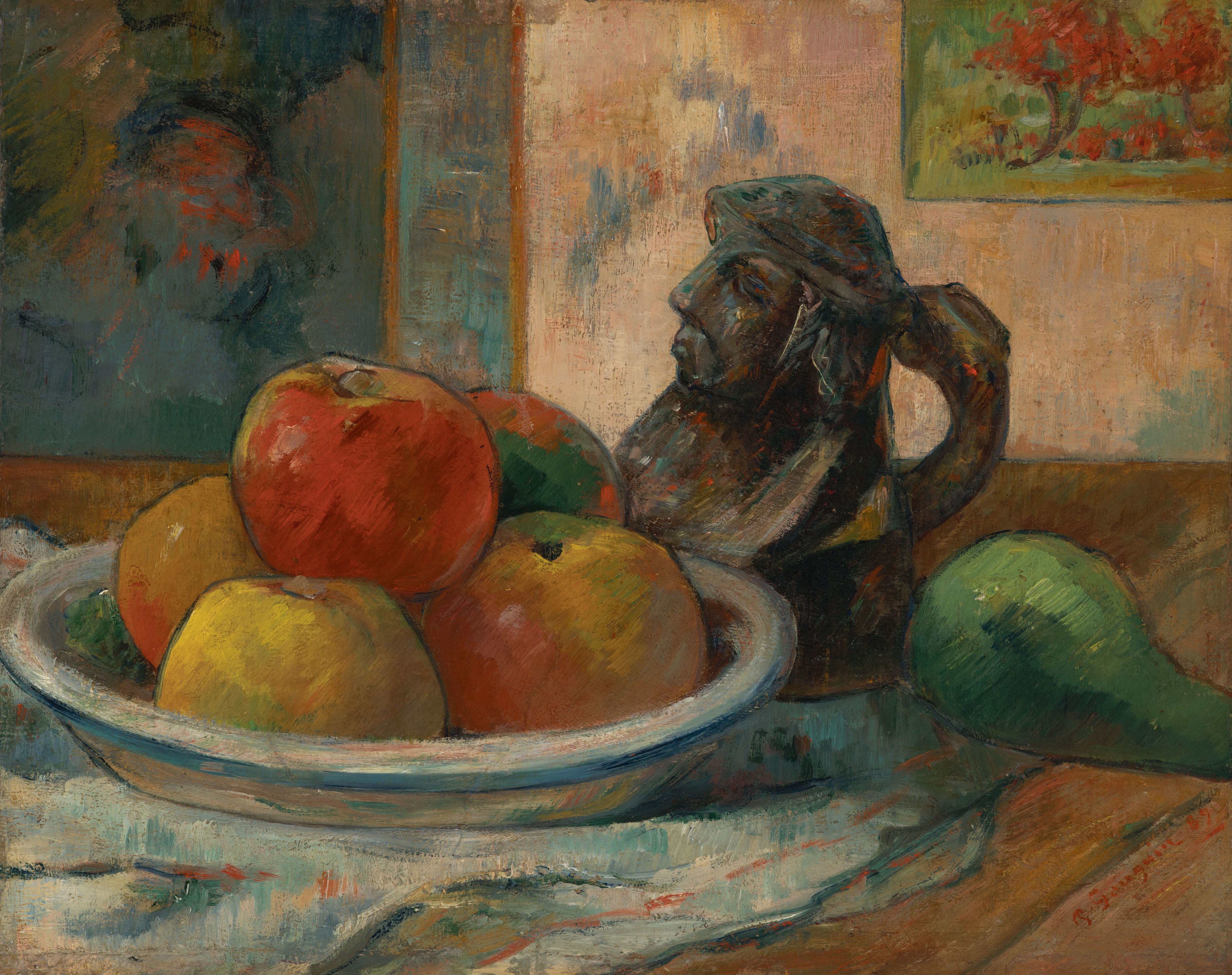
Still Life with Apples, a Pear, and a Ceramic Portrait Jug
Paul Gauguin
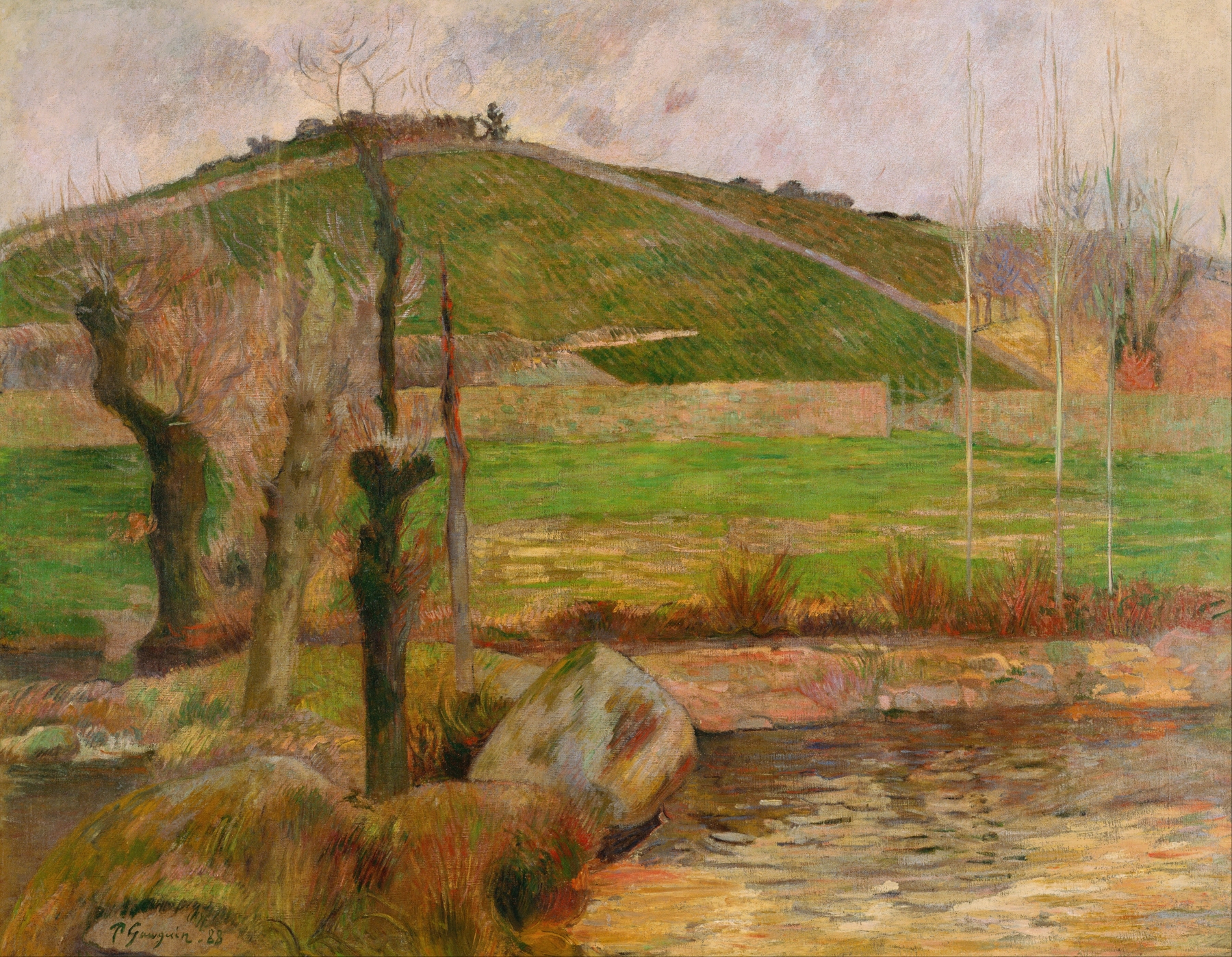
Landscape near Pont-Aven
Paul Gauguin

No te aha oe riri (Why Are You Angry?)
Paul Gauguin