Tea bowl with a green glaze — History & Facts
What if silence could speak through light? In that quiet moment, a tea bowl sits, its green glaze absorbing the soft glow that falls upon it, whispering stories of the past. Focus on the smooth, inviting surface of the bowl, where the glistening green glaze reflects subtle variations of light. Notice how the light dances across the gentle curves, creating a tactile sensation that invites touch. The artist’s choice of color evokes a sense of tranquility, while the simplicity of the form embodies both elegance and intimacy, as if it contains secrets waiting to be uncovered. Upon closer inspection, the glaze reveals a rich depth, embodying the interplay between creation and decay.
The variations in hue mirror the transient nature of life, suggesting the passage of time and the beauty within impermanence. Each imperfection in the surface reflects the human touch, reminding us of mortality and the fleeting moments we share over a cup of tea. Created during the late 17th century, this work emerges from a period in which artisans in East Asia sought to elevate everyday objects to the realm of fine art. The unknown artist operated in an age where tea culture flourished, symbolizing both social connection and introspection.
In the quietude of their workshop, they shaped not only clay but also the essence of human experience—echoes of existence captured in a simple yet profound form.
More Artworks by Unknown Artist
Browse all →
Ridder, Dood en Duivel
Unknown Artist
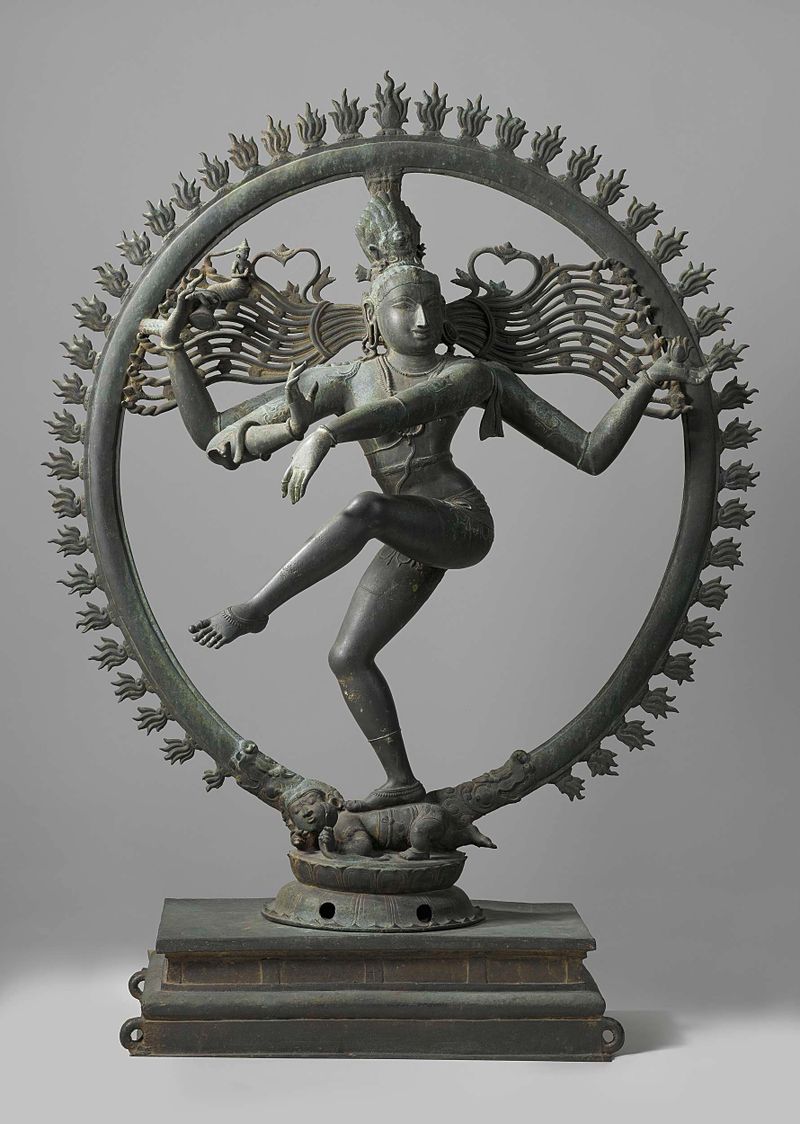
Shiva Nataraja
Unknown Artist

Portrait of Elizabeth I, Queen of England
Unknown Artist
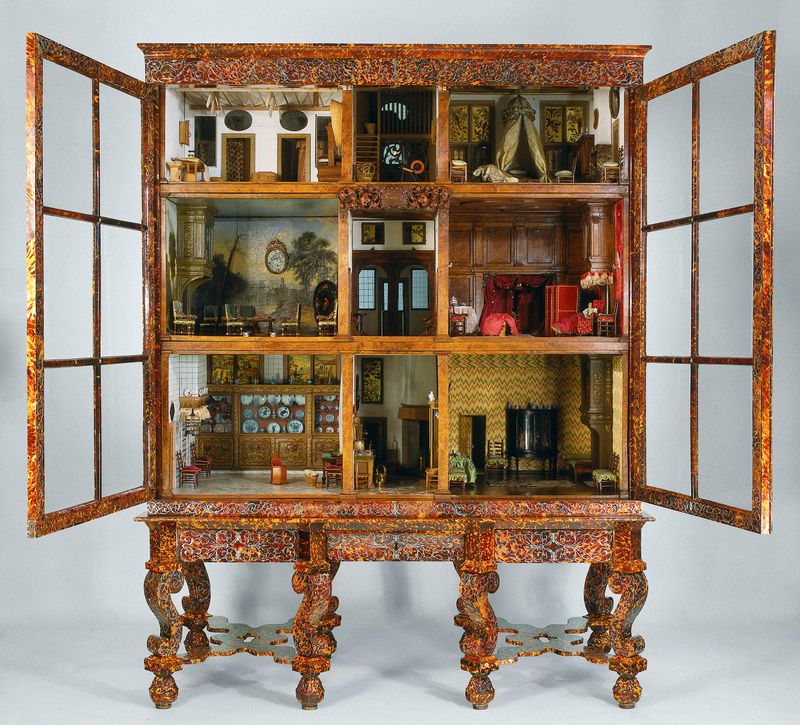
Dolls’ house of Petronella Oortman
Unknown Artist
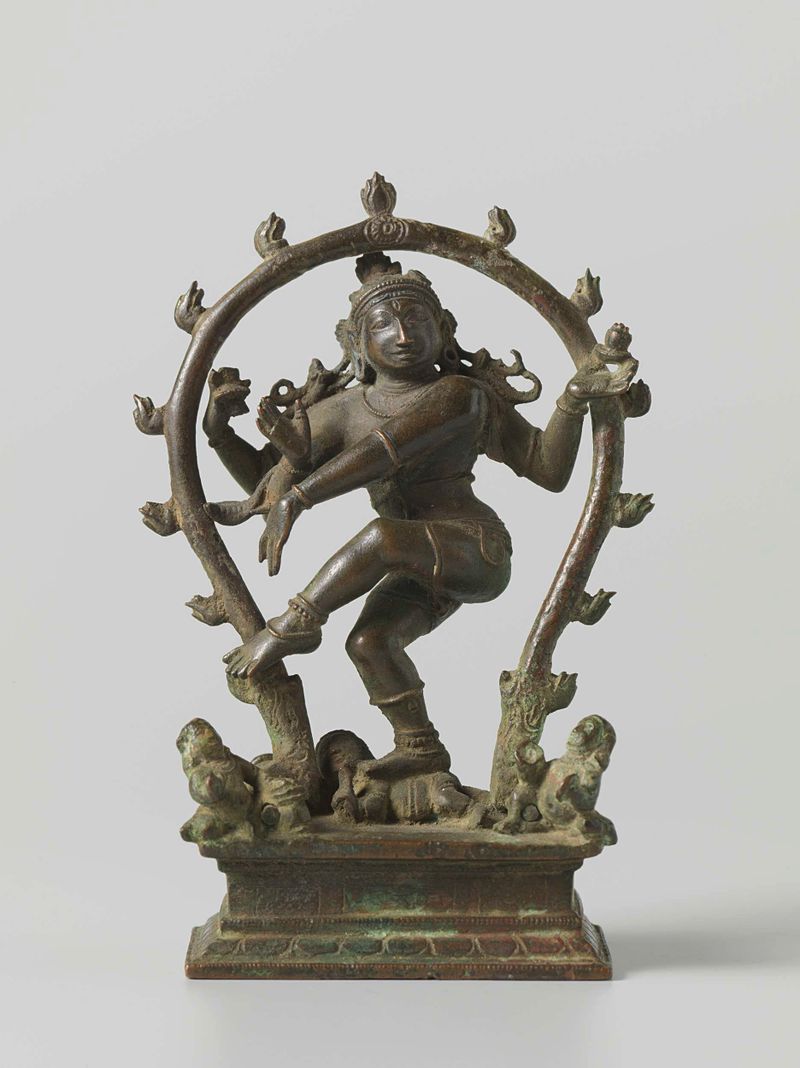
Shiva Nataraja
Unknown Artist

The Tale of Genji
Unknown Artist

The Tale of Genji
Unknown Artist
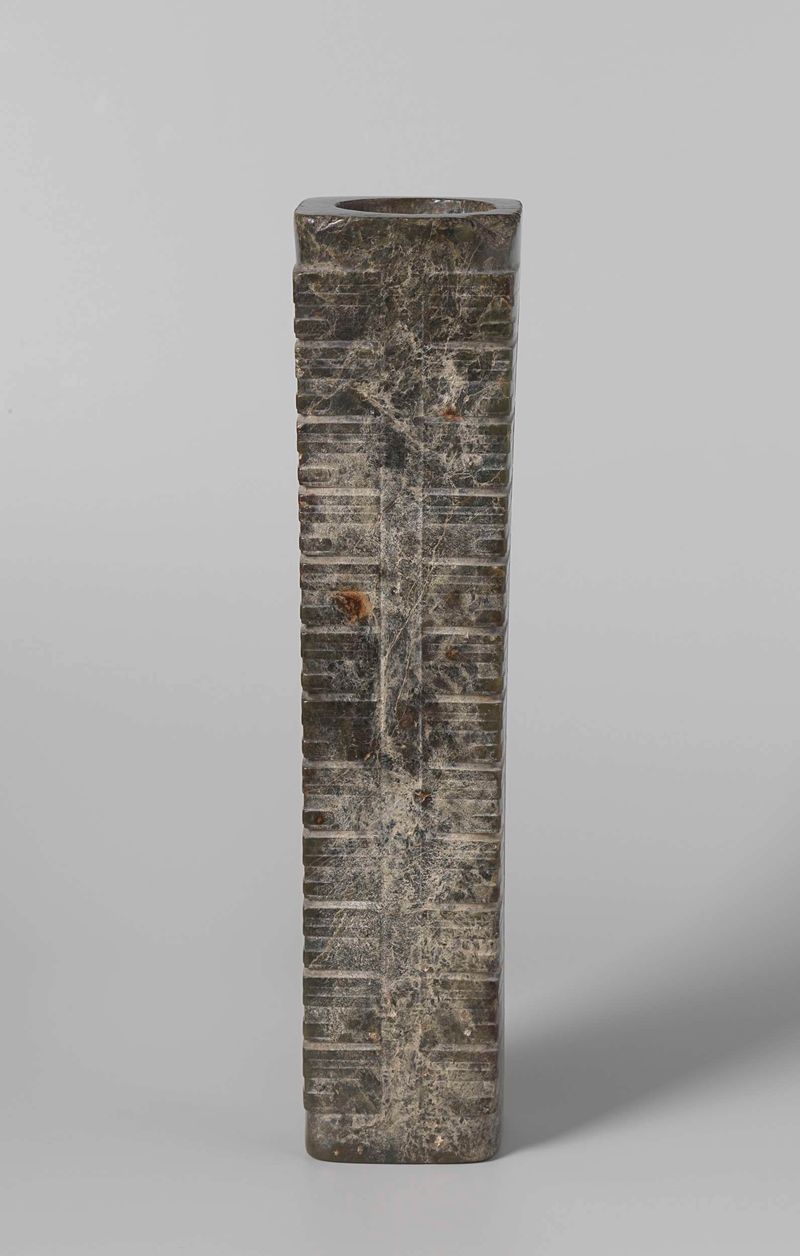
Cong
Unknown Artist
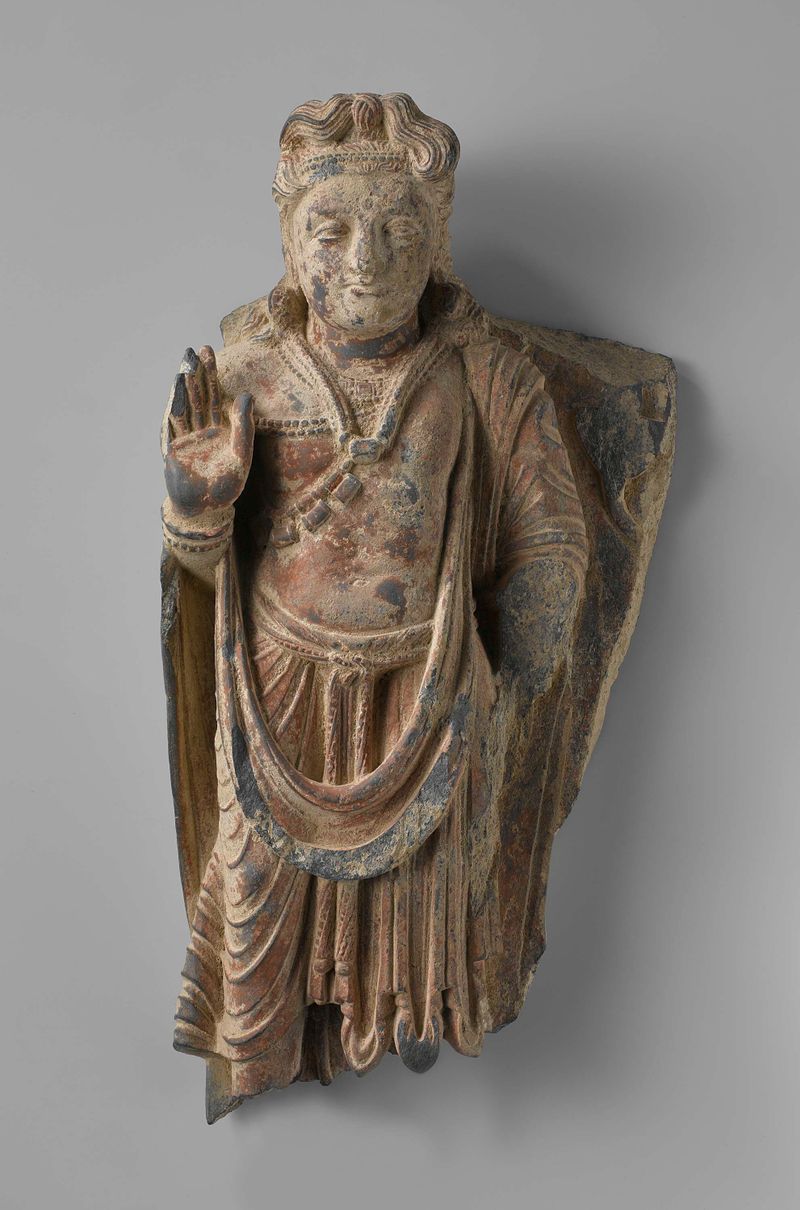
The bodhisattva Maitreya
Unknown Artist
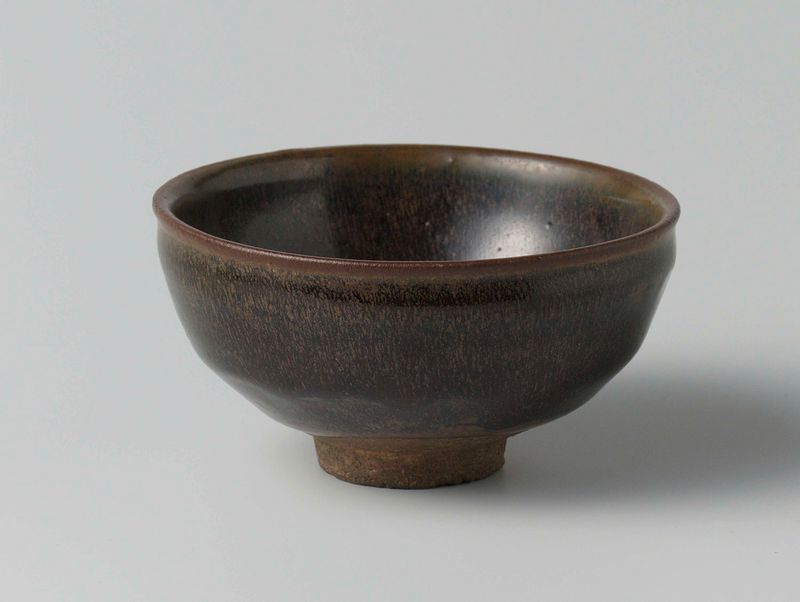
Teabowl with a 'hare's fur' glaze
Unknown Artist