
Tekapo Lake — History & Facts
This sentiment resonates deeply, echoing the yearning for connection found in nature’s embrace. Nicholas Chevalier’s vision of Tekapo Lake encapsulates this longing, inviting viewers to lose themselves within the tranquil yet vibrant landscape. Focus on the shimmering surface of the lake, where light dances with hues of blue and green. Look closely at how the gentle strokes create a sense of rippling motion, reflecting the sky above.
Notice the rocky outcrops framing the scene, grounding the ethereal beauty with their earthy tones, while the distant mountains stand sentinel, their peaks kissed by soft clouds. The careful balance of color and texture imbues the work with life, each brushstroke breathing vitality into the canvas. Beyond the immediate beauty, the painting evokes a deeper emotional tension—between serenity and isolation. The vastness of the lake suggests a longing for companionship, while the solitude of the surrounding mountains hints at introspection.
Each element plays off one another, encapsulating the struggle between a yearning for freedom and the comfort of stillness. This harmony and dissonance weave a narrative of exploration, prompting the viewer to reflect on their own relationship with nature and solitude. In 1866, the artist created this piece while residing in Australia, a time marked by significant exploration and artistic evolution. Chevalier was influenced by both his European heritage and the expansive landscapes he encountered in the Southern Hemisphere.
This intersection of experiences shaped his approach, pushing him to capture the untouched beauty of the Australian wilderness while simultaneously responding to a broader art movement that celebrated the sublime in nature.
More Artworks by Nicholas Chevalier
Browse all →
Coast near Dunedin
Nicholas Chevalier
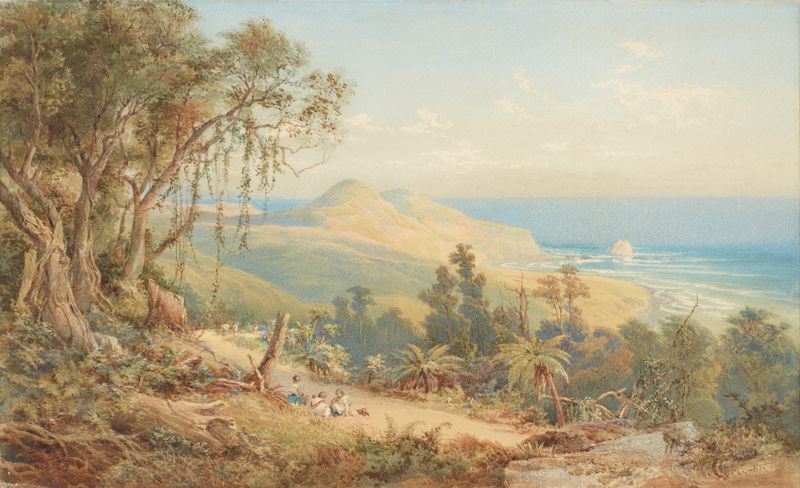
Sandfly Bay, Otago
Nicholas Chevalier

Buckler Burn at the head of Wakatipu Lake
Nicholas Chevalier

Mr MacKellar’s Station, the Waimea Plains, Southland
Nicholas Chevalier
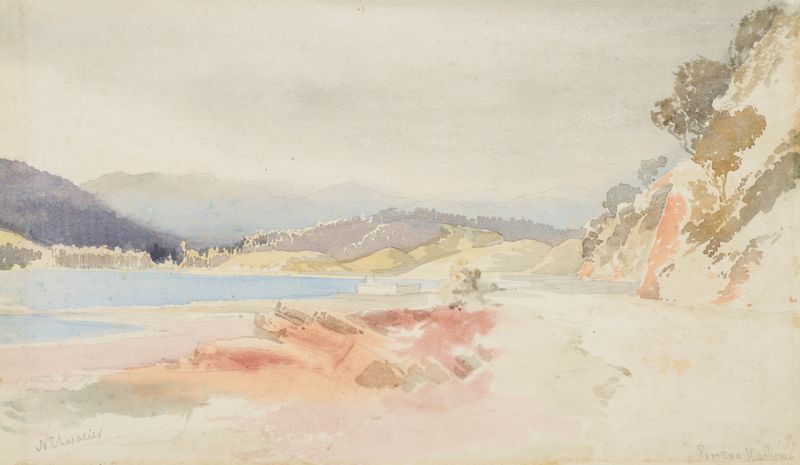
Porirua Harbour
Nicholas Chevalier
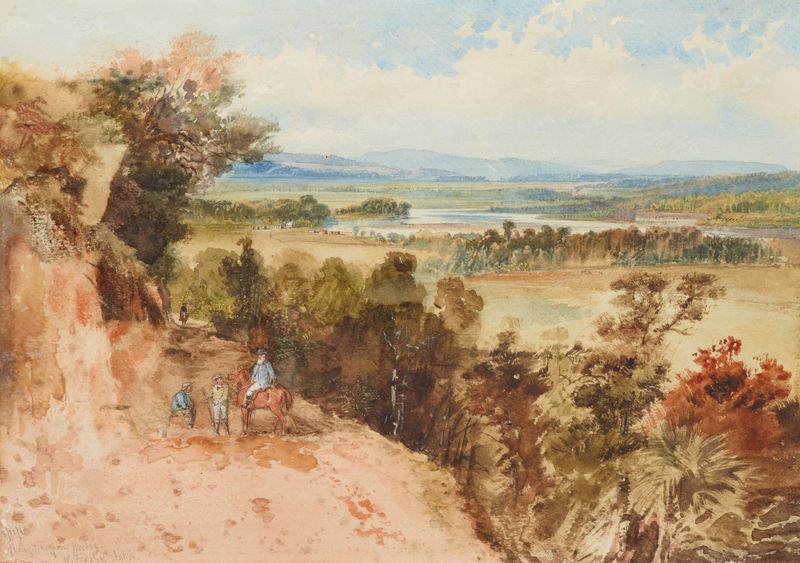
Rangitikei from Westoe, W. Fox Esq’s Station
Nicholas Chevalier

The Upper Rangitikei
Nicholas Chevalier
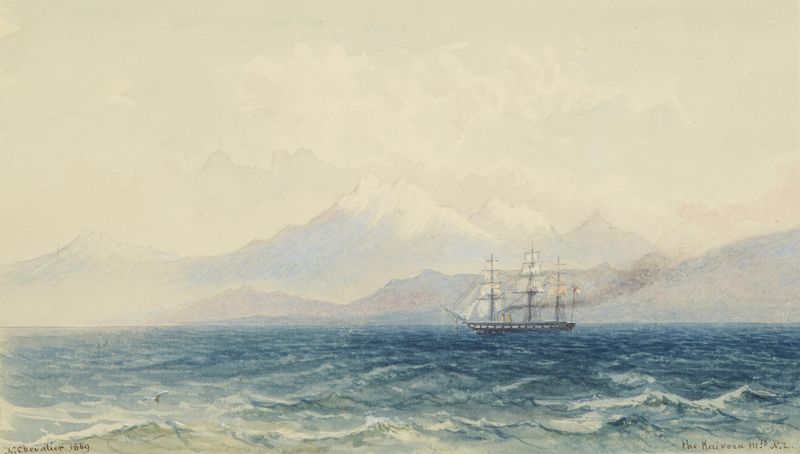
The Kaikoura Mountains, N.Z.
Nicholas Chevalier

Upper Hutt Valley
Nicholas Chevalier

The Tararua Mountains and the Waipoua River
Nicholas Chevalier





