
Tempeltje — History & Facts
In the interplay of light and shadow, we discover the essence of a world quietly pulsating with secrets. Focus on the delicate interplay of shadows that dance across the landscape, drawing you into the scene. Look closely at the archway on the left; the soft, muted earth tones of the structure contrast sharply with the deep green foliage that envelops it. The artist’s brushwork captures the stillness of the moment—every stroke feels intentional, guiding the eye toward the gentle, almost ethereal light that spills into the space, illuminating the sacredness embodied in the temple. Delve deeper into the emotional undertones; the serene atmosphere is punctuated by an ambiguous sense of longing.
The temple, a symbol of refuge, stands in stark juxtaposition to the encroaching shadows that threaten to envelop it. Here, the contrast between light and dark evokes a tension between hope and melancholy, leading the viewer to ponder what remains unseen. Each shadow whispers untold stories of those who have sought solace within these walls, weaving a tapestry of human experience. Created between 1773 and 1843, the artist painted this work during a transformative period in the landscape genre, where romanticism began to flourish.
Michel, influenced by the natural beauty surrounding him in France, sought to convey both the sublime and the profound. The world was witnessing a shift in artistic expression, as artists began to explore emotional depth and the relationship between humanity and nature, a reflection that resonates deeply in this piece.
More Artworks by Georges Michel
Browse all →
The Approaching Storm
Georges Michel

Landschap met zandweg
Georges Michel

Landschaft bei Paris
Georges Michel
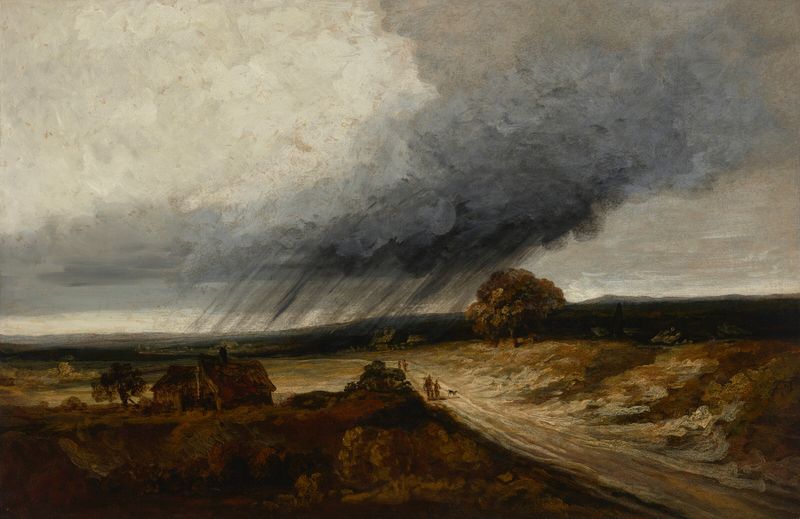
The Approaching Storm
Georges Michel

Landschap met overtrekkende bui
Georges Michel
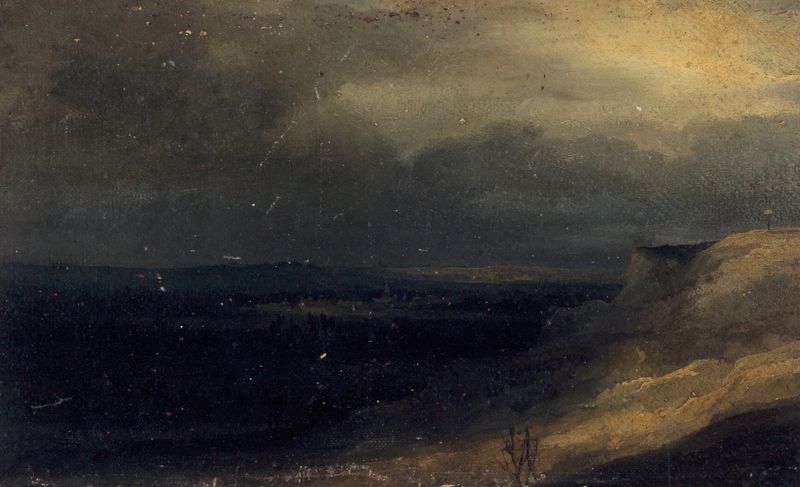
Vue présumée de Montmartre.
Georges Michel

Landschap met figuren en vee
Georges Michel

Approaching Storm
Georges Michel
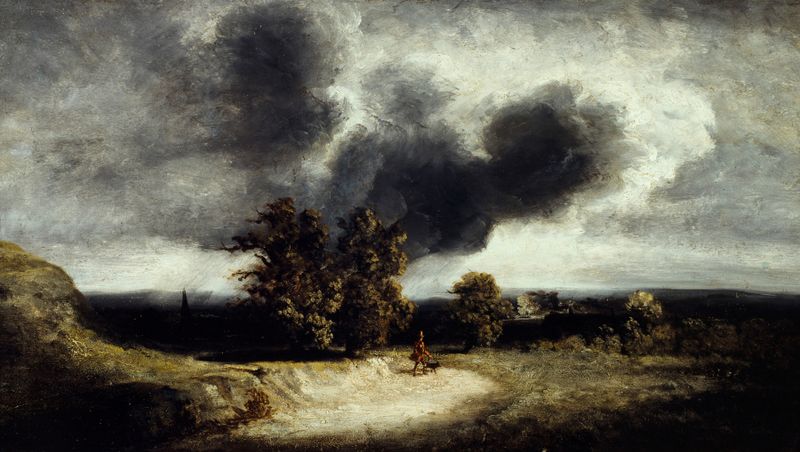
Paysage des environs de Paris.
Georges Michel

Gezicht op de Dome des Invalides uit de Champ de Mars
Georges Michel





