
Temple. From the journey to India — History & Facts
Can paint confess what words never could? In Temple. From the journey to India, the canvas becomes a silent witness to the tumult of human experience, a narrative where serenity and violence intertwine. Look to the center of the painting, where the majestic temple stands, intricately adorned yet almost ominously looming against a fiery sunset. The warm hues of orange and crimson envelop the scene, casting long shadows that stretch towards the viewer, inviting engagement while hinting at the darkness beneath beauty.
The sharp contrast between the vibrant sky and the temple's cool stone suggests a dichotomy of peace and conflict, while the brushwork employs a fluidity that captures the essence of movement, as if the air itself vibrates with palpable tension. As your gaze wanders, notice the subtle frieze of figures carved into the walls—a testament to stories of devotion and sacrifice, yet their very presence embodies the violence of belief and the duality of faith. The temple, a symbol of sanctuary, is paradoxically encased in the chaos of the landscape, where nature's ferocity mirrors the inner tumult of the human condition. The interplay of light and shadow amplifies this contrast, suggesting that beauty often conceals deeper, darker truths. Created in 1907, this work by Jan Ciągliński emerged during a transformative time in the art world, as artists were beginning to explore exotic themes and emotional depth through new techniques.
Having traveled through India, Ciągliński infused his piece with personal experiences of cultural intensity and spiritual complexity, reflecting not only his journey but a broader movement in art that sought to transcend mere representation.
More Artworks by Jan Ciągliński
Browse all →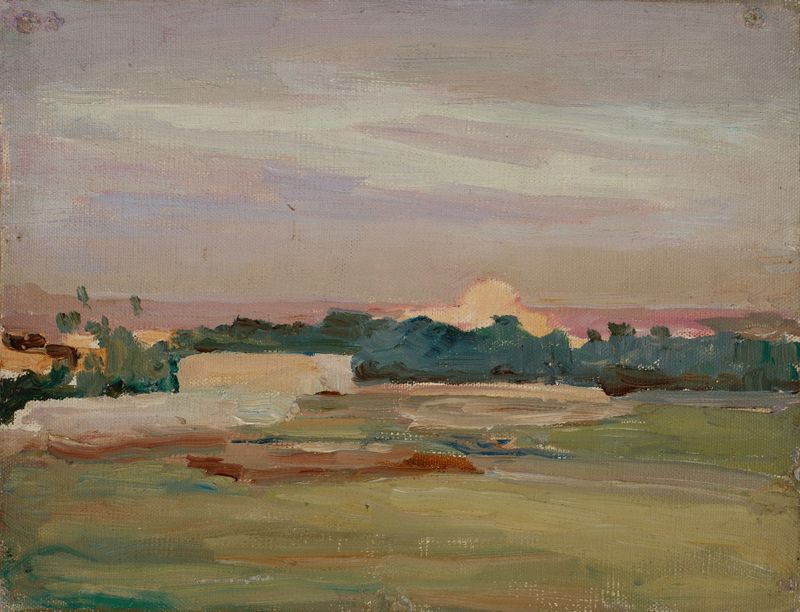
The Sirocco
Jan Ciągliński
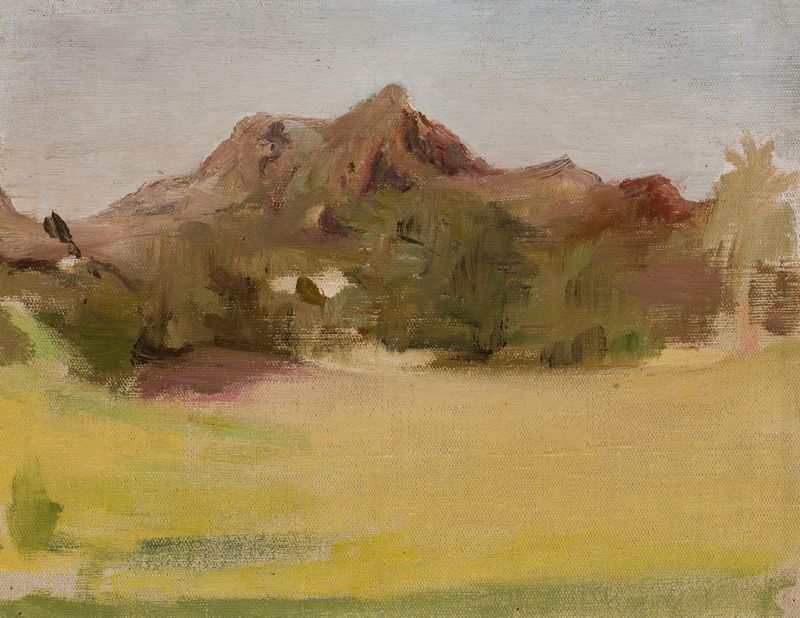
Mountain landscape. From the journey to India
Jan Ciągliński
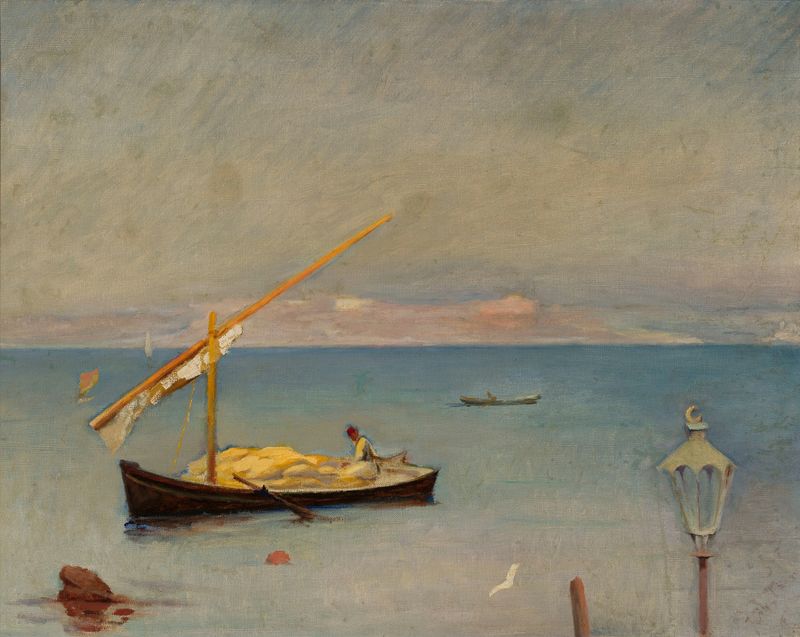
At Bosporus
Jan Ciągliński
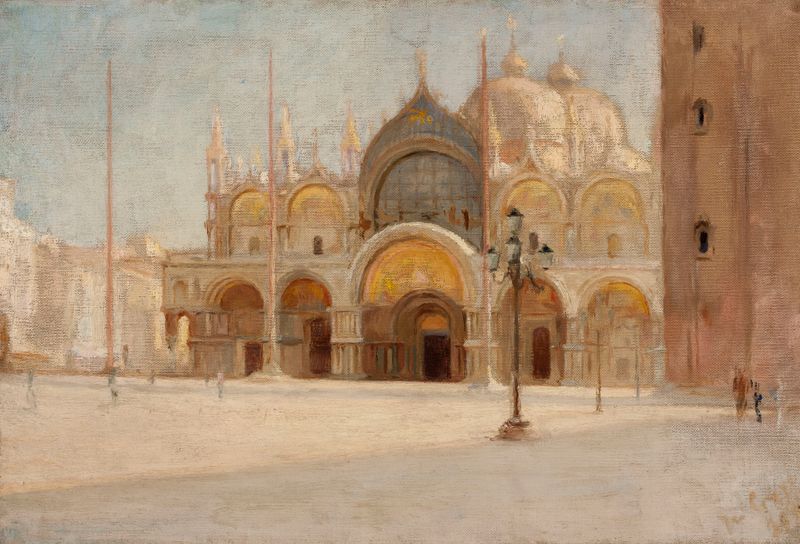
St Mark’s Square in Venice
Jan Ciągliński
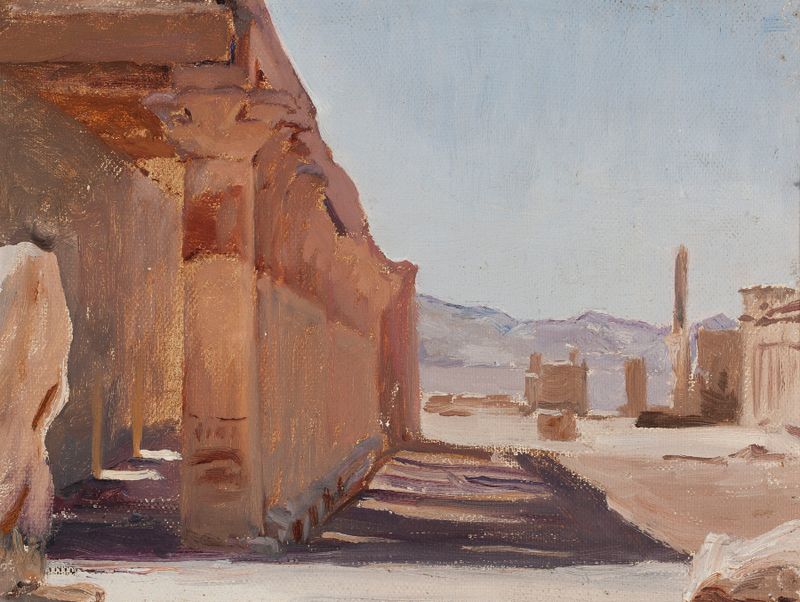
Temple. From the journey to Egypt
Jan Ciągliński
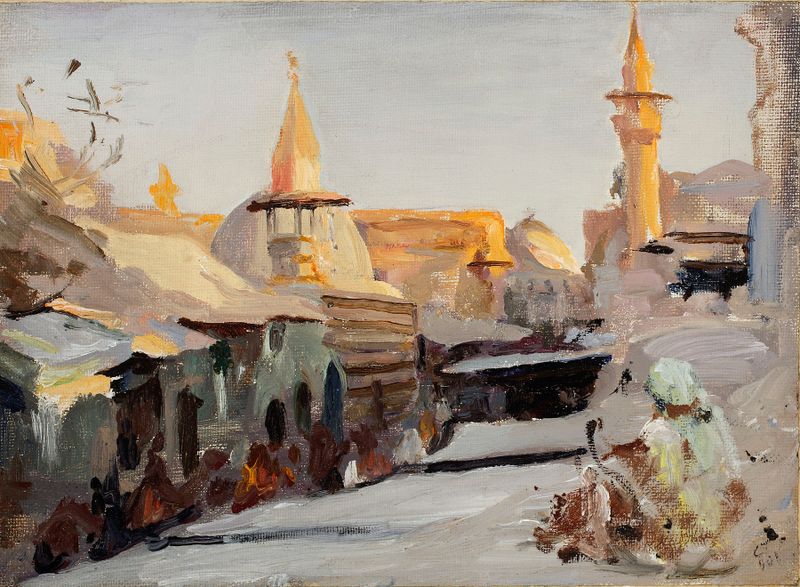
Street in Damascus. From the journey to Palestine
Jan Ciągliński
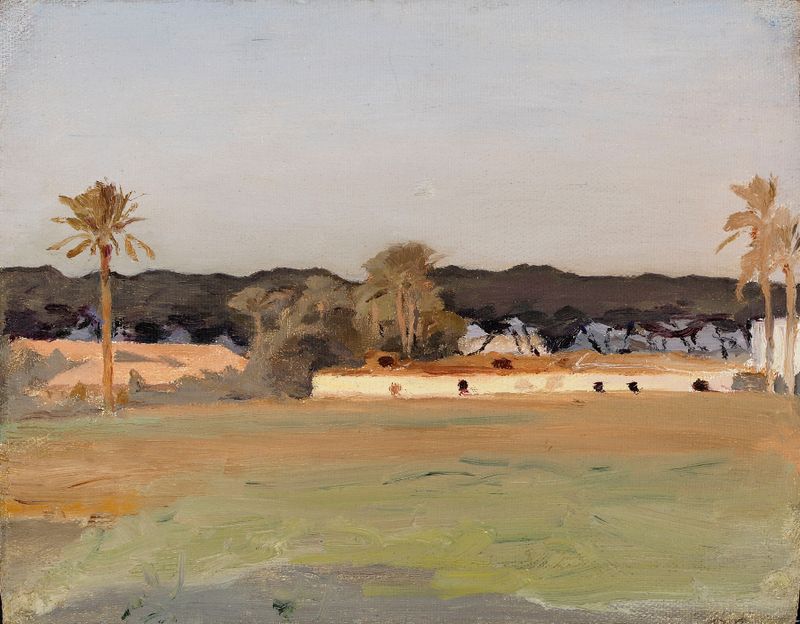
Evening. From the journey to Egypt
Jan Ciągliński
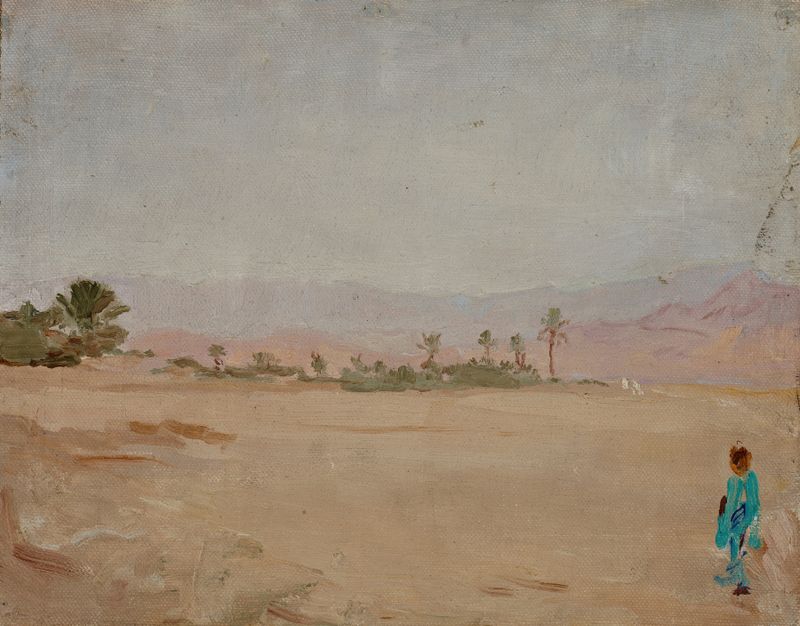
Sahara (Desert)
Jan Ciągliński
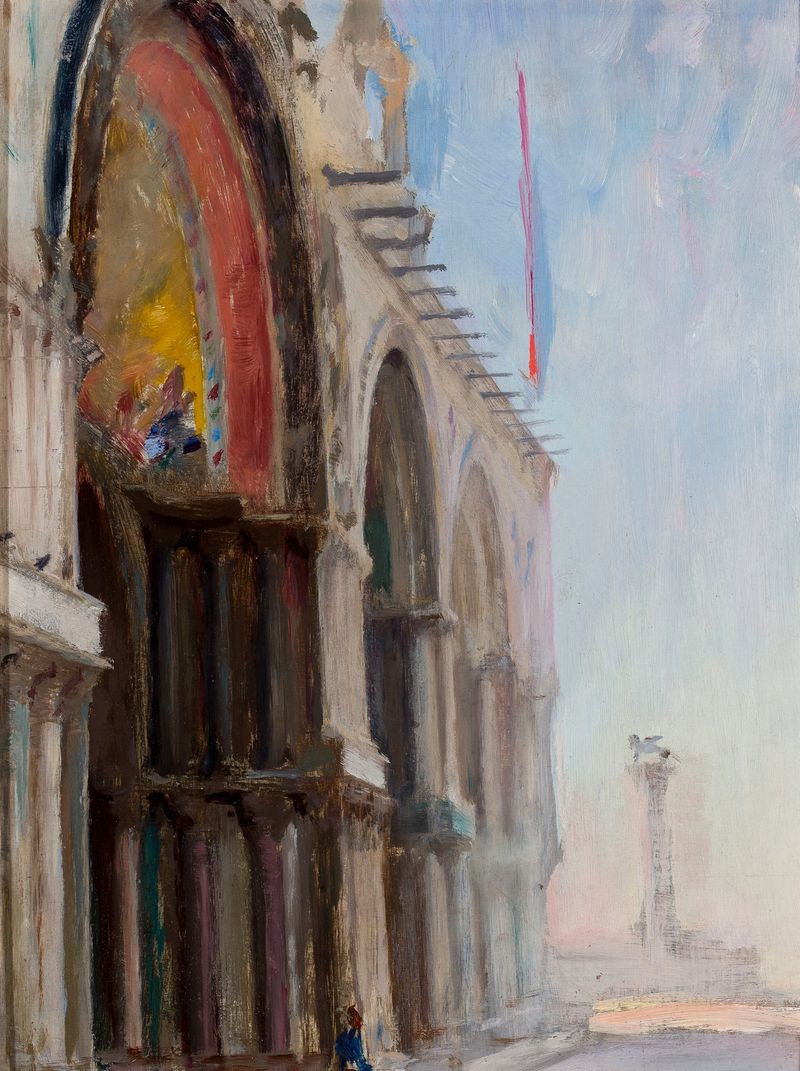
Venice – San Marco. From the journey to Italy
Jan Ciągliński
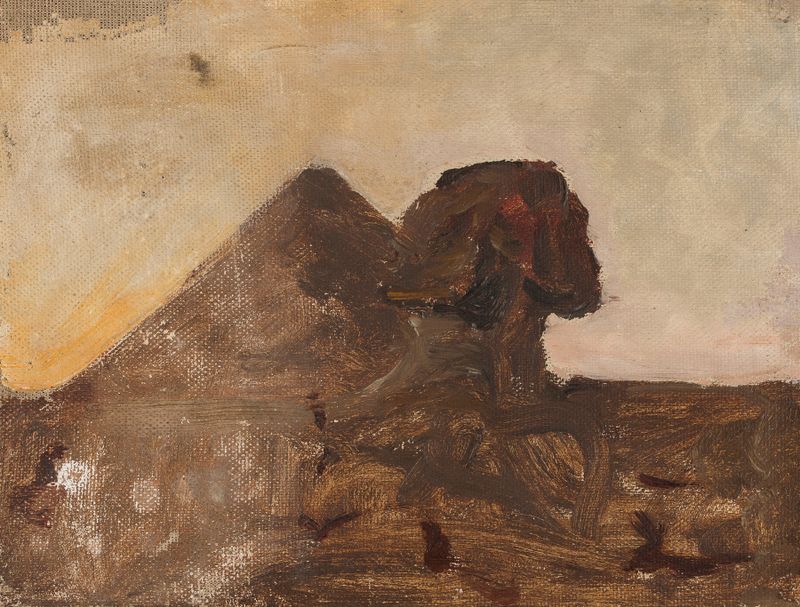
Evening in the desert – Sphinx and pyramid. From the journey to Egypt
Jan Ciągliński





