
Temple of Juno — History & Facts
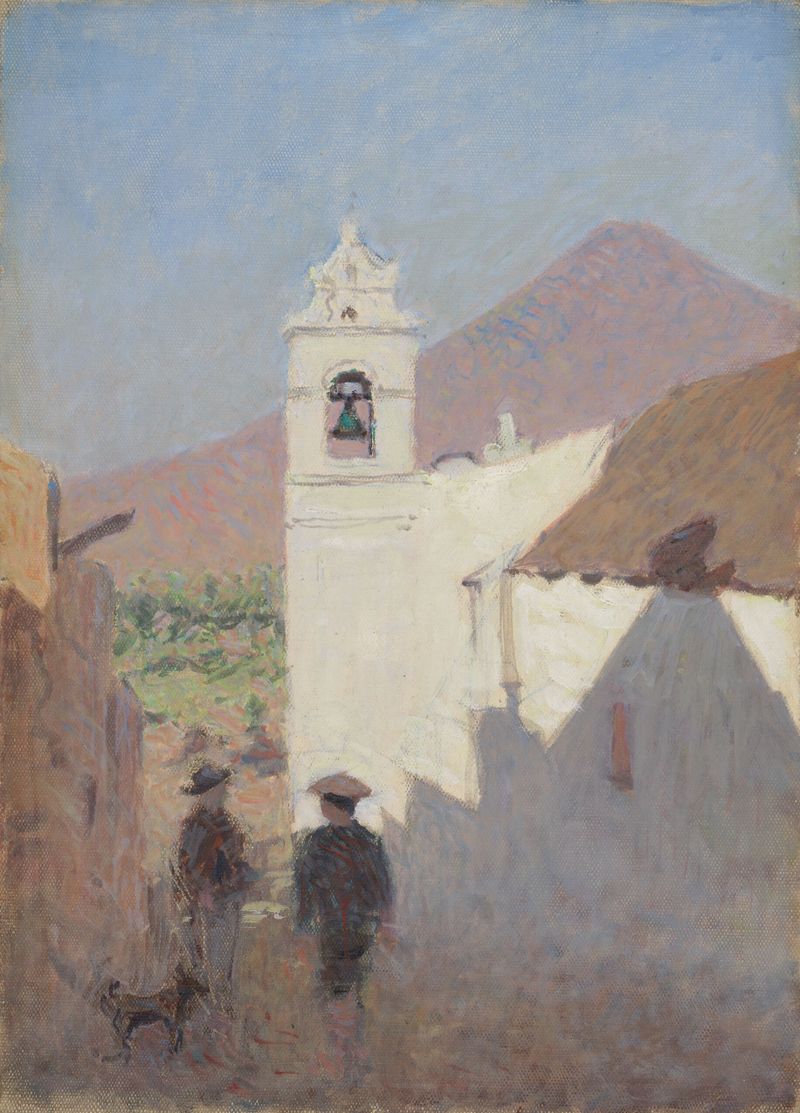
In Temple of Juno, a poignant exploration of grief unfolds, inviting viewers to navigate the complex interplay of emotions layered within the canvas. Each brushstroke resonates with a silent echo of loss, beckoning us to confront what it means to remember and to mourn. Look to the left where a gentle wash of muted greens and soft ochres establishes a tranquil background, almost like a whisper of nostalgia. The temple structure, with its gracefully arched columns, draws the eye to the center, commanding attention with an elegant yet somber presence.
Notice how the light cascades through the columns, illuminating the subtle drapery of vines and flowers, hinting at life thriving amid the stillness. The careful composition and harmonious color palette evoke a sense of both reverence and solitude, as if the viewer is standing within a sacred space. The emotional weight of this piece emerges in the contrast between the vibrant nature surrounding the temple and the stillness of its architecture. This juxtaposition reflects a delicate balance between the inevitability of decay and the persistence of beauty.
Each flower that clings to the stone symbolizes fleeting moments of joy, while the stark columns serve as reminders of the permanence of loss. This tension encapsulates an unspoken narrative—one of memory, longing, and the struggle to find solace in the face of absence. Denman Waldo Ross created Temple of Juno in 1928 during a period of personal reflection and artistic exploration. Living in Boston, he was influenced by the burgeoning American art scene, which grappled with themes of identity and emotion.
The late 1920s were a time of change, both socially and artistically, and this work stands as a testament to Ross's journey through loss, revealing deeper truths hidden within the fabric of color and silence.
More Artworks by Denman Waldo Ross
Browse all →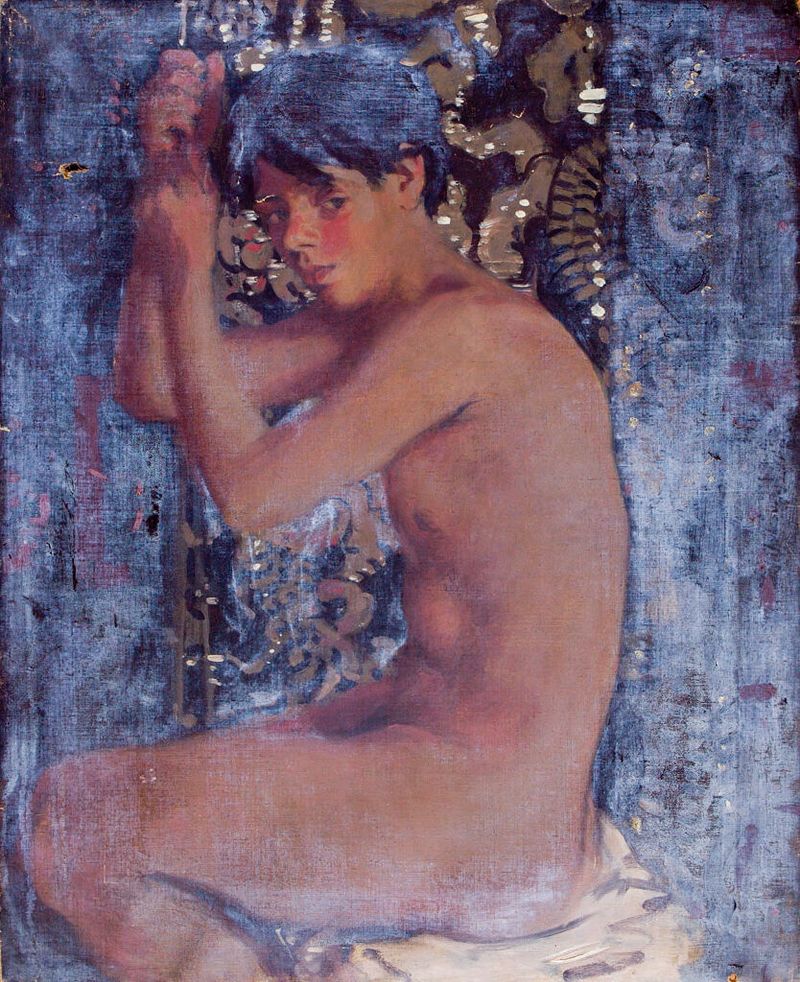
Portrait of a Seated Young Man
Denman Waldo Ross
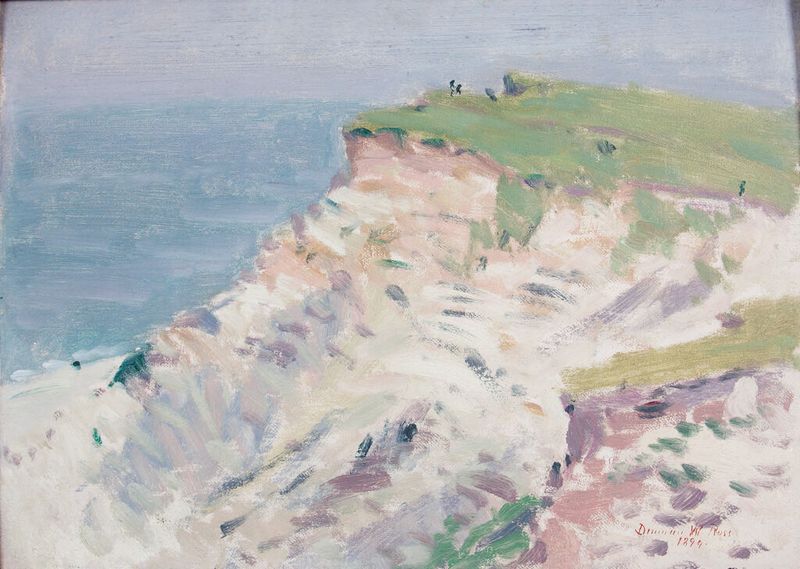
Highland Light, North Truro, Massachusetts
Denman Waldo Ross
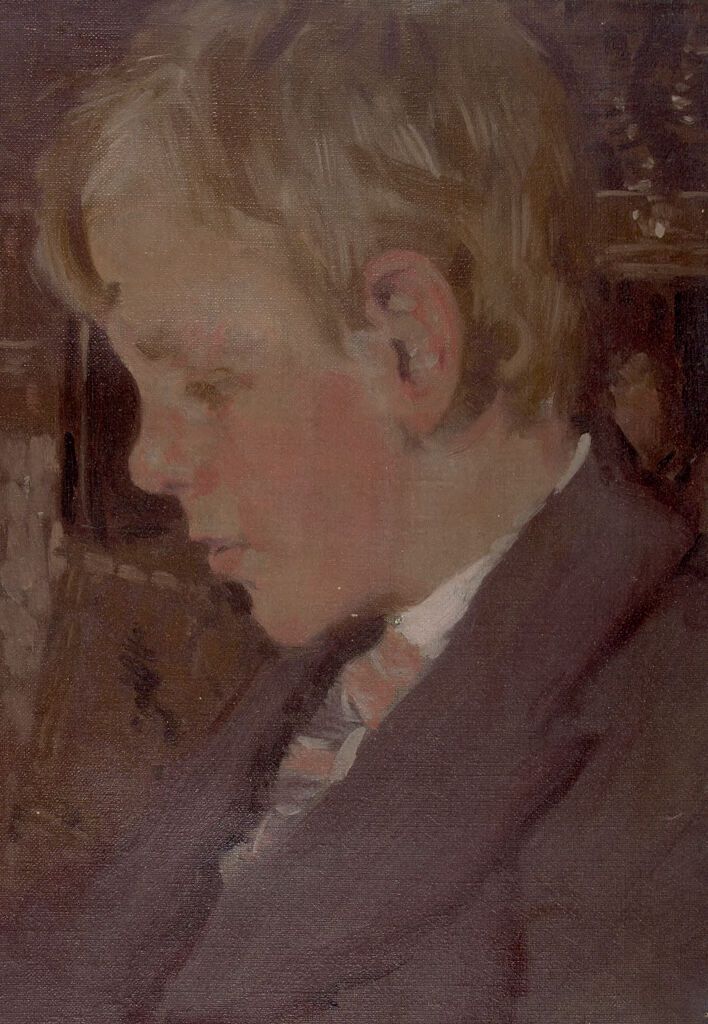
Profile Portrait of a Boy in Suit and Tie
Denman Waldo Ross
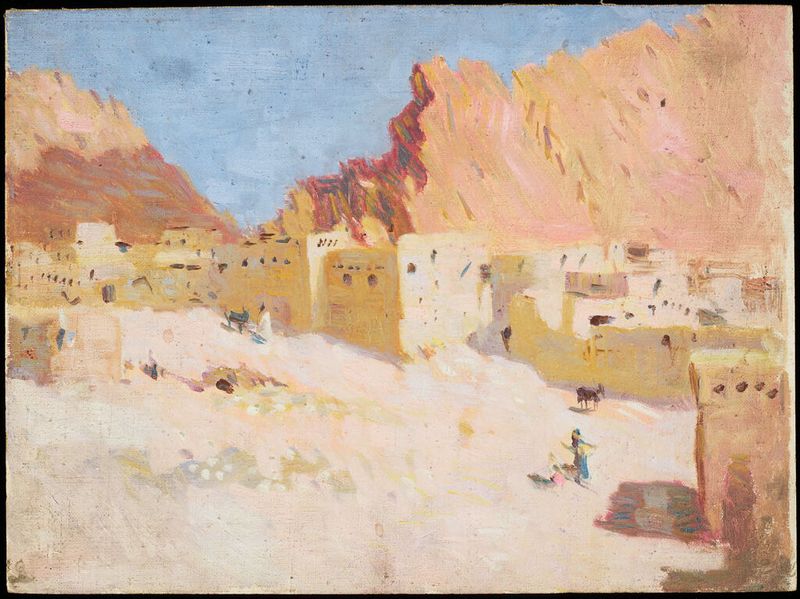
El Kantara, Near Biskra, Algeria
Denman Waldo Ross
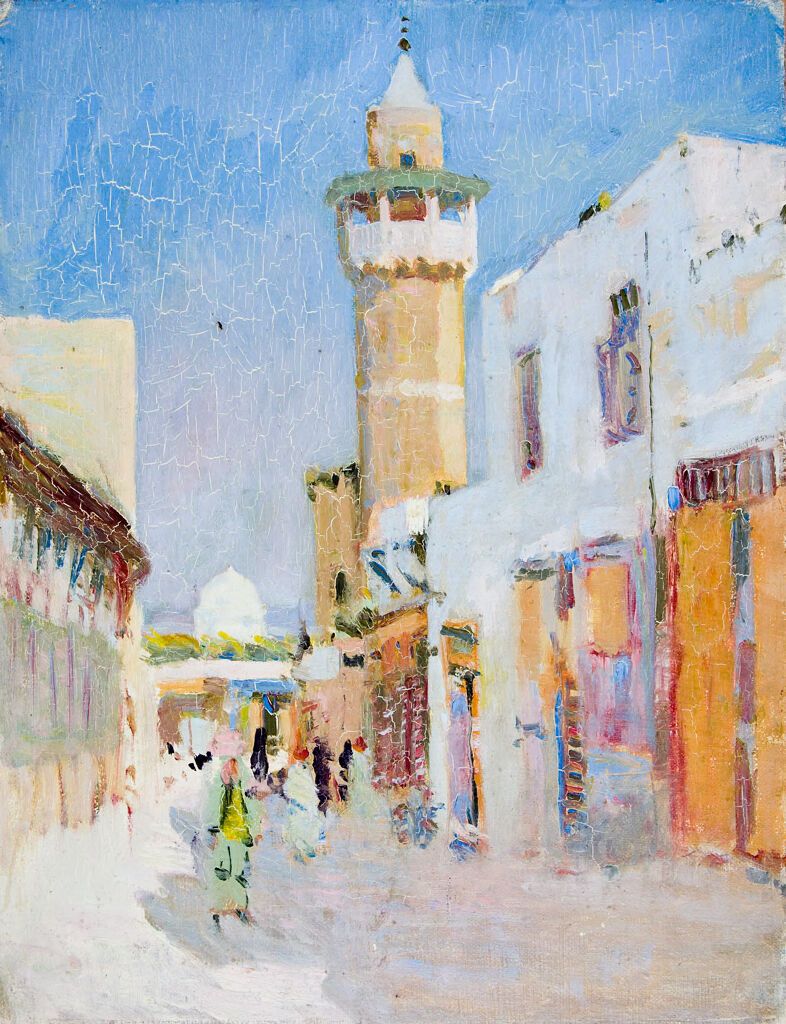
Tunis Street Scene
Denman Waldo Ross
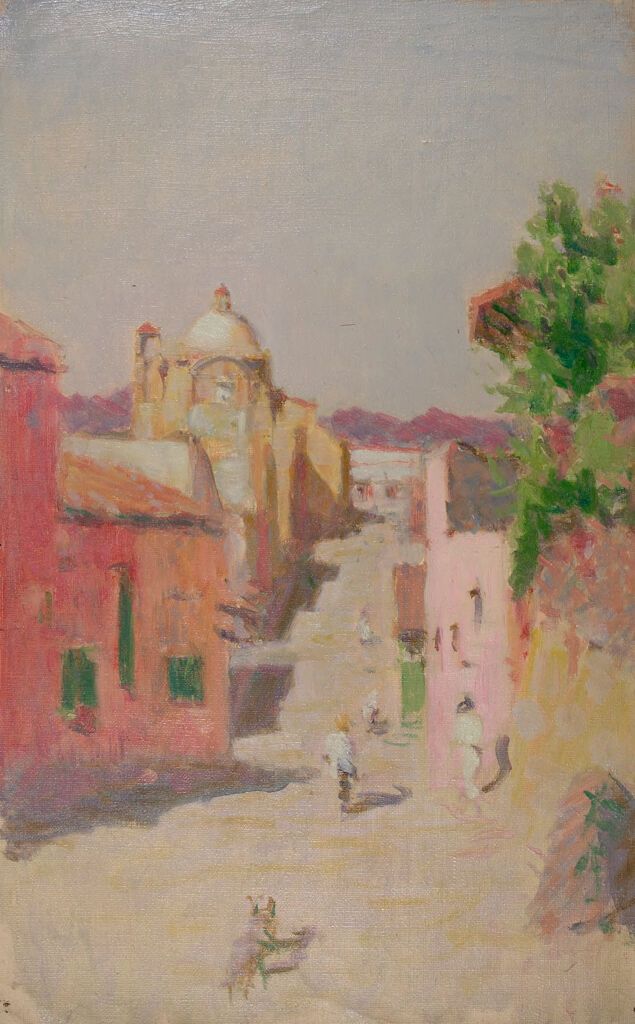
Street Scene with Animal and Figures
Denman Waldo Ross
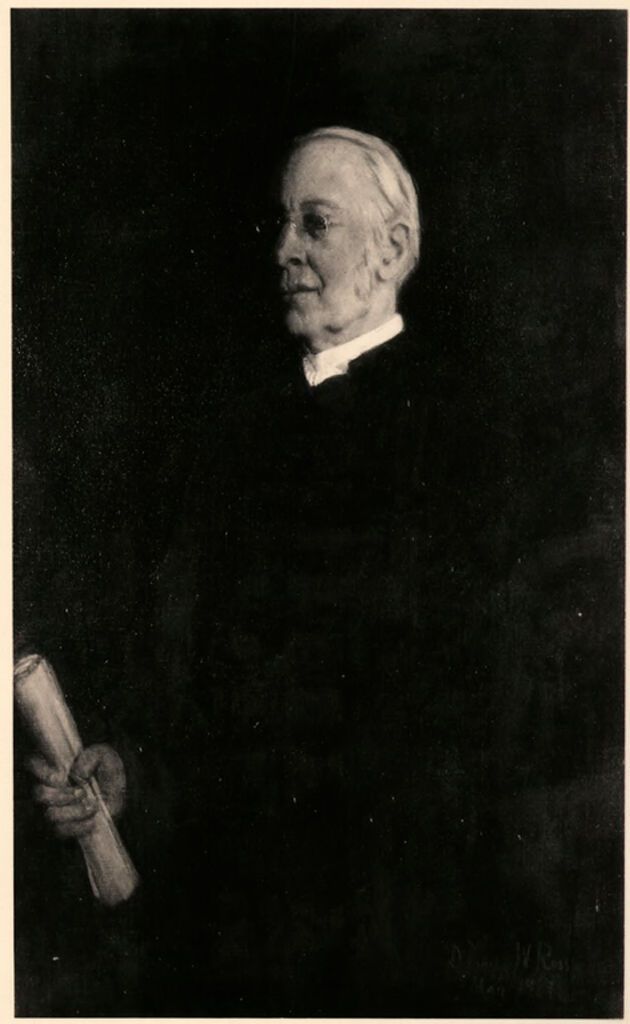
Charles William Eliot (1834-1926)
Denman Waldo Ross
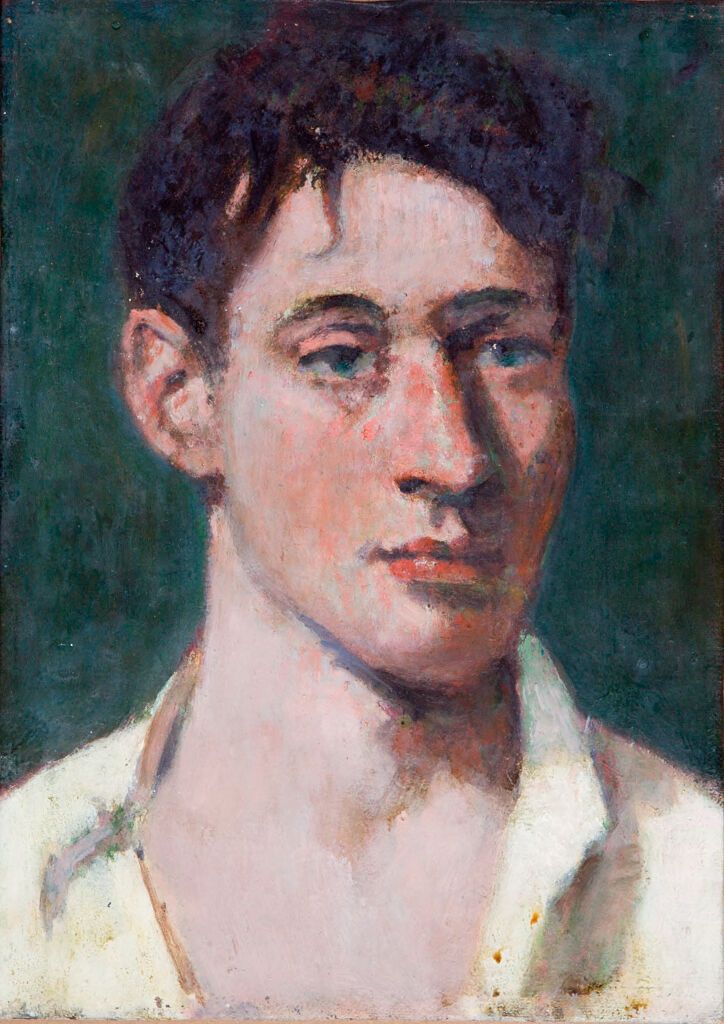
Portrait of a Young Man in White Shirt
Denman Waldo Ross
Village Near Arequipa, Peru
Denman Waldo Ross

York Harbor, Maine
Denman Waldo Ross





