
Temple of Mars Ultor, Rome — History & Facts
Captured in the brushstrokes of the past, we find the remnants of glory, a dialogue between history and memory, beckoning us to reflect on transformation. Look to the foreground, where the ruins of the Temple of Mars Ultor dominate the scene, their ancient stones bathed in soft, golden light. Notice how the warm hues contrast with the cool, shadowy recesses that cradle them, creating a visual narrative of decay and endurance. The artist’s meticulous attention to detail draws your gaze along the fractured columns and crumbling walls, each texture a testament to the passage of time, reminding us of the impermanence inherent in all grandeur. Beneath the surface lies a duality of loss and resilience.
The juxtaposition of the temple’s grandeur with its dilapidation reflects a broader theme of transformation — civilizations rise and fall, yet their stories endure. The interplay of light and shadow not only enhances the physicality of the structure but also evokes emotion, suggesting a haunting beauty in imperfection. Here, the remnants of history invite contemplation on the inevitable decay of all that we deem eternal. James Holland painted this piece between 1840 and 1845, during a period steeped in a fascination with classical antiquity.
Living in England, he was part of a movement that sought to capture the romance of ruins, echoing a growing interest in the stories held within historical landscapes. Amidst the evolving art scene, Holland’s work exemplified a blending of realism with a deeper, almost poignant, appreciation for the transformative power of time.
More Artworks by James Holland
Browse all →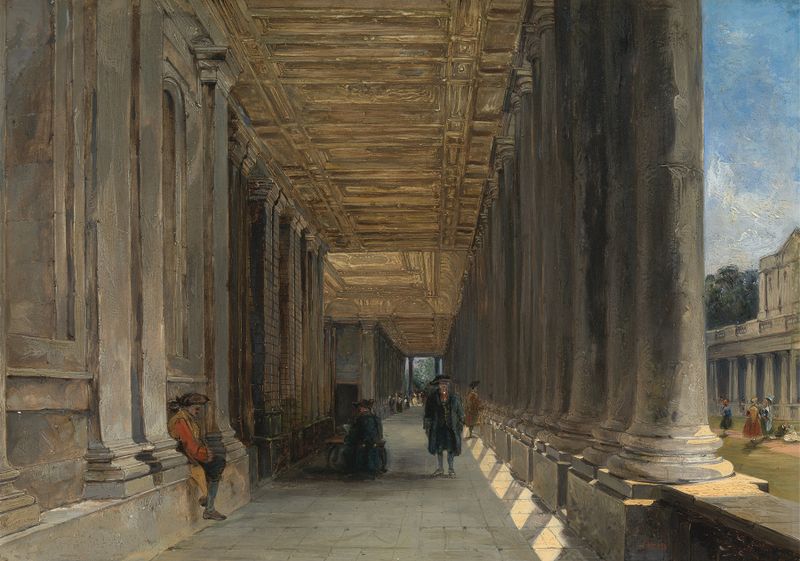
The Colonnade of Queen Mary’s House, Greenwich
James Holland
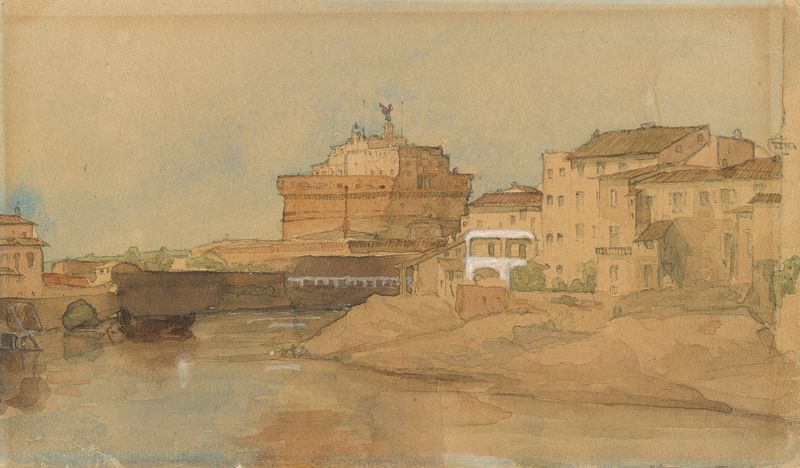
View of Castel Sant’ Angelo from the Tiber
James Holland
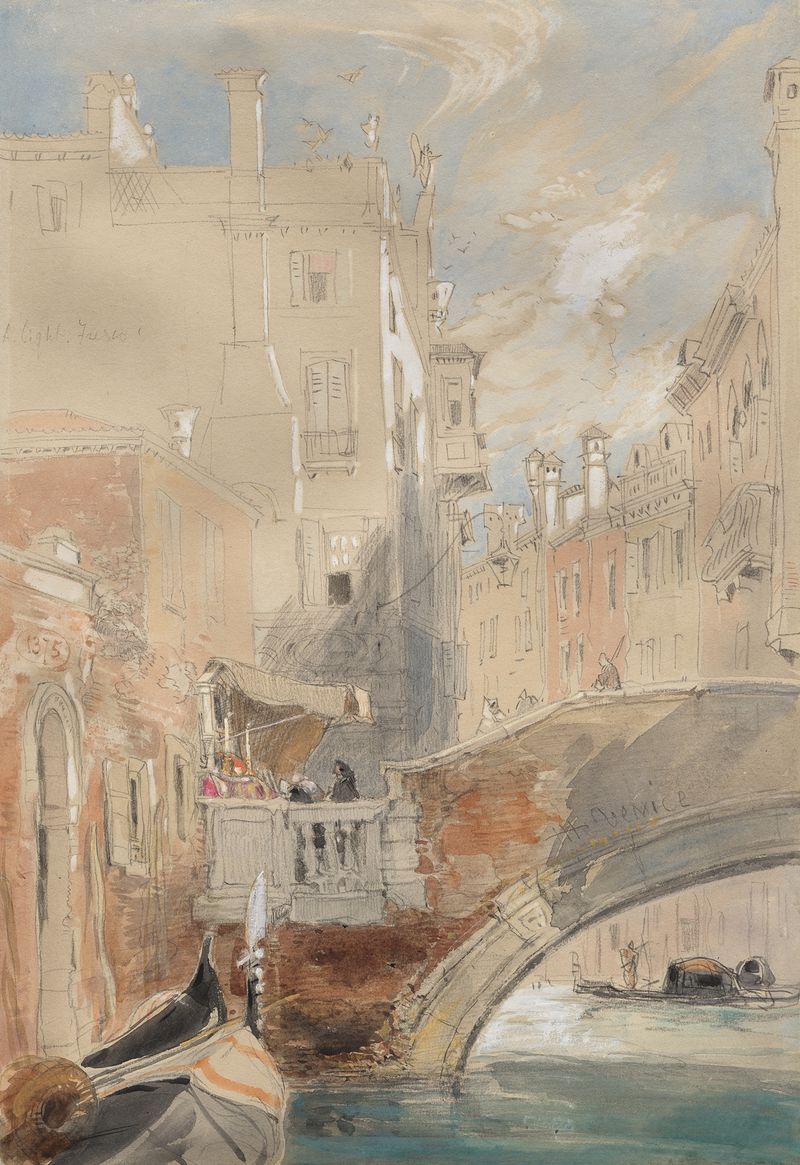
A Canal, Venice
James Holland
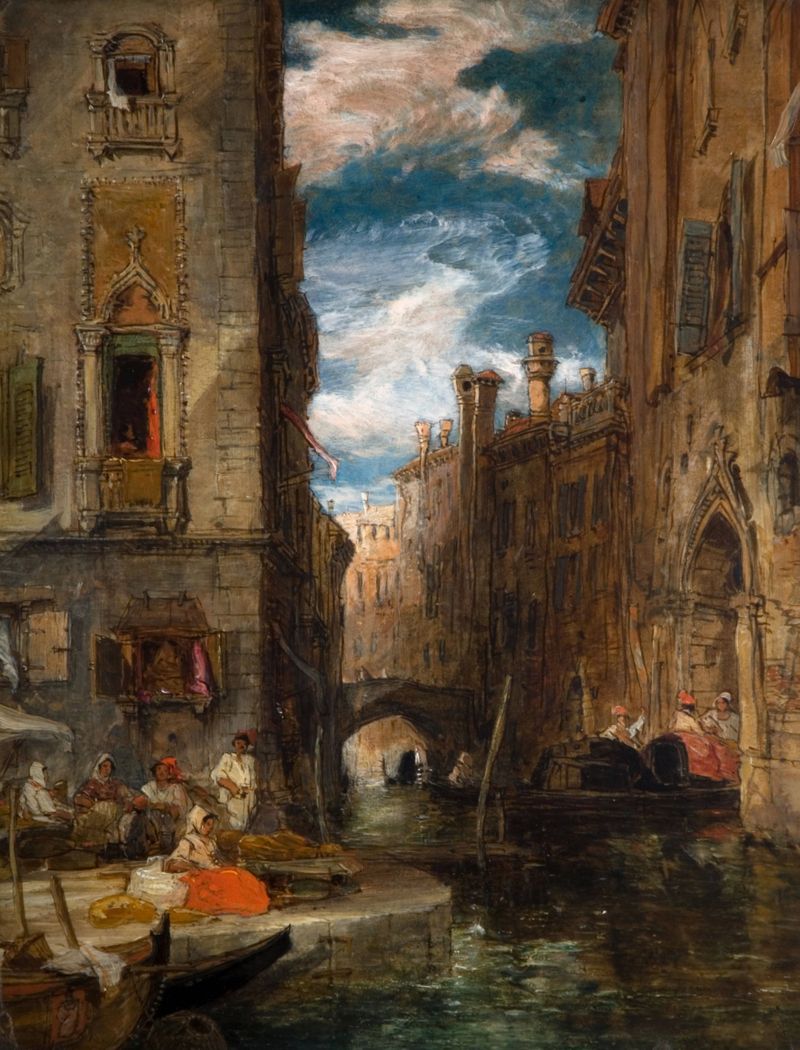
A Recollection Of Venice
James Holland
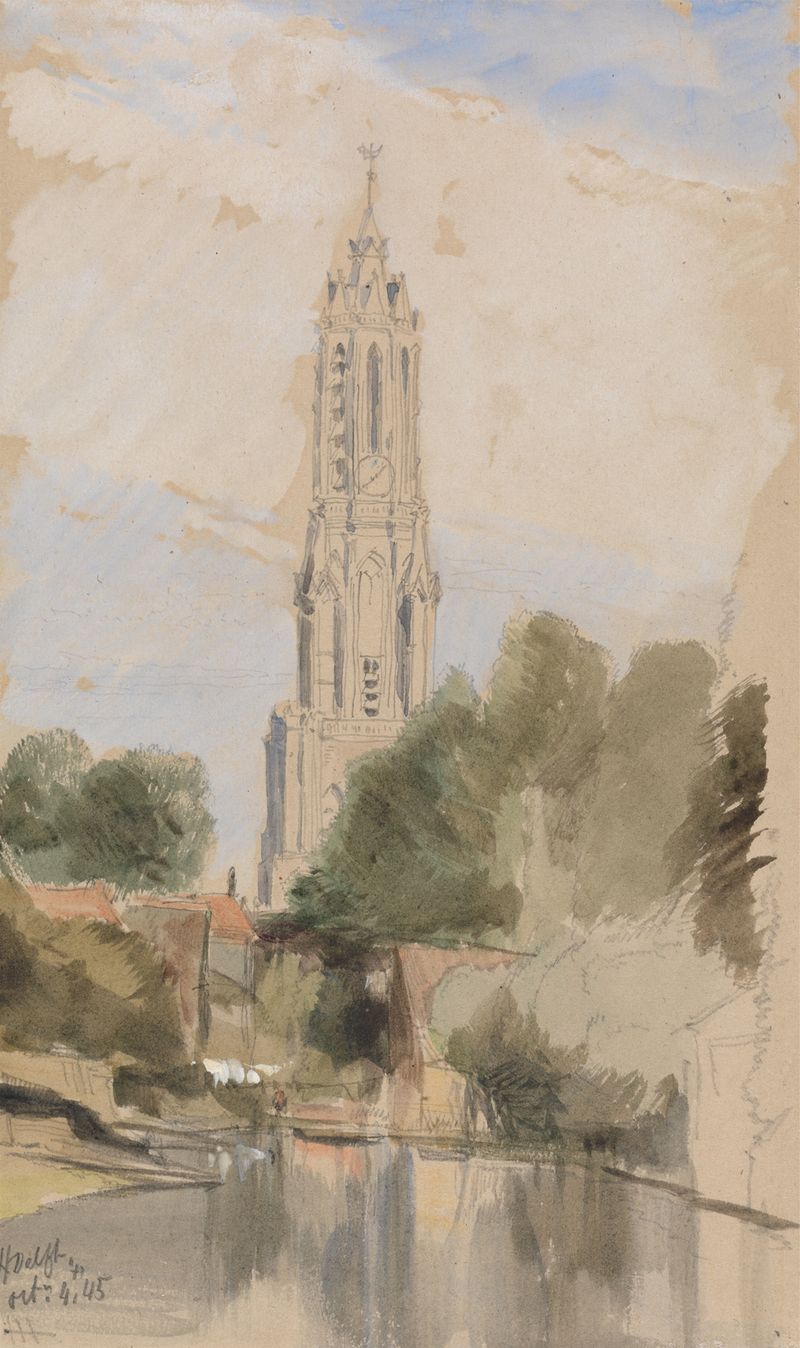
Delft
James Holland
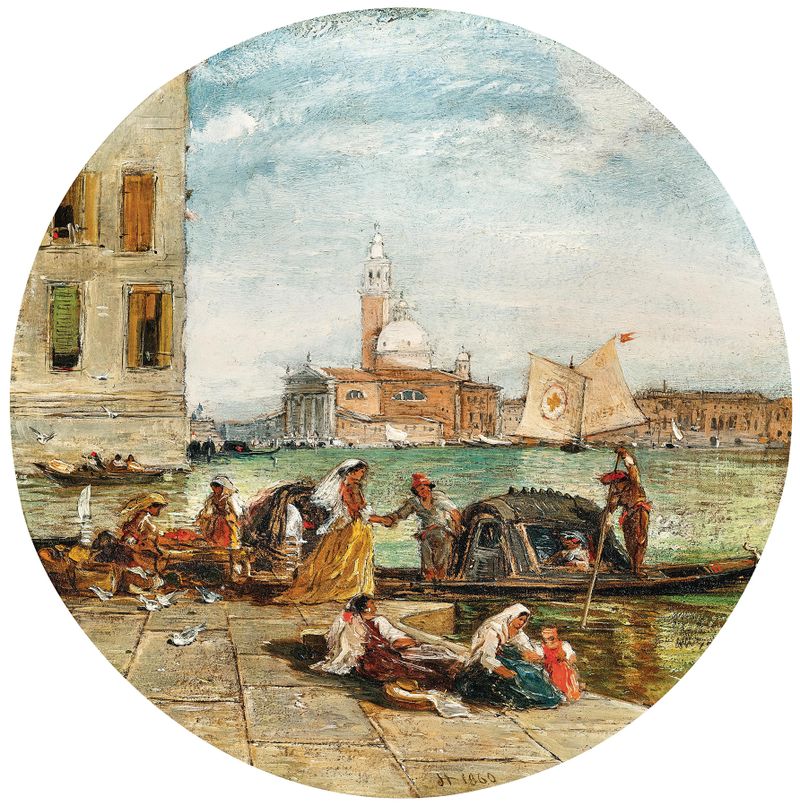
Venice, a view of San Giorgio Maggiore
James Holland
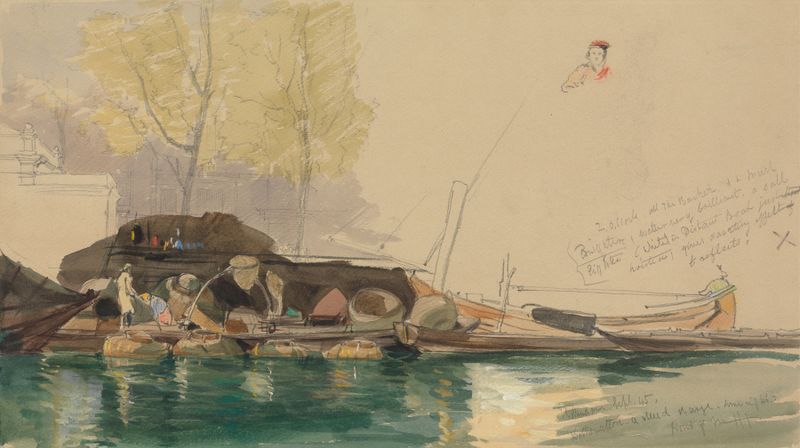
Barges on a Canal in Rotterdam
James Holland

Landschap bij Sintra, Portugal
James Holland
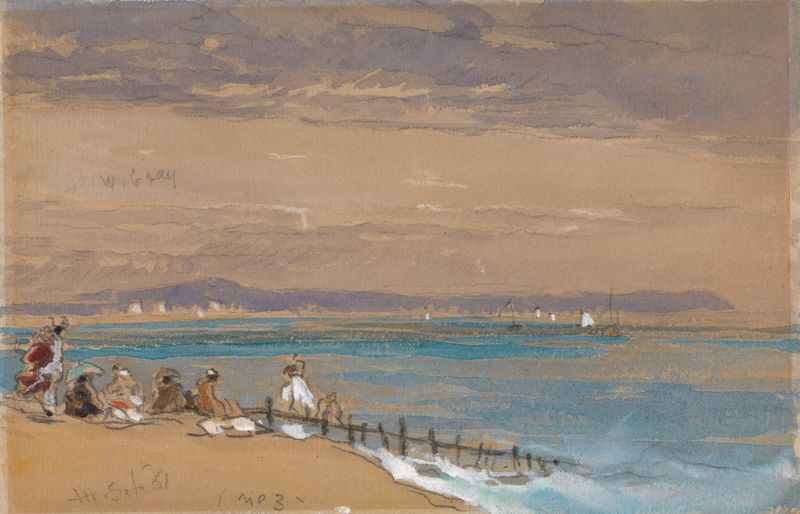
Beach Scene with Figures by a Breakwater
James Holland
Coast Scene with Sailing Boats
James Holland
More Architecture Art
Browse all →
The statue of Liberty
Frédéric Auguste Bartholdi

View of Houses in Delft, Known as ‘The Little Street’
Johannes Vermeer

View of Houses in Delft, Known as ‘The Little Street’
Johannes Vermeer

The Cathedral in Rouen. The portal, Grey Weather
Claude Monet

The yellow house
Vincent van Gogh

The Church in Auvers-sur-Oise, View from the Chevet
Vincent van Gogh