
Tepidarium, Baths of Caracella — History & Facts
What secret hides in the quiet of the canvas? Beneath its serene surface lies a profound reflection on loss, enshrined in the remnants of a bygone era. Look to the left at the intricate arches that rise majestically, their once vibrant colors now dulled by time. The soft, golden light streams through cracks in the stone, illuminating the dust motes that dance silently in the air. Notice how the artist captures the texture of the weathered walls, each crease a testament to the passage of time, inviting the viewer to contemplate both beauty and decay in this hallowed space. Yet, beyond the architectural reverence, deeper emotions dwell within the shadows.
The stillness of the vacant chambers suggests a profound silence where voices once echoed, hinting at the grandeur that has faded into memory. This space, once alive with human connection and energy, now stands as a poignant reminder of what has been lost—a sanctuary of joy transformed into a mausoleum of solitude. In 1925, the artist found himself in a post-war Europe, grappling with the remnants of a fractured society. Painting Tepidarium, Baths of Caracalla, he sought to convey both the beauty of history and the melancholy of its inevitable decline.
Engaged in a moment when modernity clashed with the vestiges of the past, this work encapsulates the tension between nostalgia and the relentless march of time.
More Artworks by David Young Cameron
Browse all →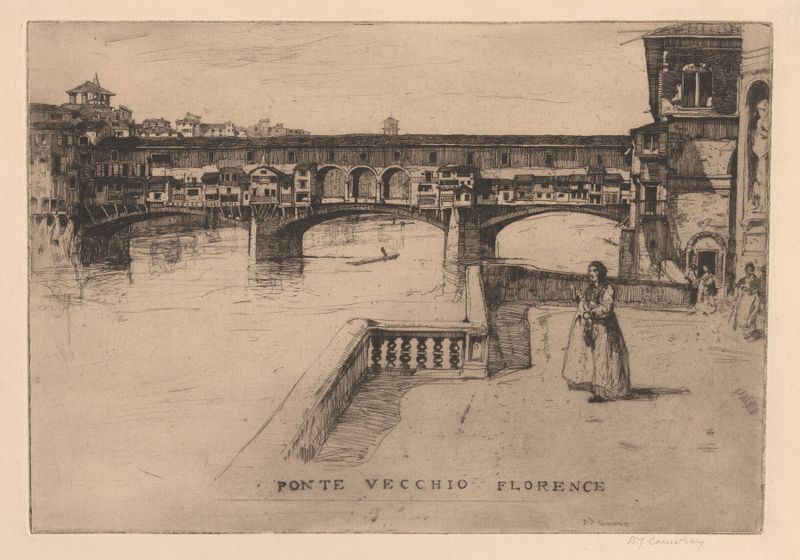
Ponte Vecchio
David Young Cameron

The Deanery, Winchester
David Young Cameron
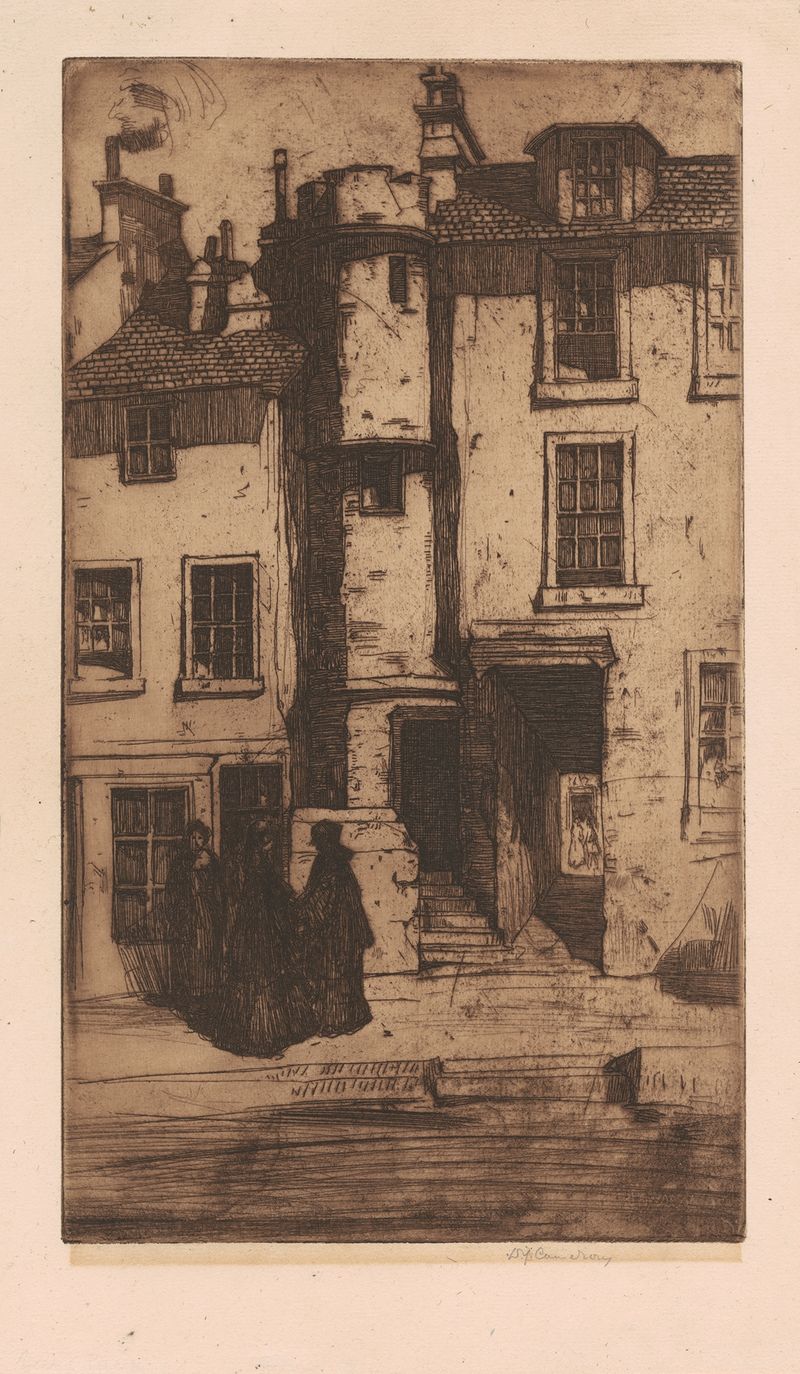
Old Houses, Stirling
David Young Cameron
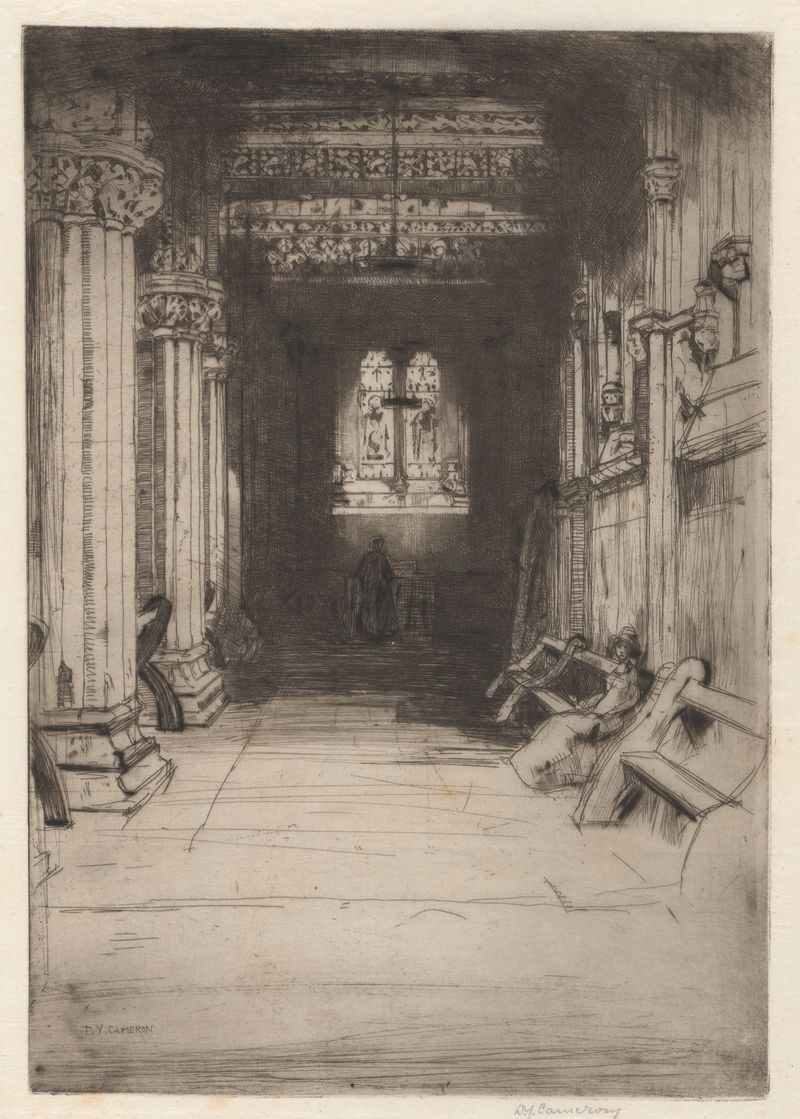
Rosslyn Chapel
David Young Cameron

The Old Museum, Beauvais
David Young Cameron
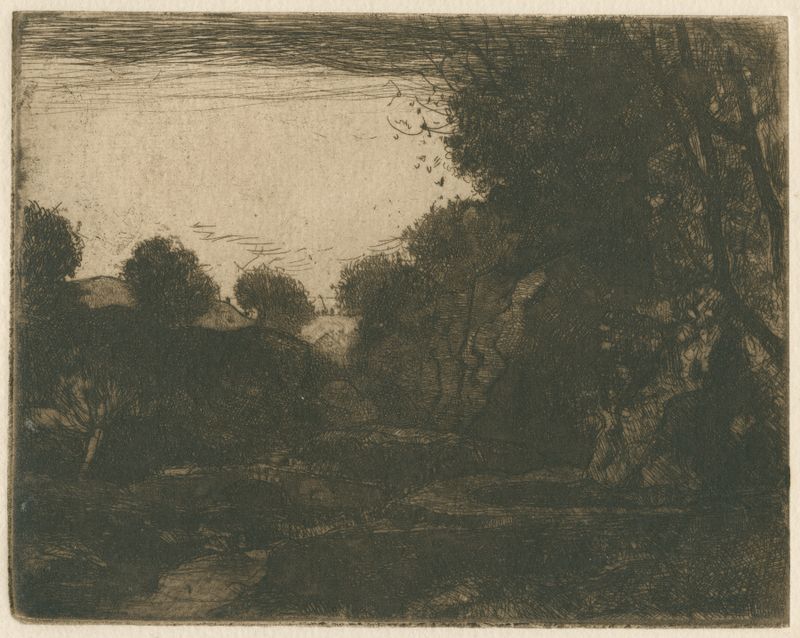
On the Bradford
David Young Cameron

The Smithy
David Young Cameron
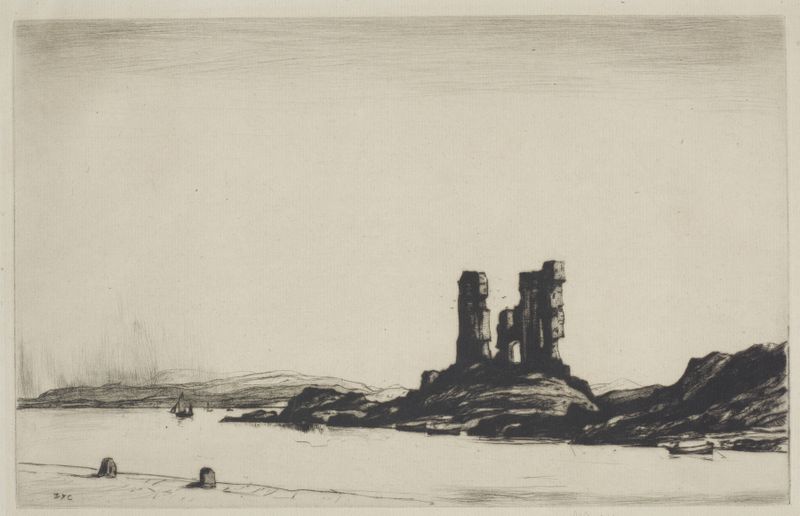
Castle Moyle
David Young Cameron
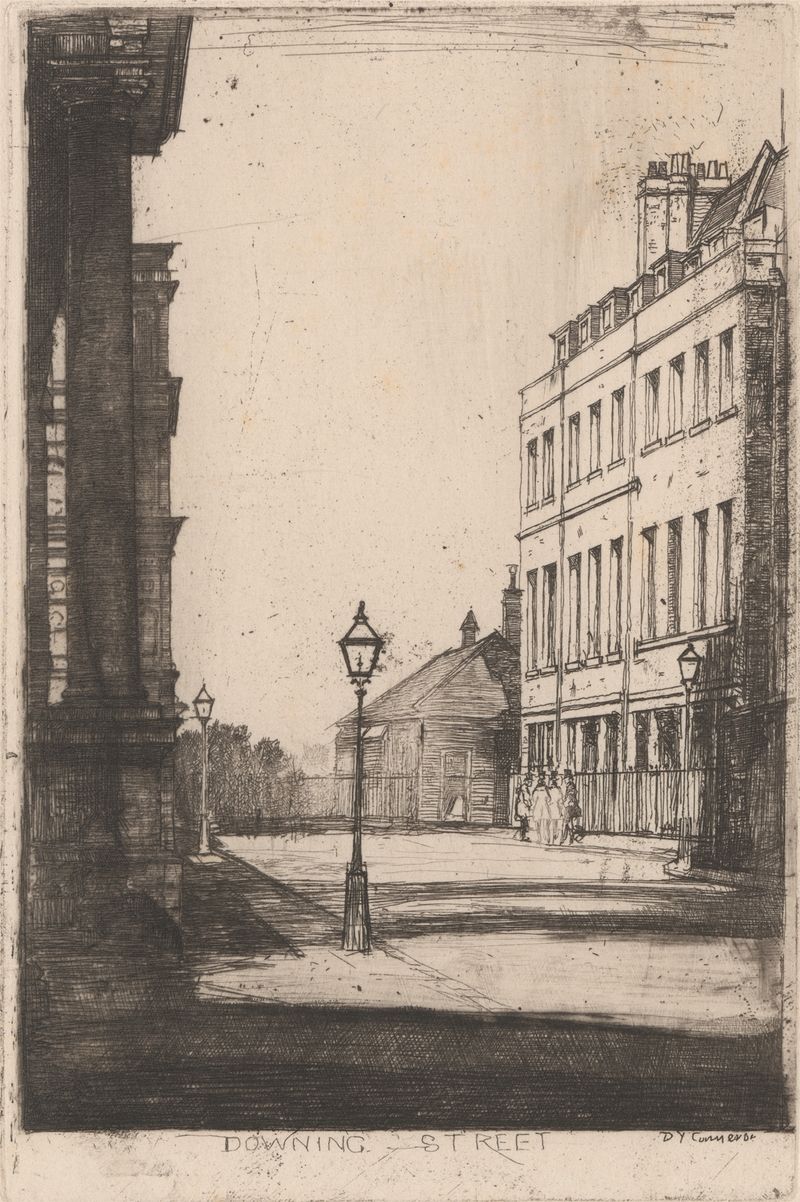
Downing Street
David Young Cameron

Glasgow Cathedral
David Young Cameron
More Architecture Art
Browse all →
The statue of Liberty
Frédéric Auguste Bartholdi

View of Houses in Delft, Known as ‘The Little Street’
Johannes Vermeer

View of Houses in Delft, Known as ‘The Little Street’
Johannes Vermeer

The Cathedral in Rouen. The portal, Grey Weather
Claude Monet

The yellow house
Vincent van Gogh

The Church in Auvers-sur-Oise, View from the Chevet
Vincent van Gogh