Terceira — History & Facts
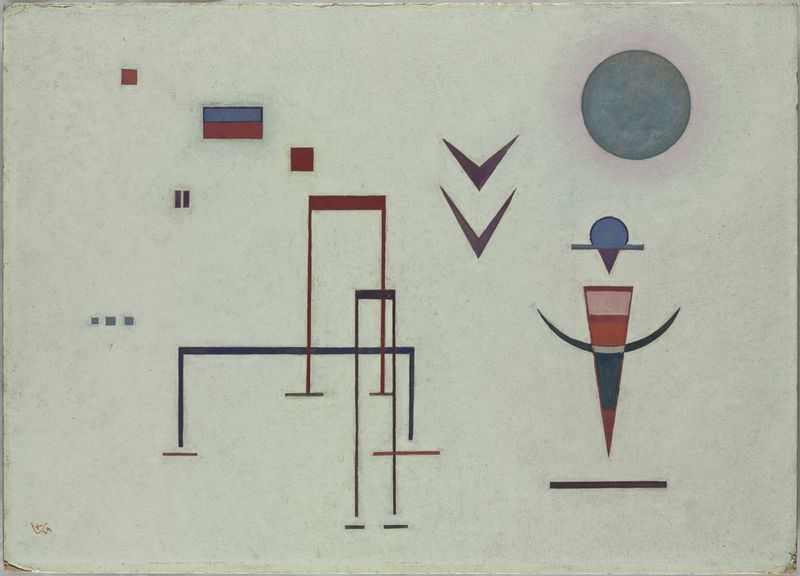
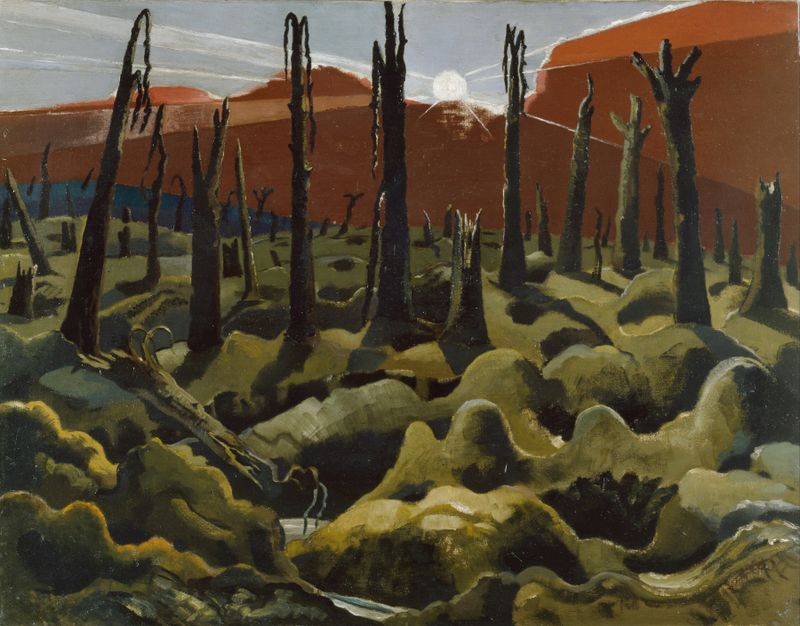
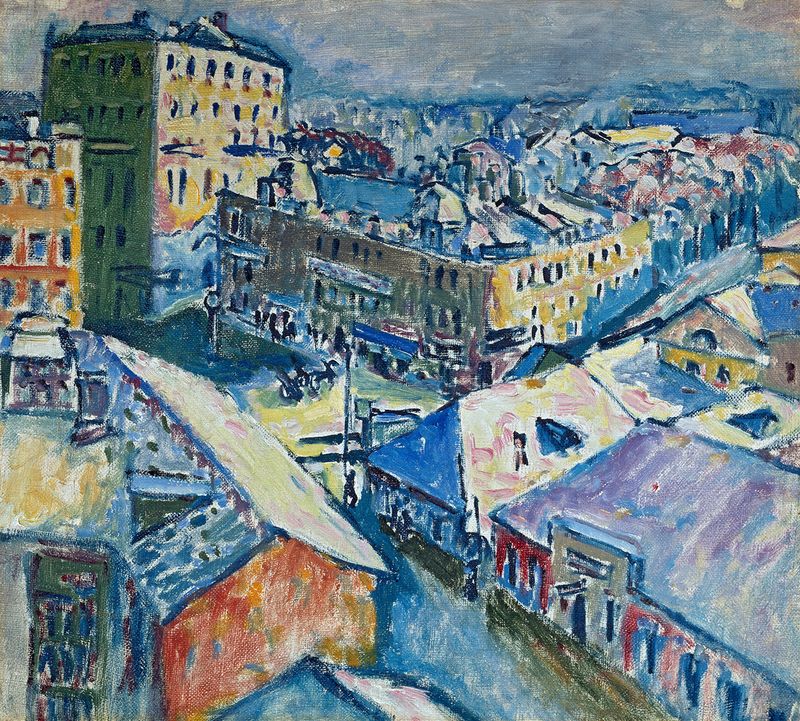
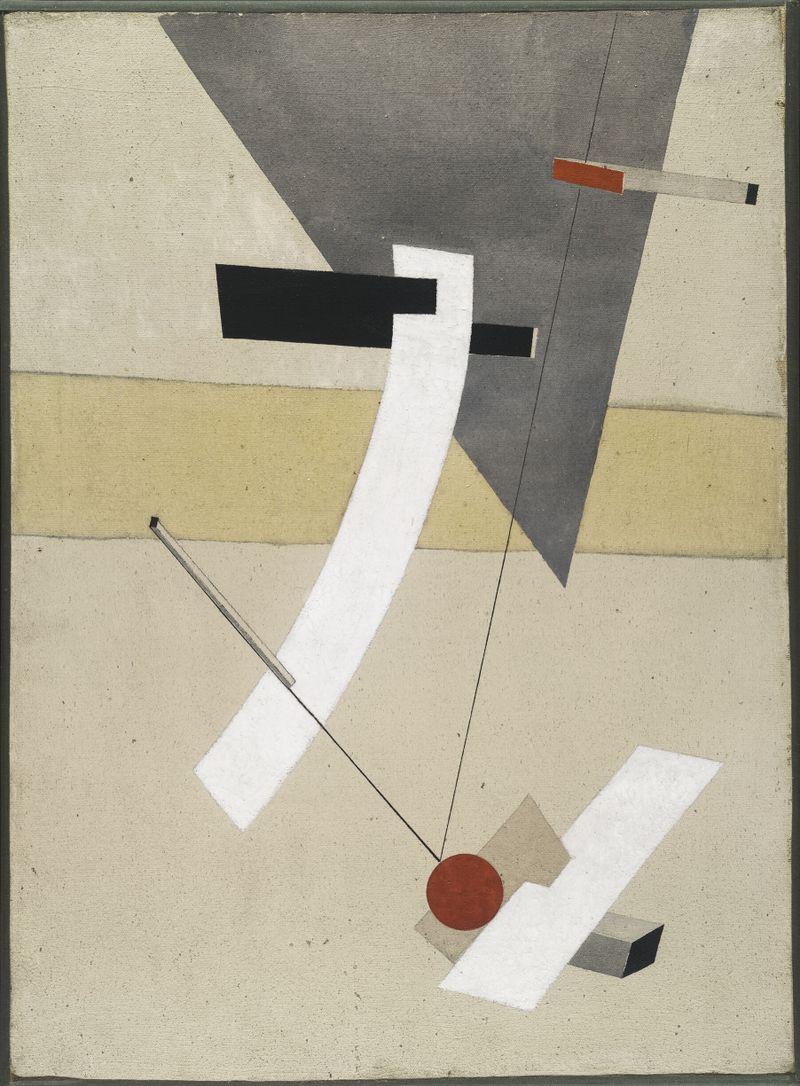
When did color learn to lie? In a world where vivid hues often mask reality, Terceira confronts the viewer with a dissonance that stirs the psyche and invites introspection. Focus on the intense burst of color in the foreground, where vibrant greens and deep blues clash amidst the fragmented forms. The brushstrokes are both chaotic and deliberate, leading the eye through a labyrinth of emotion. Notice how the light dances unevenly across the canvas, illuminating certain areas while shrouding others in shadow, creating a sense of unease and inviting a closer examination of the interplay between clarity and obscurity. Beneath the surface, this work resonates with themes of madness and the fragility of perception.
The disjointed elements suggest a narrative that teeters on the brink of coherence, reflecting the tumultuous nature of the human experience. The juxtaposition of vivid colors and the chaotic composition evokes a feeling of disorientation, challenging the viewer to question their own interpretations and the reliability of what is seen. Created during a time of burgeoning Romanticism, this piece represents Charles Hamilton Smith's exploration of emotion and nature. Although the exact date remains uncertain, it arises amidst a growing fascination with the sublime and the chaotic forces of the natural world.
As artists began to delve deeper into the complexities of human emotion, works like this one stood at the intersection of reality and imagination, echoing the societal shifts of a world in flux.
More Artworks by Charles Hamilton Smith
Browse all →
Situation of H.M.S. Hecla & Griper
Charles Hamilton Smith
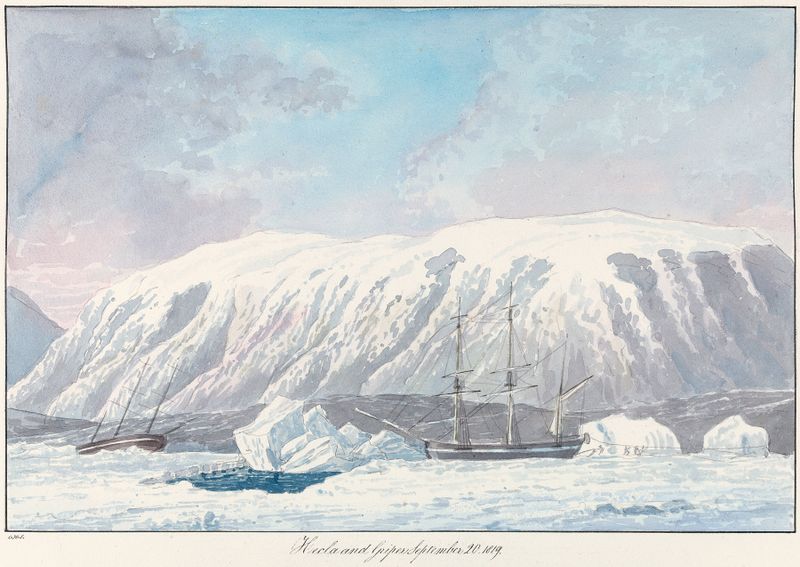
Hecla and Griper
Charles Hamilton Smith

Friendly Cove, Nootka Sound
Charles Hamilton Smith

Iceberg in Baffin’s Bay
Charles Hamilton Smith
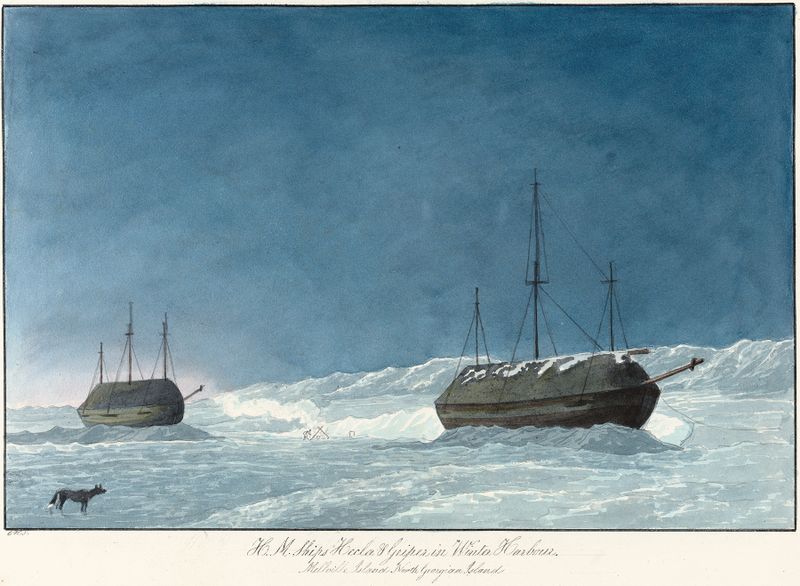
H. M. Ships Hecla and Griper in Winter Harbour
Charles Hamilton Smith

The Erebus & Terror in a Gale in the Pack of the Ice
Charles Hamilton Smith
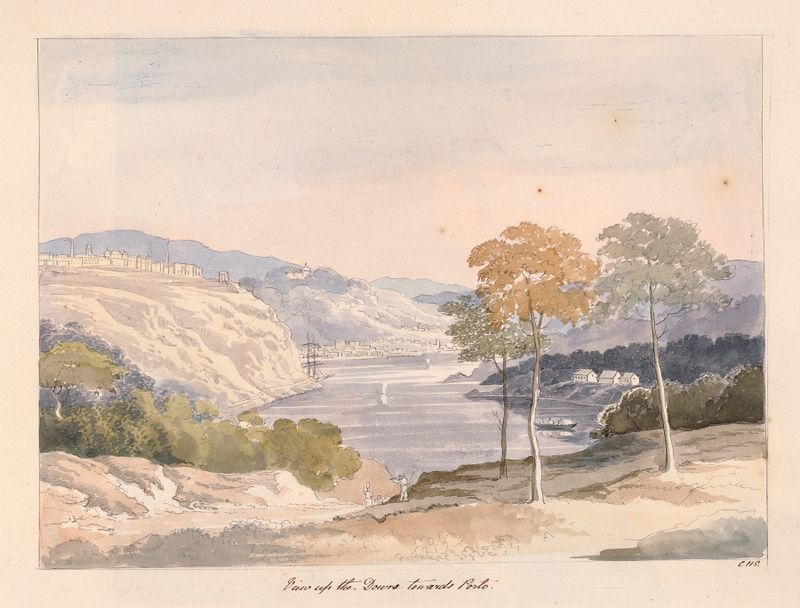
View of the Douro towards Porto
Charles Hamilton Smith
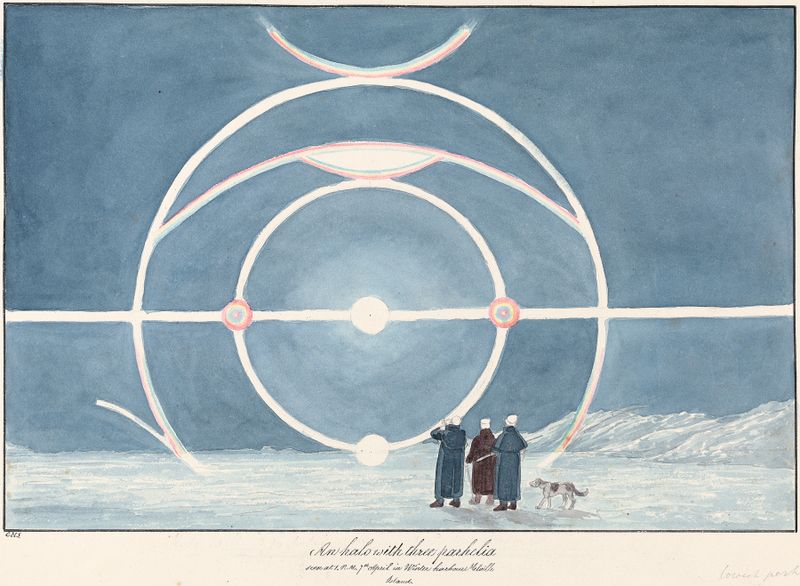
Halo with Three Parhelia, Winter Harbour Melville Island
Charles Hamilton Smith
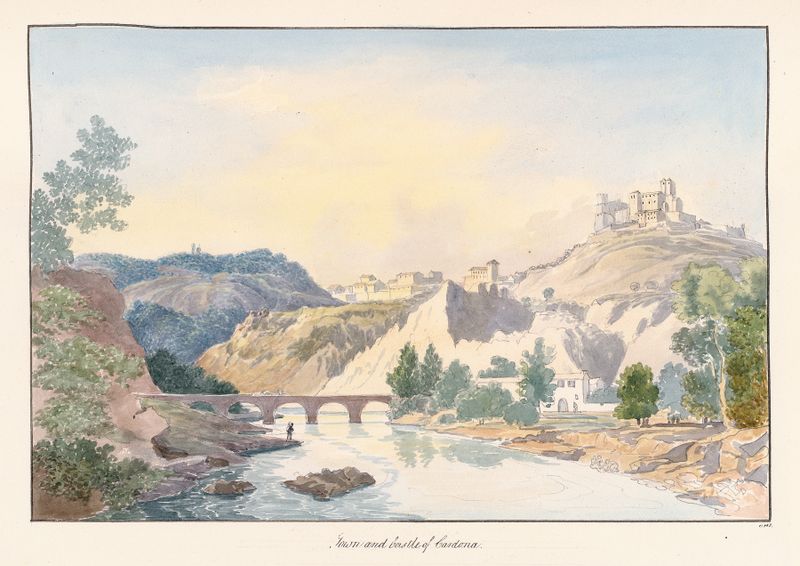
Town and Castle of Cardona
Charles Hamilton Smith
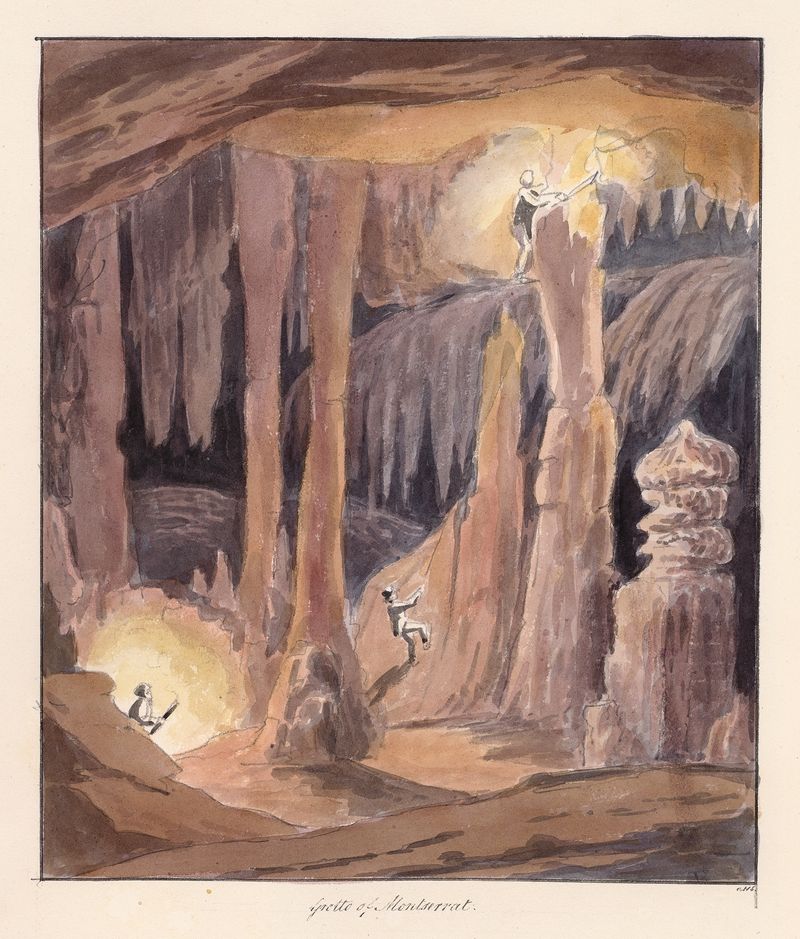
Grotto of Montserrat
Charles Hamilton Smith