
Terrace, Vizcaya — History & Facts
Could beauty survive in a century of chaos? In Terrace, Vizcaya, the vibrant colors saturate the canvas, whispering of serenity amidst the tumult of the world outside. Look to the left at the verdant foliage, lush and inviting, where thick greens meld with soft, warm oranges of sunlight. The delicate play of light—casting intricate shadows and highlighting textures—draws you deeper into the scene, inviting you to explore the ornate details of the terrace. Notice how the cool blue of the sky and the terracotta hues of the architecture harmonize, creating a visual dialogue that evokes warmth and solace. Yet beneath the apparent tranquility lies an undercurrent of tension.
The juxtaposition of the lively garden against the stillness of the terrace suggests a moment frozen in time, where nature thrives while humanity contemplates. The subtle contrast between the vibrant colors and the muted tones of the figures in the foreground encapsulates a world caught between the chaos of existence and the allure of beauty. Each brushstroke reveals a dialogue between serenity and the inevitable passage of time. In 1917, John Singer Sargent painted this piece during a tumultuous period marked by World War I.
Residing in Europe, he grappled with the shifting tides of modernity in art, moving away from the traditional portraiture for which he was renowned. This work reflects a search for refuge and beauty, a sanctuary in the face of instability, showcasing the emotional depth that Sargent could summon even in challenging times.
More Artworks by John Singer Sargent
Browse all →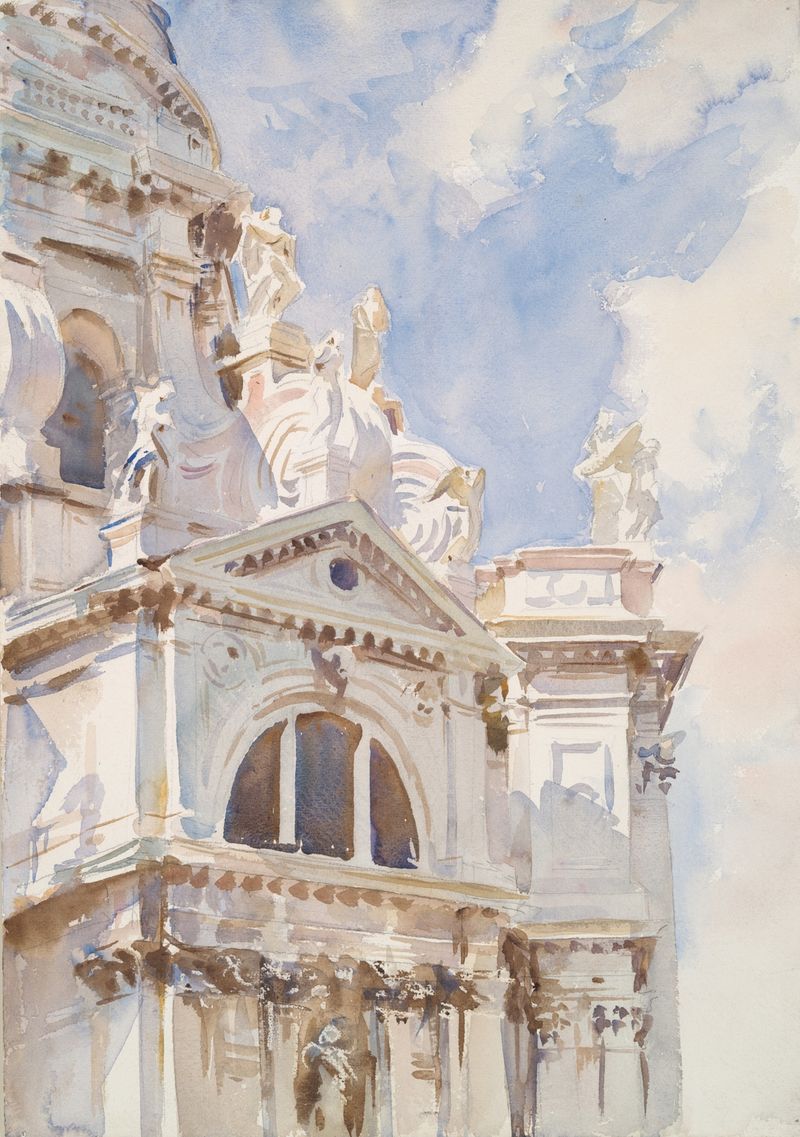
The Salute, Venice
John Singer Sargent

Mrs. Charles Deering (Marion Denison Whipple)
John Singer Sargent
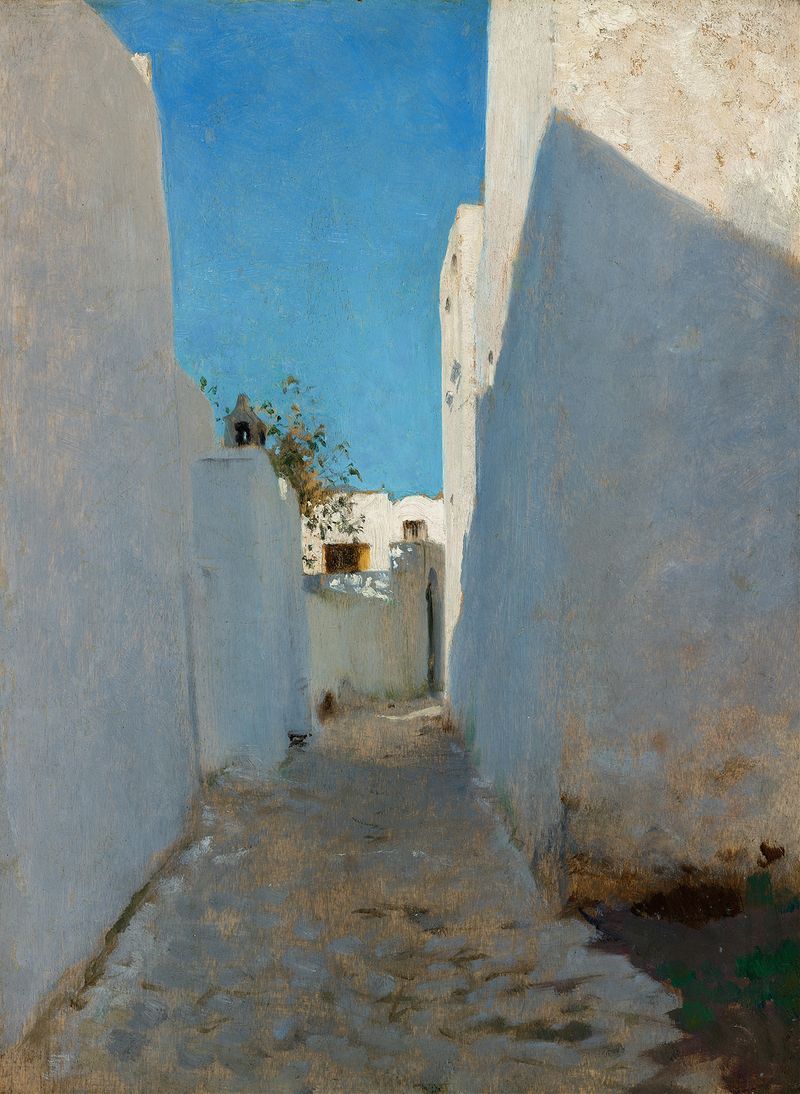
A Moroccan Street Scene
John Singer Sargent
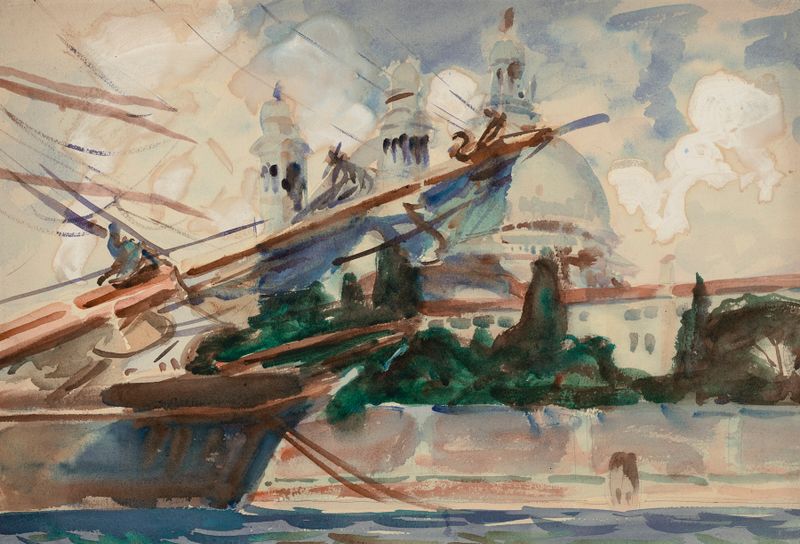
The Salute, Venice
John Singer Sargent
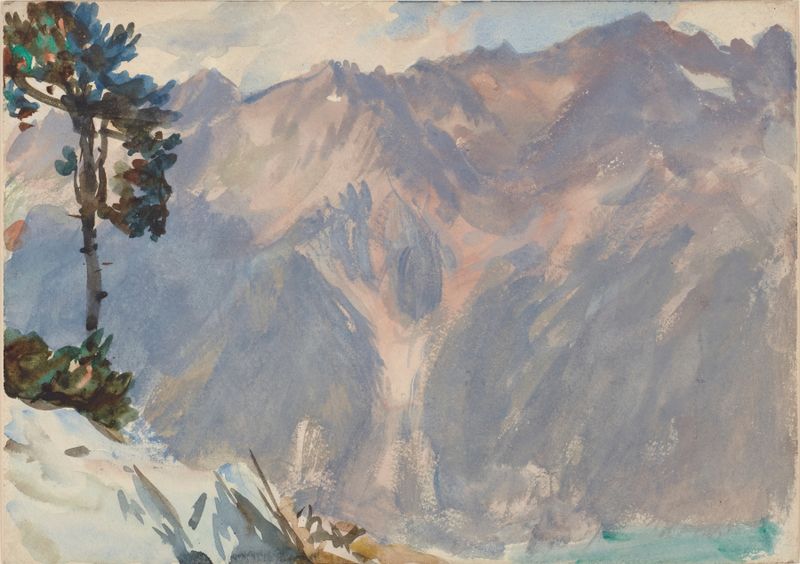
Tyrol
John Singer Sargent
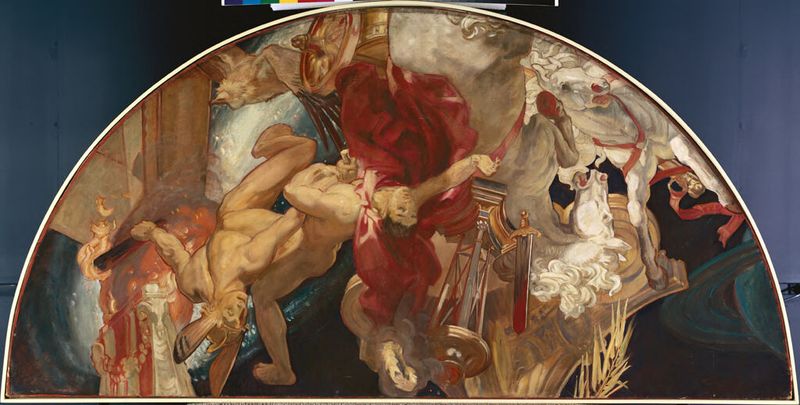
Study for "Gog and Magog," for the Boston Public Library
John Singer Sargent
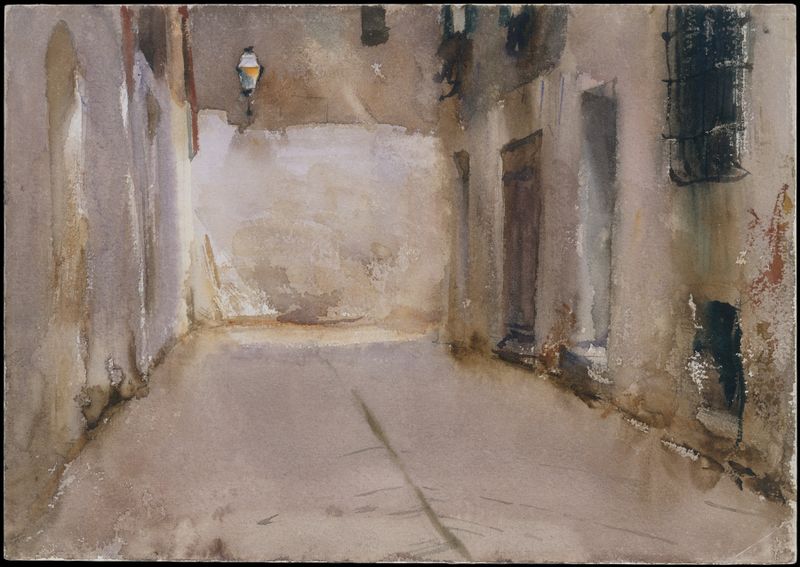
Venice
John Singer Sargent
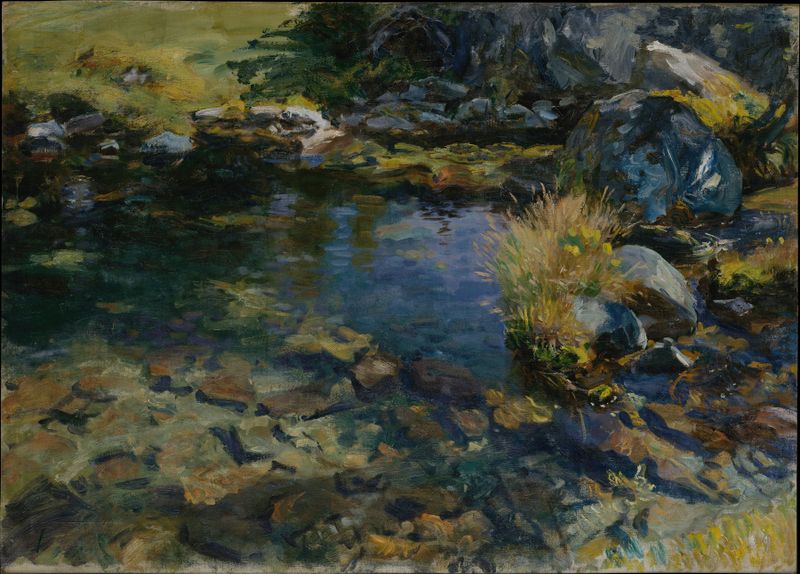
Alpine Pool
John Singer Sargent
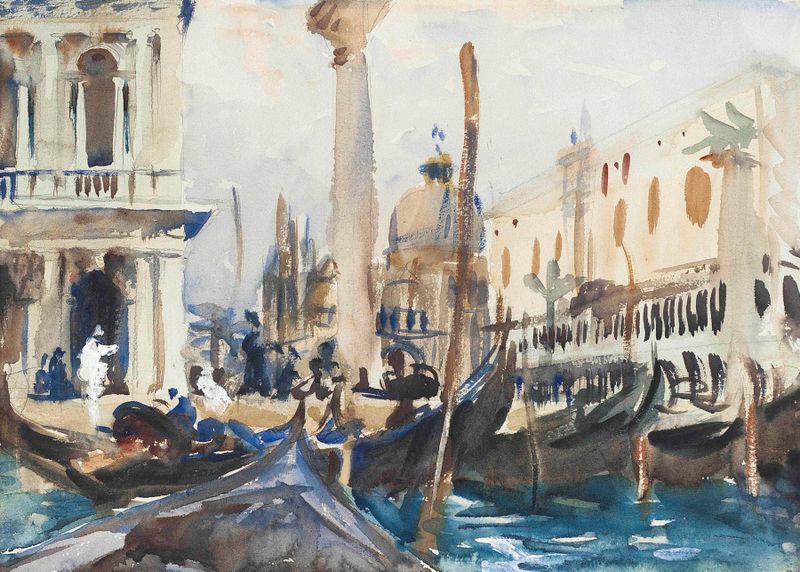
The Piazzetta with Gondolas
John Singer Sargent
The Façade of La Salute, Venice
John Singer Sargent





