Terrine met blad- en bloemslingers. — History & Facts
In a world where nature intertwines with craftsmanship, the beauty of truth is revealed through delicate artistry. Each curve and color whispers secrets of a bygone era, inviting contemplation on the relationship between form and function. Look closely at the terrine's ornate floral decoration, where vivid greens and soft pastels dance harmoniously across the surface. Notice how the intricate leaf and flower motifs gracefully wrap around its body, creating a sense of movement and life.
The glaze reflects light in a way that enhances the texture, allowing you to feel the elegance of each stroke. The contrast between the softness of the natural designs and the sturdy ceramic form speaks to an emotional balance — a celebration of the harmony achieved in craftsmanship. Yet, beneath the surface, a deeper narrative unfolds. The choice of motifs — perhaps a nod to the seasonal changes or the passage of time — evokes a sense of nostalgia, urging the viewer to reflect on their connection to nature and domesticity.
The meticulous attention to detail reveals a yearning for permanence in an ever-changing world, while the terrine itself stands as a testament to the merging of art and utility, blurring the lines of decoration and purpose. Crafted between 1774 and 1784, this piece emerged from the thriving environment of the Dutch ceramics industry in Oud-Loosdrecht. During this period, artists sought to elevate everyday objects through artistry, reflecting the Enlightenment’s influence on aesthetics and social values. As the world changed around them, artisans like those behind this terrine embraced the notion that beauty could indeed be functional, redefining artistic expression within the confines of domestic life.
More Artworks by Manufacture Oud-Loosdrecht
Browse all →
Tea service
Manufacture Oud-Loosdrecht

Vaas met deksel, beschilderd met putti
Manufacture Oud-Loosdrecht
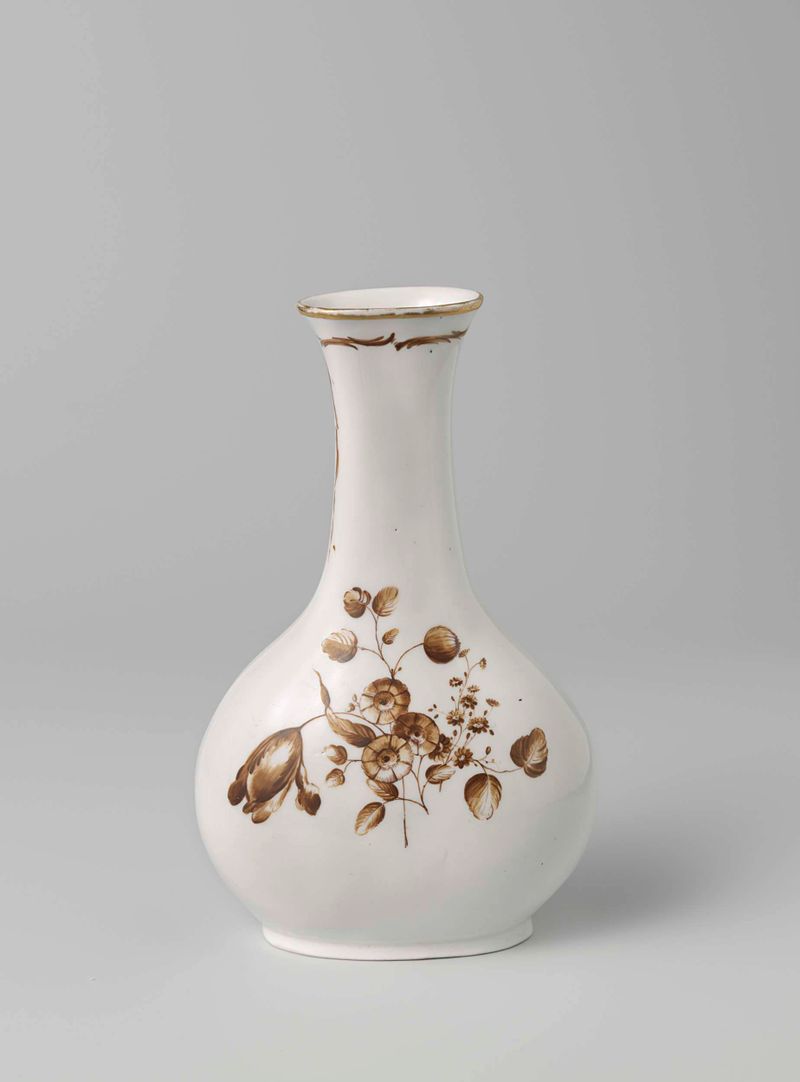
Vaas of jachtfles van beschilderd porselein
Manufacture Oud-Loosdrecht

Geschulpte schotel of bord van beschilderd porselein
Manufacture Oud-Loosdrecht

Koffiekan
Manufacture Oud-Loosdrecht
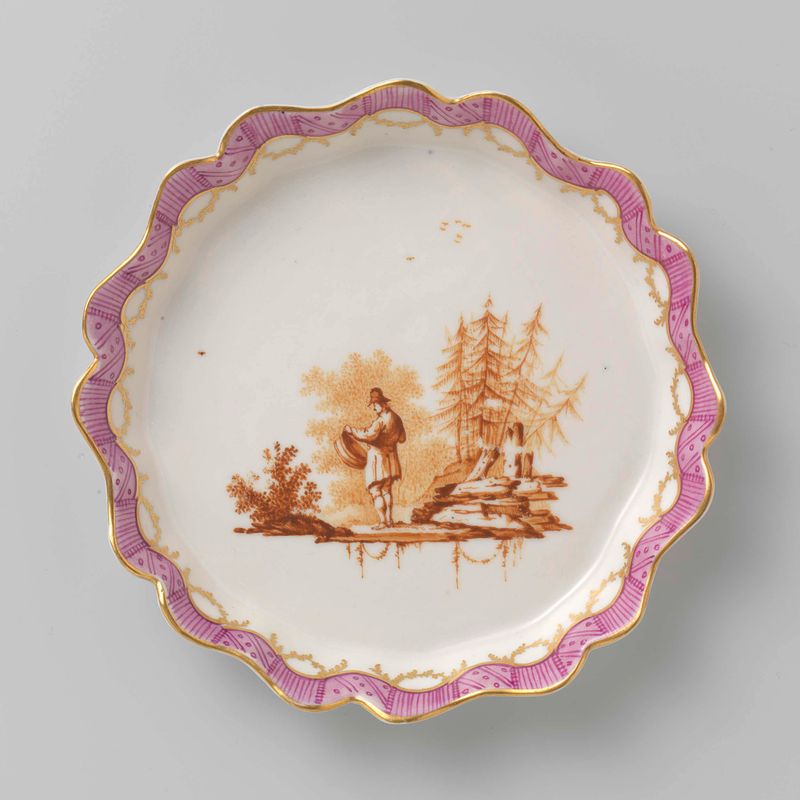
Tea service
Manufacture Oud-Loosdrecht

Schotel, veelkleurig beschilderd bamboe en andere planten op grondje. Kakiemon-decor
Manufacture Oud-Loosdrecht

Vaas beschilderd met parelhoenders in landschap
Manufacture Oud-Loosdrecht

Tea service
Manufacture Oud-Loosdrecht

Kan met twee bloemboeketten
Manufacture Oud-Loosdrecht