Vaas met deksel, beschilderd met putti — History & Facts
In the delicate hands of artisans, raw materials transform into objects of exquisite beauty, bridging the void between the mundane and the sublime. Look closely at the intricately painted surface of the vase, where cherubic putti frolic against a backdrop of soft pastels. Notice how the subtle variations in color create a harmonious flow, drawing the eye to the detailed craftsmanship, from the delicate curves of the vessel to the ornate lid that crowns it. The gentle play of light upon the glossy glaze accentuates the gentle expressions of the putti, inviting contemplation of their serene yet playful gestures. The putti, often symbolizing innocence and divine inspiration, contrast with the rigid structure of the vase, suggesting a tension between freedom and formality.
Each cherub seems to burst forth from the confines of their painted world, hinting at an underlying yearning for liberation. The interplay of colors evokes a sense of joy and whimsy, while the solidity of the vase grounds this vibrancy, signifying a balance between life’s fleeting moments of joy and the permanence of art. Created in the late 18th century, this piece emerged from the Manufacture Oud-Loosdrecht, a Dutch porcelain factory renowned for its fine craftsmanship during this period. As the art world experienced a shift towards Neoclassicism, artisans were inspired to blend classical themes with the decorative aesthetics of everyday objects, reflecting the prevailing tastes and societal changes of their time.
More Artworks by Manufacture Oud-Loosdrecht
Browse all →
Tea service
Manufacture Oud-Loosdrecht

Terrine met blad- en bloemslingers.
Manufacture Oud-Loosdrecht
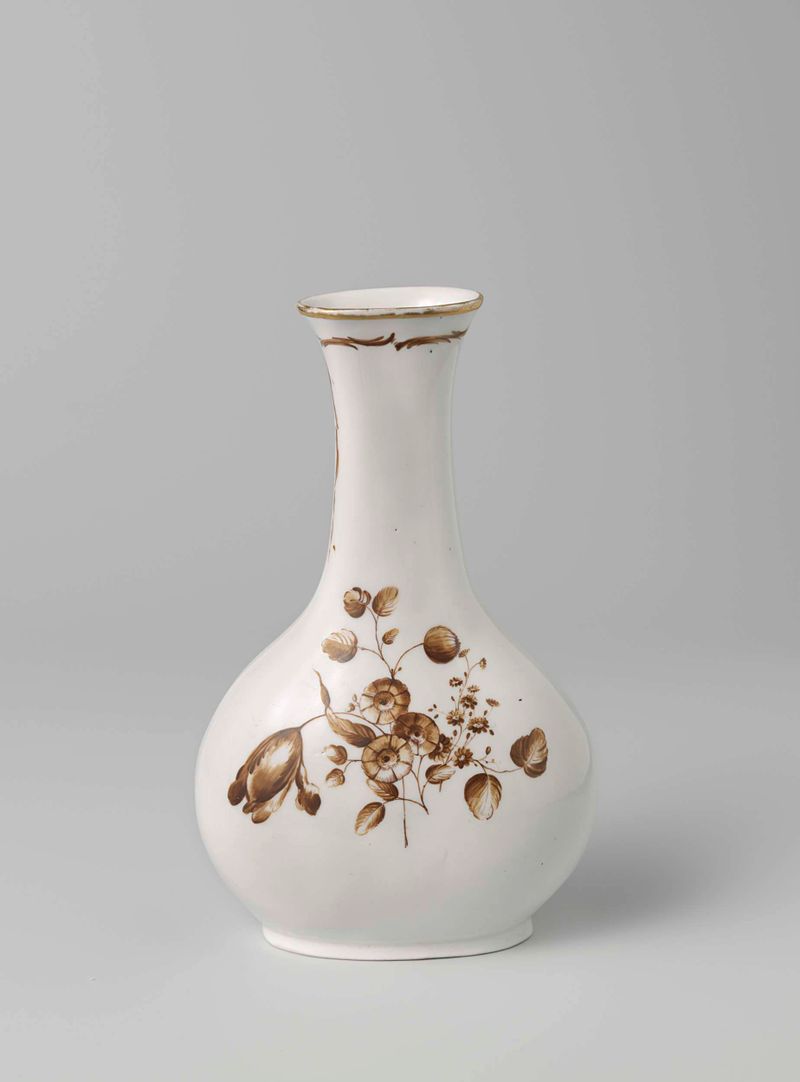
Vaas of jachtfles van beschilderd porselein
Manufacture Oud-Loosdrecht

Geschulpte schotel of bord van beschilderd porselein
Manufacture Oud-Loosdrecht

Koffiekan
Manufacture Oud-Loosdrecht
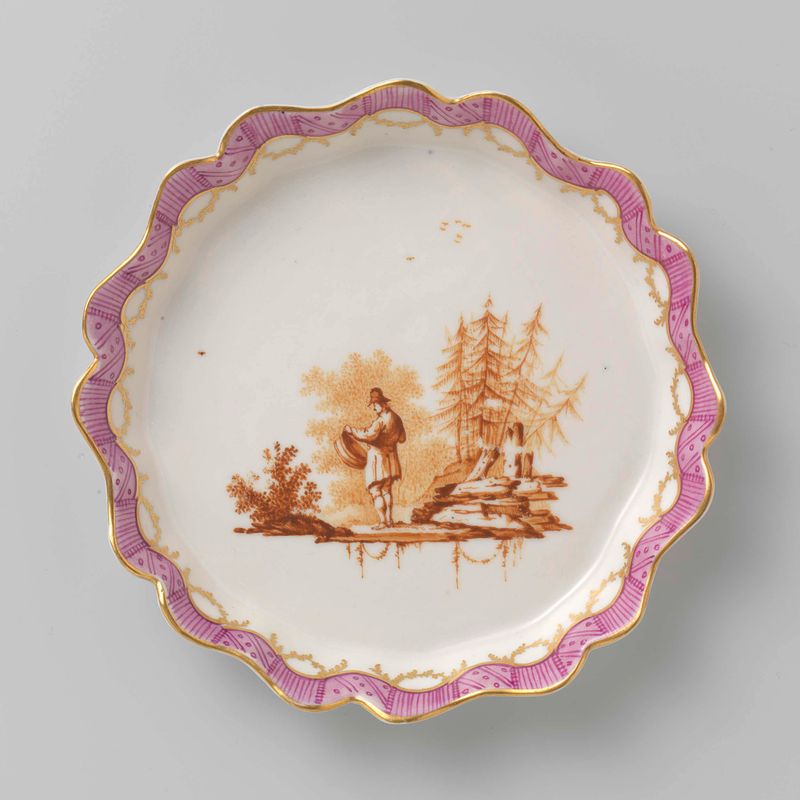
Tea service
Manufacture Oud-Loosdrecht

Schotel, veelkleurig beschilderd bamboe en andere planten op grondje. Kakiemon-decor
Manufacture Oud-Loosdrecht

Vaas beschilderd met parelhoenders in landschap
Manufacture Oud-Loosdrecht

Tea service
Manufacture Oud-Loosdrecht

Kan met twee bloemboeketten
Manufacture Oud-Loosdrecht