
Teton Valley — History & Facts
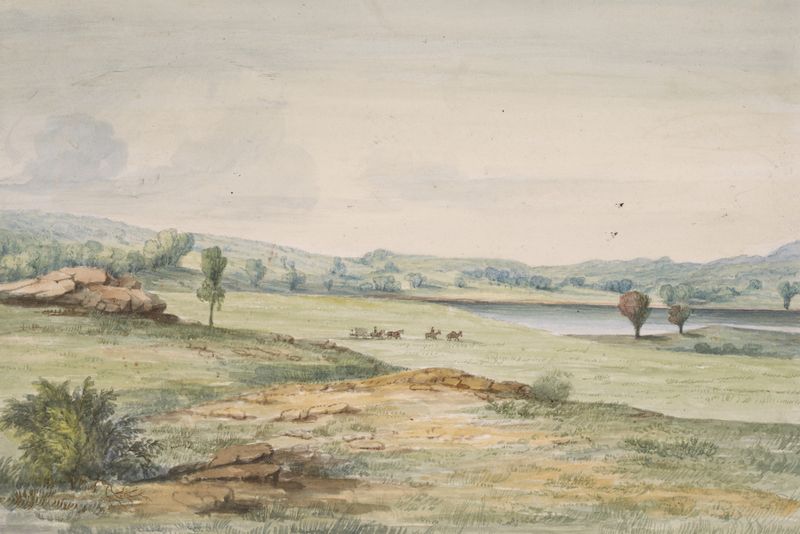
In the serene majesty of nature, fear often lurks beneath the surface, waiting to be unveiled. Look to the foreground of Teton Valley, where the rich, earthy tones of the soil ground the painting amid the expansive wilderness. The vibrant greens of the coniferous trees juxtaposed against the cool blues of the sky draw the eye upward, beckoning a sense of exploration. Notice how the light dances upon the rugged peaks, casting shadows that hint at the untamed wilderness beyond.
The brushwork is deliberate yet loose, conveying a dynamic sense of movement, as if the landscape itself is alive, breathing beneath the artist’s hand. As you delve deeper, consider the emotional tension woven into the fabric of the scenery. The towering mountains, while majestic, also evoke a sense of isolation and trepidation. The expansive sky speaks of freedom, yet it is countered by the raw, imposing landscape.
This duality invites contemplation of humanity’s place in nature, stirring a paradoxical fear of both its beauty and its indifference. In 1854, John Mix Stanley painted this work during a time of personal and societal transformation. Living in the West, he was immersed in the exploration of the American frontier, a period marked by both wonder and anxiety. As artists began to grapple with the vastness and unpredictability of the land, this piece reflects the immediate era's tensions — a celebration of beauty intertwined with the ever-present fear of the unknown.
More Artworks by John Mix Stanley
Browse all →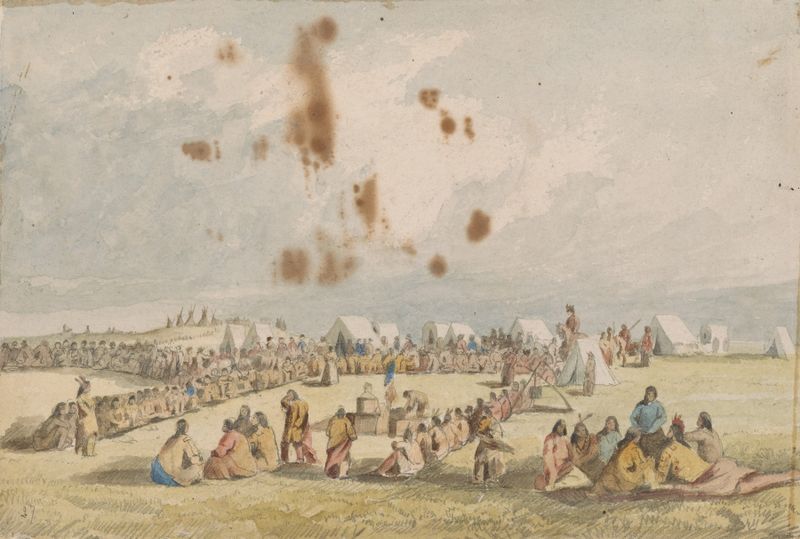
Distribution of Goods to the Assiniboins
John Mix Stanley
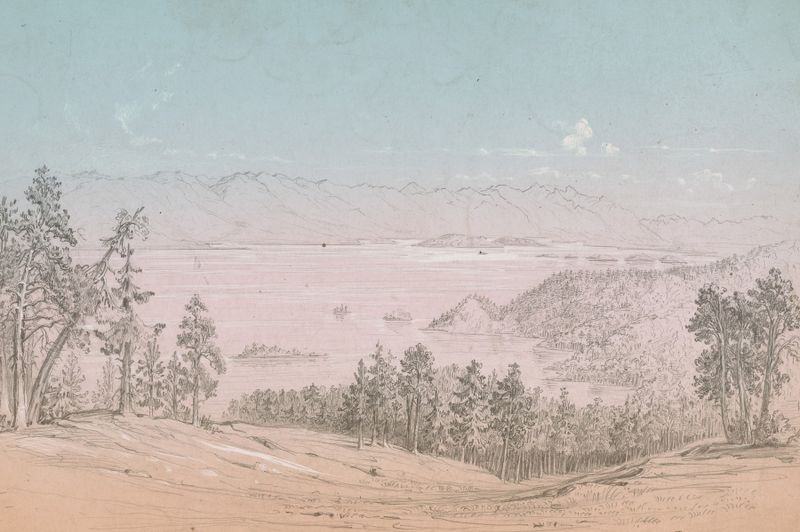
Flathead Lake, Looking toward the South
John Mix Stanley

A Morning in Milk River Valley
John Mix Stanley

Mount Rainier Viewed from Near Steilacoom
John Mix Stanley
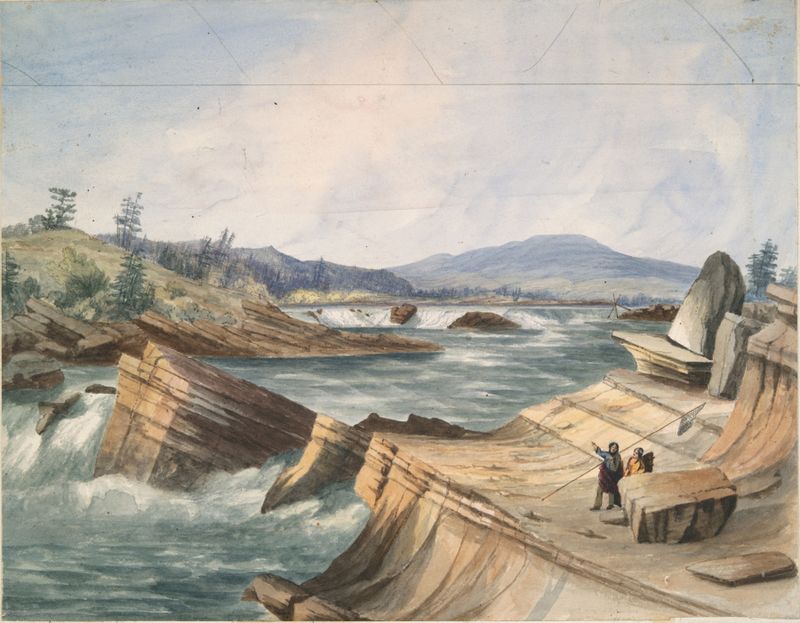
Kettle Falls, Columbia River
John Mix Stanley
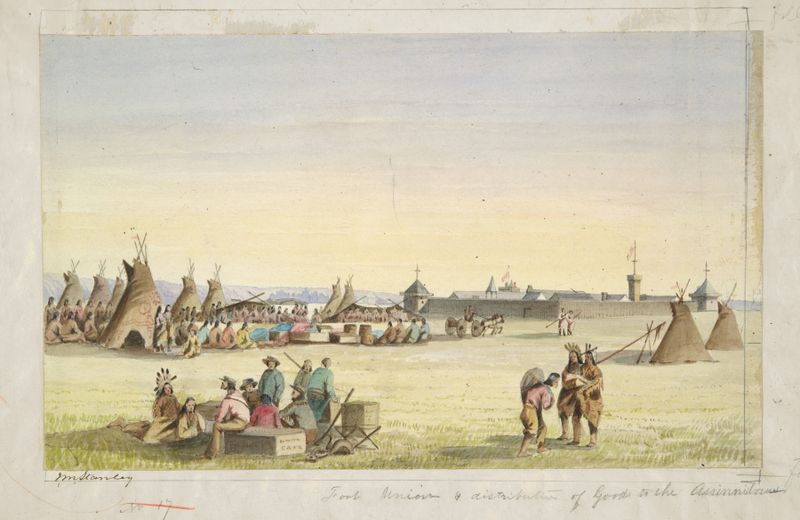
Fort Union and Distribution of Goods to the Assiniboins
John Mix Stanley

Pike Lake M.T.
John Mix Stanley
Sauk River
John Mix Stanley

Milk River – Bear’s Paw Mountain in Distance
John Mix Stanley

Fort Benton
John Mix Stanley





