
The Abbazia, Venice — History & Facts
In The Abbazia, Venice, the artist captures a fleeting moment, revealing truths layered beneath the surface of memory and light. Notice how your gaze is immediately drawn to the soft hues of the sky, a delicate gradient of blues and pinks that envelops the abbey. The architecture stands proud, yet simultaneously vulnerable to the elements, as the intricate details blend seamlessly with the surrounding landscape. Pay attention to the watery reflection in the foreground; it mirrors not only the structure above but also hints at the passage of time, creating a dialogue between earth and sky that infuses the scene with a sense of transient beauty. This painting reveals deeper emotional tensions between permanence and impermanence.
The solemnity of the abbey juxtaposed against the ephemeral qualities of light invokes a contemplation of faith and existence. Small details, such as the wispy clouds and the movement of the water, serve as reminders of time's relentless march, while the robust forms of the structure suggest an unwavering truth that persists despite the inevitable decay of all things. In 1900, during a period of change in both the artist’s life and the broader art world, Cameron was living in Glasgow, embracing the ethos of the Glasgow School. His work during this time reflected an interest in light and atmosphere, aligning with the broader Impressionist movement sweeping across Europe.
It was an era marked by a search for new expressions of reality, as artists sought to capture not just the physical world, but the emotional truths that lie beneath it.
More Artworks by David Young Cameron
Browse all →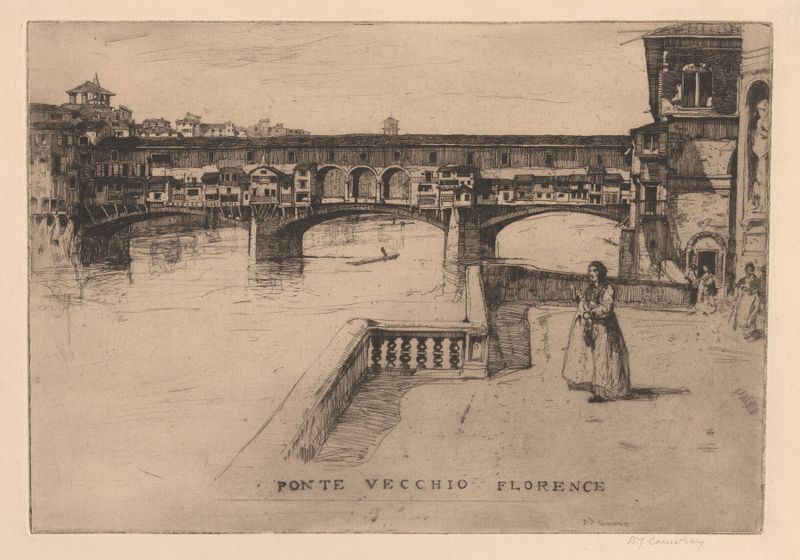
Ponte Vecchio
David Young Cameron

The Deanery, Winchester
David Young Cameron
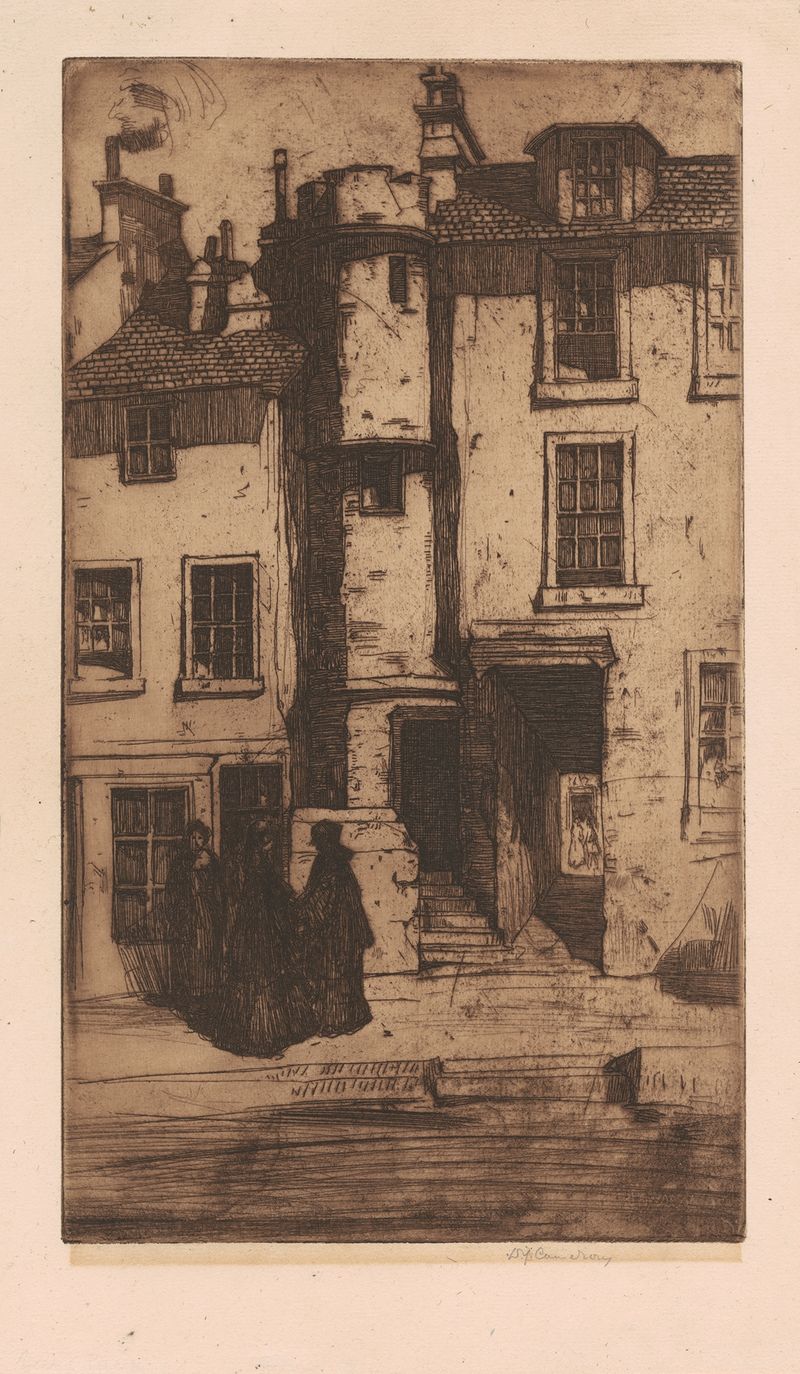
Old Houses, Stirling
David Young Cameron
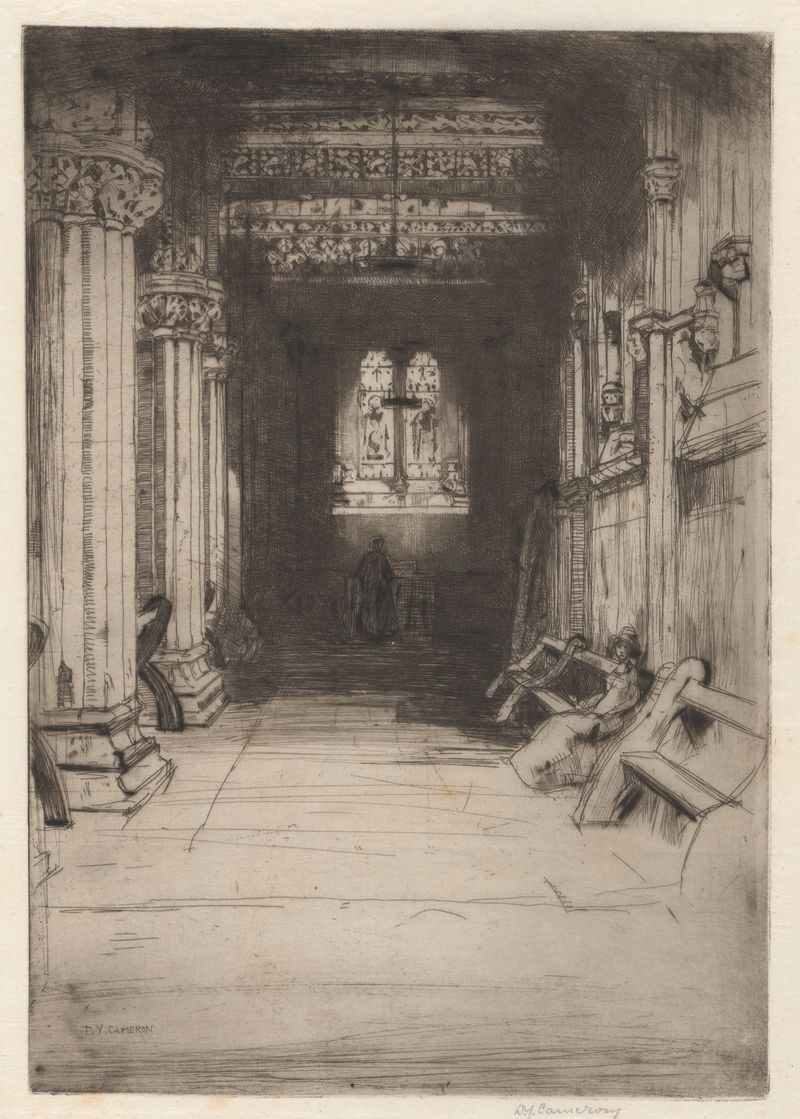
Rosslyn Chapel
David Young Cameron

The Old Museum, Beauvais
David Young Cameron
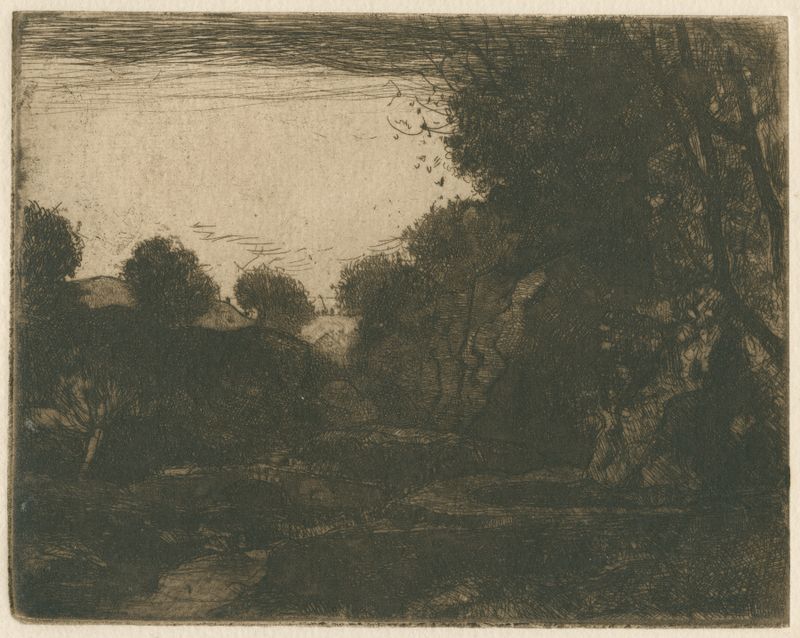
On the Bradford
David Young Cameron

The Smithy
David Young Cameron
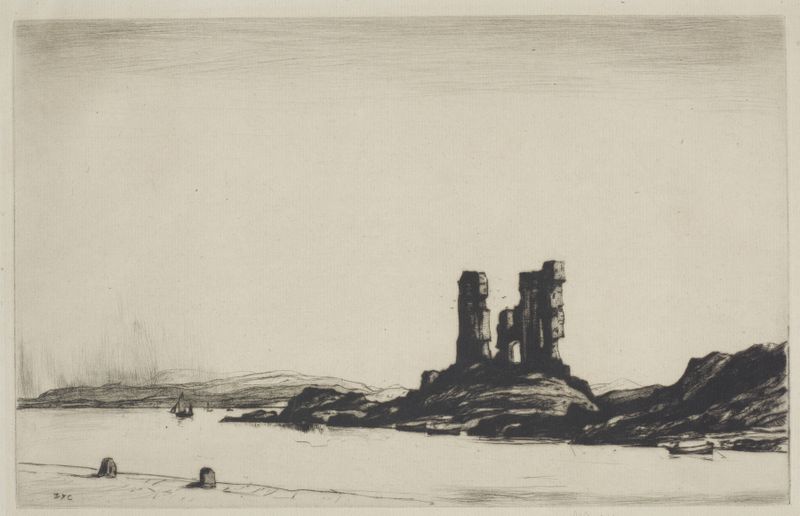
Castle Moyle
David Young Cameron
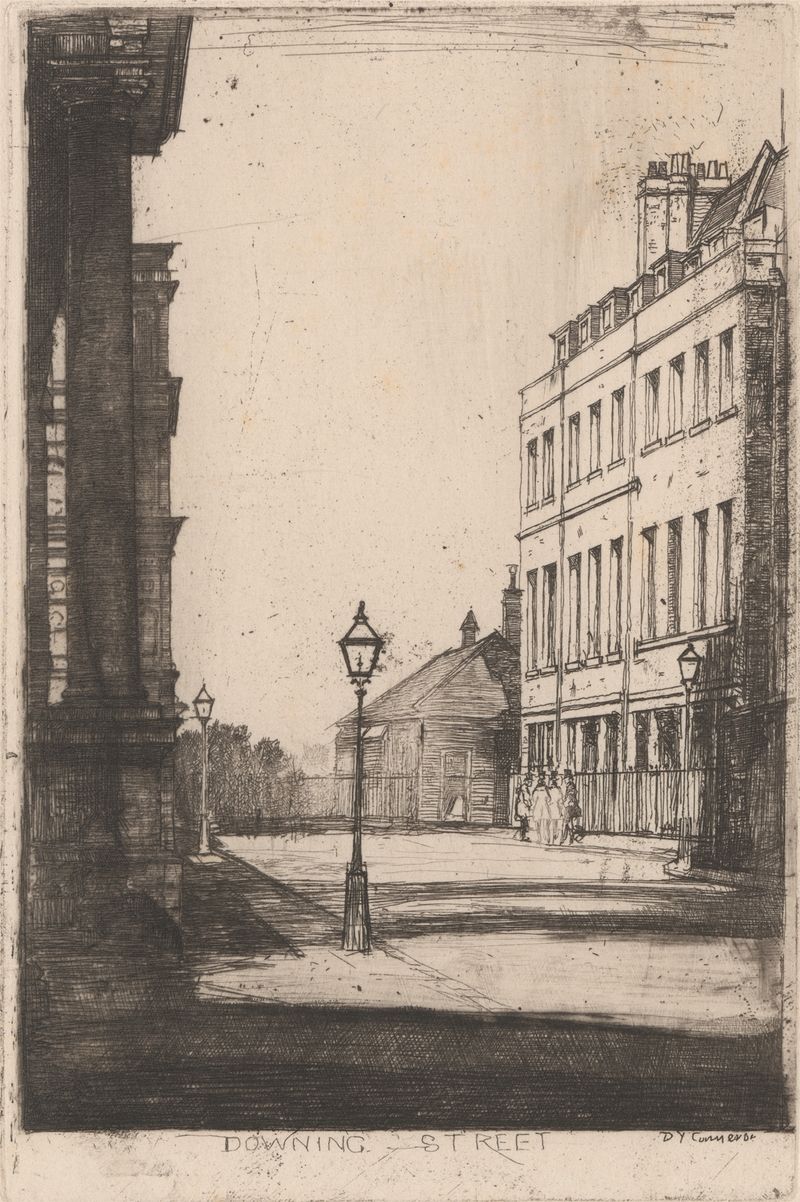
Downing Street
David Young Cameron

Glasgow Cathedral
David Young Cameron
More Architecture Art
Browse all →
The statue of Liberty
Frédéric Auguste Bartholdi

View of Houses in Delft, Known as ‘The Little Street’
Johannes Vermeer

View of Houses in Delft, Known as ‘The Little Street’
Johannes Vermeer

The Cathedral in Rouen. The portal, Grey Weather
Claude Monet

The yellow house
Vincent van Gogh

The Church in Auvers-sur-Oise, View from the Chevet
Vincent van Gogh