
The Acropolis from the West, with the Propylaea and the Temple of Athena Nike, Athens — History & Facts
The haunting allure of ancient ruins often conceals the deep yearning for what once was, stirring a bittersweet nostalgia within us. Look to the left side, where the Propylaea stands proud and monumental, its grand entrance beckoning with whispers of history. Notice the delicate interplay of light and shadow that dances across the temple's weathered stone, highlighting its architectural elegance against the contrasting backdrop of a cerulean sky. The artist’s choice of warm earth tones evokes a sense of timelessness, drawing the viewer's gaze towards the serene yet powerful presence of the Temple of Athena Nike nestled gracefully on the right. Amidst the stony grandeur, a subtle emotional tension threads through the scene: the juxtaposition of the ruins against the vibrant natural landscape reflects humanity’s fleeting glory.
The golden light casts an ethereal glow, suggesting a yearning for the past while simultaneously celebrating its enduring beauty. Each brushstroke seems to echo the collective sigh of centuries, inviting contemplation on loss and the passage of time. In 1834, during a period of romanticism in art, the artist was deeply engaged with themes of nostalgia and national pride. Painting from an elevated view in Athens, he sought to capture the essence of the Acropolis, a symbol of ancient civilization that had profoundly influenced Western thought and culture.
This work emerges from a moment when Europe was reflecting on heritage, and artists were increasingly drawn to the allure of classical antiquity, bridging the old world with emerging romantic ideals.
More Artworks by Thomas Hartley Cromek
Browse all →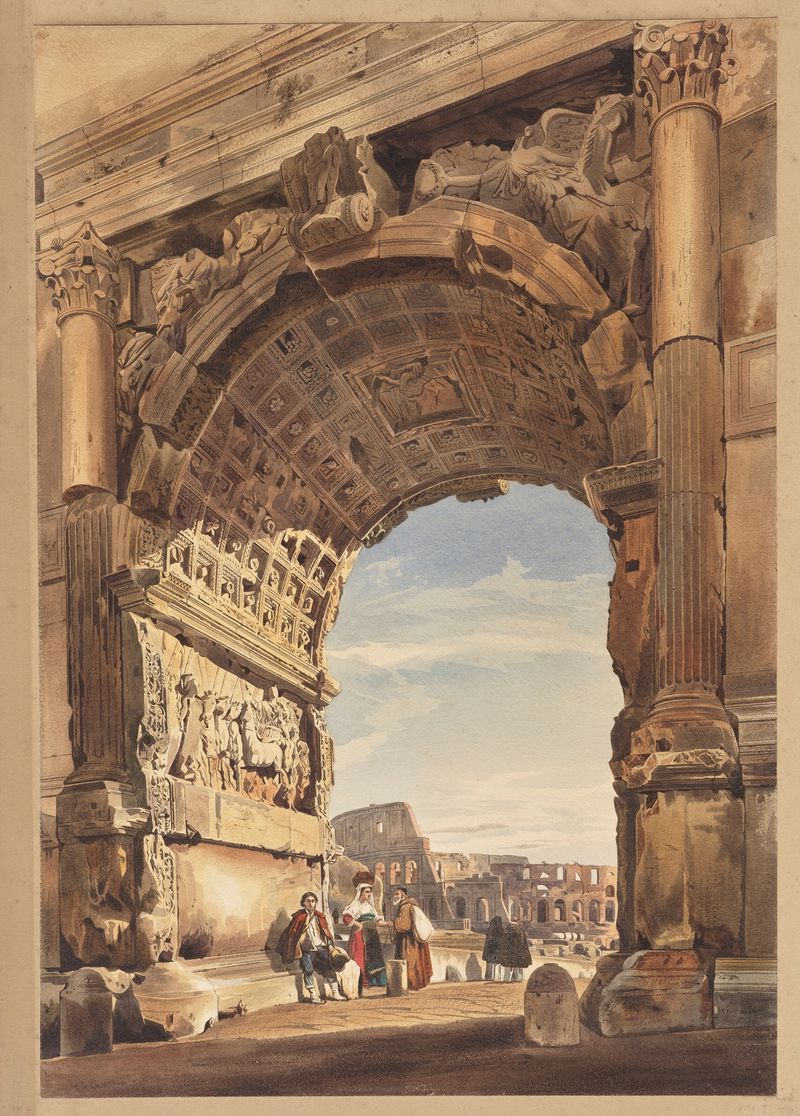
The Arch of Titus looking through to the Colosseum, Rome
Thomas Hartley Cromek

The Cathedral and Palace of the Popes, Avignon
Thomas Hartley Cromek

A Glen in Sorrento
Thomas Hartley Cromek
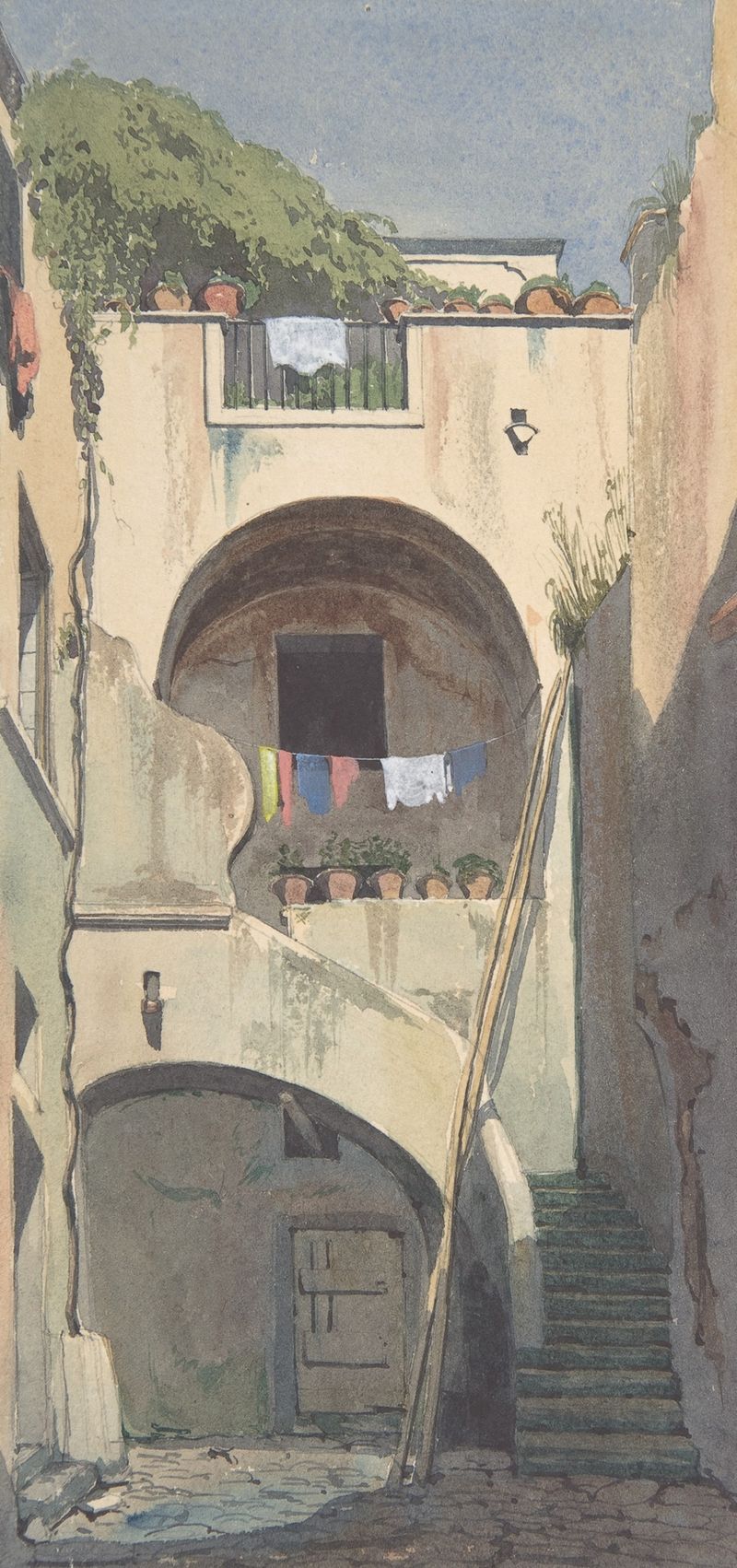
A House at Sorrento
Thomas Hartley Cromek

The Interior of the Lower Basilica of St. Francis of Assisi
Thomas Hartley Cromek
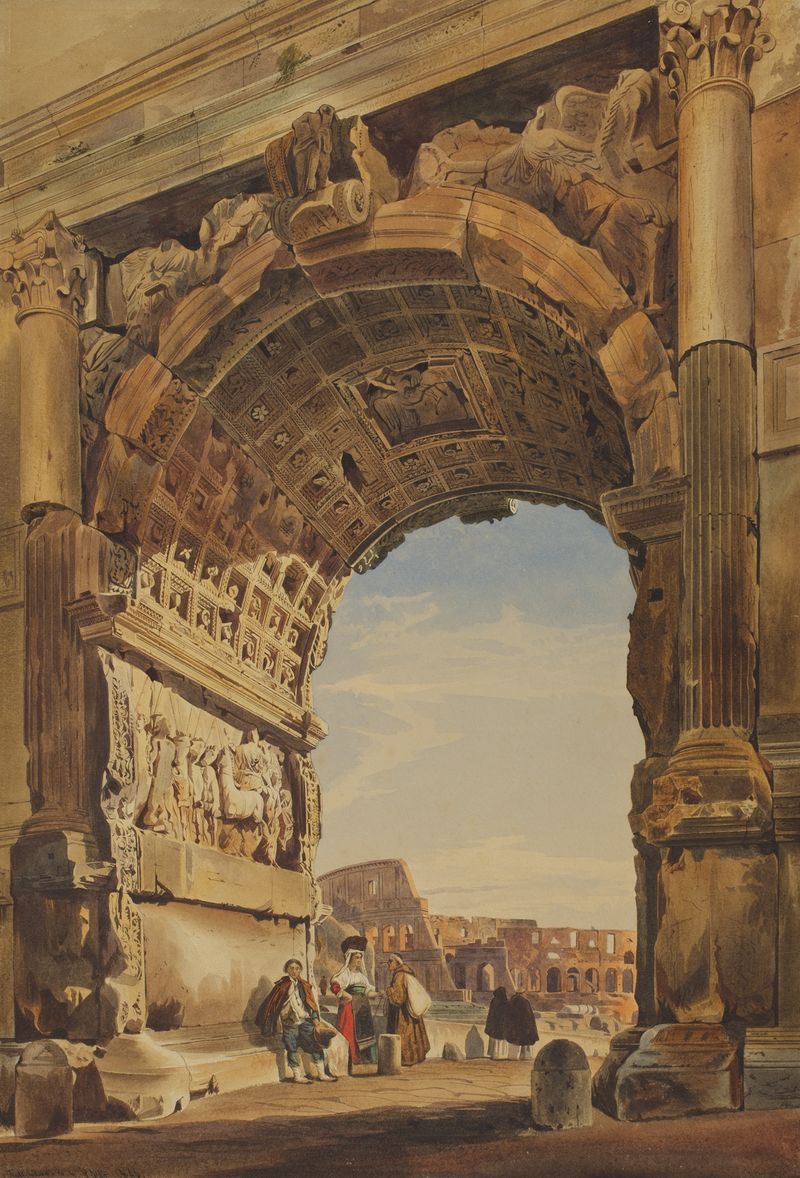
The Arch of Titus and the Coliseum, Rome
Thomas Hartley Cromek

A view of the Umbrian campagna with Spoleto in the distance and a goatherd and his flock in the foreground
Thomas Hartley Cromek
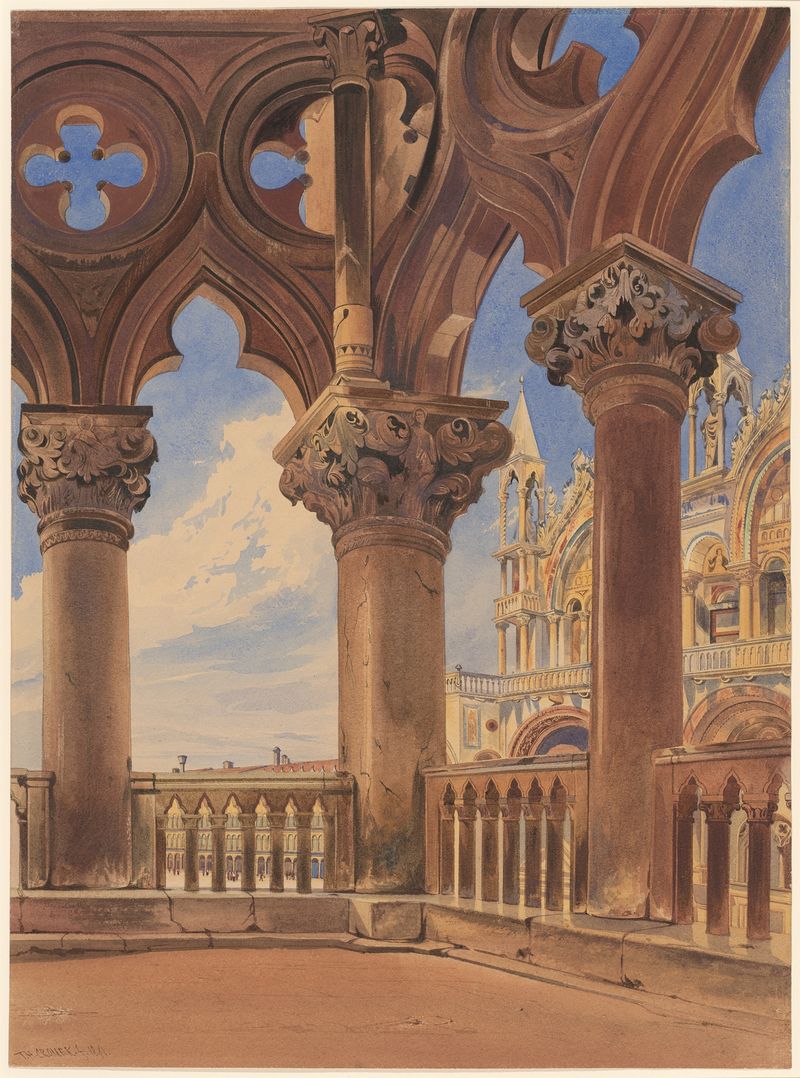
St. Marks Square from the Doges Palace
Thomas Hartley Cromek
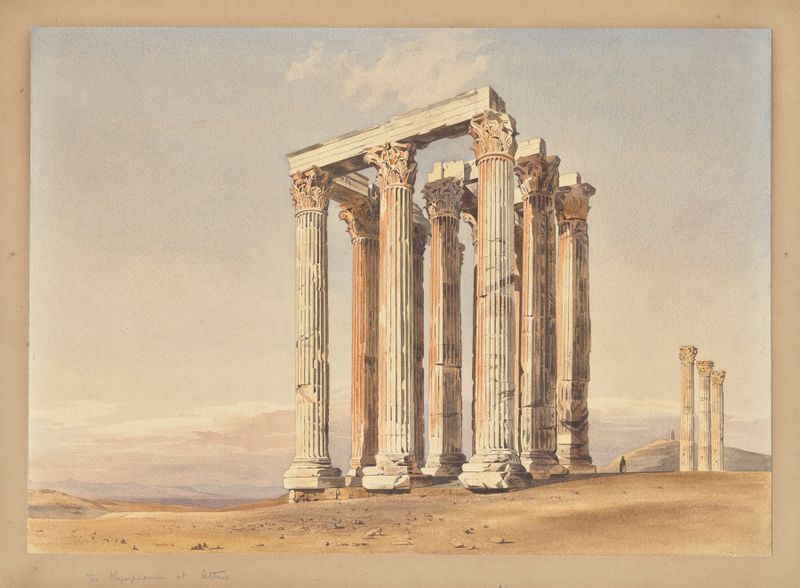
The Temple of Olympian Zeus, Athens
Thomas Hartley Cromek
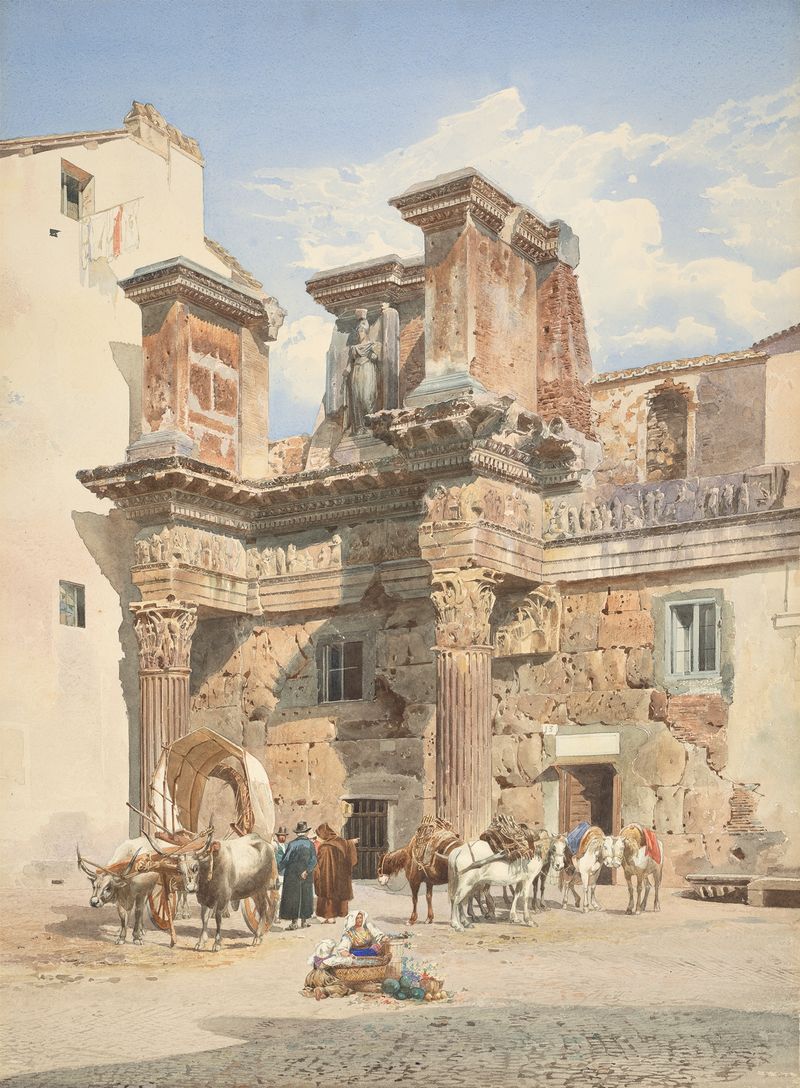
Le Colonnacce, Rome: Remains of the Inner Walls of the Forum of Nerva
Thomas Hartley Cromek
More Architecture Art
Browse all →
The statue of Liberty
Frédéric Auguste Bartholdi

View of Houses in Delft, Known as ‘The Little Street’
Johannes Vermeer

View of Houses in Delft, Known as ‘The Little Street’
Johannes Vermeer

The Cathedral in Rouen. The portal, Grey Weather
Claude Monet

The yellow house
Vincent van Gogh

The Church in Auvers-sur-Oise, View from the Chevet
Vincent van Gogh