
The Cathedral and Palace of the Popes, Avignon — History & Facts
In The Cathedral and Palace of the Popes, Avignon, the artist captures a haunting moment of melancholy that transcends mere representation. Focus first on the imposing structures, where the towering cathedral and palace rise resolutely against a backdrop of soft, muted skies. Notice how the delicate brushwork conveys the texture of the stone, each shadow whispering tales of history. Look to the foreground where the figures, small yet significant, echo the grandeur above, suggesting humanity’s humble place in the vastness of time.
The palette, dominated by earth tones and subtle blues, evokes a sense of nostalgia, inviting the viewer to reflect on the passage of history. The painting’s emotional depth lies in the contrasts it presents. The solidity of the architecture juxtaposes with the fragile, ephemeral nature of life, as seen in the fleeting figures below. The stillness of the scene suggests a moment frozen in time, where the weight of history is palpable, yet the serene atmosphere offers a bittersweet comfort.
The presence of the clouds, languid and heavy, encapsulates a feeling of loss, as if the past lingers just out of reach. Cromek created this work in Avignon in 1836 during a period when his artistic focus was shifting towards capturing architectural and historical subjects. As Europe was navigating the complexities of change and modernity, he sought to convey the poignant beauty of monuments that stood as testaments to bygone eras. This was a time when artists were increasingly drawn to themes of memory and the ephemeral nature of existence, paralleling the broader societal reflections on history and identity.
More Artworks by Thomas Hartley Cromek
Browse all →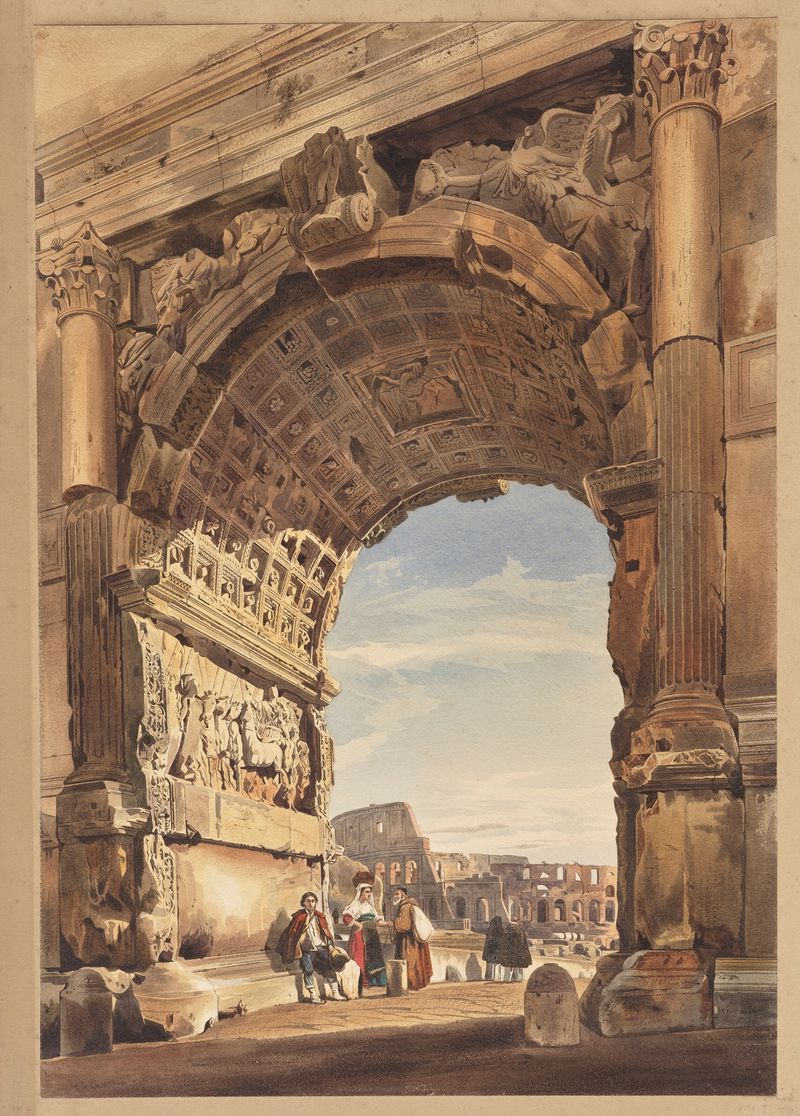
The Arch of Titus looking through to the Colosseum, Rome
Thomas Hartley Cromek
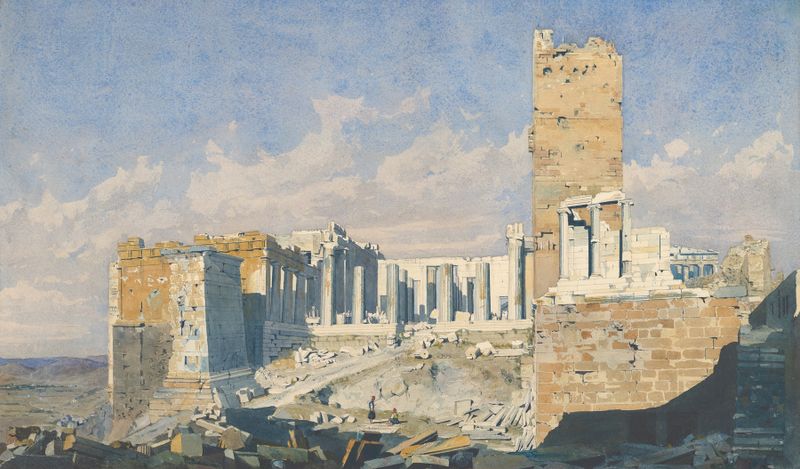
The Acropolis from the West, with the Propylaea and the Temple of Athena Nike, Athens
Thomas Hartley Cromek

A Glen in Sorrento
Thomas Hartley Cromek
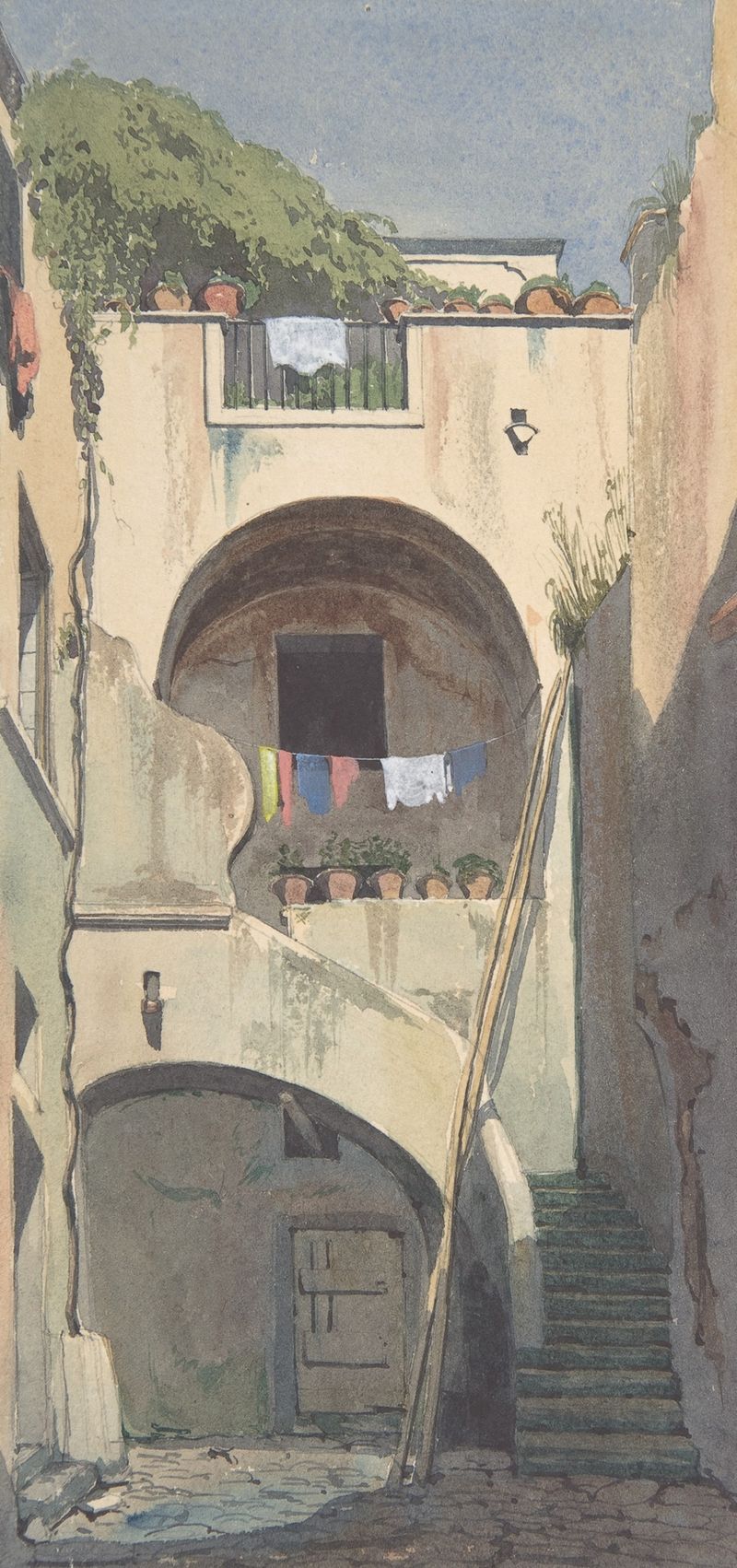
A House at Sorrento
Thomas Hartley Cromek

The Interior of the Lower Basilica of St. Francis of Assisi
Thomas Hartley Cromek
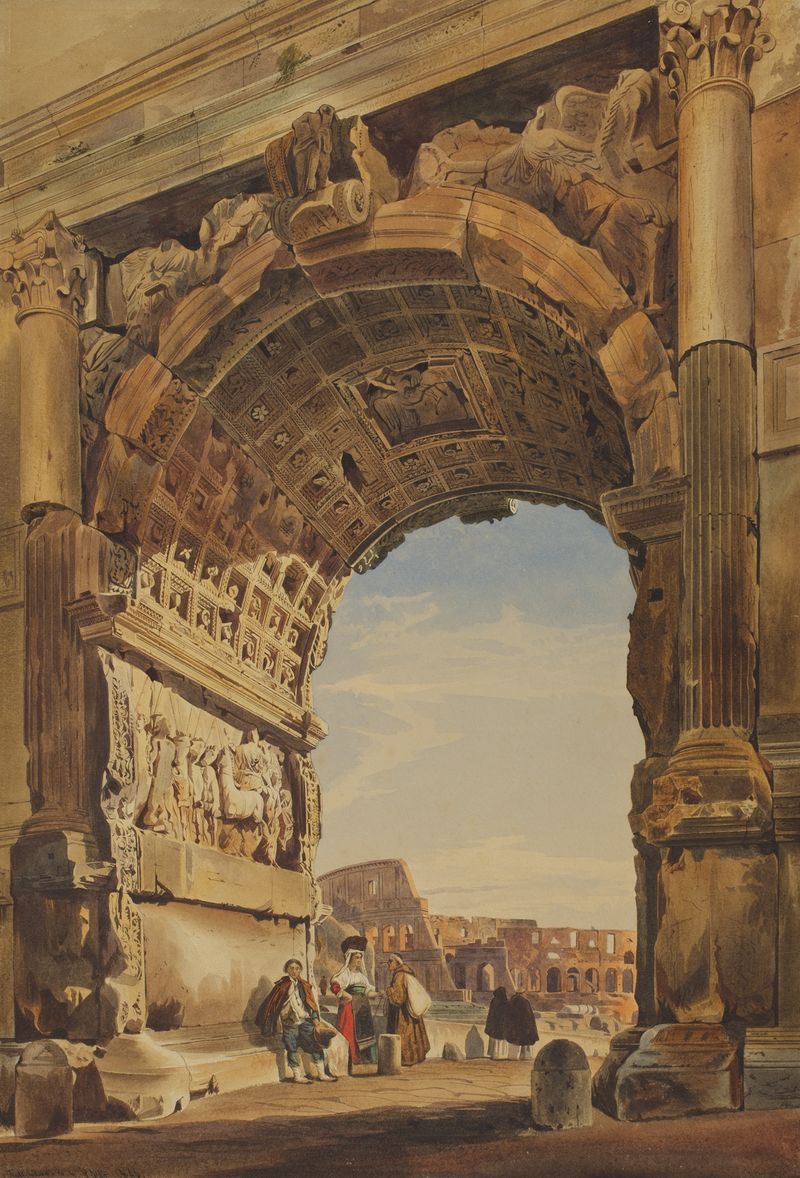
The Arch of Titus and the Coliseum, Rome
Thomas Hartley Cromek

A view of the Umbrian campagna with Spoleto in the distance and a goatherd and his flock in the foreground
Thomas Hartley Cromek
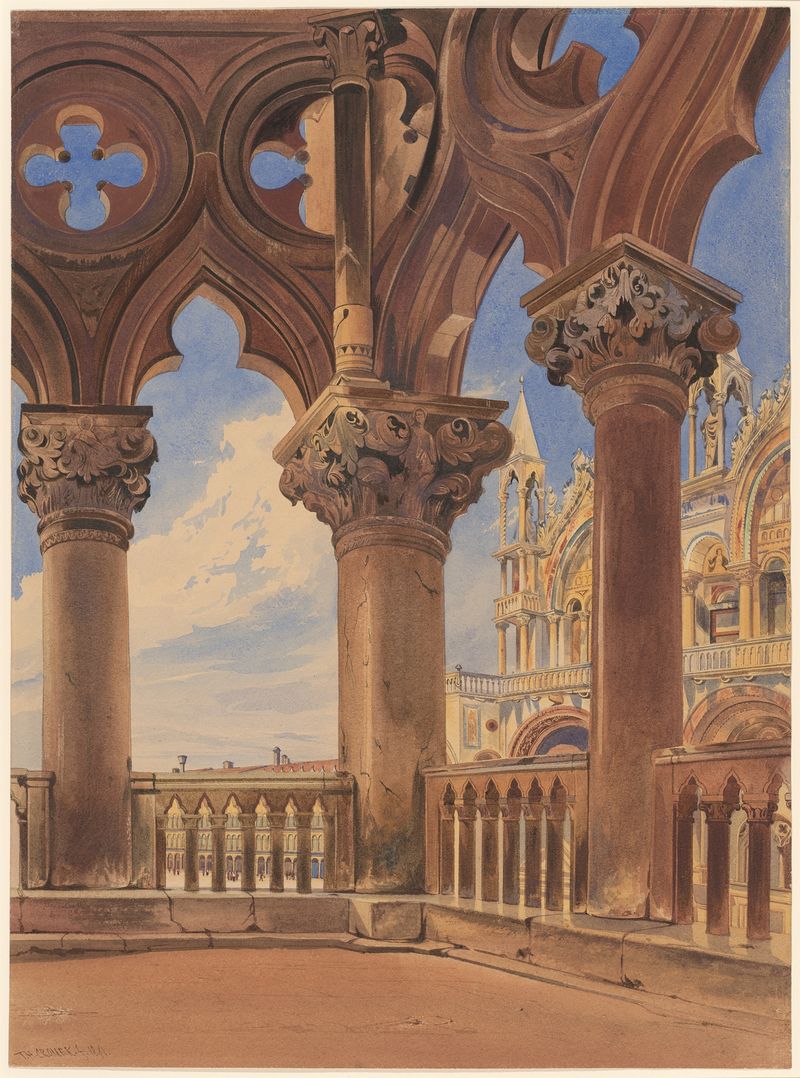
St. Marks Square from the Doges Palace
Thomas Hartley Cromek
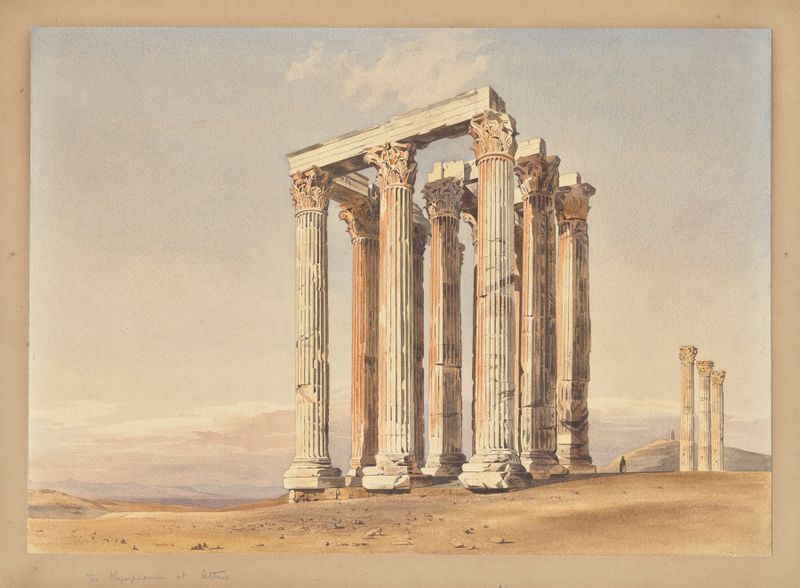
The Temple of Olympian Zeus, Athens
Thomas Hartley Cromek
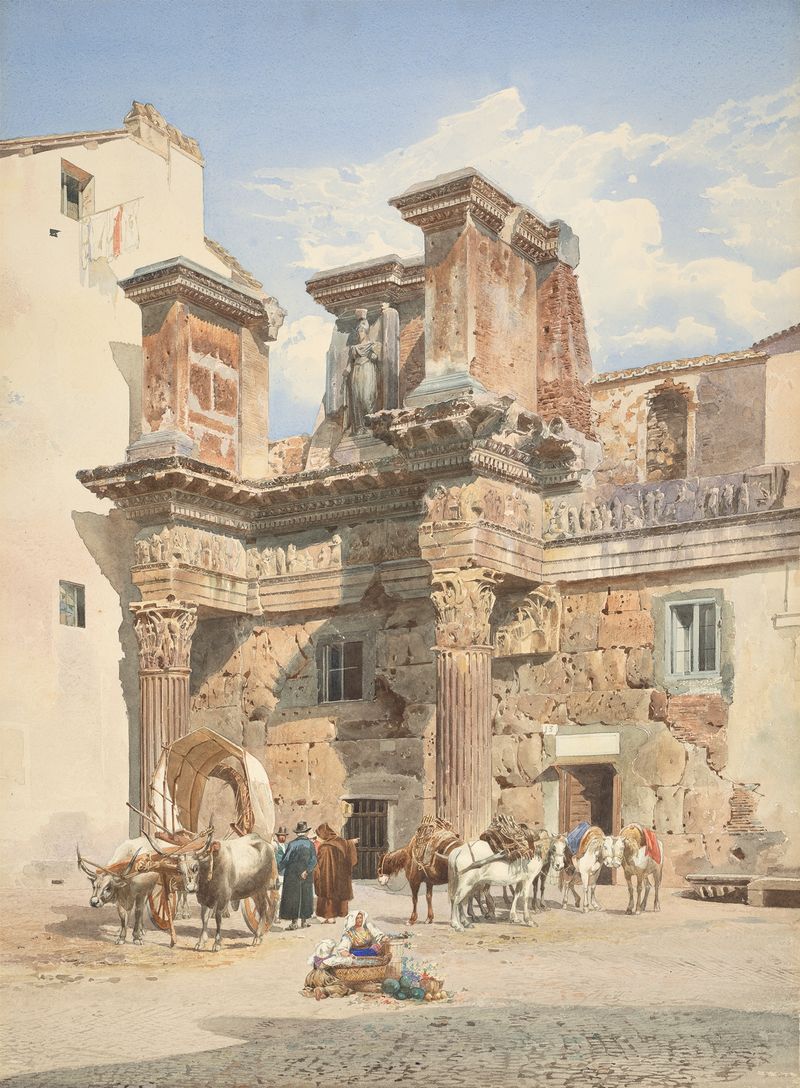
Le Colonnacce, Rome: Remains of the Inner Walls of the Forum of Nerva
Thomas Hartley Cromek
More Architecture Art
Browse all →
The statue of Liberty
Frédéric Auguste Bartholdi

View of Houses in Delft, Known as ‘The Little Street’
Johannes Vermeer

View of Houses in Delft, Known as ‘The Little Street’
Johannes Vermeer

The Cathedral in Rouen. The portal, Grey Weather
Claude Monet

The yellow house
Vincent van Gogh

The Church in Auvers-sur-Oise, View from the Chevet
Vincent van Gogh