
A Glen in Sorrento — History & Facts
Can beauty exist without sorrow? In A Glen in Sorrento, the intertwining of vibrant landscapes and muted emotions prompts a profound reflection on the dualities of existence. Look to the lush greenery that unfurls across the canvas; the foreground invites the viewer to wander among the rich foliage, where sunlight dances through the leaves. The gentle, winding path leads the eye deeper into the glen, framed by delicate brushstrokes that suggest movement and life. Notice how the soft blues of the distant hills contrast with the warm earth tones below, a deliberate choice that evokes a sense of harmony amidst the complexity of nature. As you explore the details, consider the whisper of nostalgia that permeates the scene.
The painting captures not just a physical space, but an emotional landscape where joy and melancholy coexist. The winding path may symbolize a journey through life, with light and shadow representing the inevitability of both pleasure and pain. This delicate balance reflects the artist’s awareness of the ephemeral nature of beauty, hinting at the bittersweet moments that shape our experiences. In the mid-19th century, Cromek painted this piece in a period when Romanticism was influencing artists to capture the emotional intensity of landscapes.
Living in an era marked by change and industrialization, he sought solace in nature, creating works that resonate with a deep appreciation for the tranquil beauty found in the natural world. The convergence of personal and artistic growth during this time positioned him as a crucial figure in the transition from Romanticism to a more modern sensibility in art.
More Artworks by Thomas Hartley Cromek
Browse all →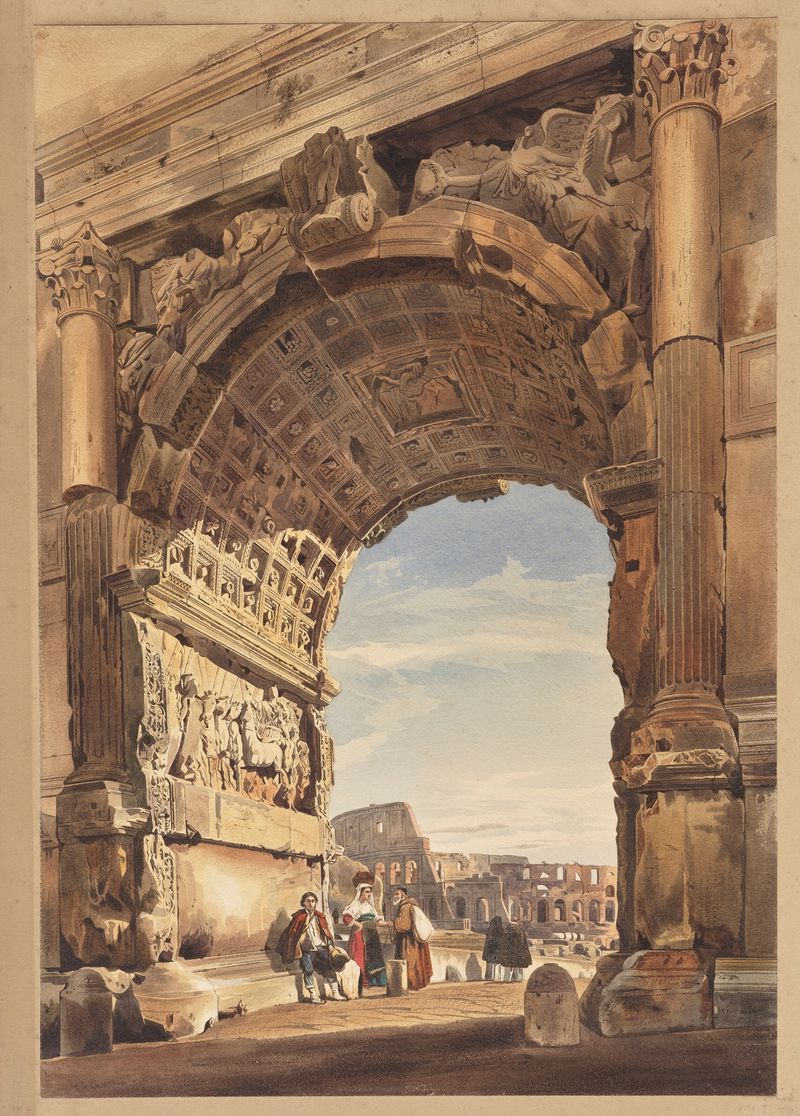
The Arch of Titus looking through to the Colosseum, Rome
Thomas Hartley Cromek
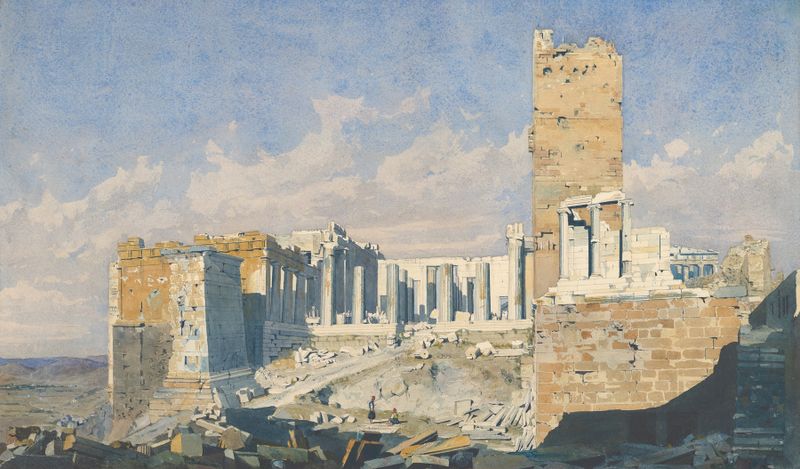
The Acropolis from the West, with the Propylaea and the Temple of Athena Nike, Athens
Thomas Hartley Cromek

The Cathedral and Palace of the Popes, Avignon
Thomas Hartley Cromek
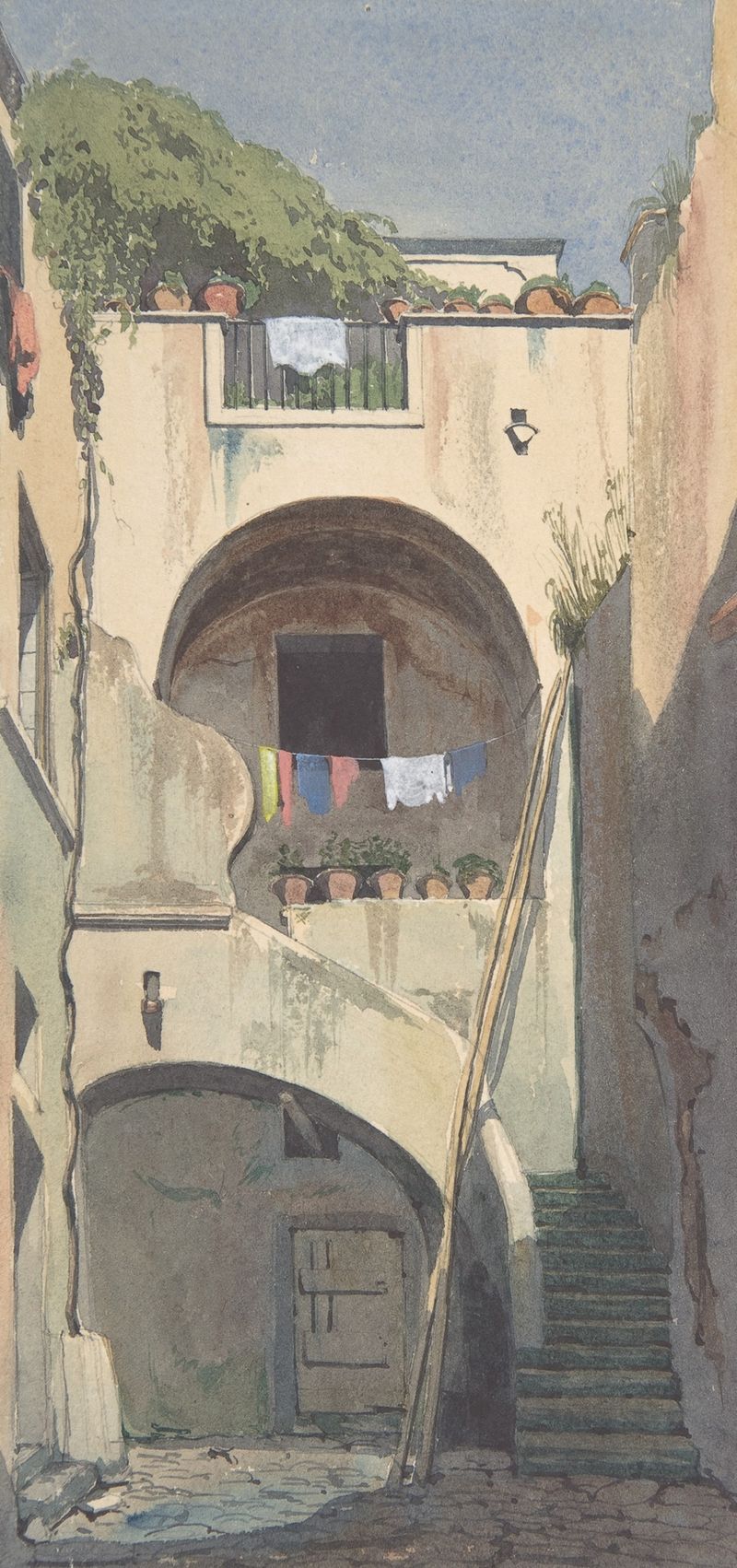
A House at Sorrento
Thomas Hartley Cromek

The Interior of the Lower Basilica of St. Francis of Assisi
Thomas Hartley Cromek
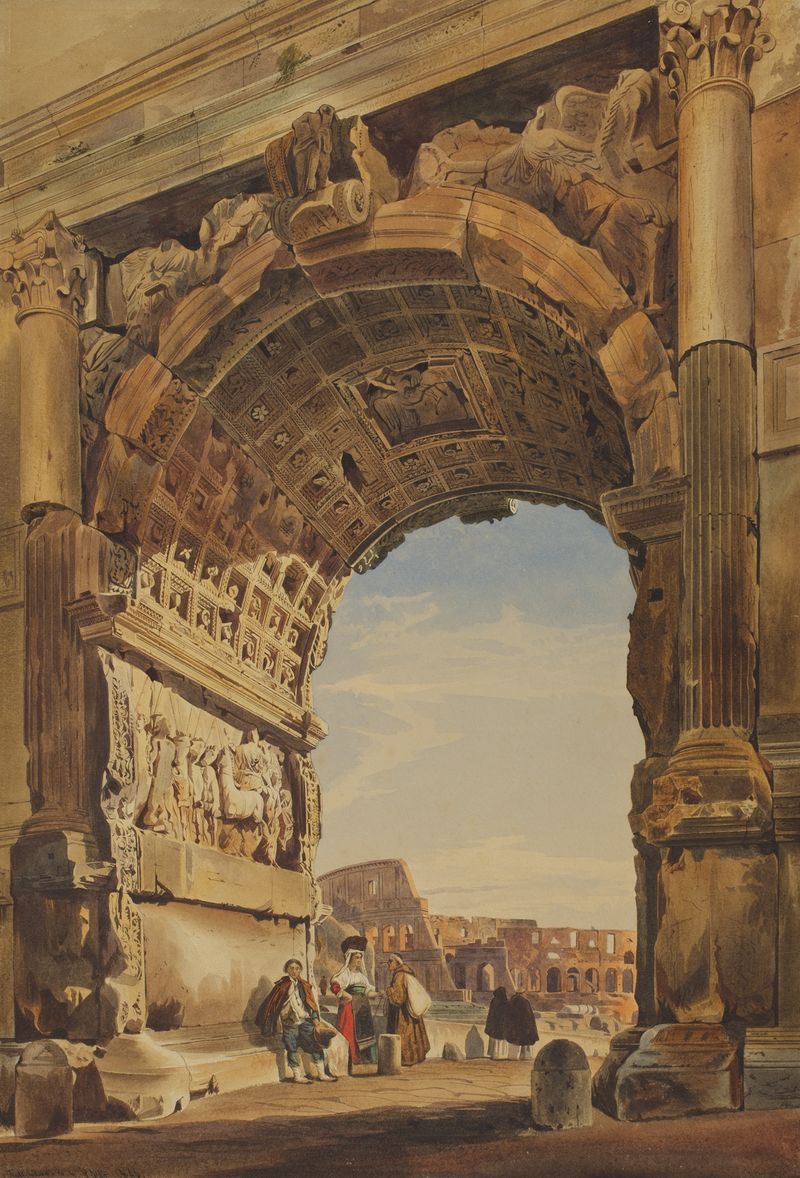
The Arch of Titus and the Coliseum, Rome
Thomas Hartley Cromek

A view of the Umbrian campagna with Spoleto in the distance and a goatherd and his flock in the foreground
Thomas Hartley Cromek
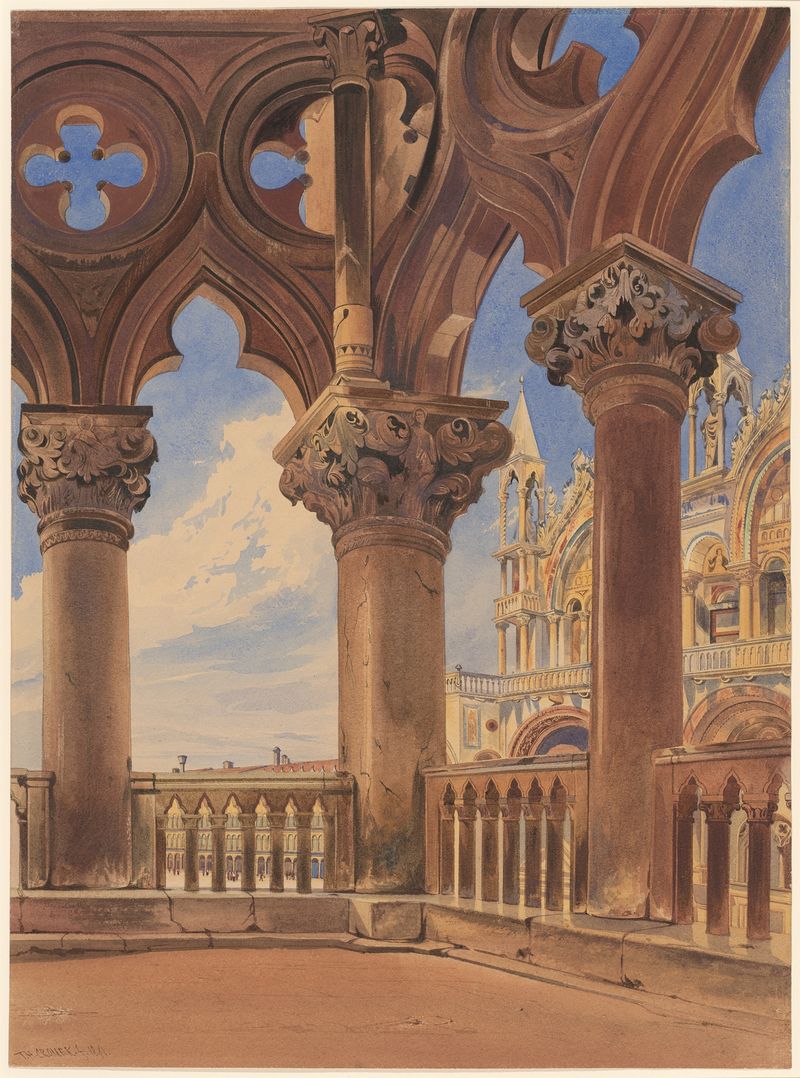
St. Marks Square from the Doges Palace
Thomas Hartley Cromek
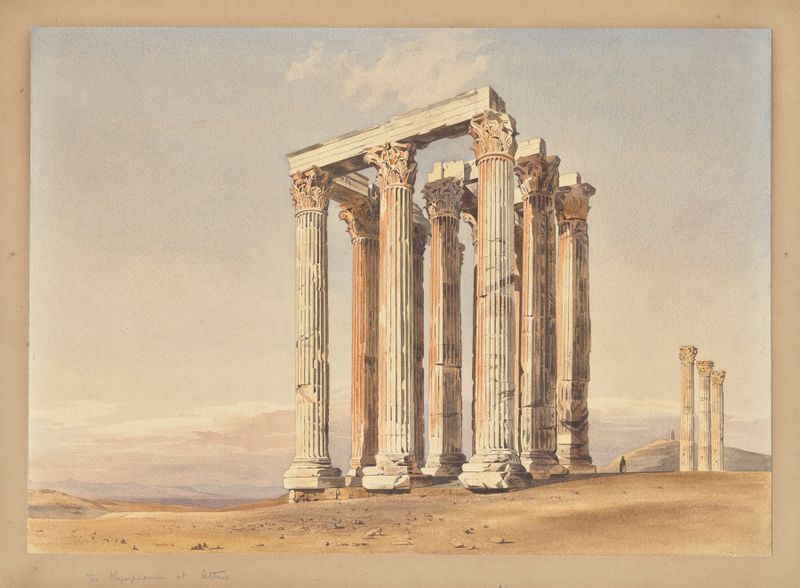
The Temple of Olympian Zeus, Athens
Thomas Hartley Cromek
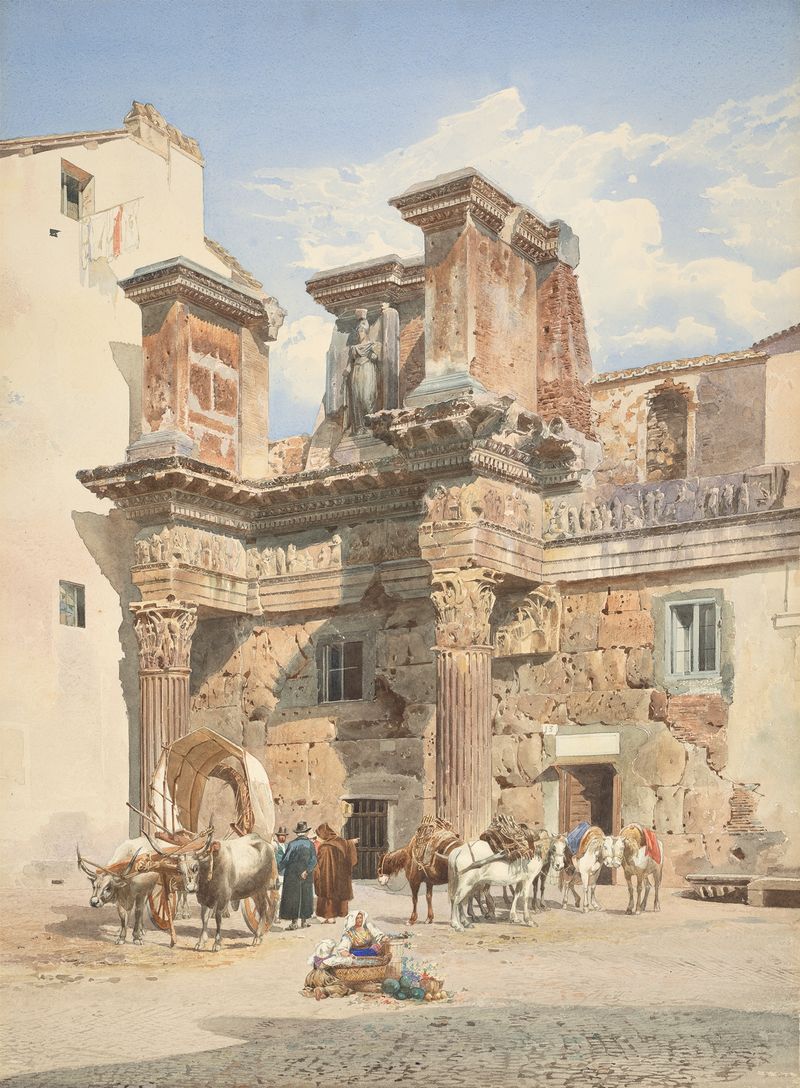
Le Colonnacce, Rome: Remains of the Inner Walls of the Forum of Nerva
Thomas Hartley Cromek





