
The Arch of Titus and the Coliseum, Rome — History & Facts
Who listens when art speaks of silence? In The Arch of Titus and the Coliseum, Rome, a stillness resonates, capturing the ecstasy of ancient grandeur, inviting contemplations of history and memory. Look to the right at the imposing Arch of Titus, its weathered stone etched with the whispers of time. The coliseum looms in the background, a testament to human ambition and the passage of eras, while the warm light bathes the scene in a golden hue, enhancing the textures of the architecture. Notice how the arrangement of the structures creates a sense of depth and perspective, pulling you into the heart of Rome, where every crack in the stone narrates tales of glory and decay. Delve deeper into the contrasts within the composition: the vibrancy of the scene juxtaposed with the silence of the empty spaces.
The arch, a celebratory monument, stands resilient against the backdrop of the once-spectacular coliseum, now a relic of bygone days. This interplay evokes a contemplation of ecstasy and mourning, encapsulating the complex emotions surrounding human achievement and eventual decline, inviting reflection on what remains after the echoes of triumph fade. Cromek painted this piece in 1846 during a period of burgeoning Romanticism, where artists sought to capture the sublime, the emotional, and the historical. Living in London, he was influenced by the fascination with ancient Rome, as Europe was experiencing a revival of interest in classical forms.
This artwork not only marks a personal exploration for the artist but also aligns with a broader cultural moment that sought to connect past glories with contemporary sensibilities.
More Artworks by Thomas Hartley Cromek
Browse all →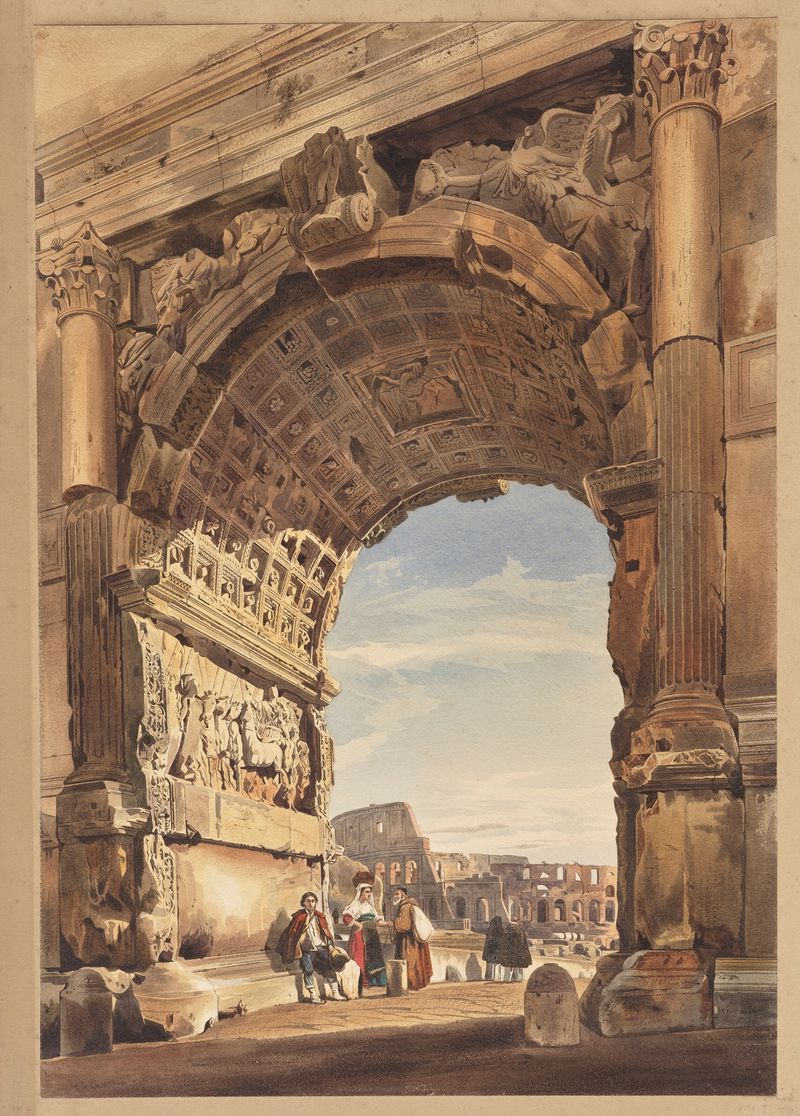
The Arch of Titus looking through to the Colosseum, Rome
Thomas Hartley Cromek
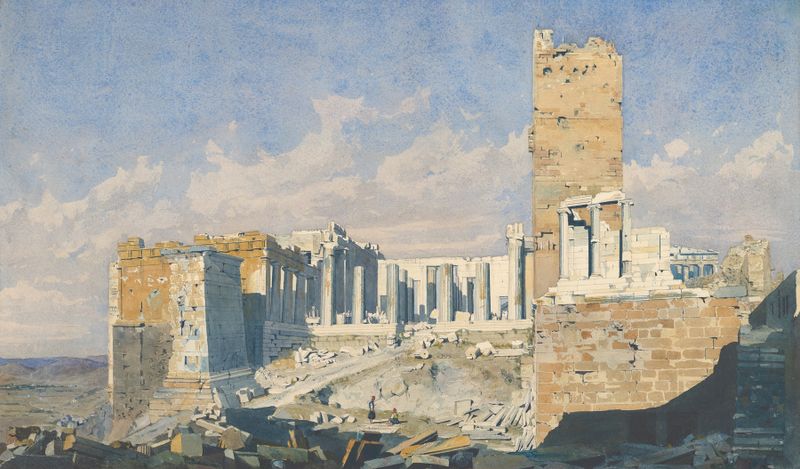
The Acropolis from the West, with the Propylaea and the Temple of Athena Nike, Athens
Thomas Hartley Cromek

The Cathedral and Palace of the Popes, Avignon
Thomas Hartley Cromek

A Glen in Sorrento
Thomas Hartley Cromek
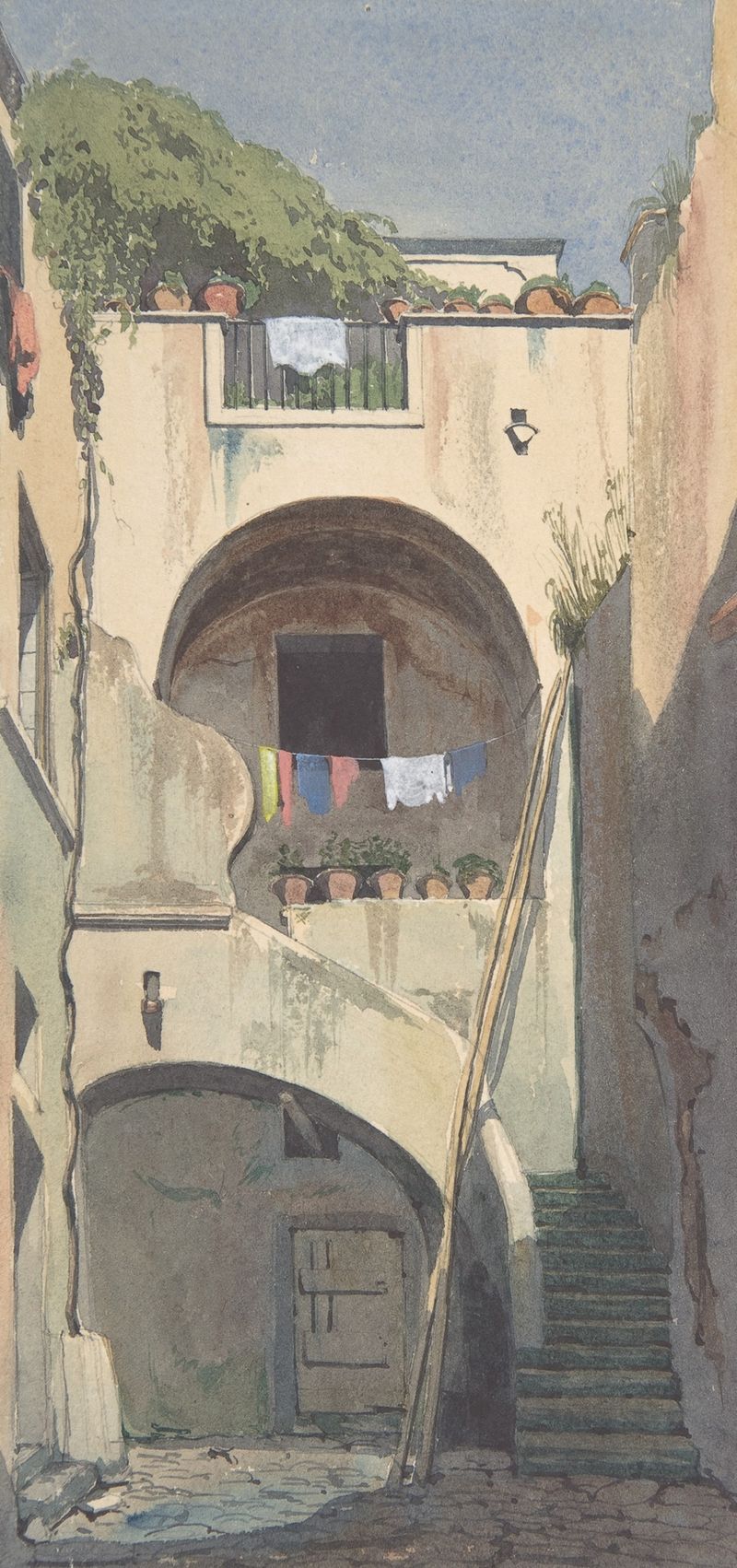
A House at Sorrento
Thomas Hartley Cromek

The Interior of the Lower Basilica of St. Francis of Assisi
Thomas Hartley Cromek

A view of the Umbrian campagna with Spoleto in the distance and a goatherd and his flock in the foreground
Thomas Hartley Cromek
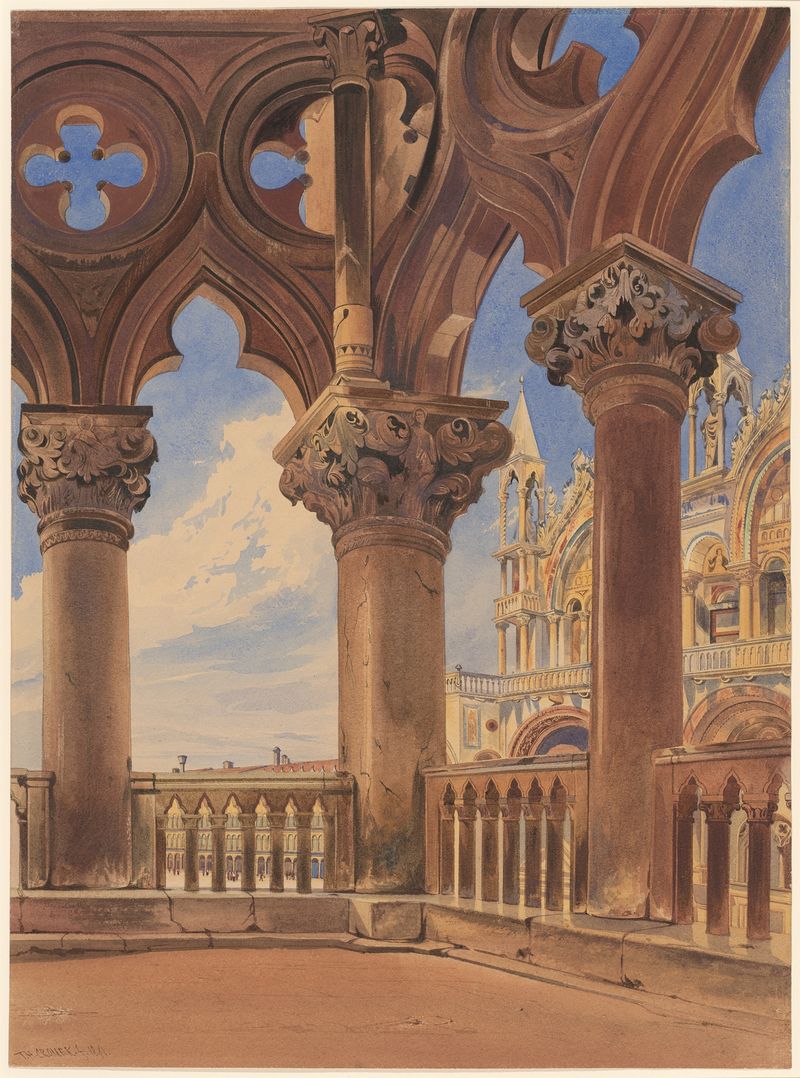
St. Marks Square from the Doges Palace
Thomas Hartley Cromek
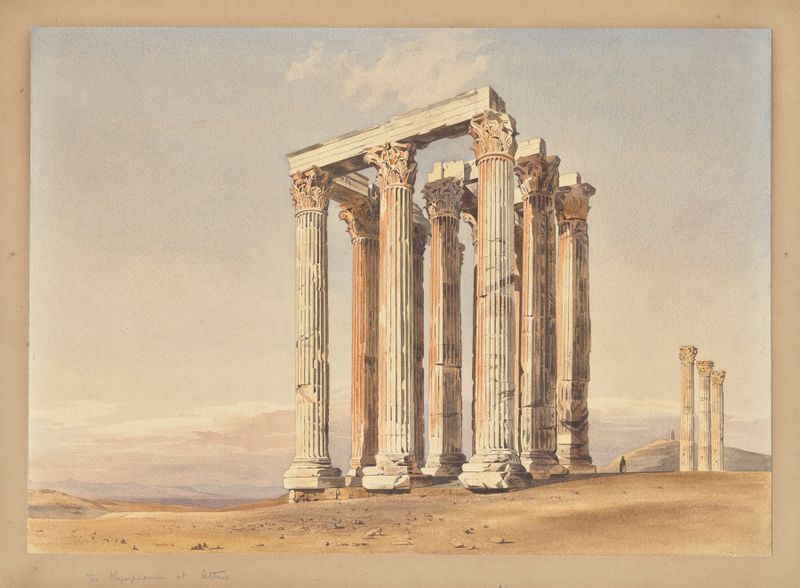
The Temple of Olympian Zeus, Athens
Thomas Hartley Cromek
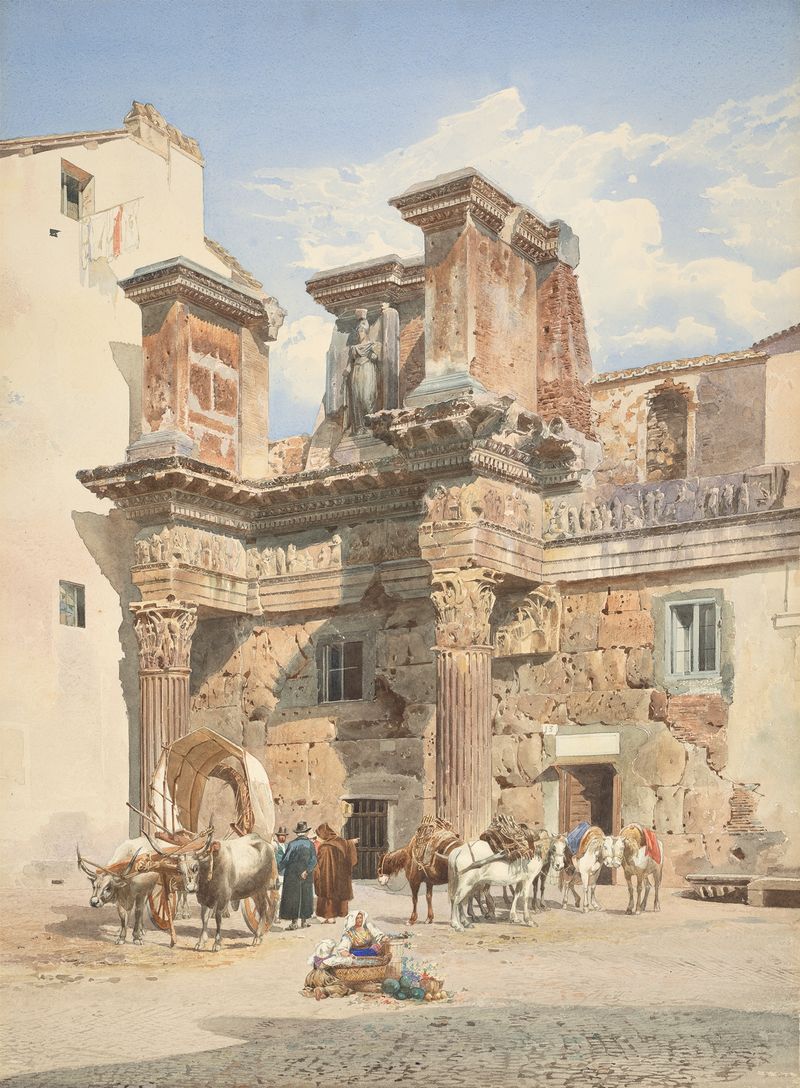
Le Colonnacce, Rome: Remains of the Inner Walls of the Forum of Nerva
Thomas Hartley Cromek
More Architecture Art
Browse all →
The statue of Liberty
Frédéric Auguste Bartholdi

View of Houses in Delft, Known as ‘The Little Street’
Johannes Vermeer

View of Houses in Delft, Known as ‘The Little Street’
Johannes Vermeer

The Cathedral in Rouen. The portal, Grey Weather
Claude Monet

The yellow house
Vincent van Gogh

The Church in Auvers-sur-Oise, View from the Chevet
Vincent van Gogh