
The Adoration of the Shepherds — History & Facts
What first catches the eye in The Adoration of the Shepherds is the way light seems to pour from the infant at the center, drawing every gaze in the scene toward him. The figures gather in a circle of awe and quiet reverence, their gestures and faces arranged in a choreography of wonder. The Virgin Mary’s hands are folded in prayer, her expression calm and inward, while the shepherds lean forward, their rough clothes and earnest faces contrasting with the elegant angels above.
Overhead, a cluster of cherubs hovers, their forms almost weightless, casting delicate lines of golden light that connect heaven and earth. The landscape beyond opens to a cool blue distance, suggesting the world outside this moment of revelation. Painted between 1539 and 1540, this work belongs to a tradition that flourished in Renaissance Italy, when artists like Agnolo Bronzino were called upon to create images that fused devotion with the ideals of beauty and harmony. Such paintings were often commissioned for private chapels or altars, intended to inspire meditation and awe in their viewers.
In this era, the Adoration of the Shepherds was a favored subject, offering artists a chance to explore the meeting of the divine and the humble, the miraculous and the everyday. History has kept few traces of the specific journey of this painting, but its presence in an online collection today allows us to linger over Bronzino’s careful arrangement of figures, the luminous color, and the sense of stillness that invites us to look again.
More Artworks by Agnolo Bronzino

Eleonora Of Toledo
Agnolo Bronzino
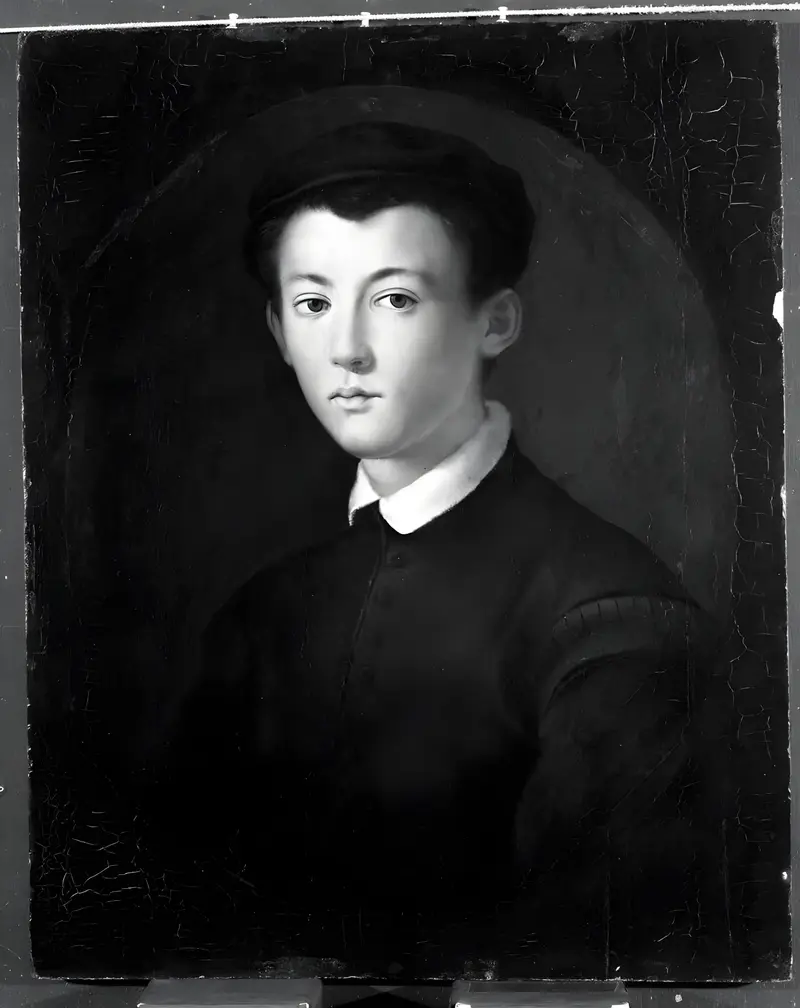
Portrait of a Young Man
Agnolo Bronzino
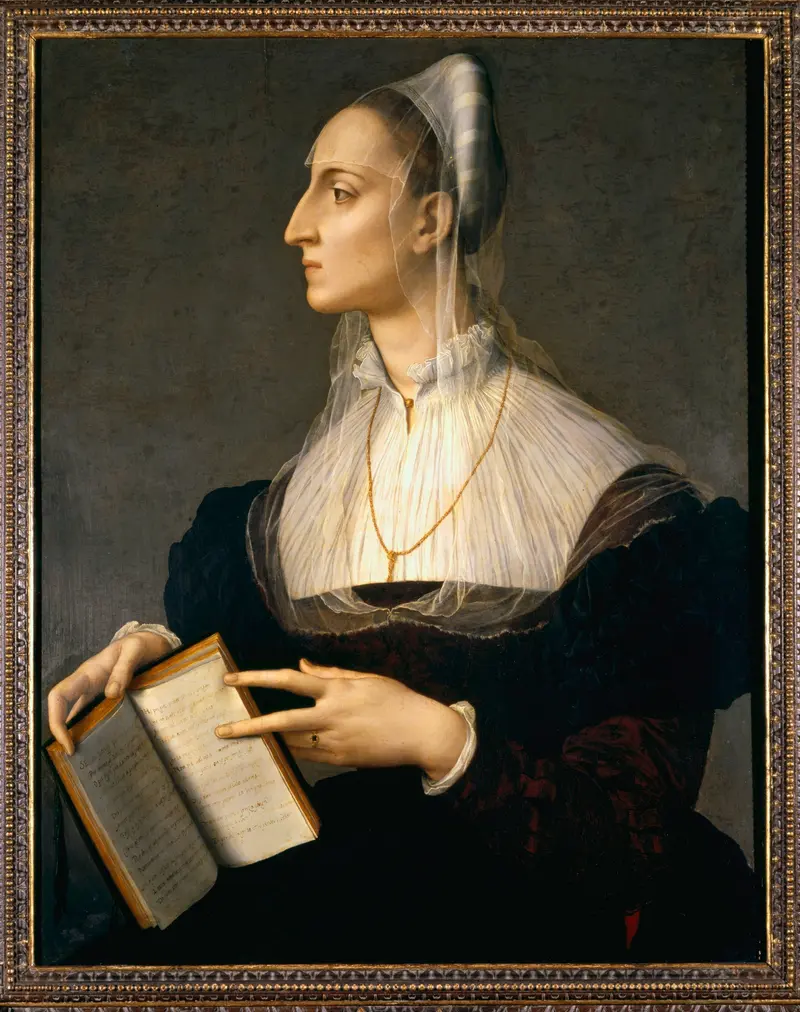
Portrait Of Laura Battiferri
Agnolo Bronzino
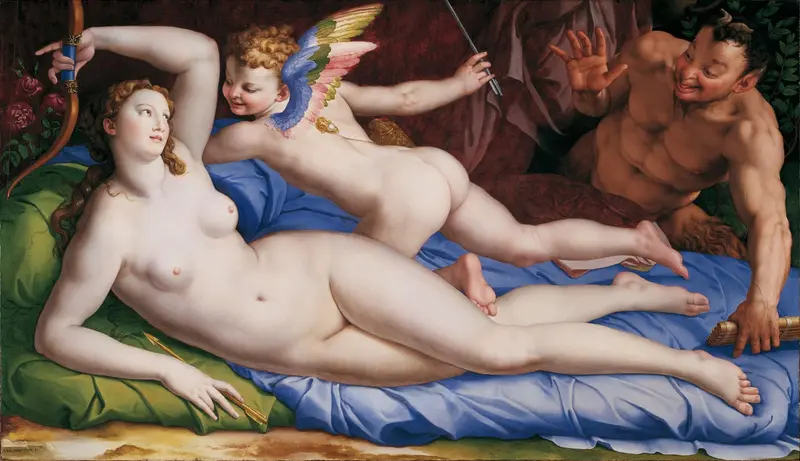
Venus, Cupid And Satyr
Agnolo Bronzino
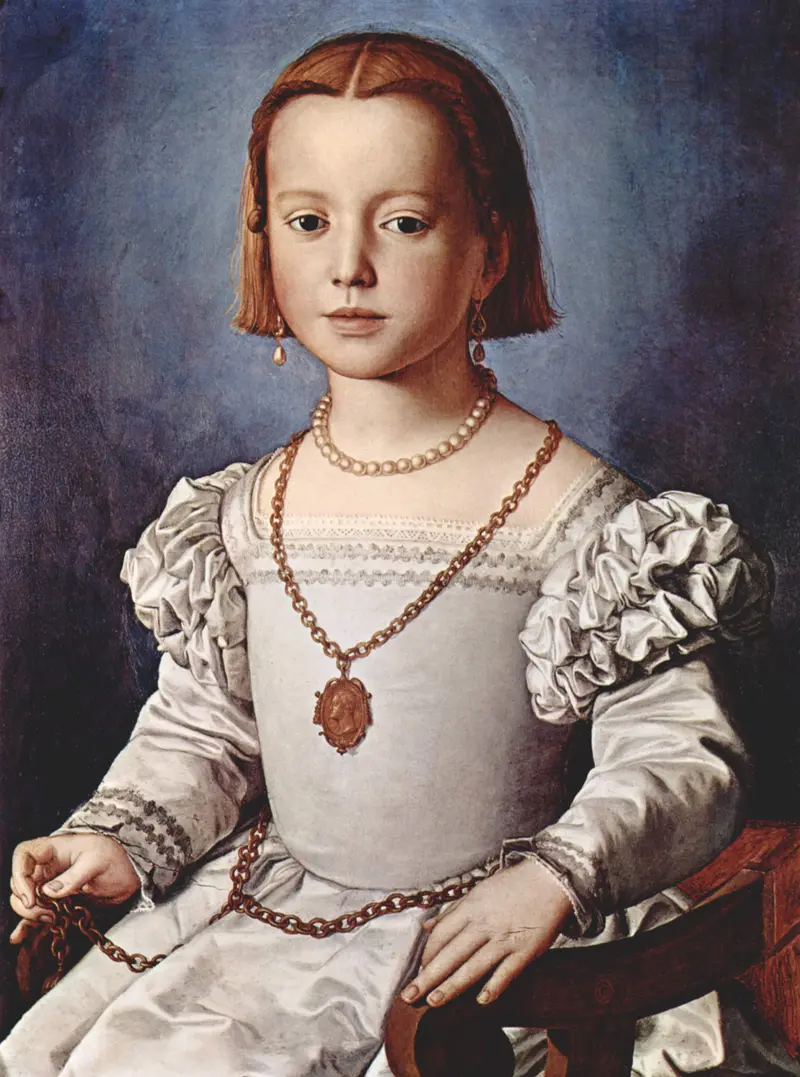
Bia Di Cosimo De‘ Medici
Agnolo Bronzino
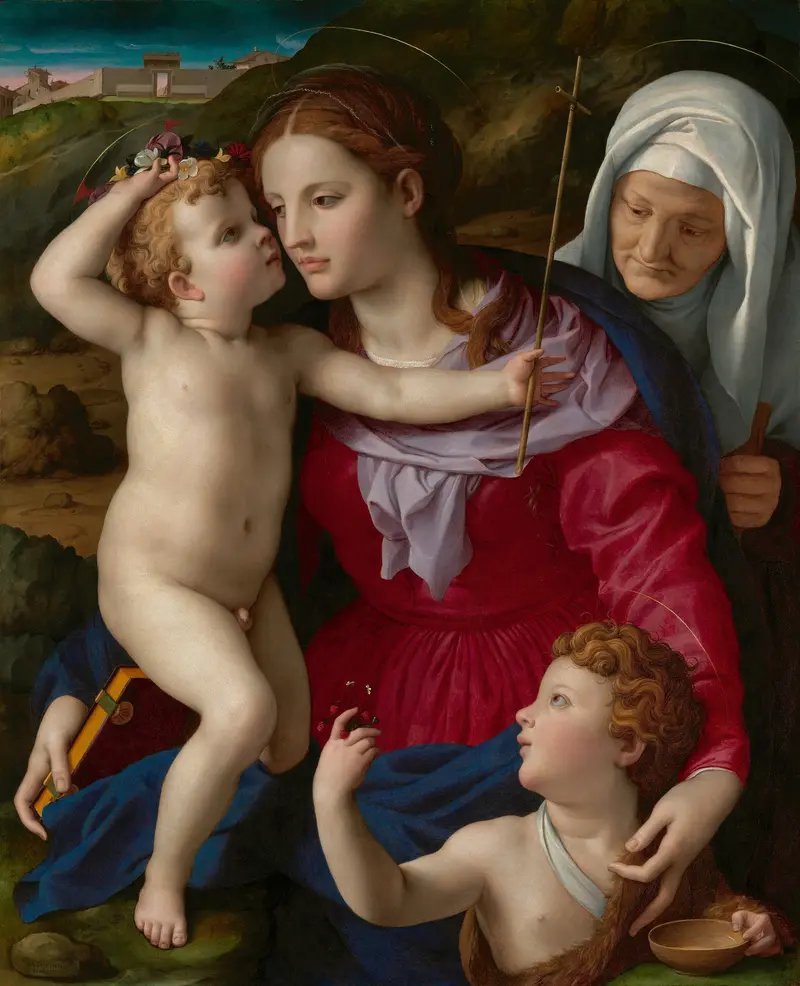
Virgin and Child with Saint Elizabeth and Saint John the Baptist
Agnolo Bronzino
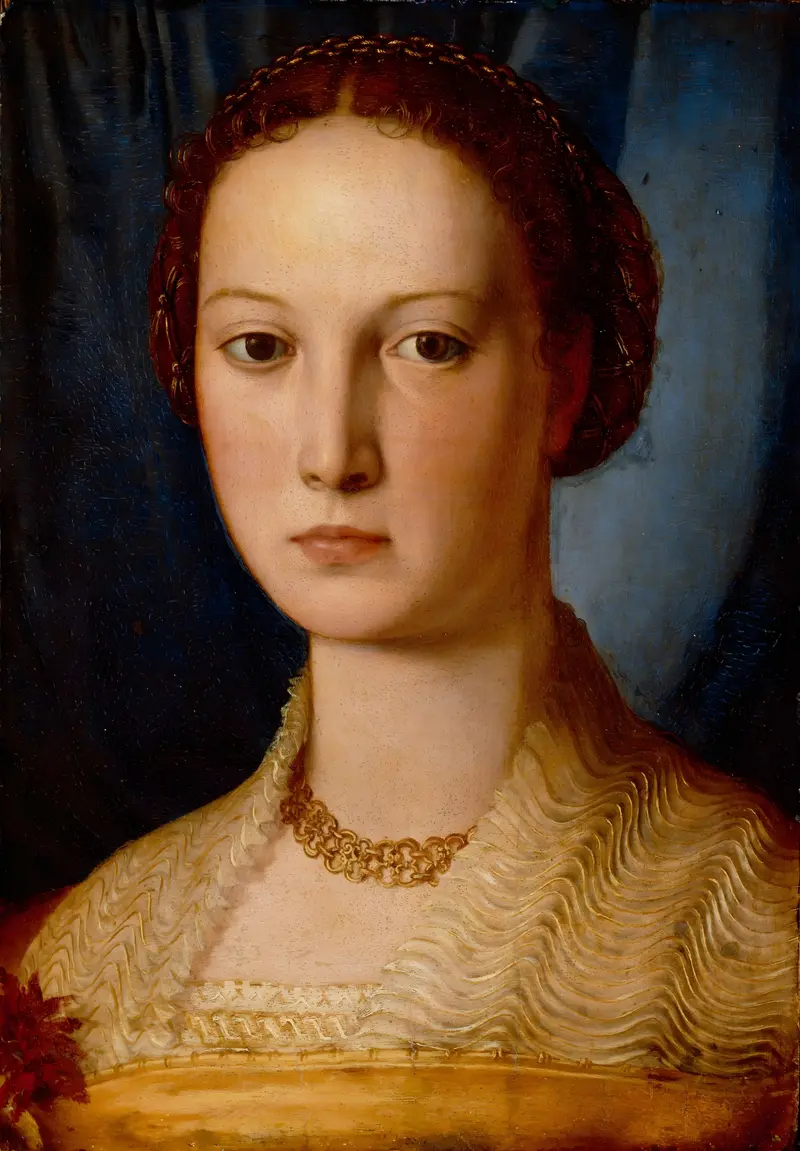
Costanza Da Sommaia
Agnolo Bronzino
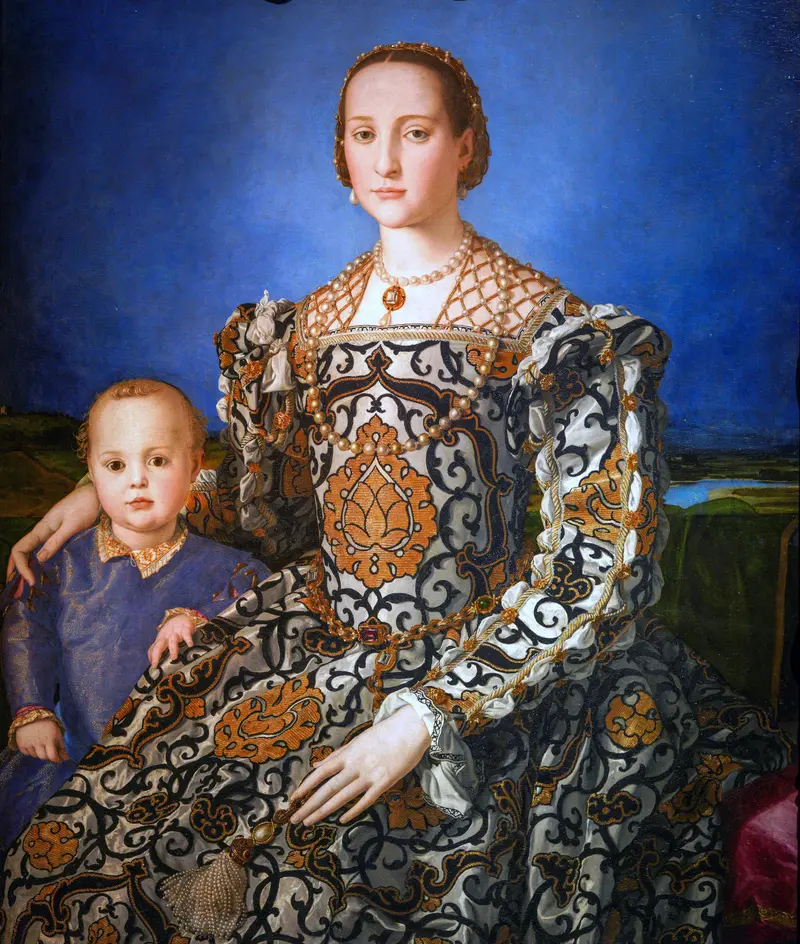
Portrait of Eleanor of Toledo with Her Son Giovanni de’ Medici
Agnolo Bronzino
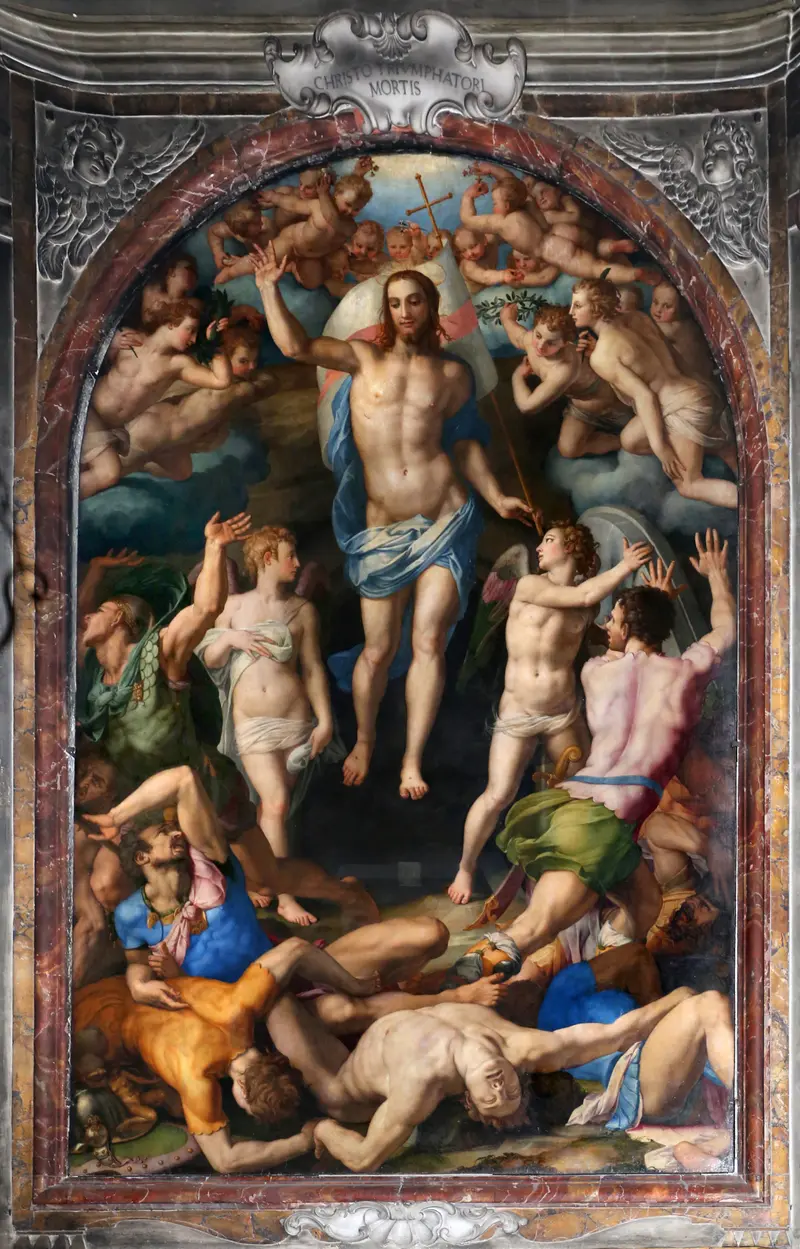
Resurrection Of Christ
Agnolo Bronzino
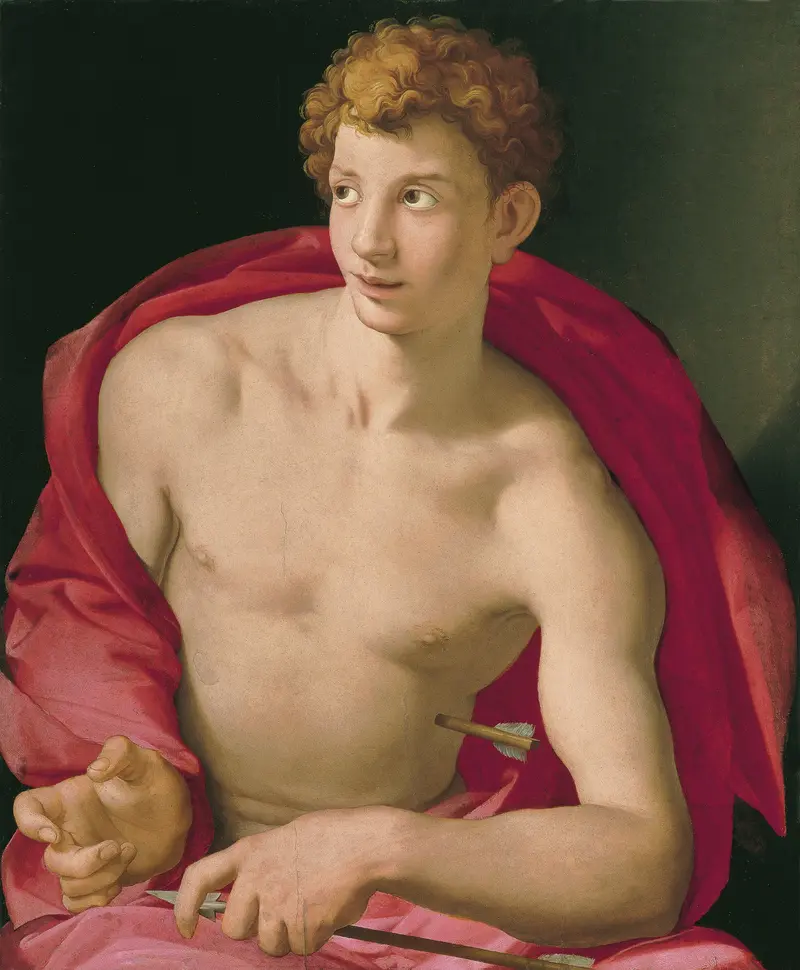
Saint Sebastian
Agnolo Bronzino





