
The Agony in the Garden — History & Facts
In the stillness of the night, a solitary figure kneels on the damp earth, his brow furrowed in anguish. The moonlight spills softly over the garden, illuminating the twisted branches and the weight of impending fate that hangs in the air. Shadows dance as if in response to the tension, whispering secrets of sacrifice and innocence lost. Look to the left at the figure's delicate hands, clasped tightly in prayer, the chiaroscuro technique emphasizing the contrast between light and darkness.
The soft greens and blues of the foliage envelop him, creating a serene yet foreboding atmosphere, while the warm radiance of the moon casts a gentle glow on his sorrowful visage. Each brushstroke conveys a profound sense of turmoil, capturing both the tranquility of the garden and the inner turmoil of its lone inhabitant. Beneath the surface lies a profound emotional dichotomy: innocence grappling with the weight of future betrayals. The contrasting elements of the serene garden and the figure's torment reflect the tension between peace and conflict, purity and impending sacrifice.
The delicate flowers, vibrant yet fragile, mirror the fragility of the human spirit when faced with destiny, inviting the viewer to ponder the price of innocence. This work, created between 1425 and 1430 by an unidentified artist, reflects a pivotal moment in the evolution of medieval painting. It emerged during a time when artists began to explore more complex narratives and emotional depth, moving towards the Renaissance ideals that celebrated human emotion and experience. The artist captured the poignancy of a moment that resonates across centuries, inviting the viewer into a dialogue on sacrifice and the essence of humanity.
More Artworks by Unidentified artist
Browse all →
Self-portrait with a Bandaged Ear and Pipe
Unidentified artist

Feast in the House of Levi
Unidentified artist
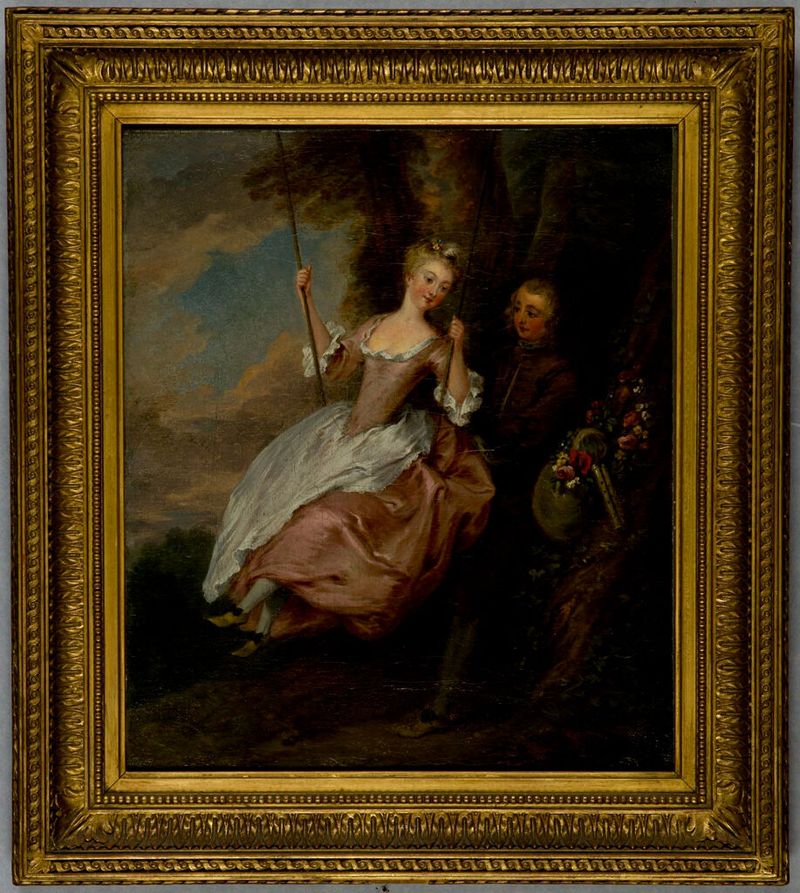
The Swing
Unidentified artist

Geoffrey Chaucer (1340?-1400)
Unidentified artist

Portrait of Michelangelo after the "Strozzi" original in the Uffizi Gallery
Unidentified artist
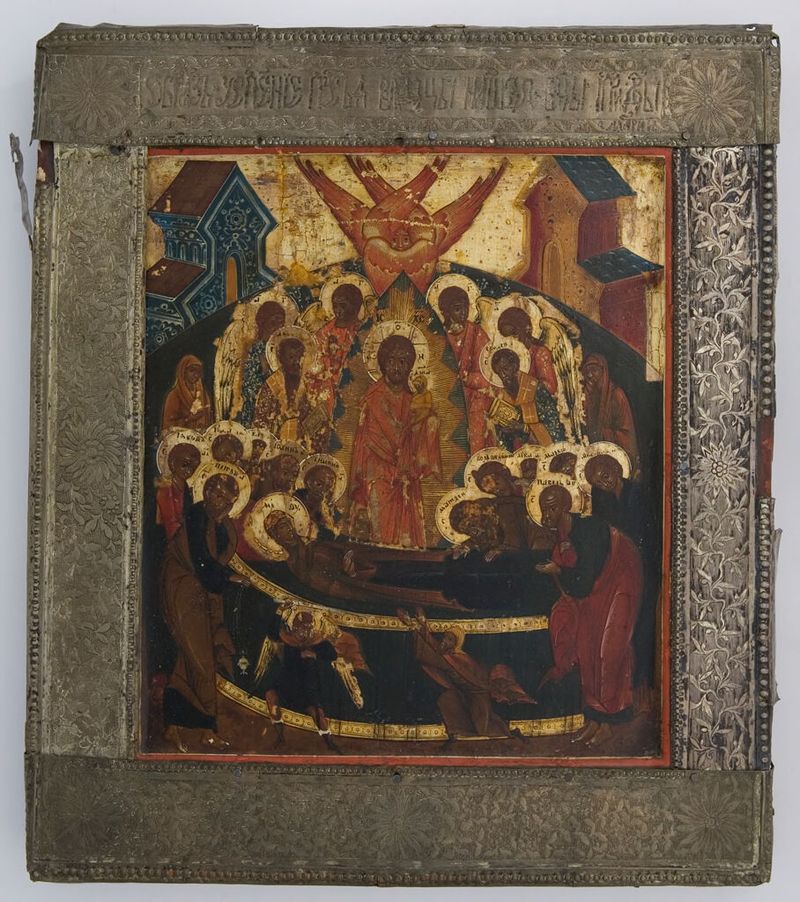
Dormition of the Virgin
Unidentified artist

Charles I (after a van Dyck painting in the Staatliche Museen, Gemaldegalerie, Dresden)
Unidentified artist

Madonna and Child
Unidentified artist

John Winthrop, the Younger (1606-1676)
Unidentified artist

Crucifix with the Virgin and Saint John the Evangelist, Christ the Redeemer, and a Praying Woman
Unidentified artist
More Religious Art
Browse all →
The Return of the Prodigal Son
Rembrandt van Rijn

The Garden of Earthly Delights
El Bosco

Count Orgaz’ funeral
El Greco

The Hundred Guilder Print: the central piece with Christ preaching, the plate arched
Rembrandt van Rijn

The Descent from the Cross
Rogier van der Weyden

The return of the prodigal son
Rembrandt van Rijn