
The Agony in the Garden — History & Facts
In the quiet of a moonlit garden, shadows stretch long and whisper secrets among gnarled branches. A figure kneels, face contorted in anguish, hands pressed to the earth—a moment suspended between despair and the weight of impending fate. The air is thick with tension, the stillness broken only by the soft rustle of leaves, as if nature itself holds its breath, keenly aware of the turmoil unfolding. Look to the center of the canvas where the figure's anguish captures immediate attention, deepening the emotional gravity of the scene.
Notice how the soft blues and earthy greens swirl around him, creating an atmosphere of both serenity and sorrow. The interplay of light and shadow brings depth to his features, highlighting the furrowed brow and clenched fists, while the surrounding foliage wraps around him like an embrace, suggesting both isolation and support in this pivotal moment. Amidst the palpable despair, there lies an awakening—a foreshadowing of transformation. The stark contrast between the peaceful garden and the figure's inner turmoil highlights the conflict between divine purpose and human emotion.
Delicate flowers at the margins hint at hope and renewal, suggesting that even in the depths of agony, beauty persists. This duality invites the viewer to reflect upon their own struggles and moments of revelation. Created around 1490, this piece emerges from a time when the Northern Renaissance was flourishing, characterized by intricate detail and emotive storytelling. The artist, though unidentified, worked in an environment charged with spiritual inquiry and burgeoning humanism, as artists began to reflect deeper psychological and emotional experiences.
This work resonates with the era's exploration of faith and the human condition, encapsulating a moment of profound significance in both art and spirituality.
More Artworks by Unidentified artist
Browse all →
Self-portrait with a Bandaged Ear and Pipe
Unidentified artist

Feast in the House of Levi
Unidentified artist
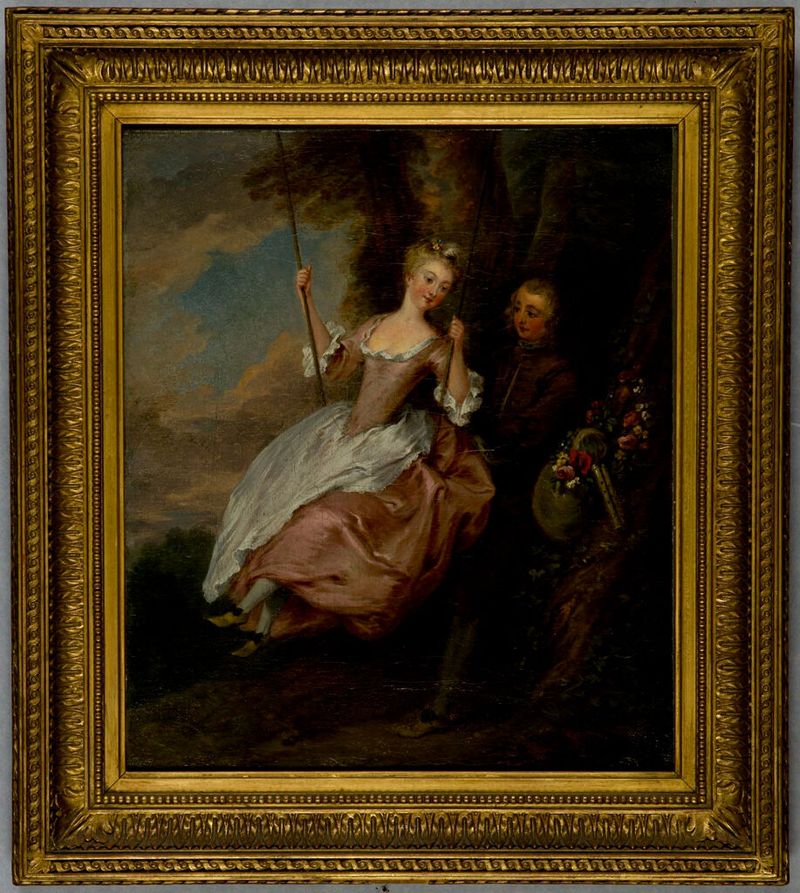
The Swing
Unidentified artist

Geoffrey Chaucer (1340?-1400)
Unidentified artist

Portrait of Michelangelo after the "Strozzi" original in the Uffizi Gallery
Unidentified artist
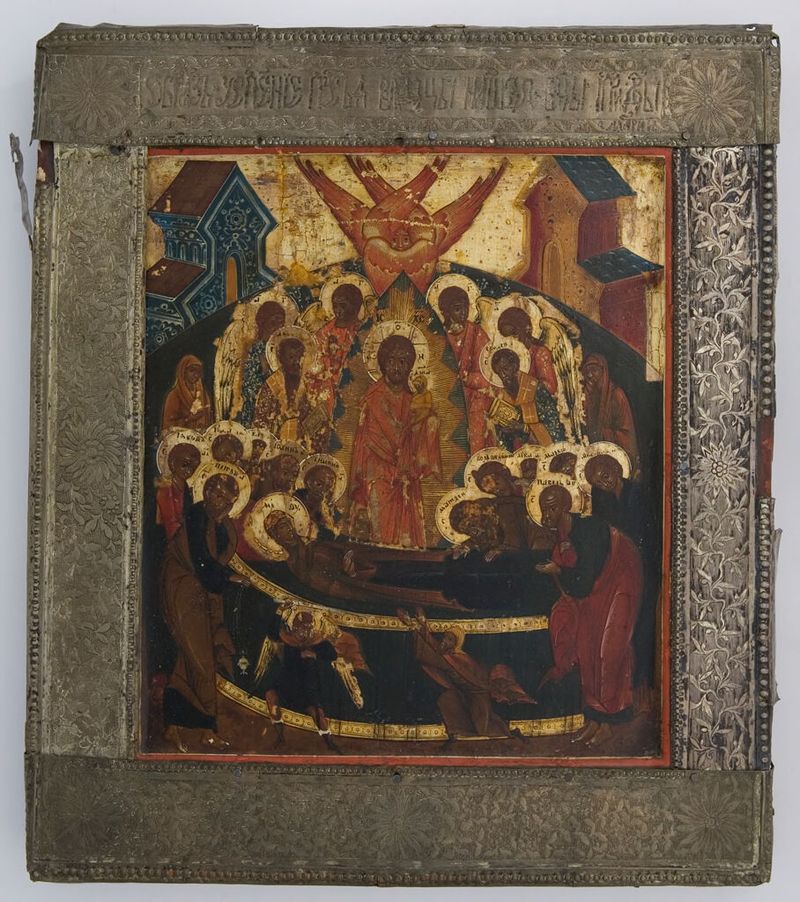
Dormition of the Virgin
Unidentified artist

Charles I (after a van Dyck painting in the Staatliche Museen, Gemaldegalerie, Dresden)
Unidentified artist

Madonna and Child
Unidentified artist

John Winthrop, the Younger (1606-1676)
Unidentified artist

Crucifix with the Virgin and Saint John the Evangelist, Christ the Redeemer, and a Praying Woman
Unidentified artist
More Religious Art
Browse all →
The Return of the Prodigal Son
Rembrandt van Rijn

The Garden of Earthly Delights
El Bosco

Count Orgaz’ funeral
El Greco

The Hundred Guilder Print: the central piece with Christ preaching, the plate arched
Rembrandt van Rijn

The Descent from the Cross
Rogier van der Weyden

The return of the prodigal son
Rembrandt van Rijn