
The Algerian Palace at the Trocadero — History & Facts
Did the painter know this moment would outlive them? In The Algerian Palace at the Trocadero, Maxime Lalanne captures a fleeting encounter between culture and architecture, suspended in time like a breath held at the edge of a whisper. Look to the left, where intricate arabesques of the palace frame the canvas, inviting your gaze upward. Notice how the sunlight spills across the courtyard, illuminating the brilliant hues of ochre and azure that reflect the warmth of the setting sun. The composition balances the majestic architecture with lively figures, creating a dance of shadows and forms that breathes life into the painting.
Each brushstroke reveals a meticulous attention to detail, drawing you into the ornate patterns of the palace walls. Yet beneath this celebration of beauty lies an exploration of cultural synthesis and tension. The figures, both local and foreign, stride through the scene, suggesting a dialogue between the East and West, a moment of convergence that resonates with the political currents of the late 19th century. The backdrop of the palace, a testament to colonial ambitions, reminds viewers of the complexities that arise when one culture encounters another, raising questions about dominance and appreciation. In 1878, Lalanne was amidst the vibrant milieu of Paris, where the Exposition Universelle showcased global cultures.
His work reflected not only the fascination with exoticism inspired by colonial expansion but also a growing movement toward realism in art. This painting served as a subtle commentary on the world around him, capturing both the allure of the foreign and the inevitable clash of traditions, all while standing as a testament to the evolving landscape of artistic expression.
More Artworks by Maxime Lalanne
Browse all →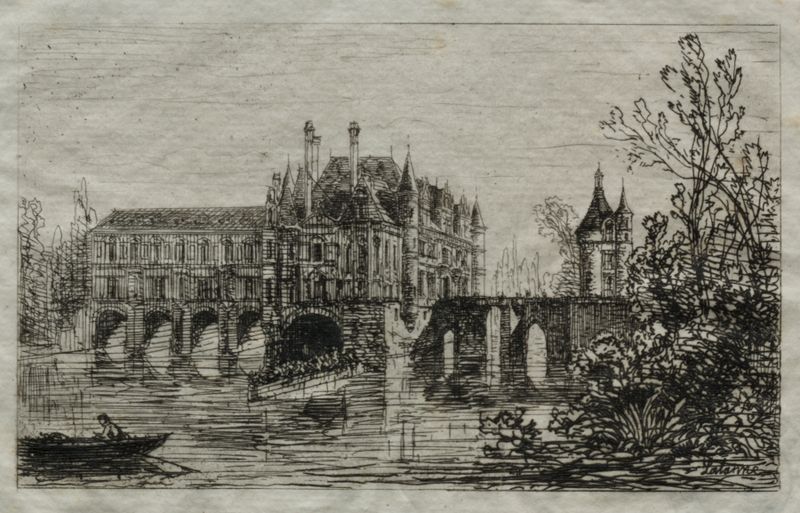
Château de Chenonceau
Maxime Lalanne
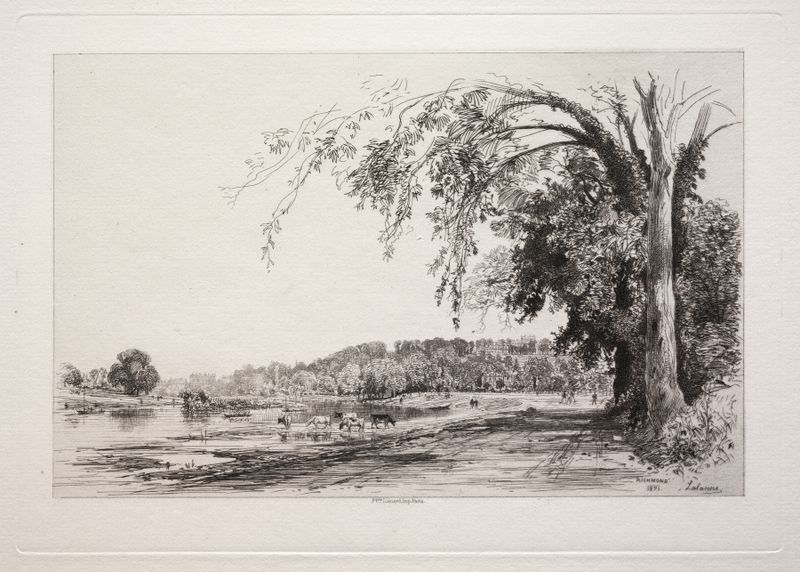
Richmond
Maxime Lalanne
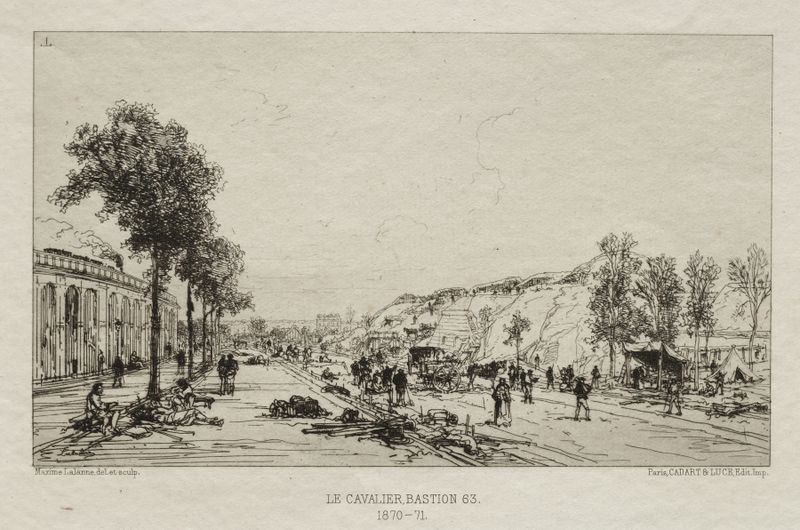
Souvenirs artistiques du Siège de Paris; Le Cavalie (Bastion 63)
Maxime Lalanne
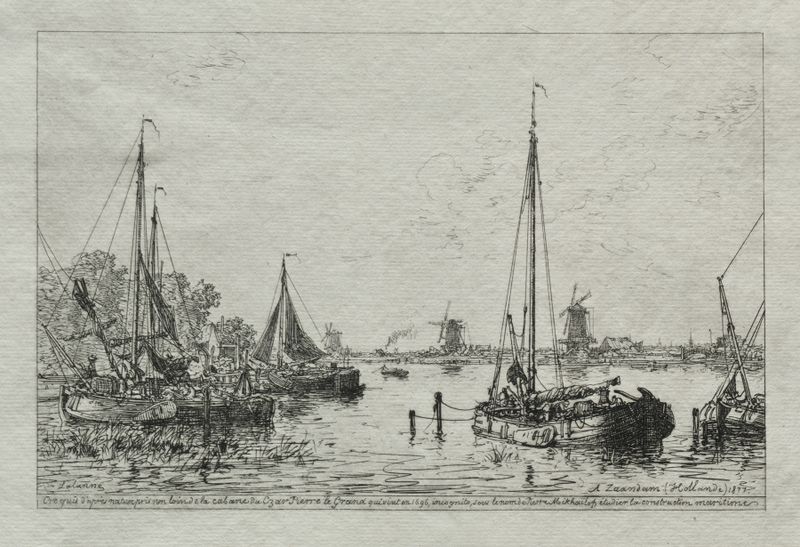
Sketch from Nature
Maxime Lalanne
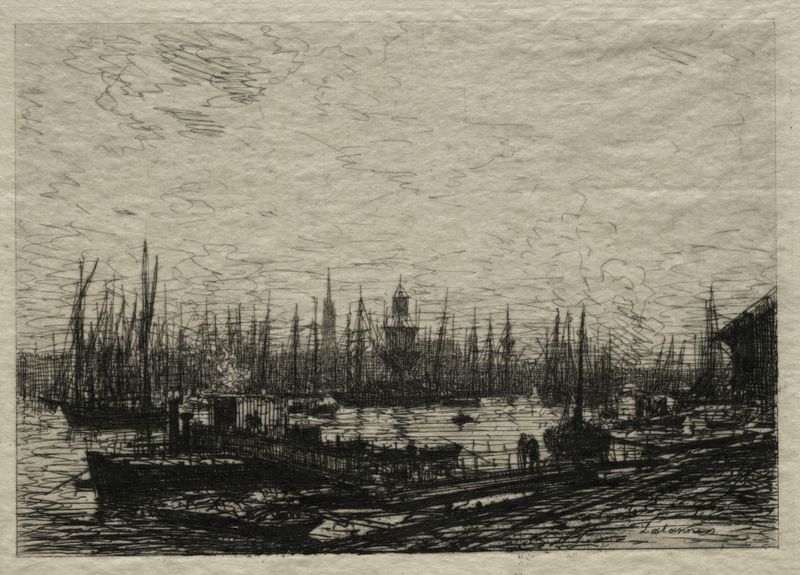
In the Bordeaux Harbor
Maxime Lalanne
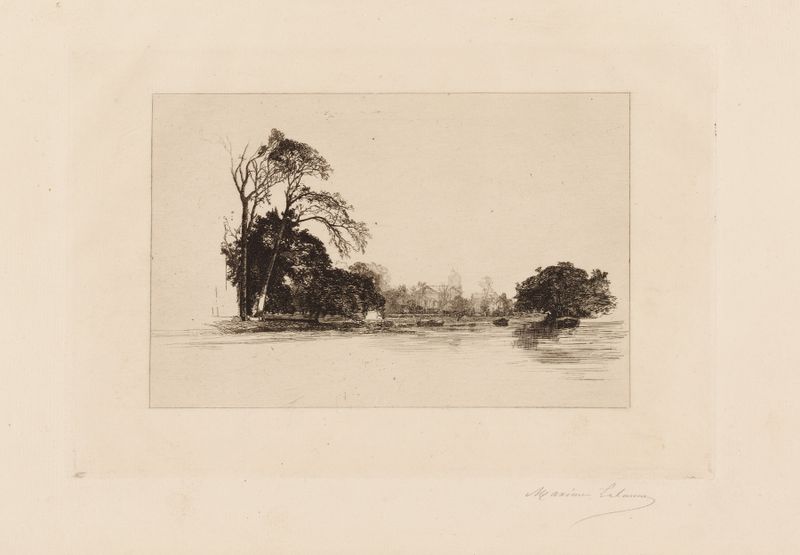
Bank of the Thames
Maxime Lalanne
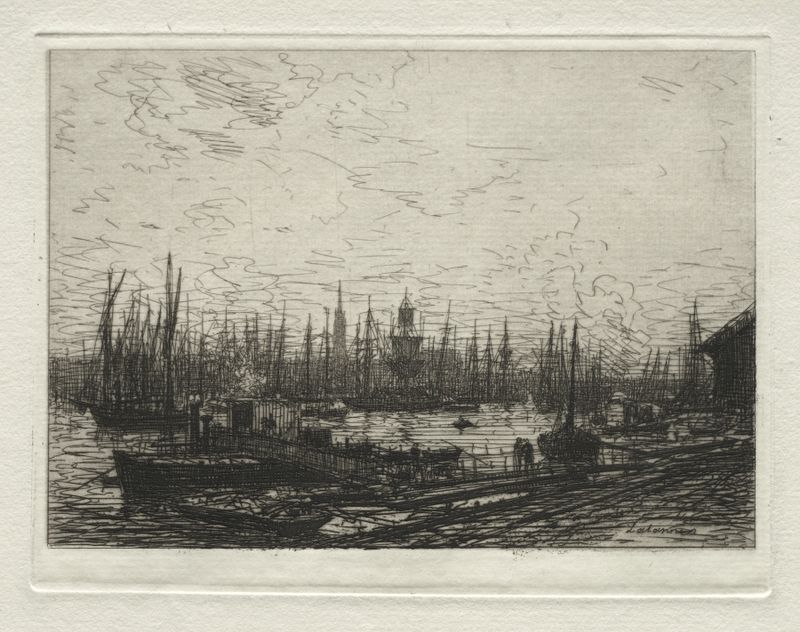
Port of Bordeaux
Maxime Lalanne
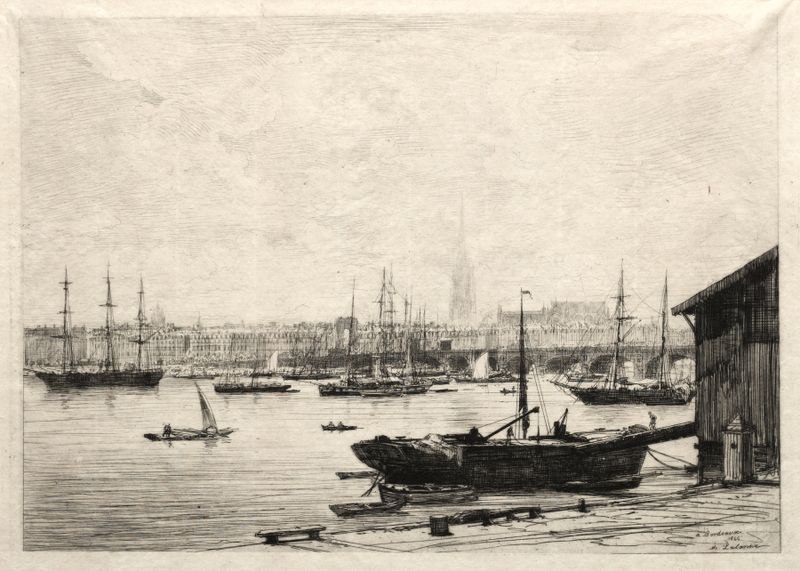
Bordeaux
Maxime Lalanne
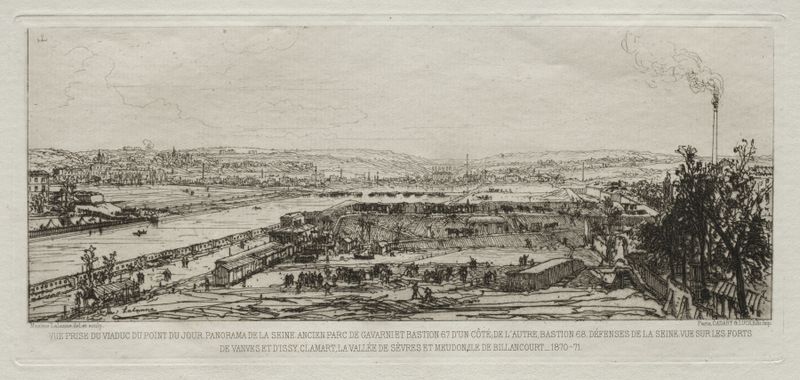
View from the Viaduct at the Pont-du-Jour, Panorama de la Seine
Maxime Lalanne
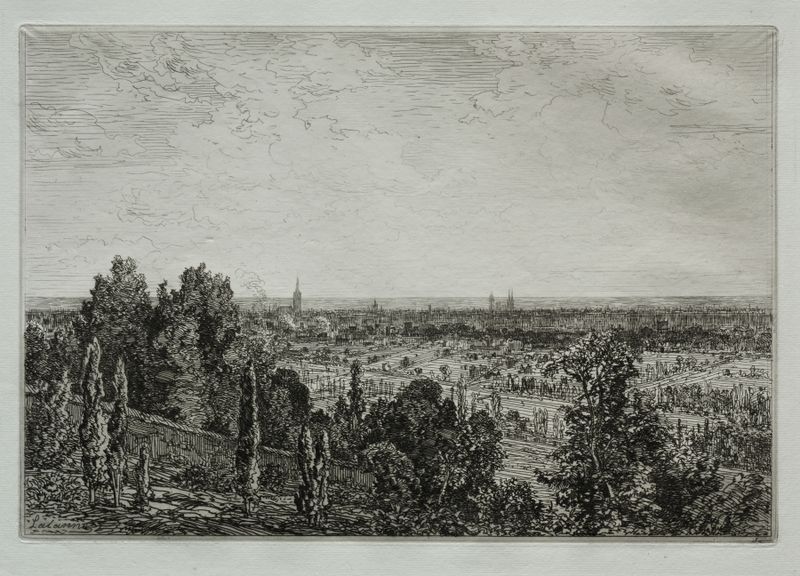
Bordeaux, View from the Coast of Cénon
Maxime Lalanne
More Architecture Art
Browse all →
The statue of Liberty
Frédéric Auguste Bartholdi

View of Houses in Delft, Known as ‘The Little Street’
Johannes Vermeer

View of Houses in Delft, Known as ‘The Little Street’
Johannes Vermeer

The Cathedral in Rouen. The portal, Grey Weather
Claude Monet

The yellow house
Vincent van Gogh

The Church in Auvers-sur-Oise, View from the Chevet
Vincent van Gogh