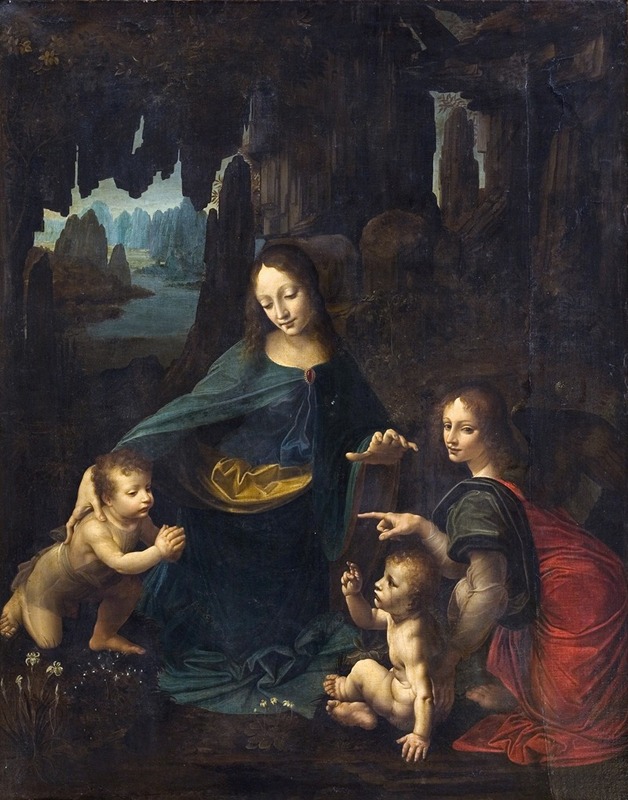
Discover insights about this artwork
The Angel Appearing to the Shepherds — History & Facts
In The Angel Appearing to the Shepherds, Rembrandt uses a rich palette of warm colors to depict a night scene. The angel, illuminated by a heavenly light, stands out against the dark background. Shepherds, awestruck, gaze at the angel, creating a sense of wonder and reverence.
The composition draws the viewer's eye to the central figure of the angel, emphasizing the moment of divine revelation. This painting is an oil on canvas, showcasing Rembrandt's characteristic use of chiaroscuro, which enhances the dramatic effect of the scene. The figures are rendered with great detail, showcasing individual expressions and gestures that convey emotion. The light source, emanating from the angel, creates a stark contrast with the surrounding darkness, highlighting the miraculous event.
The dimensions of the painting are approximately 130 x 160 cm, making it a significant work in size. Rembrandt van Rijn, a leading figure of the Dutch Golden Age, created this work around 1646. Known for his innovative use of light and shadow, this painting exemplifies his ability to convey deep emotion through his subjects. An interesting fact about this work is that it reflects the artist's interest in biblical themes, which were prevalent in his later works.
The painting remains a powerful representation of faith and divine intervention in everyday life.
More Artworks by Rembrandt van Rijn
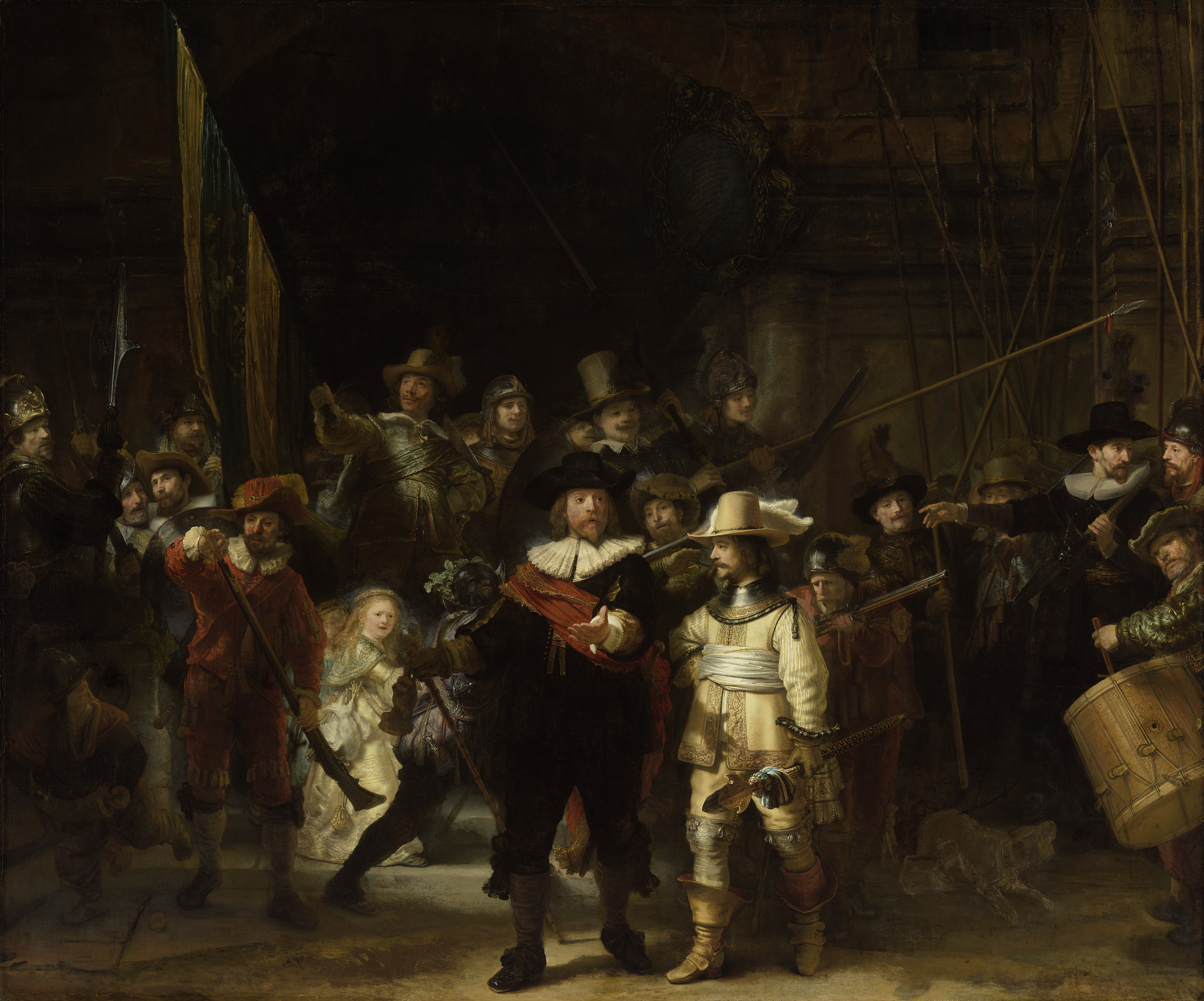
The Night Watch Militia Company of District II under the Command of Captain Frans Banninck Cocq
Rembrandt van Rijn
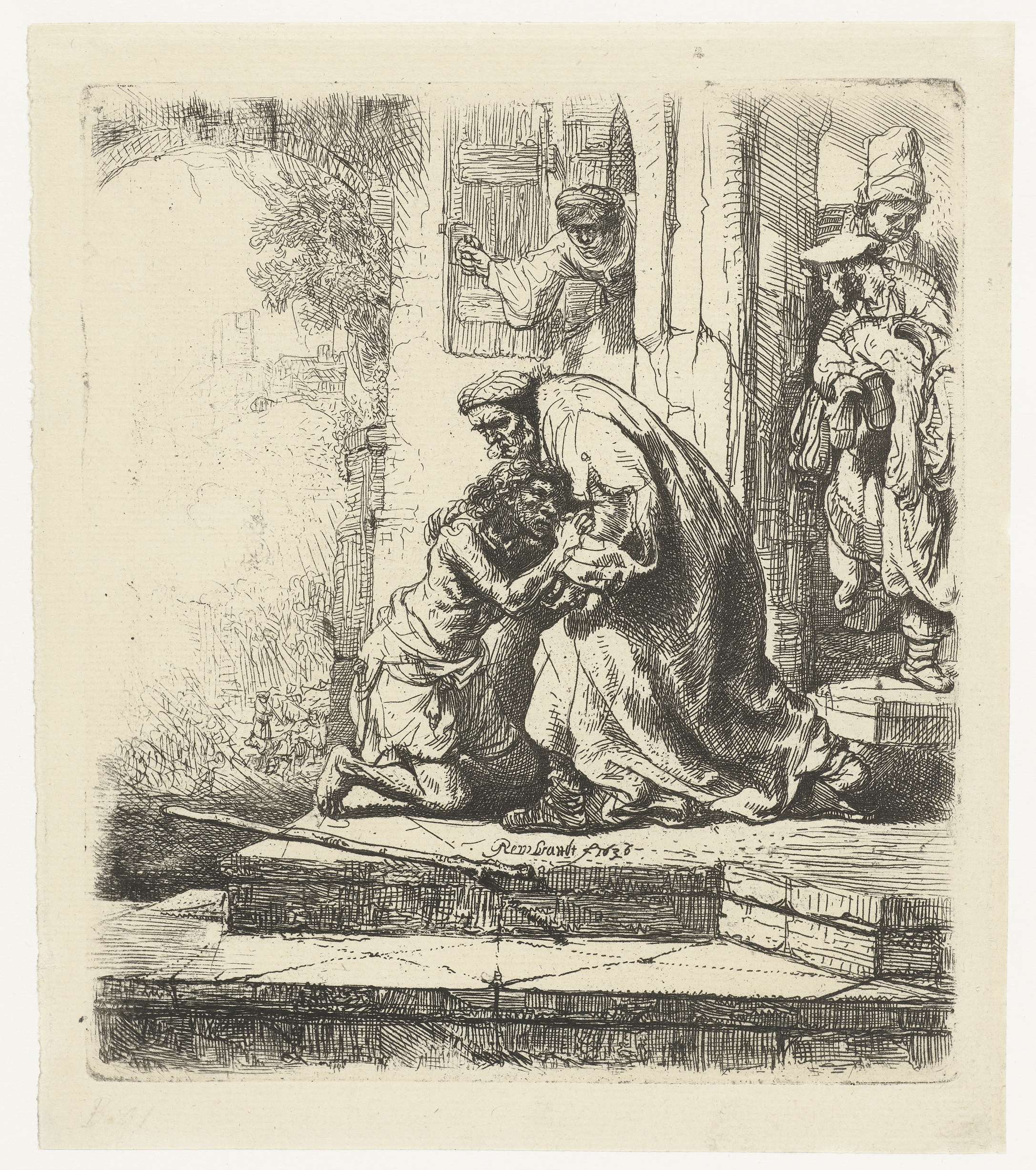
The Return of the Prodigal Son
Rembrandt van Rijn
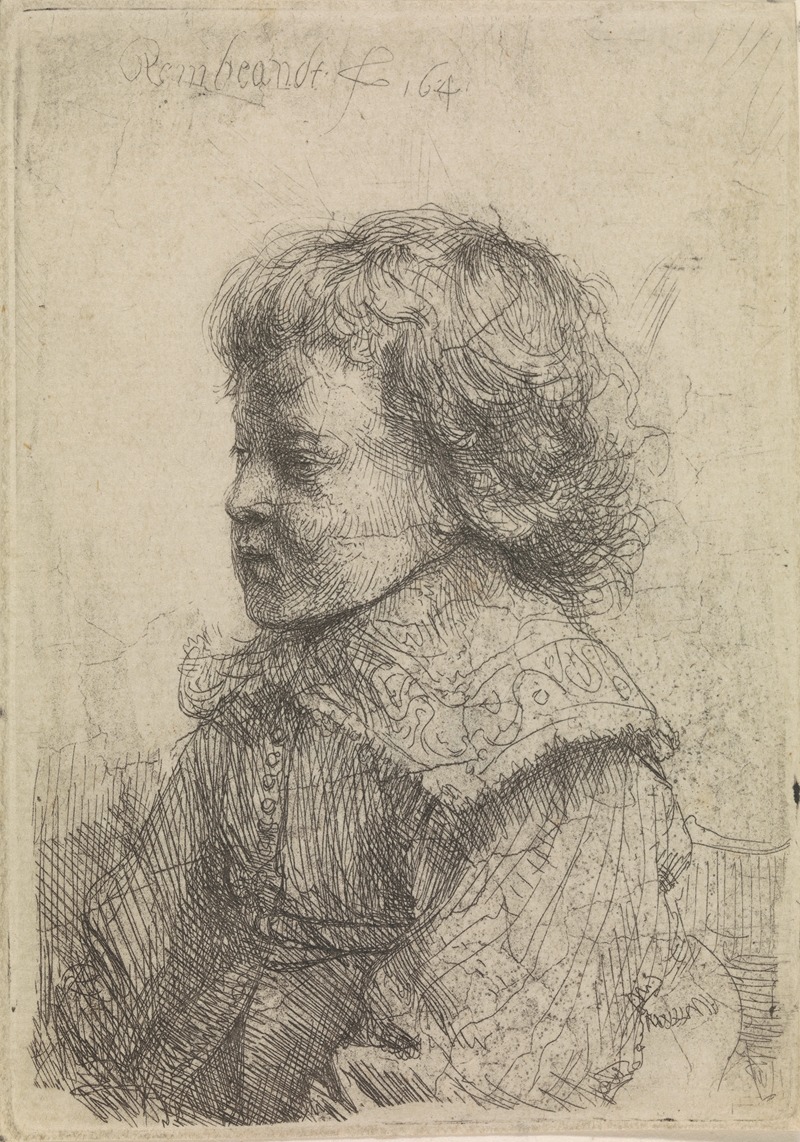
Portrait of a boy in profile
Rembrandt van Rijn
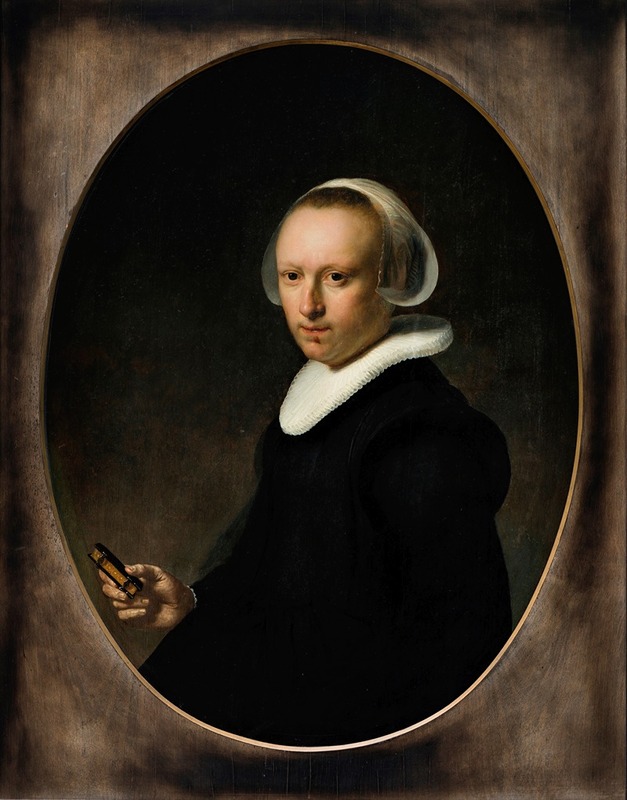
Portrait of a 39-year-old Woman
Rembrandt van Rijn
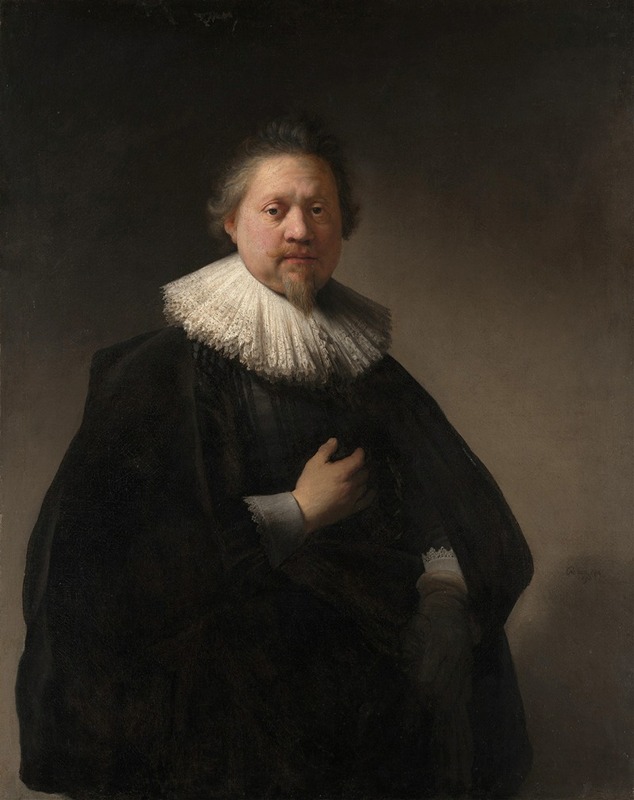
Portrait of a Man
Rembrandt van Rijn
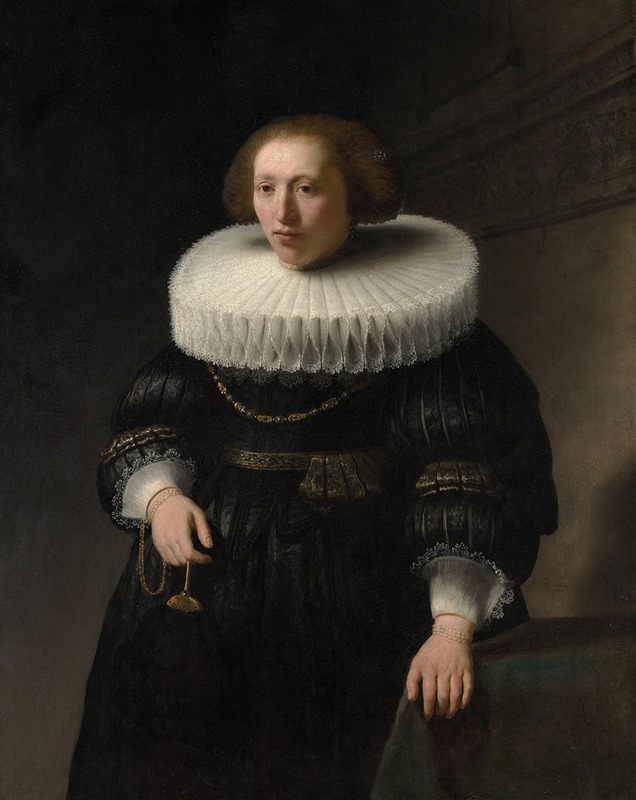
Portrait of a Woman
Rembrandt van Rijn
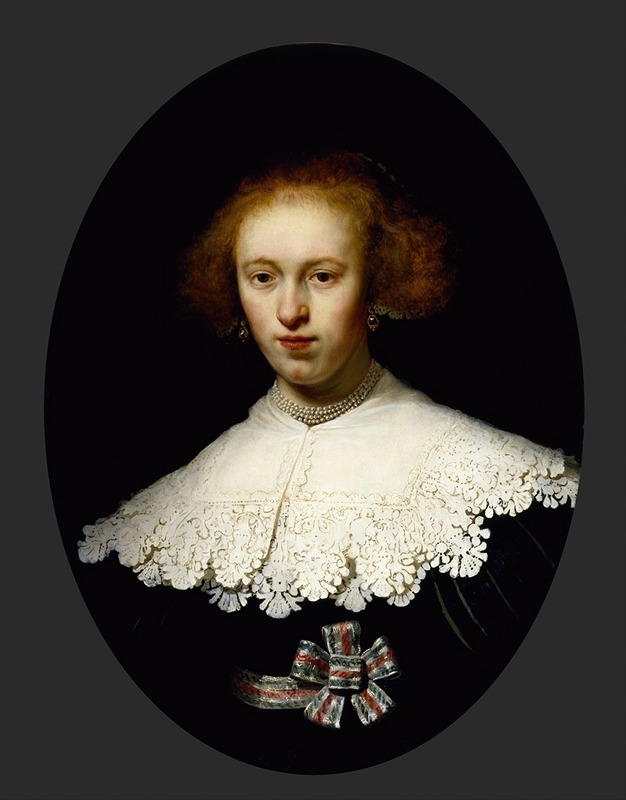
Portrait of a Young Woman
Rembrandt van Rijn
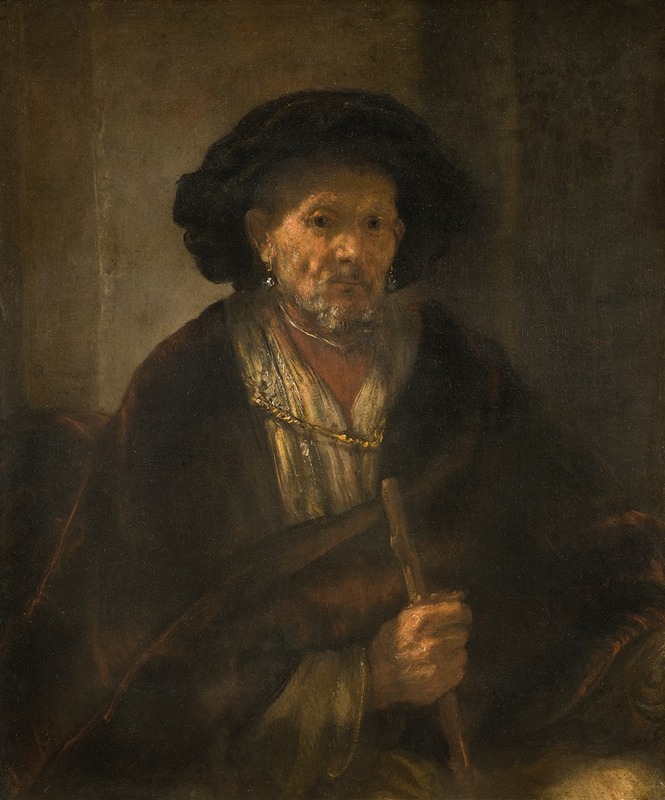
Portrait of an Old Man
Rembrandt van Rijn
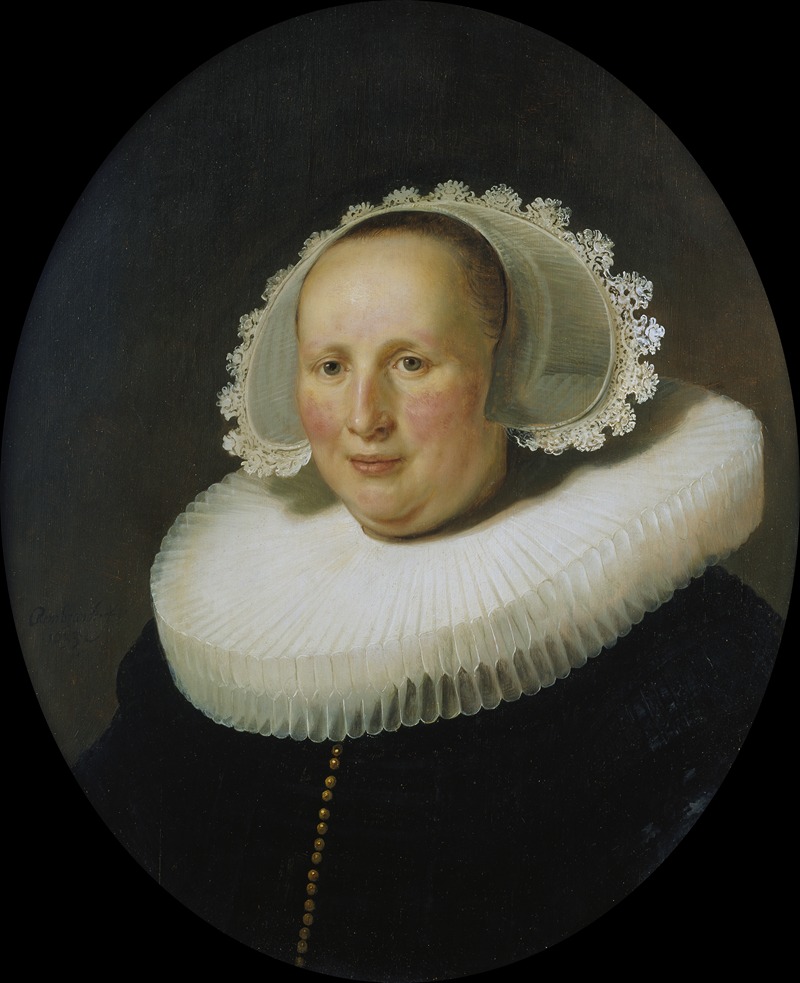
Portrait of Maertgen van Bilderbeecq
Rembrandt van Rijn
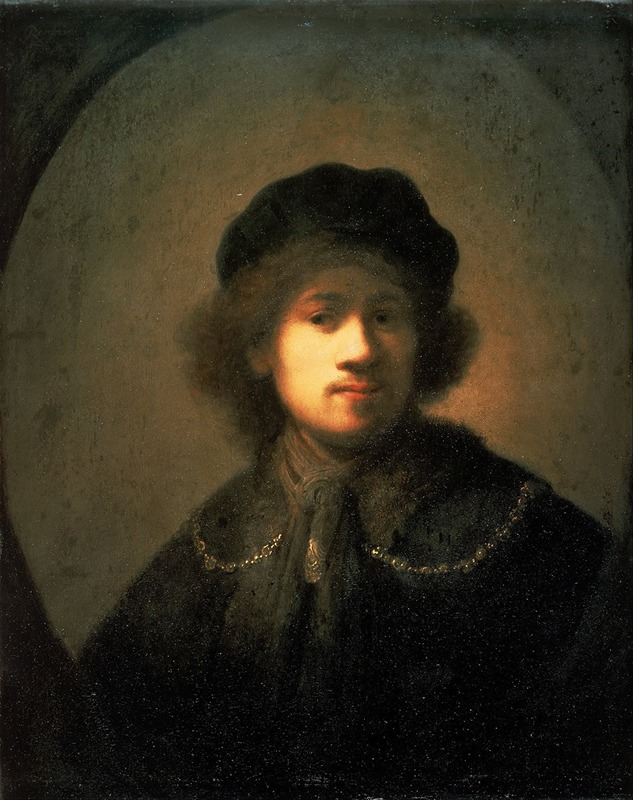
Portrait of the Artist as a Young Man
Rembrandt van Rijn