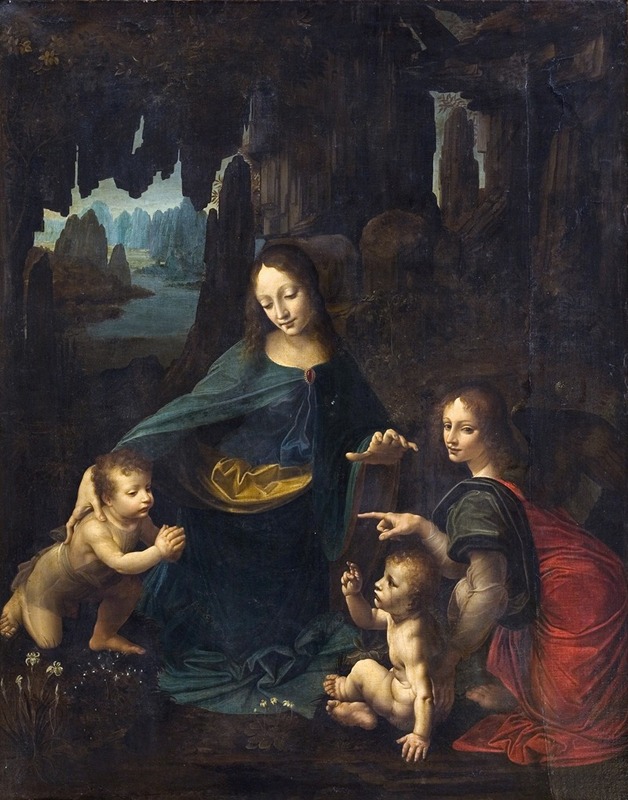
Discover insights about this artwork
The Angel Appearing to the Shepherds — History & Facts
In The Angel Appearing to the Shepherds, Rembrandt uses a rich palette of warm colors, primarily golds and browns, to create a dramatic scene. The figures of the shepherds are depicted in awe, illuminated by the angel's radiant light. The setting is a nighttime landscape, enhancing the contrast between light and shadow.
This interplay creates a sense of depth and draws the viewer's eye towards the angelic figure. The painting is characterized by Rembrandt's signature use of chiaroscuro, where light and shadow are used to enhance the emotional impact. The angel is shown in a flowing robe, with delicate features that convey both grace and authority. The brushwork is loose yet precise, allowing for a dynamic representation of movement.
The overall composition guides the viewer's gaze from the shepherds to the angel, emphasizing the moment of revelation. Rembrandt van Rijn, a leading figure of the Dutch Golden Age, created this work during a time of personal and professional challenges. The Angel Appearing to the Shepherds reflects his deep interest in biblical themes and human emotion. An interesting fact about this painting is that it was likely commissioned for a specific church, showcasing Rembrandt's ability to blend religious narrative with dramatic artistry.
This work remains a testament to his innovative approach to light and storytelling in art.
More Artworks by Rembrandt van Rijn
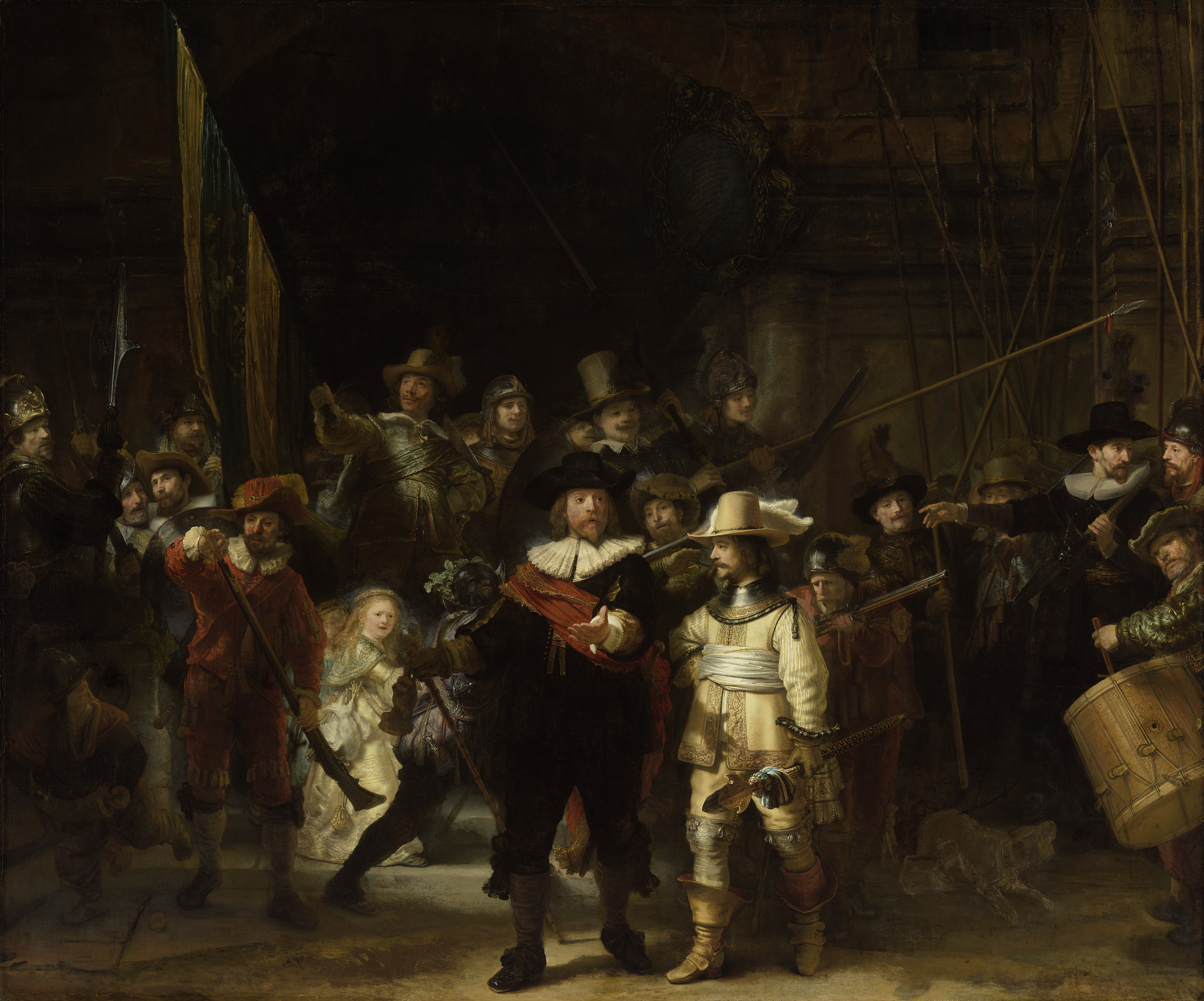
The Night Watch Militia Company of District II under the Command of Captain Frans Banninck Cocq
Rembrandt van Rijn
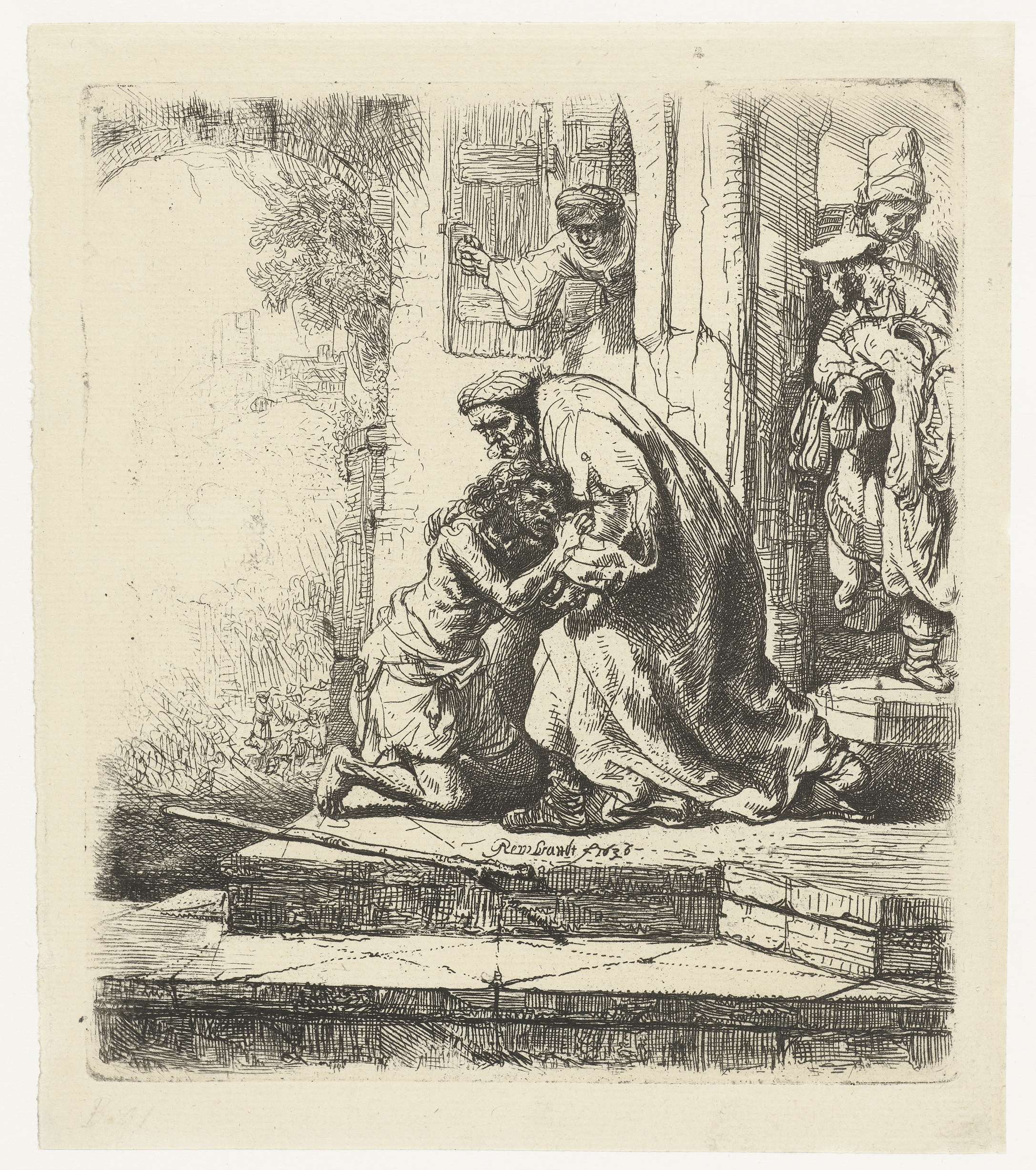
The Return of the Prodigal Son
Rembrandt van Rijn
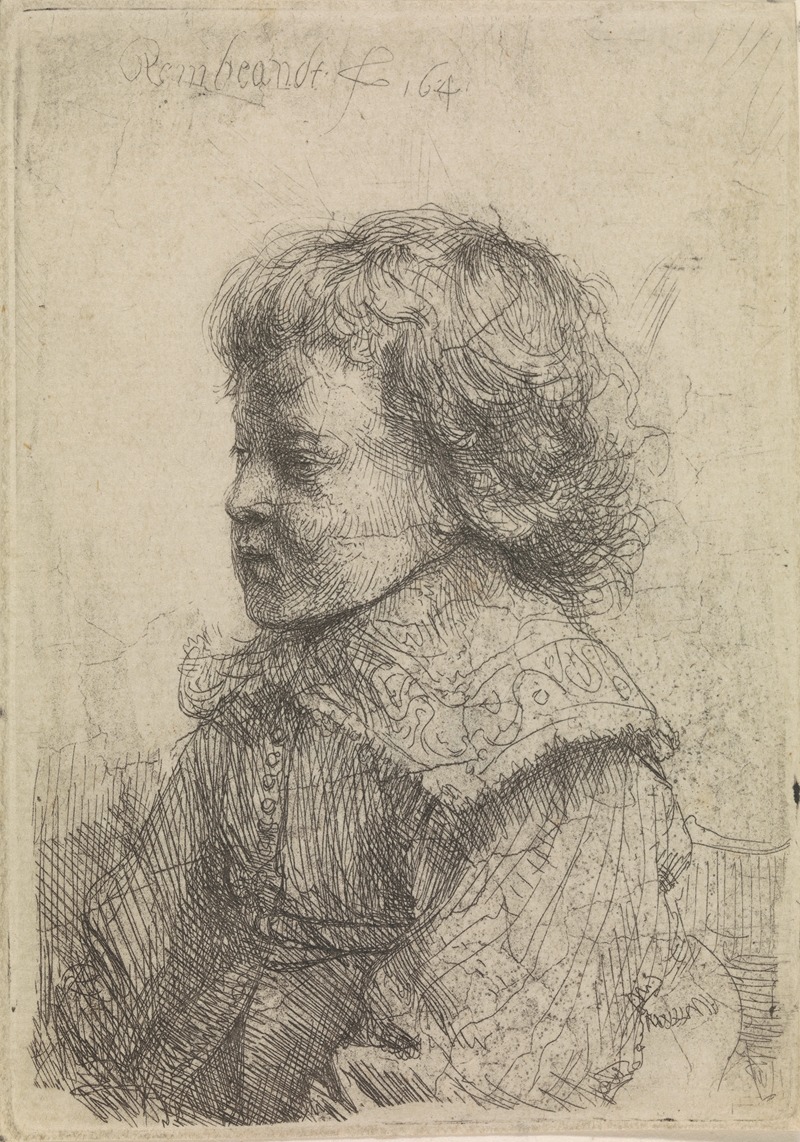
Portrait of a boy in profile
Rembrandt van Rijn
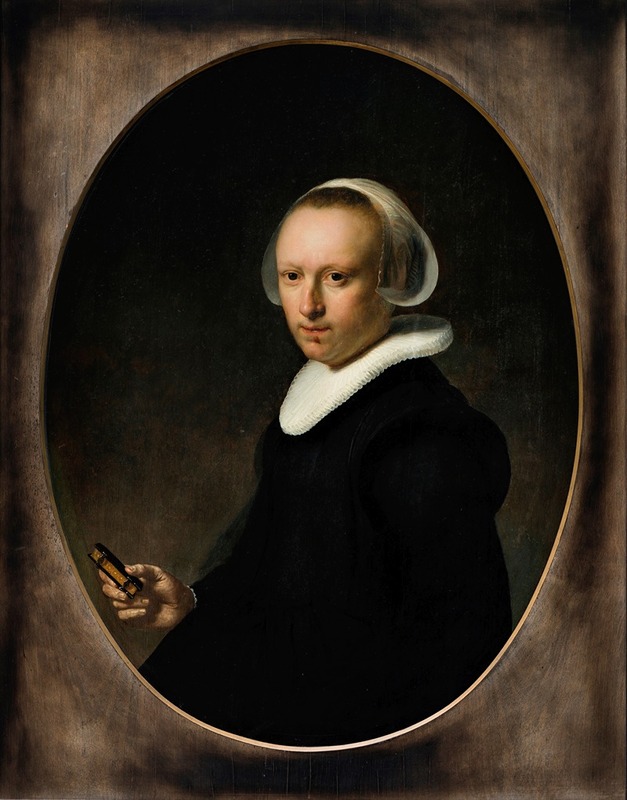
Portrait of a 39-year-old Woman
Rembrandt van Rijn
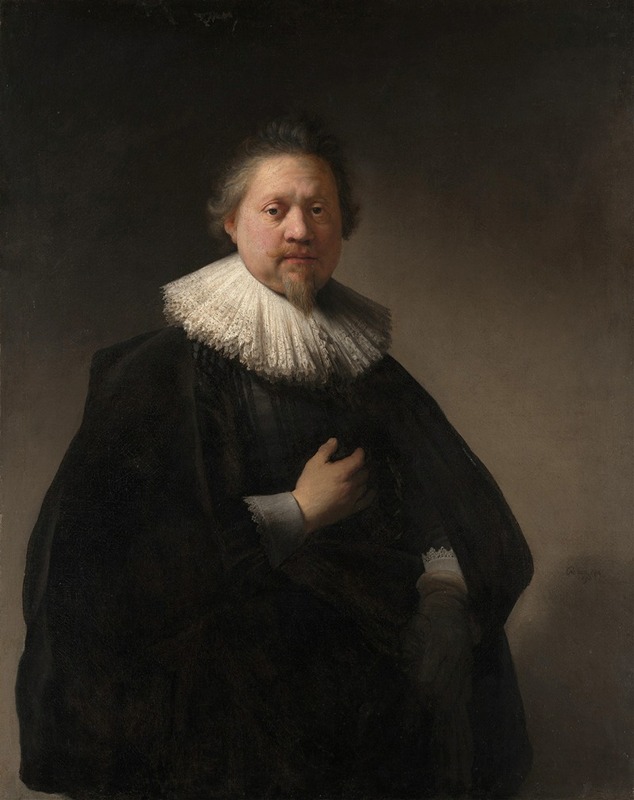
Portrait of a Man
Rembrandt van Rijn
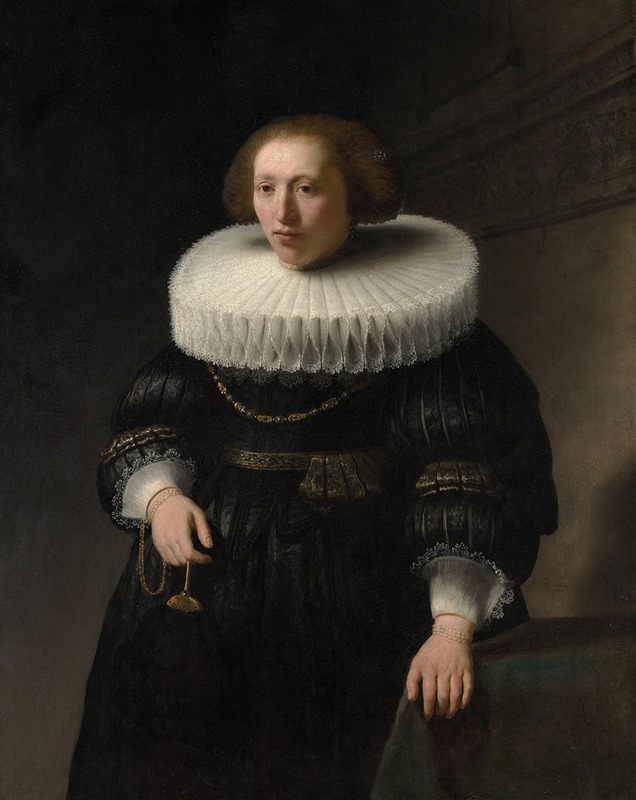
Portrait of a Woman
Rembrandt van Rijn
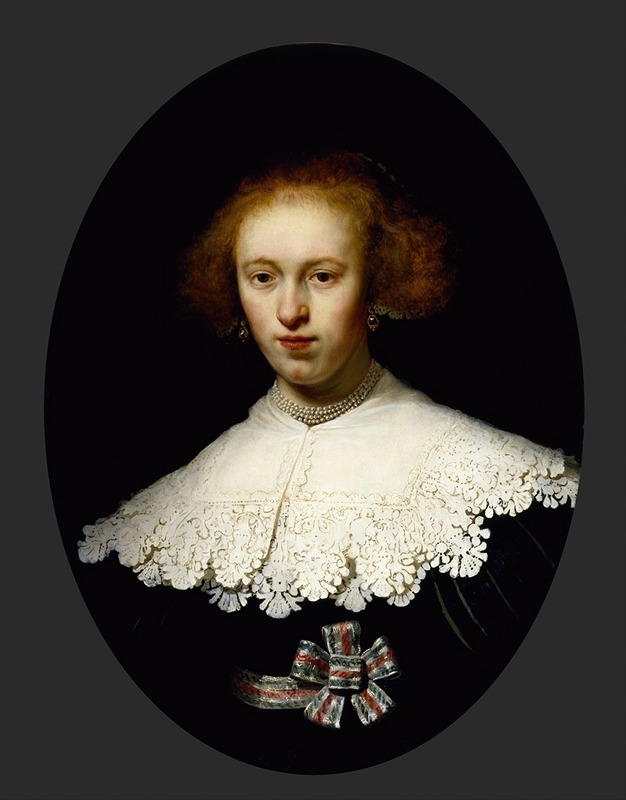
Portrait of a Young Woman
Rembrandt van Rijn
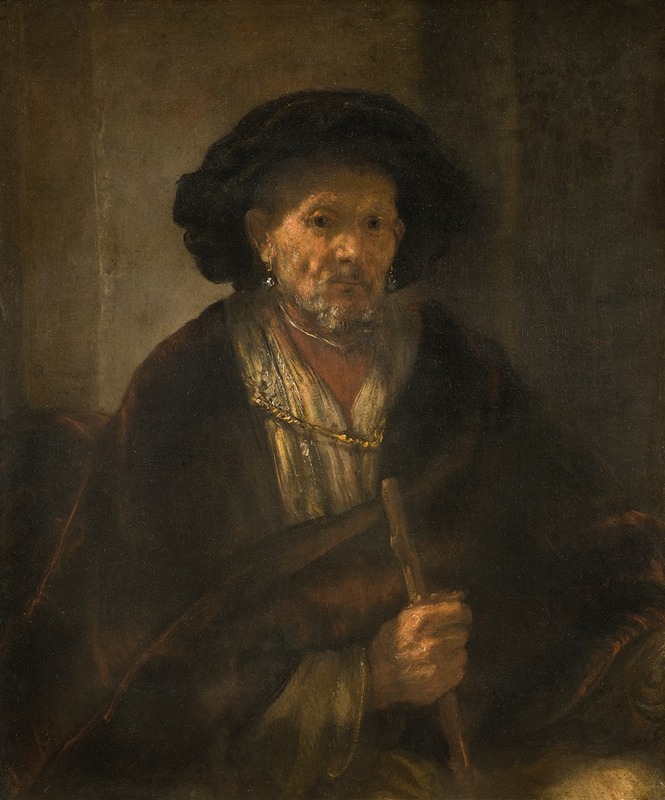
Portrait of an Old Man
Rembrandt van Rijn
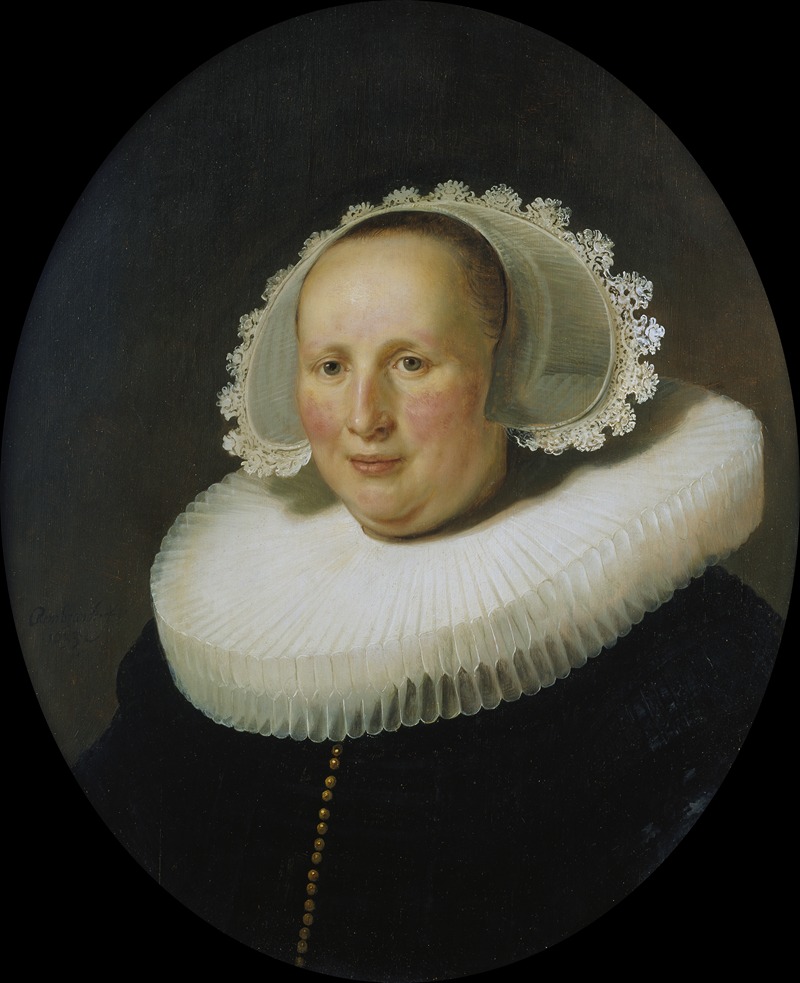
Portrait of Maertgen van Bilderbeecq
Rembrandt van Rijn
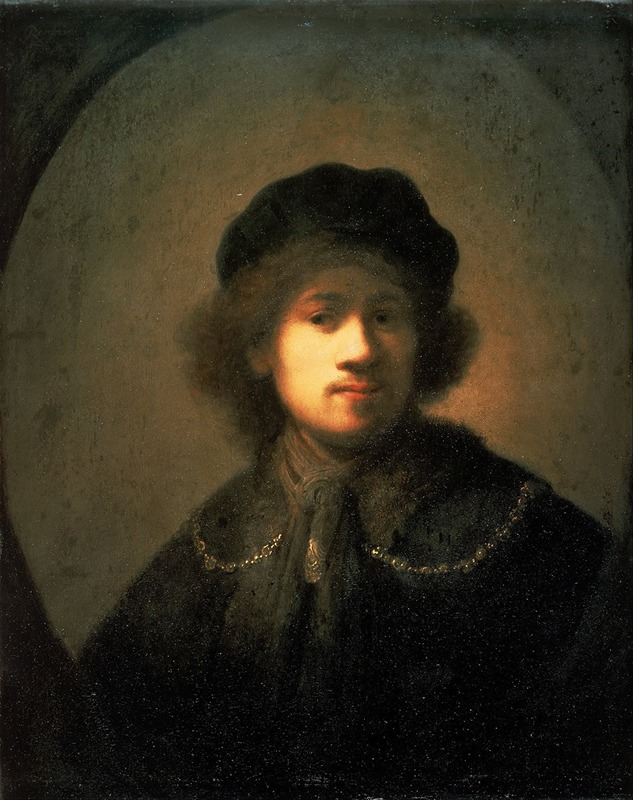
Portrait of the Artist as a Young Man
Rembrandt van Rijn