
The Arch of Titus in Rome — History & Facts
Who listens when art speaks of silence? The Arch of Titus in Rome looms majestically, a silent witness to centuries of history, inviting contemplation of its enduring presence and the stories it holds within. Focus on the intricate carvings adorning the archway, where figures emerge from the stone as if captured mid-conversation. Notice how the soft light caresses the detailed reliefs, accentuating the contrast between shadow and brilliance. The palette is earthy yet elegant, echoing the ochres and umbers of ancient Rome, grounding the viewer in a moment that feels both temporal and timeless.
The composition draws the eye upwards, inviting you to ponder the weight of history that this monumental structure encapsulates. Yet, there is a deeper conversation at play. The juxtaposition of triumph and tragedy resonates through the figures depicted, capturing the glory of conquest alongside the echoes of loss. This duality speaks to the transient nature of power; victory is depicted, but so too is the frailty of human legacy.
Each carved visage tells a story of sacrifice, underscoring the emotional tension that reverberates through time. The arch, then, becomes not just a monument, but a gateway to reflection on what it means to endure. Constantin Hansen created this work during a time of great cultural revival, influenced by the neoclassical movement that sought to reconnect with the grandeur of antiquity. Though the exact date remains unknown, his exploration of historical subjects resonated deeply in the 19th century, when artists sought to elevate their craft through the lessons of the past.
Engaging with the Arch of Titus was perhaps a way for Hansen to transcend his own era, bridging the gap between ancient and contemporary through the language of art.
More Artworks by Constantin Hansen
Browse all →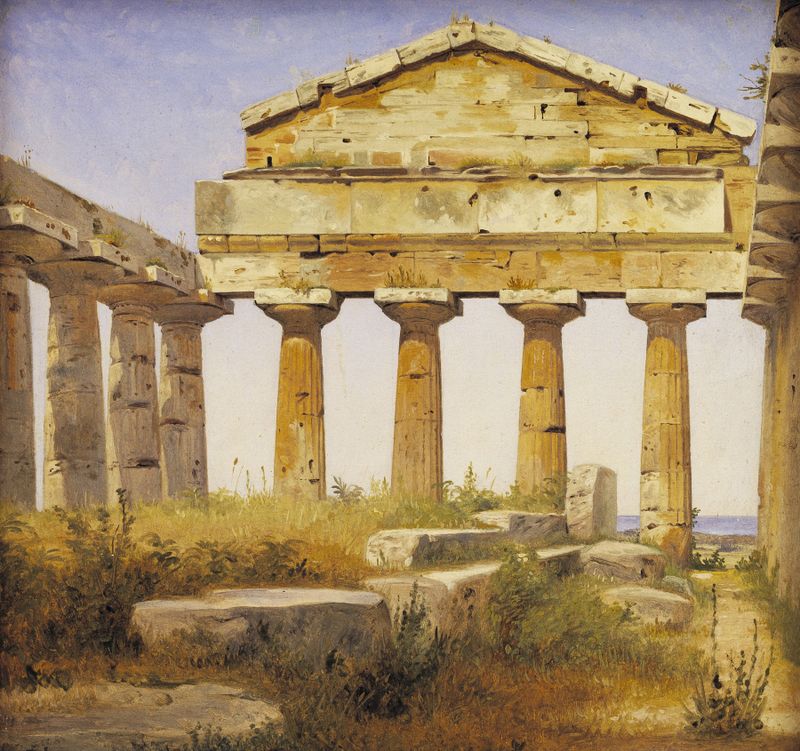
The Temple of Athena in Paestum
Constantin Hansen
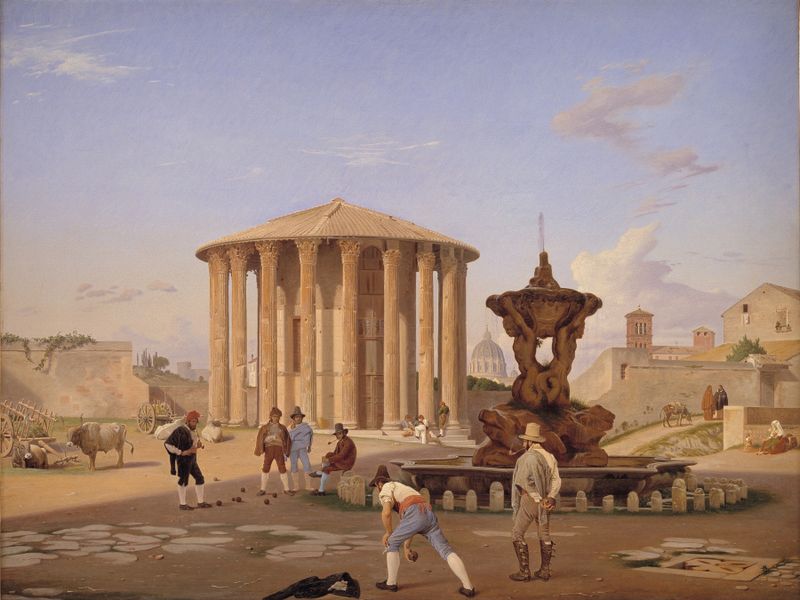
Piazza della Bocca della Verità with the so-called Vesta Temple in Rome
Constantin Hansen
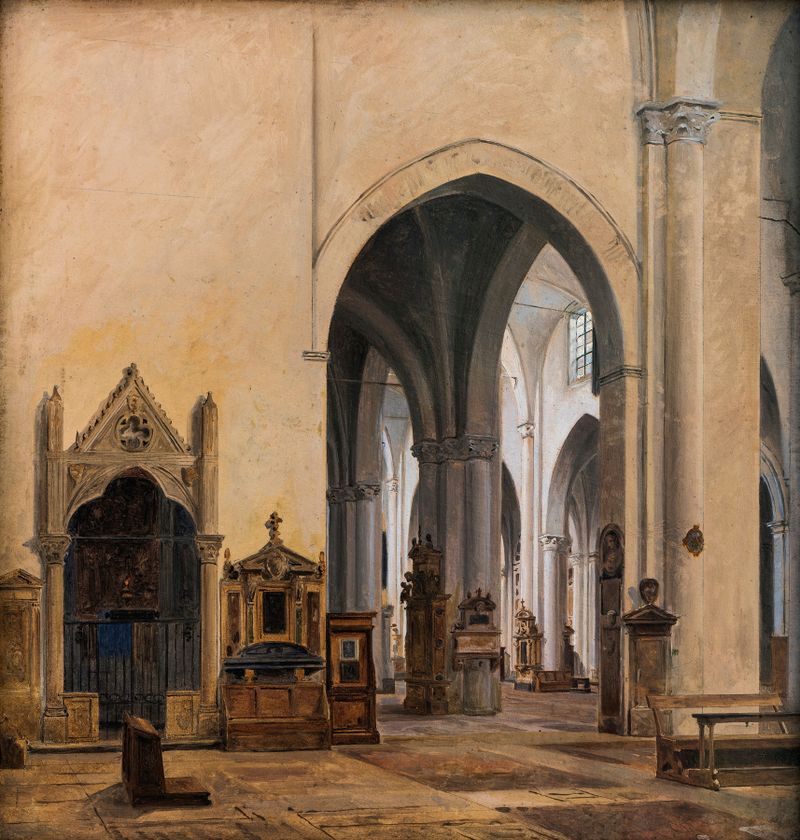
The interior of S. Maria sopra Minerva in Rome
Constantin Hansen
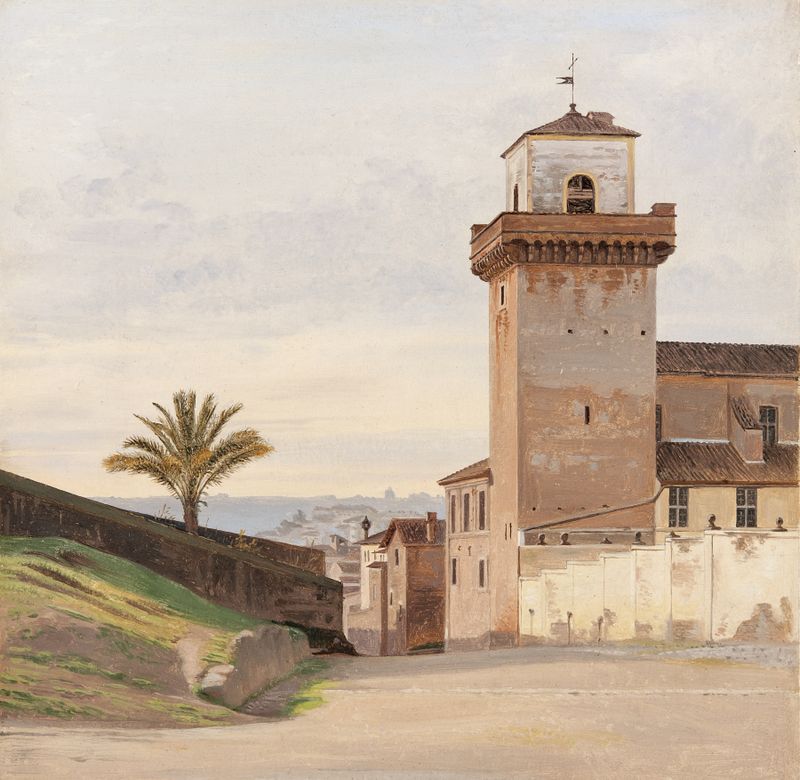
Church of San Pietro, Vincoli, Rome
Constantin Hansen
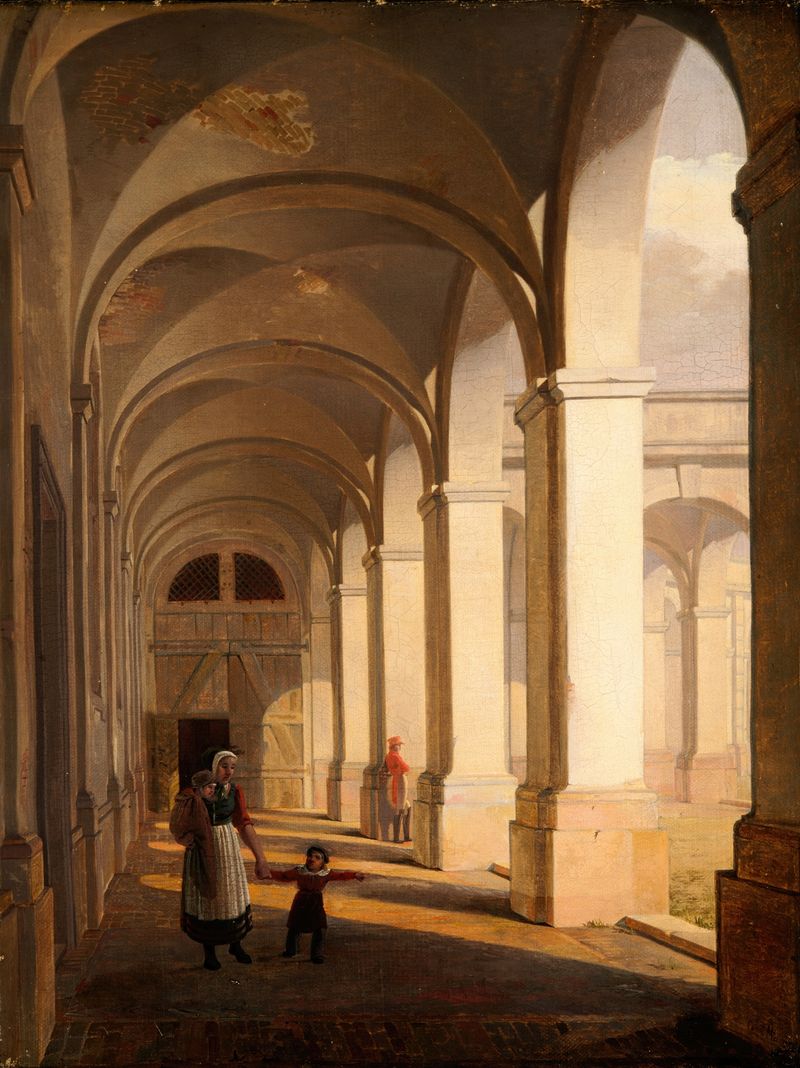
Portico of Christiansborg Castle, Copenhagen
Constantin Hansen
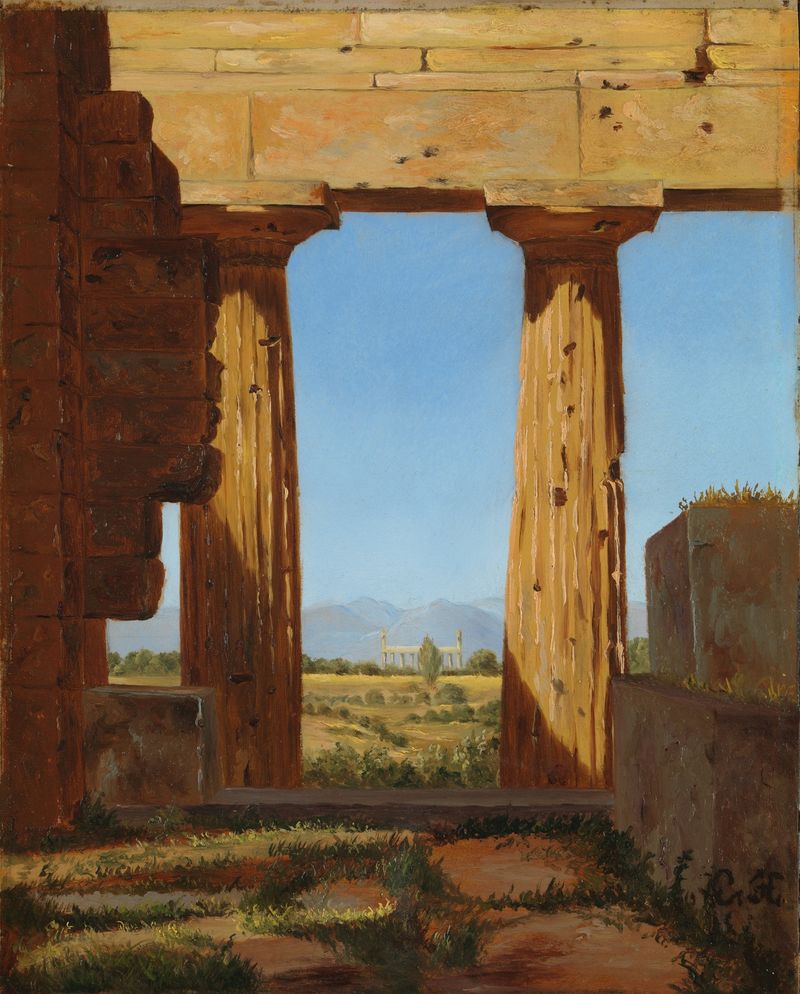
Columns of the Temple of Neptune at Paestum
Constantin Hansen
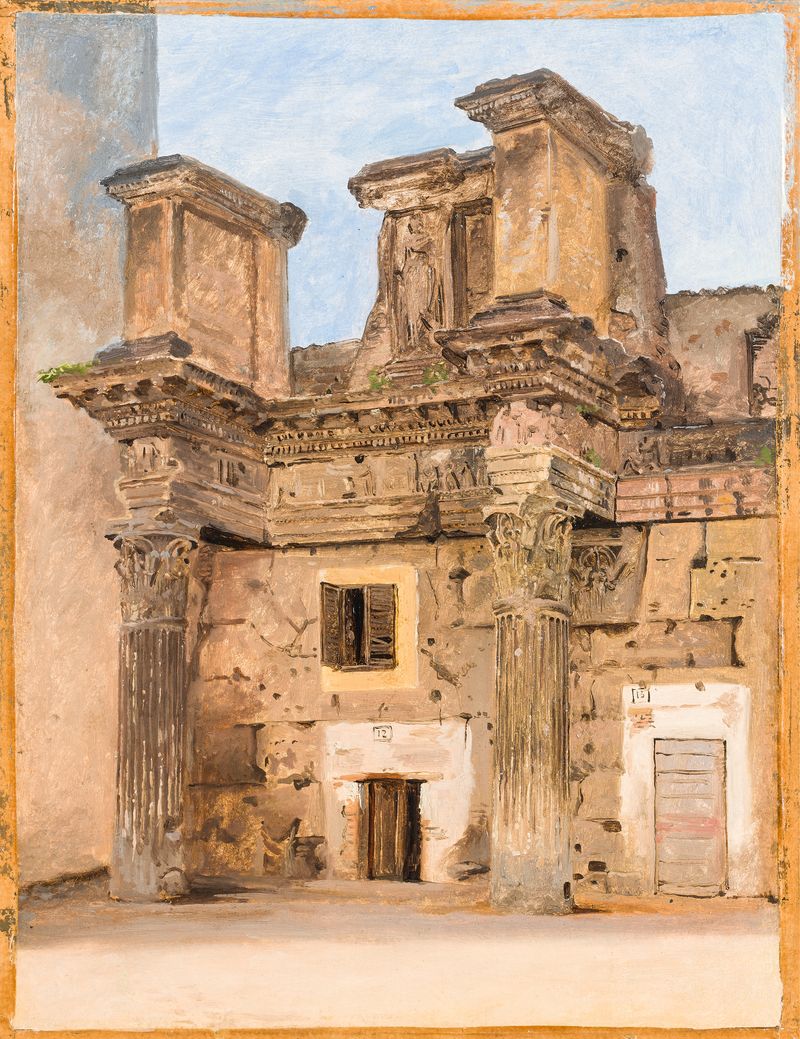
The Temple of Minerva on the the Forum of Nerva in Rome
Constantin Hansen
More Architecture Art
Browse all →
The statue of Liberty
Frédéric Auguste Bartholdi

View of Houses in Delft, Known as ‘The Little Street’
Johannes Vermeer

View of Houses in Delft, Known as ‘The Little Street’
Johannes Vermeer

The Cathedral in Rouen. The portal, Grey Weather
Claude Monet

The yellow house
Vincent van Gogh

The Church in Auvers-sur-Oise, View from the Chevet
Vincent van Gogh