The interior of S. Maria sopra Minerva in Rome — History & Facts
Where does light end, and longing begin? In the hallowed expanse of The interior of S. Maria sopra Minerva in Rome, the two intertwine, creating a profound sense of nostalgia that resonates through the viewer's soul. Look to the vaulted ceiling, where the delicate play of light filters through intricately designed windows, casting soft shadows across the marble floor. Notice how Hansen employs a rich palette of warm ochres and deep blues, contrasting the coolness of the stone with the golden rays that dance across the surfaces.
The composition invites your eye to traverse the serene interior space, where columns rise majestically, framing the sacred atmosphere that speaks to the viewer’s spirit. Within the details lies an emotional tension; the juxtaposition of stillness and reverence evokes a sense of timelessness. The figures scattered throughout the space appear caught in quiet contemplation, their poses suggesting a collective meditation on faith and existence. The interplay of light not only illuminates the physical space but also emphasizes the spiritual longing that permeates the air, inviting one to reflect on their own place within the immense architecture of belief. In 1839, Constantin Hansen painted this work while residing in Rome, a city steeped in artistic legacy and spiritual significance.
At this time, he was deeply engaged in the neoclassical movement, drawing inspiration from the grandeur of classical architecture and the emotive power of light. As the art world was shifting towards realism, Hansen’s dedication to capturing the ethereal qualities of sacred spaces stood as a poignant reminder of the enduring dialogue between the divine and the human experience.
More Artworks by Constantin Hansen
Browse all →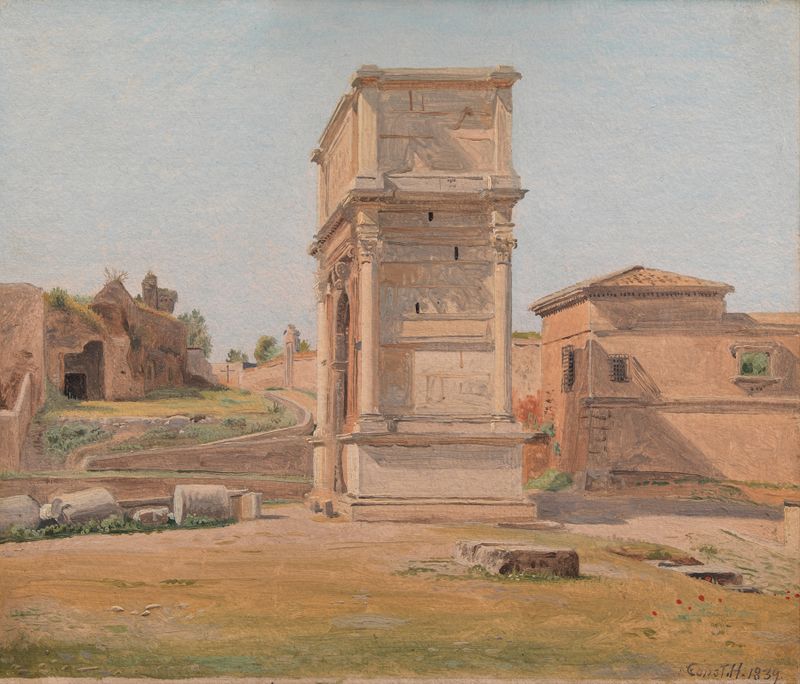
The Arch of Titus in Rome
Constantin Hansen
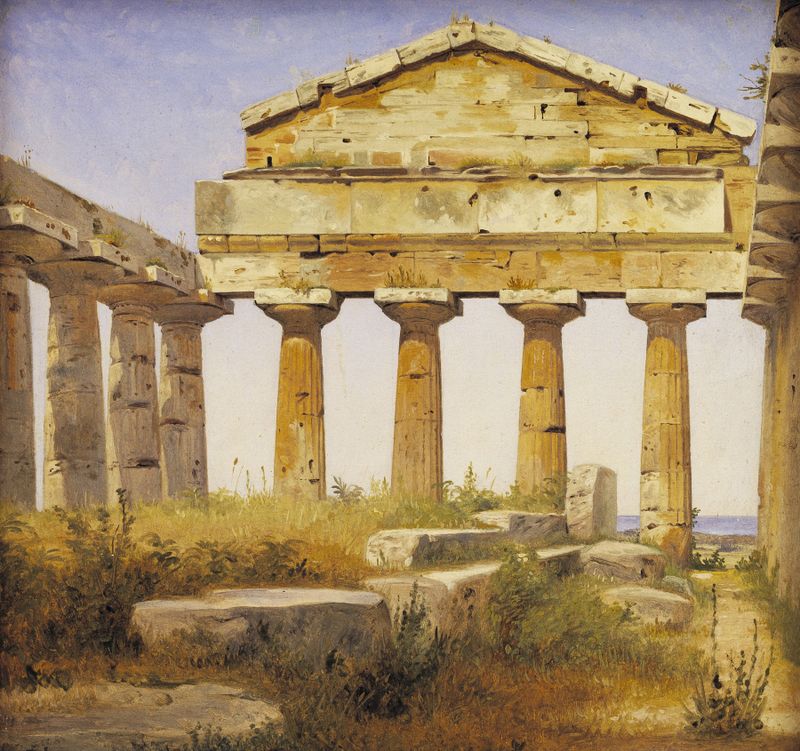
The Temple of Athena in Paestum
Constantin Hansen
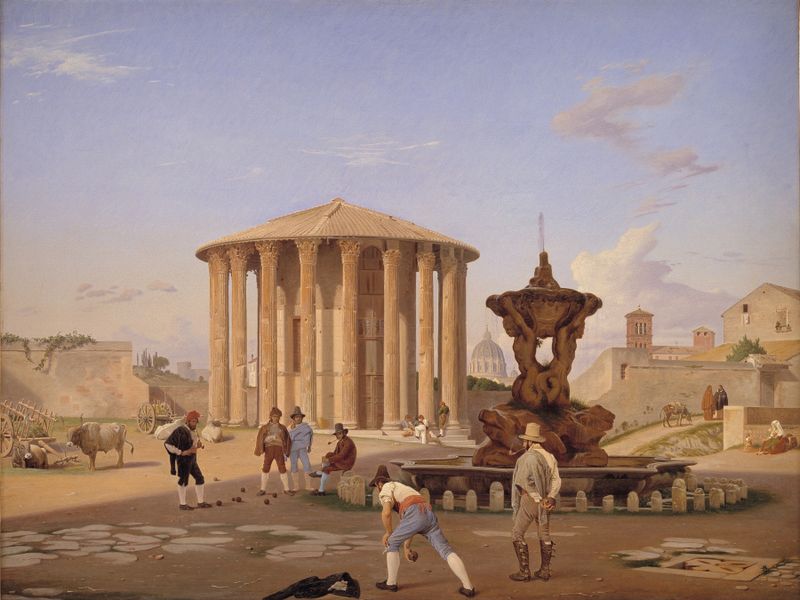
Piazza della Bocca della Verità with the so-called Vesta Temple in Rome
Constantin Hansen
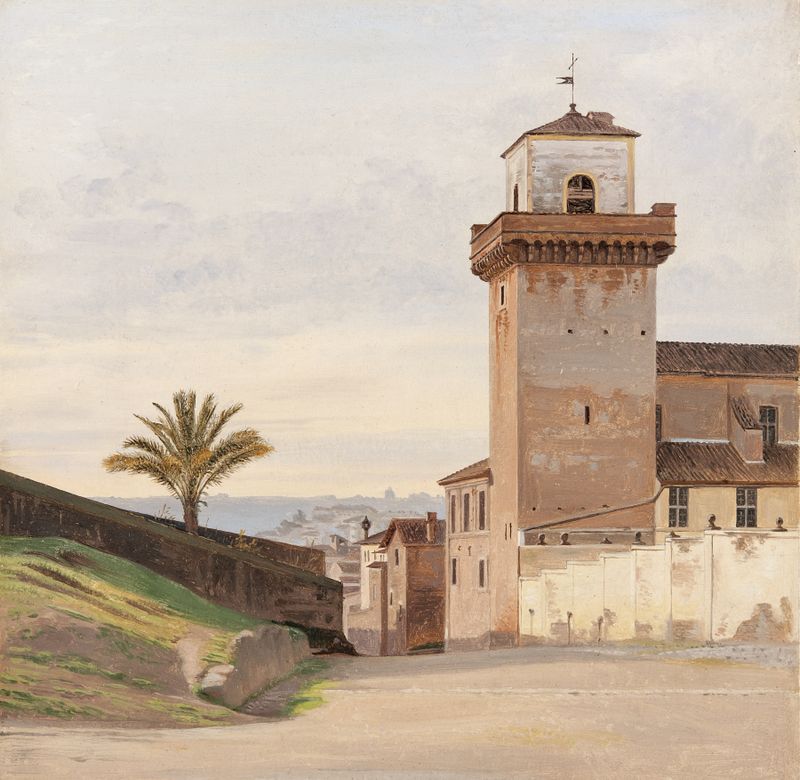
Church of San Pietro, Vincoli, Rome
Constantin Hansen
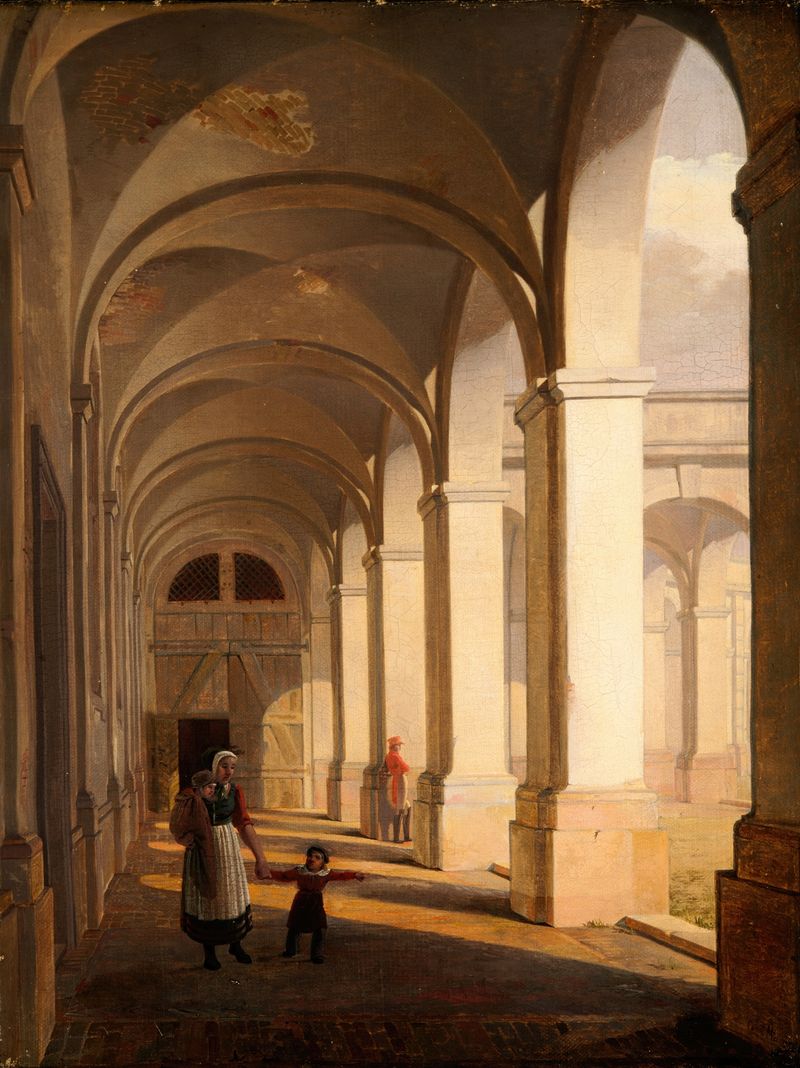
Portico of Christiansborg Castle, Copenhagen
Constantin Hansen
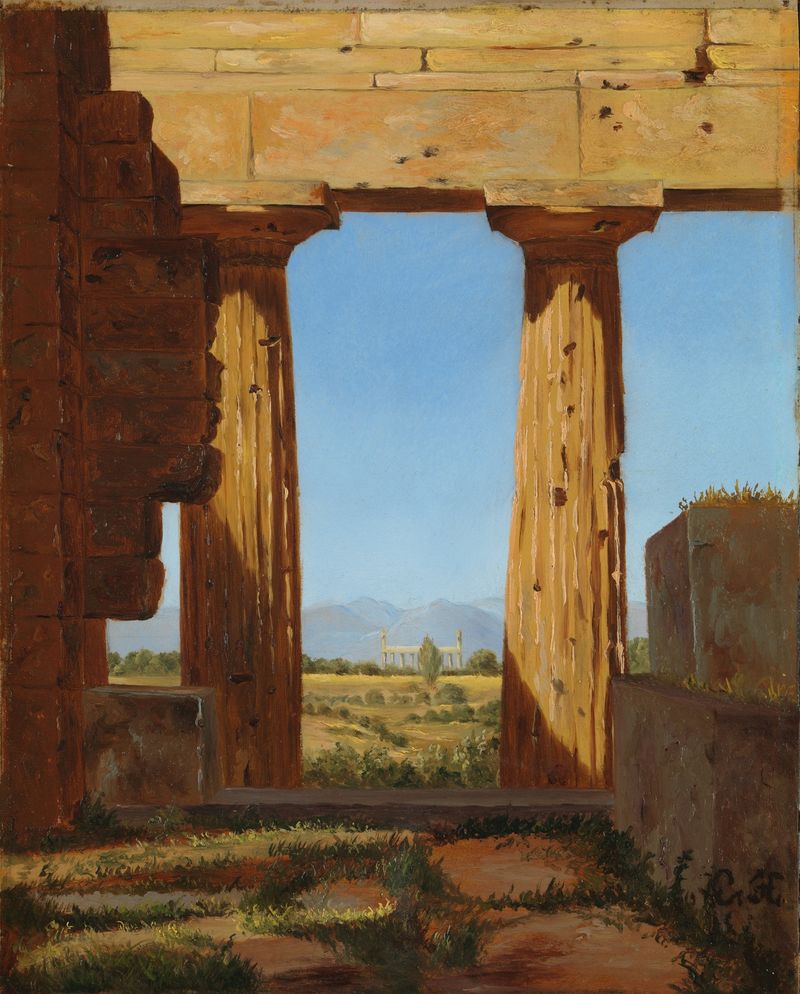
Columns of the Temple of Neptune at Paestum
Constantin Hansen
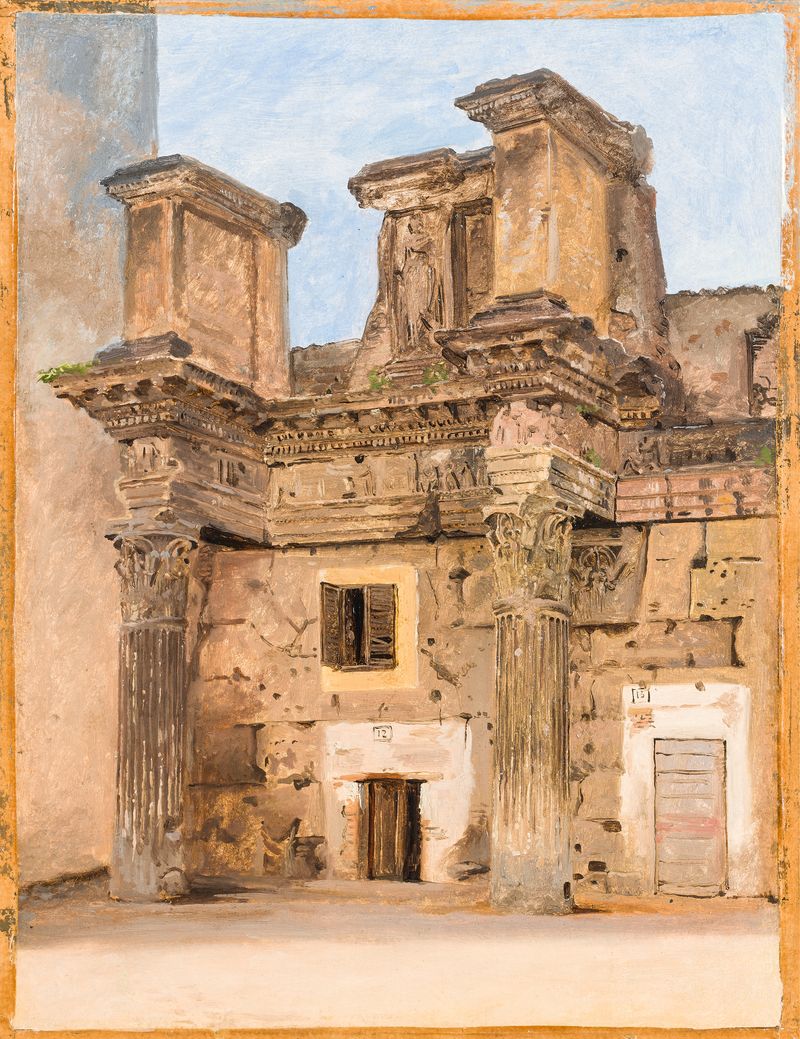
The Temple of Minerva on the the Forum of Nerva in Rome
Constantin Hansen