
The Avenue — History & Facts
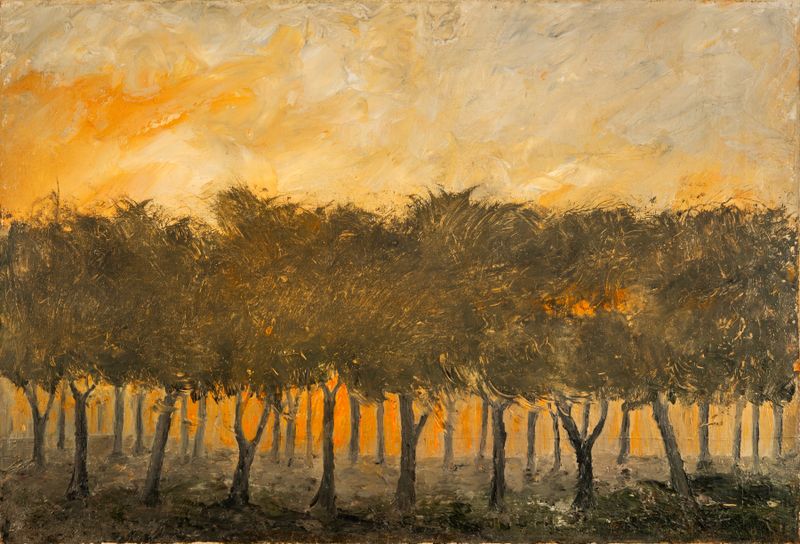
In The Avenue, desire blooms in the shadow of quiet absence, beckoning the viewer to delve into the emotional landscape before them. Look to the left at the faint silhouettes of figures shrouded in twilight, their forms nearly dissolving into the dusky hues of the surrounding foliage. The meticulous brushstrokes create a dreamlike atmosphere, where deep blues and soft greens intermingle, evoking a sense of yearning and nostalgia. The composition leads the eye along the winding pathway, inviting contemplation and reflection as the horizon stretches into the unknown. The painting captures a moment suspended between presence and absence, amplifying the tension of unspoken desires.
The figures, though indistinct, embody a longing for connection, their retreating forms hinting at their emotional distance. The delicate play of light flickering through the leaves suggests hope amidst solitude, making each viewer confront their own thirst for intimacy and understanding. In 1903, Strindberg was deeply entrenched in the complexities of human emotion and existence, reflecting the tumultuous socio-political climate of Europe. During this period, he was exploring the intersections of art and life, grappling with personal struggles that colored his work profoundly.
This painting, born from such introspection, reveals not just a scene but an existential exploration of the desires that often linger unfulfilled in our lives.
More Artworks by August Strindberg
Browse all →
Stormy Sea. Buoy without Top Mark
August Strindberg
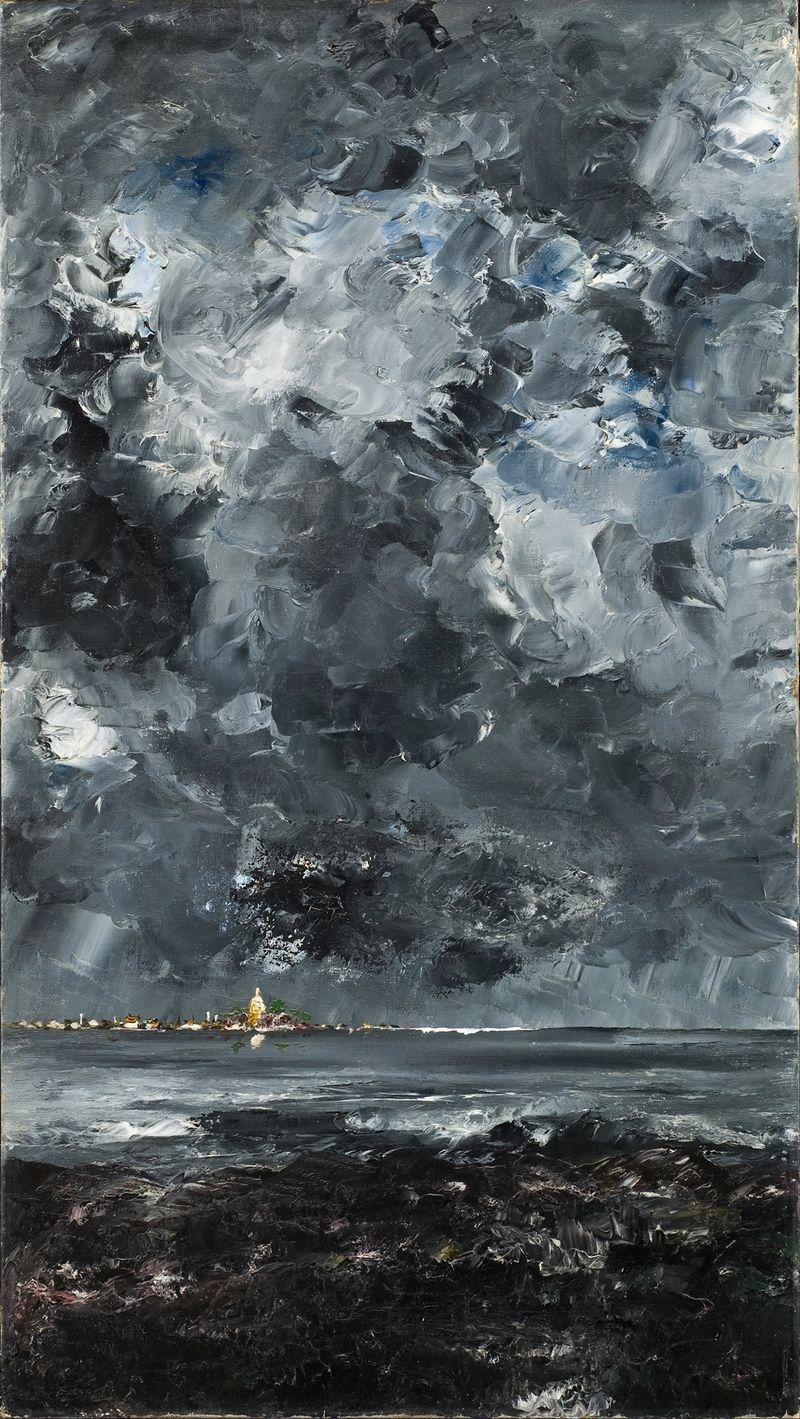
The Town
August Strindberg
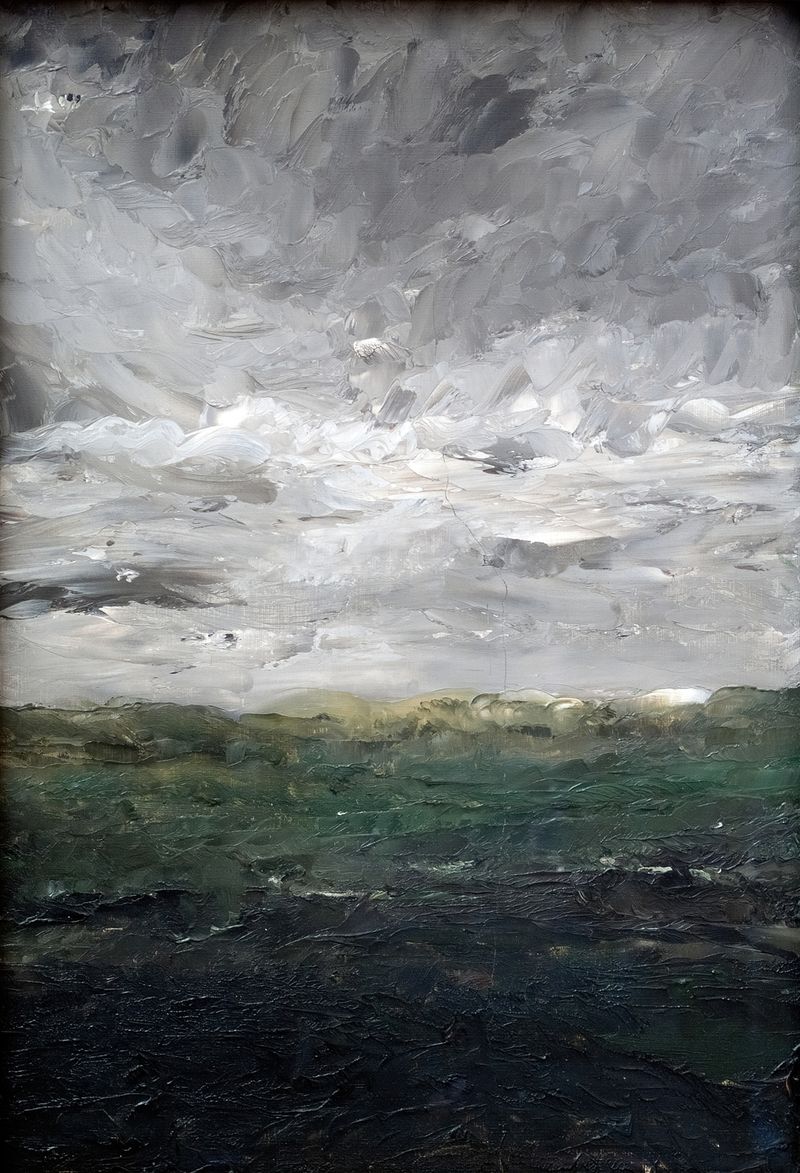
Landscape Study The Heath
August Strindberg

Landscape Study
August Strindberg

Seascape
August Strindberg

Coastal Landscape
August Strindberg
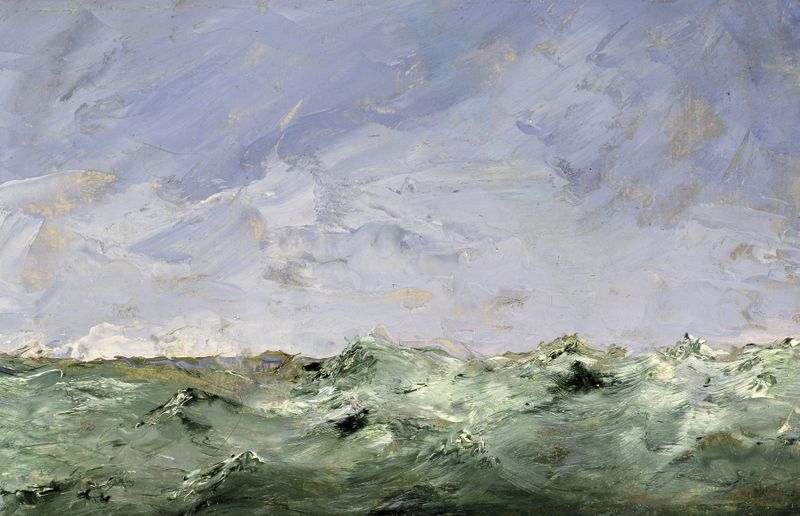
Little Water. Dalarö
August Strindberg
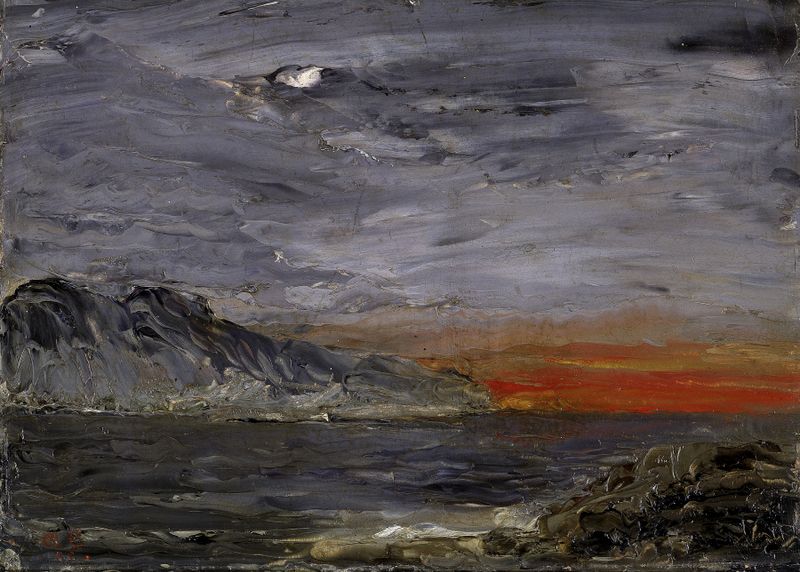
Sunset
August Strindberg
The Garden of Rosendal II
August Strindberg

Stormy Sea. Broom Buoy
August Strindberg





