
Stormy Sea. Buoy without Top Mark — History & Facts
Did the painter know this moment would outlive them? In Stormy Sea. Buoy without Top Mark, the tumultuous waves crash against the shore, invoking not just the power of nature but also a profound sense of loss and innocence. Focus first on the chaotic interplay of deep blues and grays, where the tempestuous sea dominates the canvas. The buoy, diminished and isolated in the storm's fury, draws the eye toward its muted presence.
Notice how the artist layers the paint, creating a texture that almost vibrates with the energy of the wind and water, while the stark absence of the top mark invites questions about purpose and identity amid chaos. Within the swirling currents lies a juxtaposition of fragility and strength; the buoy stands firm against overwhelming odds, symbolizing resilience in the face of life's unpredictable storms. The crashing waves not only represent external turmoil but an internal struggle, a reminder of innocence lost as one grapples with the harshness of reality. Each brushstroke tells a story of survival, echoing the artist's own experience of navigating tumultuous personal and artistic waters. In 1892, August Strindberg painted this piece during a time of personal upheaval.
He was grappling with emotional turmoil and the complexities of his artistic identity, exploring themes of existential dread and humanity's frailty. As the art world was evolving, Strindberg’s work straddled the realms of impressionism and expressionism, reflecting the turbulent spirit of his time and his internal landscape, ultimately creating a work that resonates with enduring depth.
More Artworks by August Strindberg
Browse all →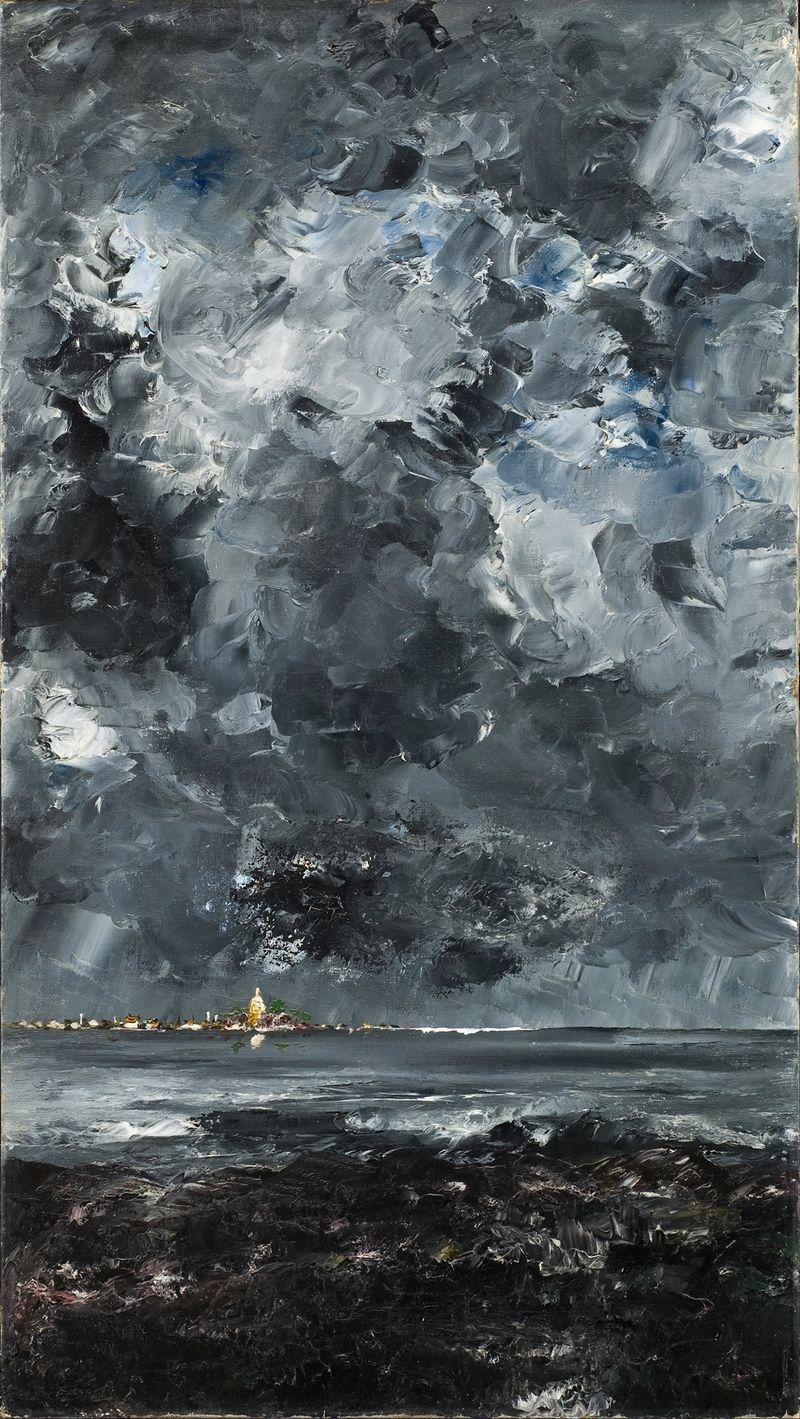
The Town
August Strindberg
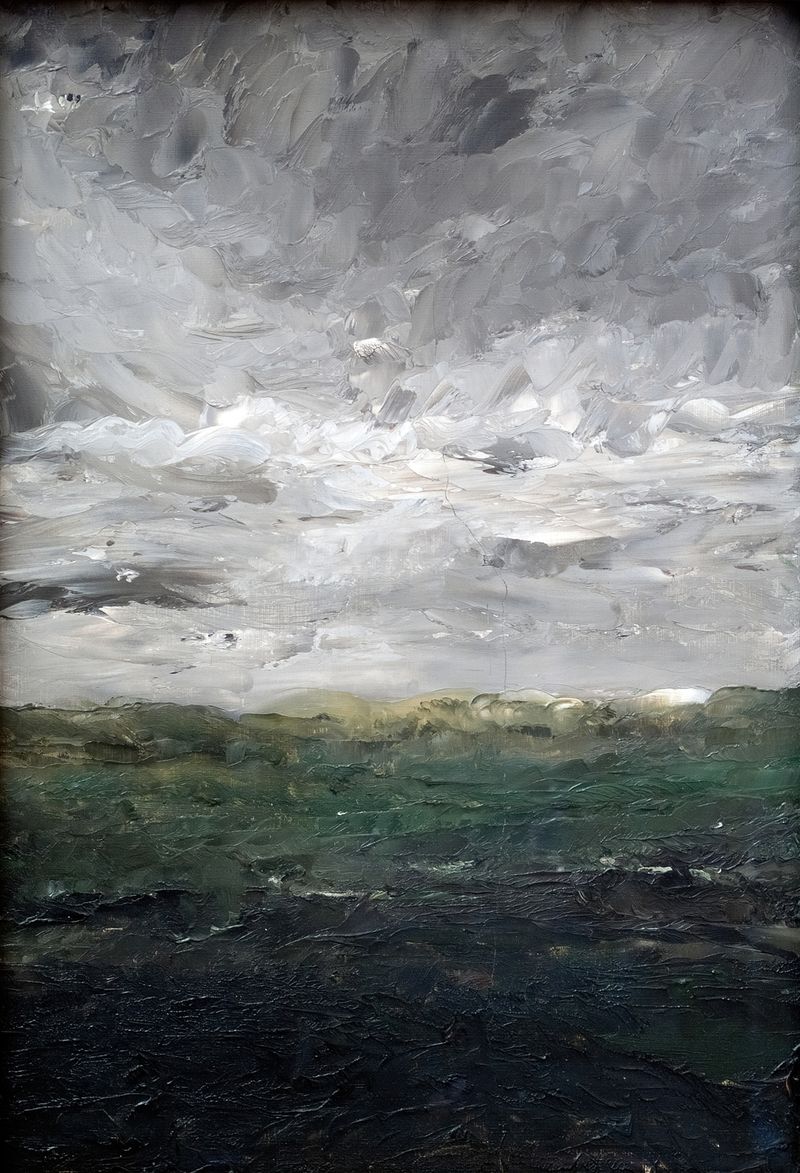
Landscape Study The Heath
August Strindberg

Landscape Study
August Strindberg

Seascape
August Strindberg

Coastal Landscape
August Strindberg
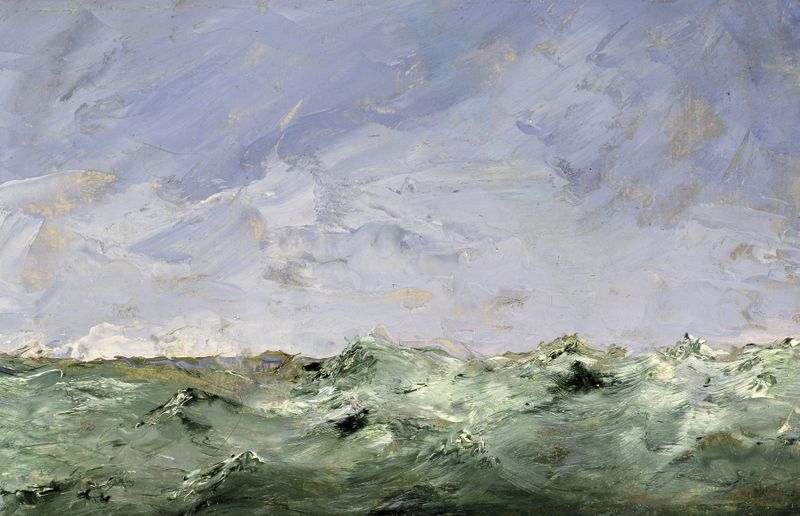
Little Water. Dalarö
August Strindberg
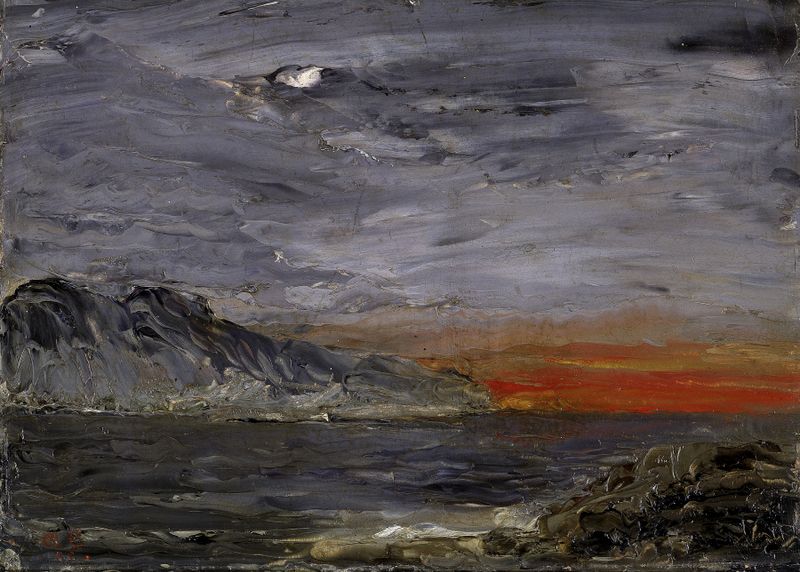
Sunset
August Strindberg
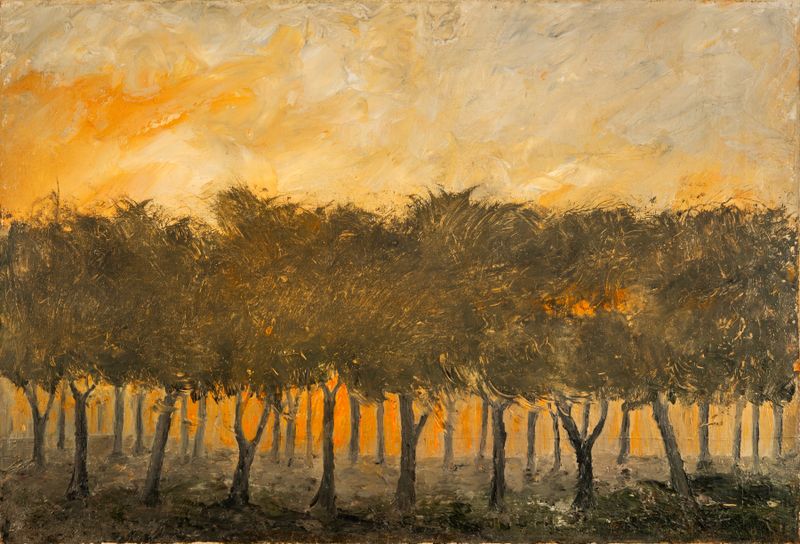
The Garden of Rosendal II
August Strindberg

Stormy Sea. Broom Buoy
August Strindberg
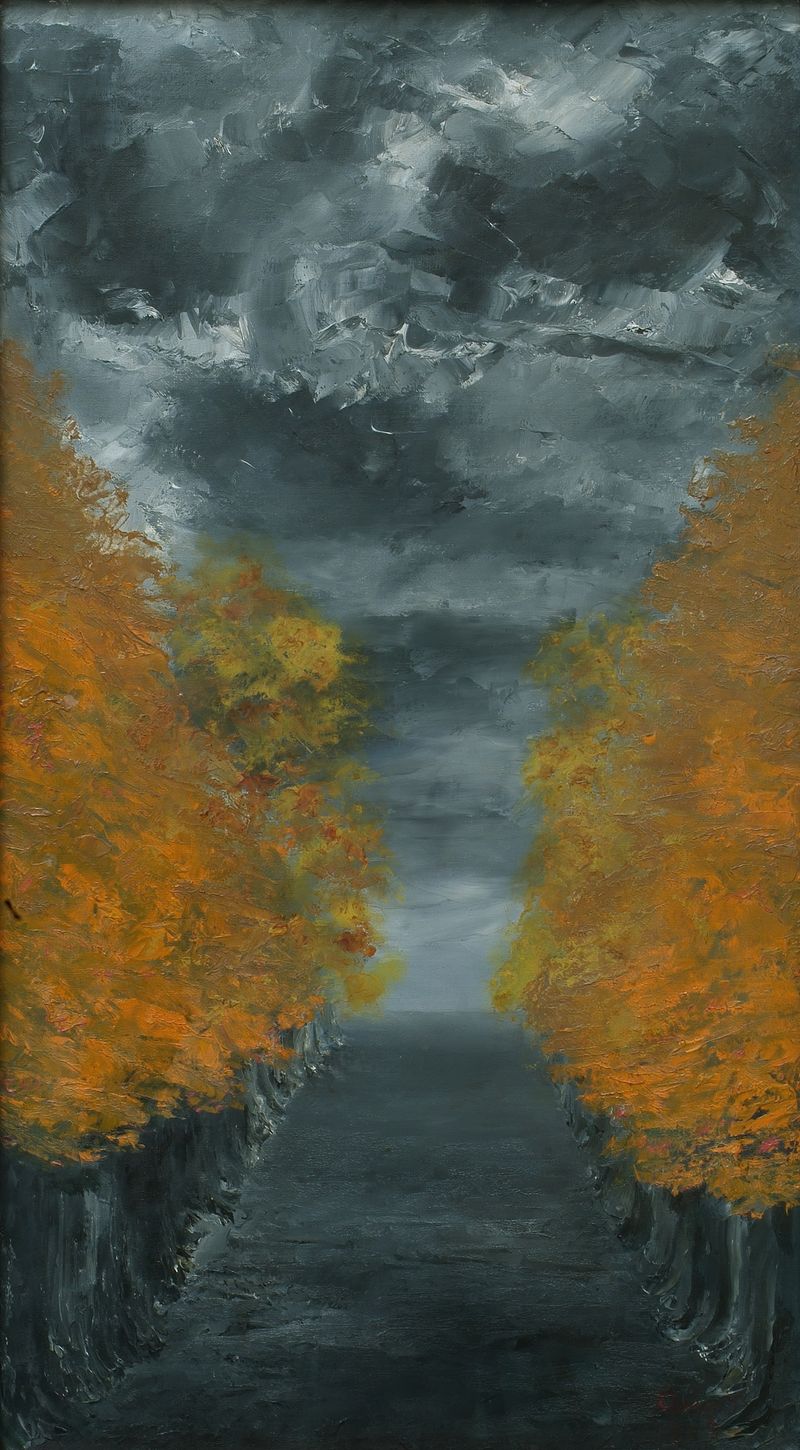
The Avenue
August Strindberg





