
The Town — History & Facts
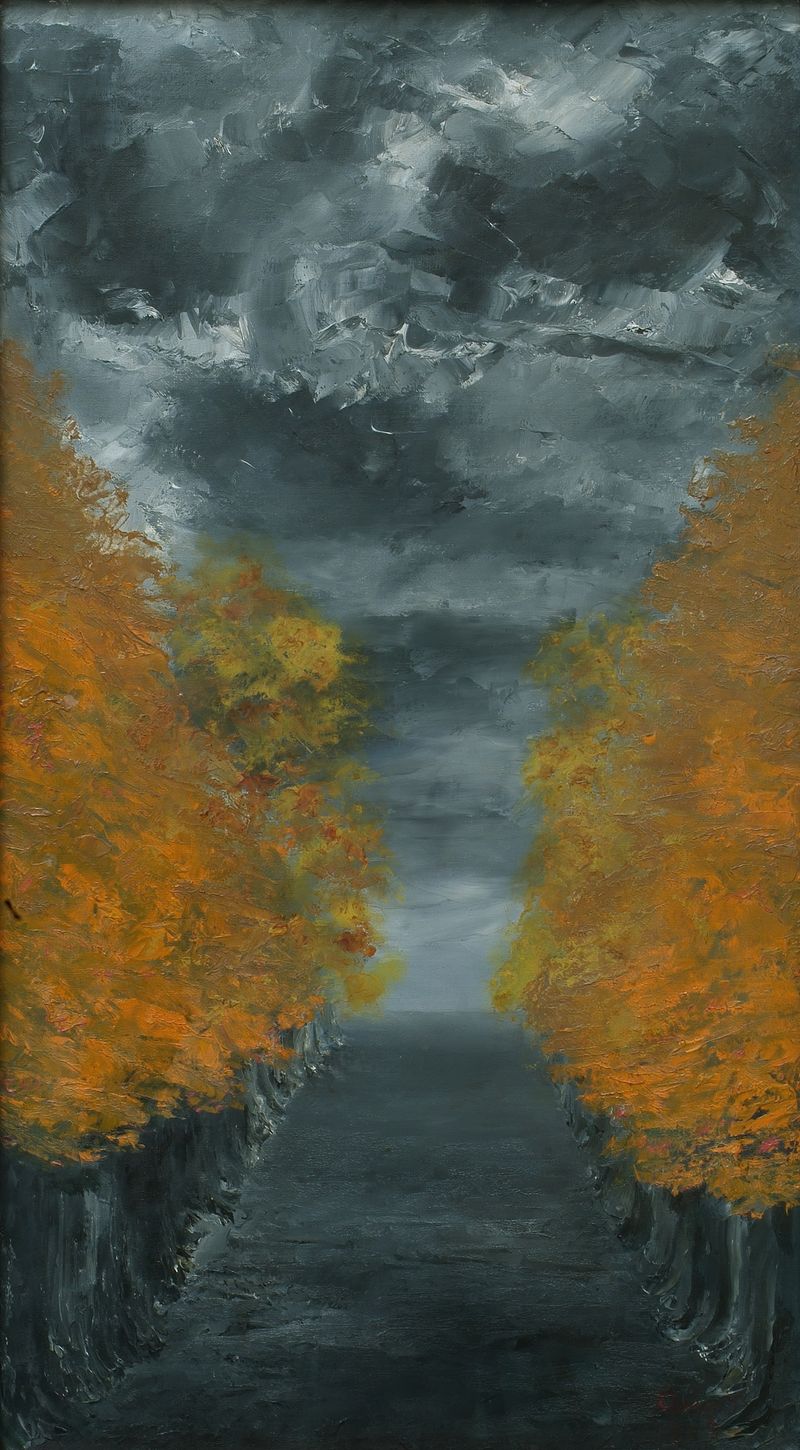
When did color learn to lie? In a world saturated with emotion, grief weaves through every brushstroke, whispering truths and creating layers of illusion. Look to the left at the darkened sky, where tumultuous blues and grays intertwine, casting a heavy pall over a town nestled in the valley below. The buildings are rendered in muted ochres and browns, their forms barely distinguishable from the encroaching shadows. Notice how the jagged edges of the rooftops cut against the tumultuous backdrop, each one seeming to hold a story of despair, yet the light—oh, the light—pierces through, illuminating desolation with a surreal glow that hints at hope. Beneath the surface, the juxtaposition of light and dark serves as a poignant commentary on the human condition.
The radiant hues of the sun, breaking through the gloom, symbolize fleeting moments of joy amidst a backdrop of sorrow. This tension echoes in the stark contrast between the lively town and the oppressive cloud cover; it’s a reminder that even in grief, moments of brightness emerge, albeit transient and fragile. The composition of the painting draws the eye inward, inviting the viewer to explore not just the town, but their own emotional landscape. In the midst of his tumultuous life, the artist created this piece during a period of personal and professional strife, reflecting his struggles with identity and connection to the world.
Painted in Sweden, likely in the late 19th century, the work emerged during a time of great change in the art world, where traditional forms were being challenged, and the exploration of emotional depth became paramount. Strindberg’s unique perspective captures the complex interplay between desolation and beauty, marking a significant moment in his artistic journey.
More Artworks by August Strindberg
Browse all →
Stormy Sea. Buoy without Top Mark
August Strindberg
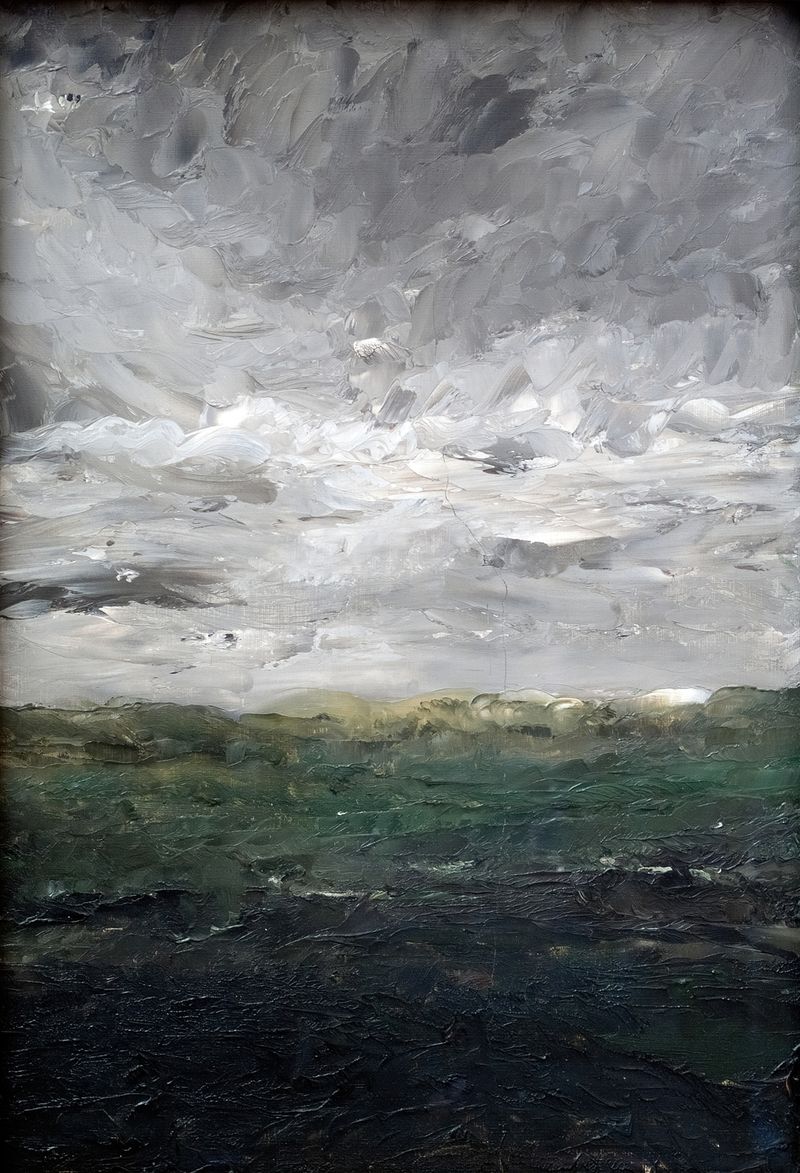
Landscape Study The Heath
August Strindberg

Landscape Study
August Strindberg

Seascape
August Strindberg

Coastal Landscape
August Strindberg
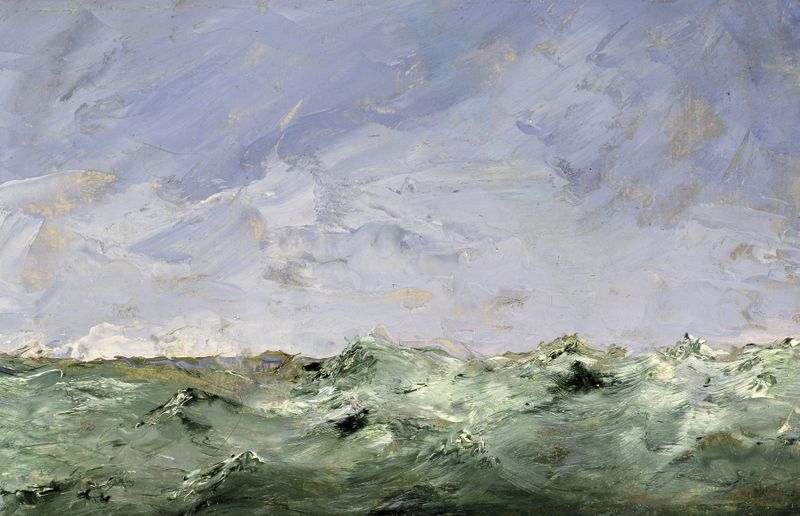
Little Water. Dalarö
August Strindberg
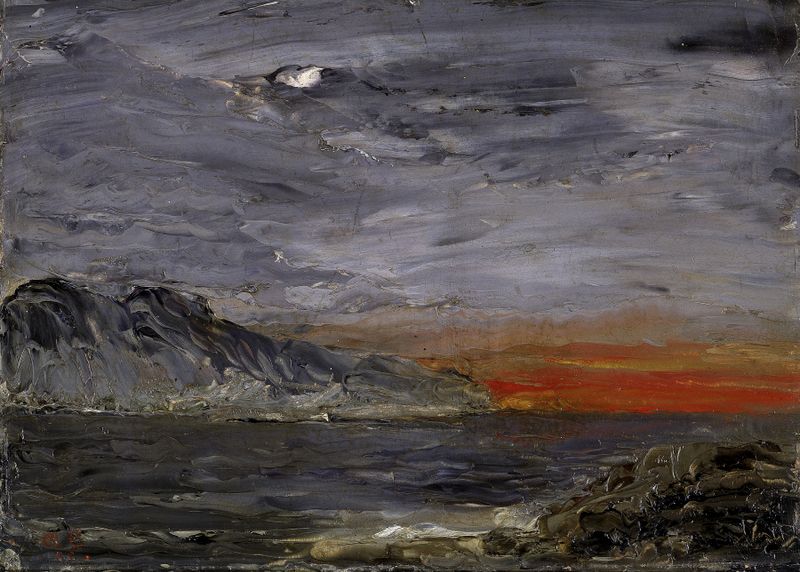
Sunset
August Strindberg
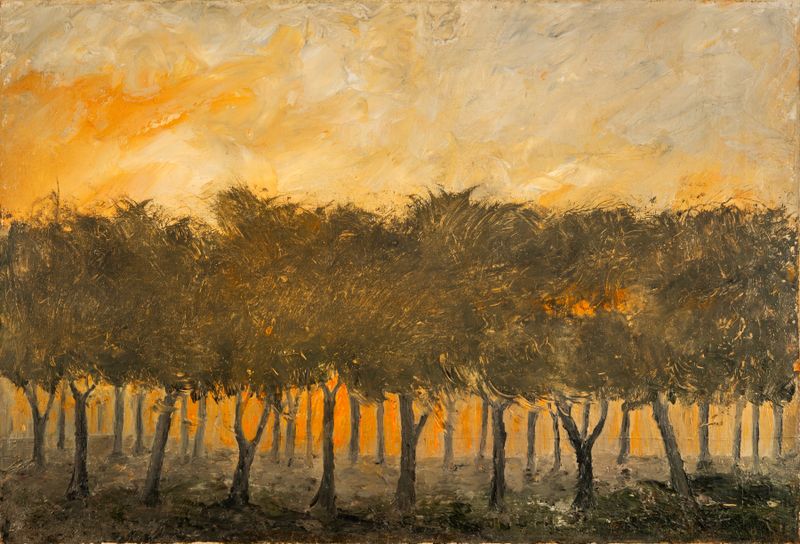
The Garden of Rosendal II
August Strindberg

Stormy Sea. Broom Buoy
August Strindberg
The Avenue
August Strindberg





