
Seascape — History & Facts
What if silence could speak through light? In Seascape, the ethereal quality of the water and sky converges, inviting viewers to ponder the divine tranquility that nature offers. Look to the right at the horizon, where soft pastels blend seamlessly, highlighting the transition between sea and sky. Strindberg masterfully employs delicate brushwork to convey the shimmering surface of the water, while the subtle variations in hue evoke a sense of movement and depth. The gentle waves appear almost transparent, beckoning the eye to explore further into the serene vastness beyond. Amidst the calm, there lies a profound emotional tension.
The horizon creates a sharp division, suggesting the interplay between the known world and the infinite possibilities beyond it. The soft light filtering through the clouds embodies a quiet divinity, a moment where the mundane meets the celestial. This contrast between tranquility and the unknown evokes feelings of solitude and introspection, urging one to reflect on the nature of existence itself. In 1894, Strindberg was at a pivotal point in his artistic journey, grappling with the duality of life as a playwright and painter.
Living in Sweden, he sought to capture the essence of the natural world that resonated deeply with his personal struggles. This painting emerged during a time of artistic exploration and introspection, reflective of the broader movements in European art as artists began to embrace Impressionism and the emotive power of light and color.
More Artworks by August Strindberg
Browse all →
Stormy Sea. Buoy without Top Mark
August Strindberg
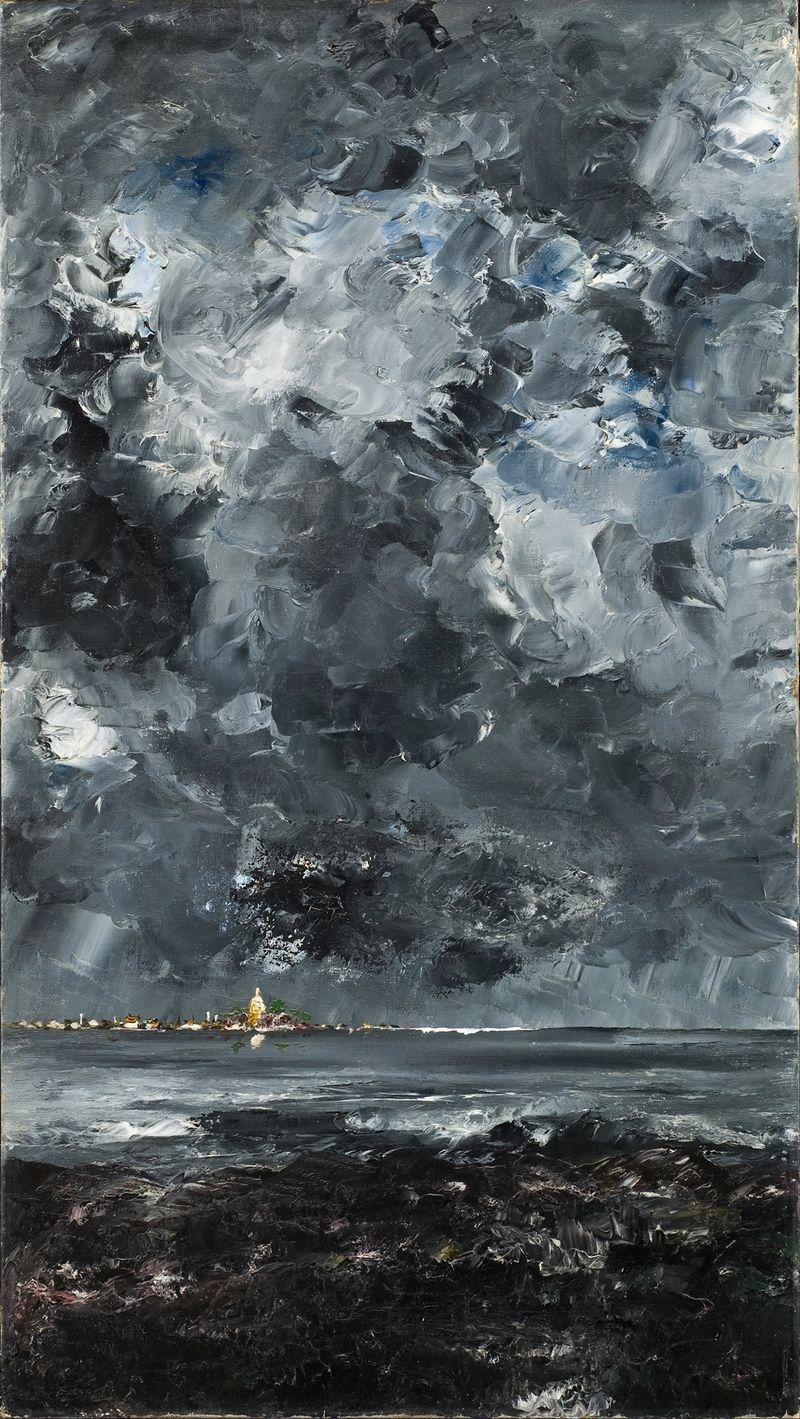
The Town
August Strindberg
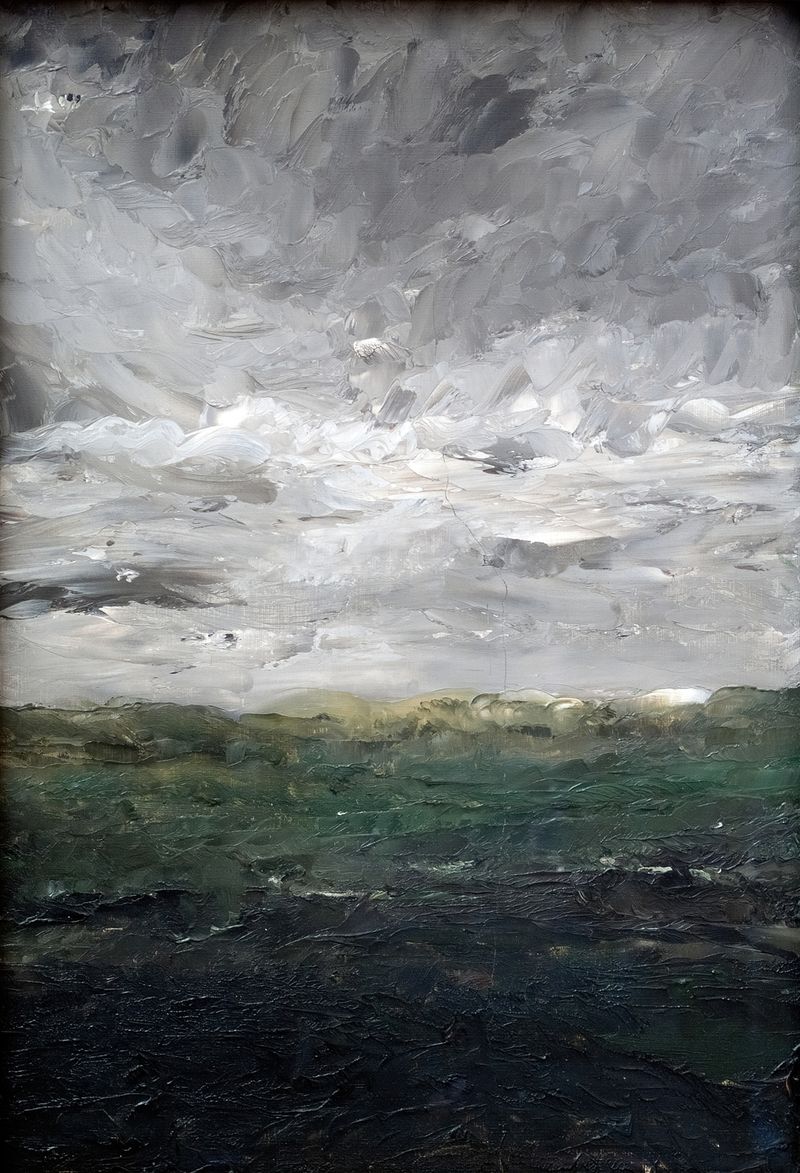
Landscape Study The Heath
August Strindberg

Landscape Study
August Strindberg

Coastal Landscape
August Strindberg
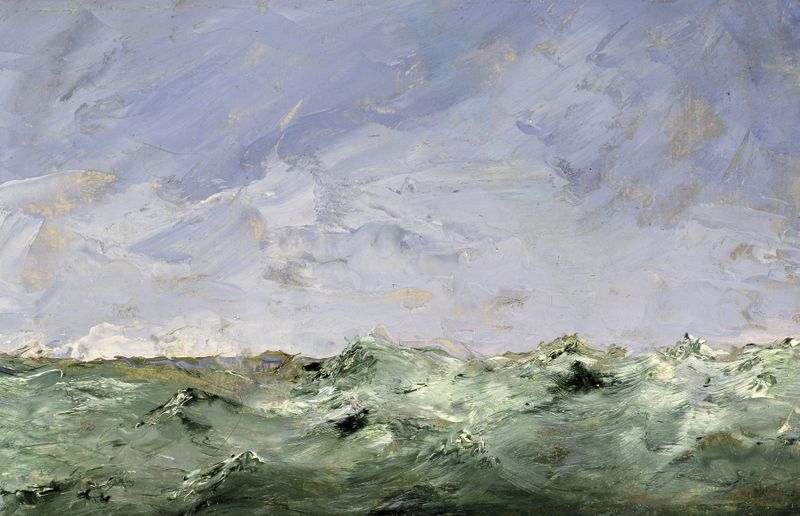
Little Water. Dalarö
August Strindberg
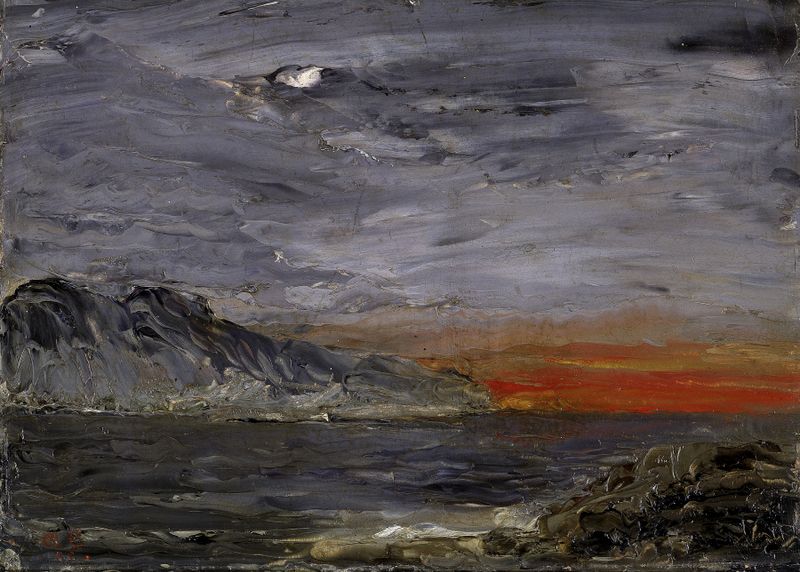
Sunset
August Strindberg
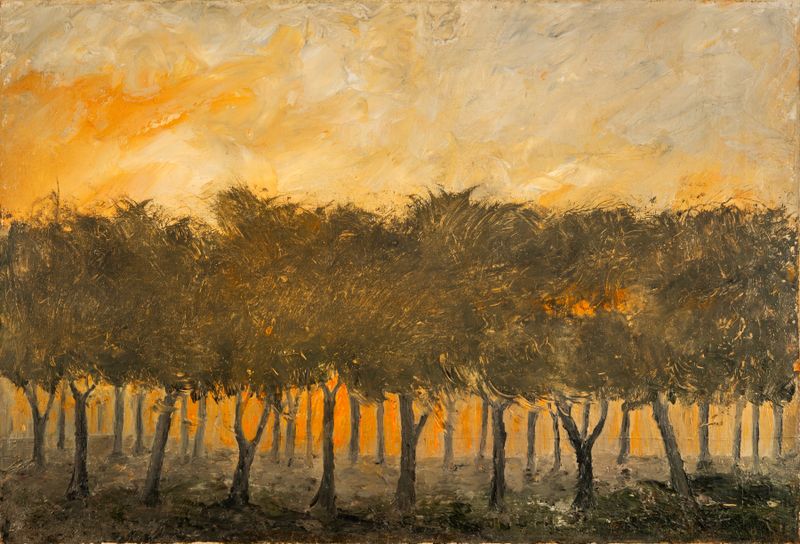
The Garden of Rosendal II
August Strindberg

Stormy Sea. Broom Buoy
August Strindberg
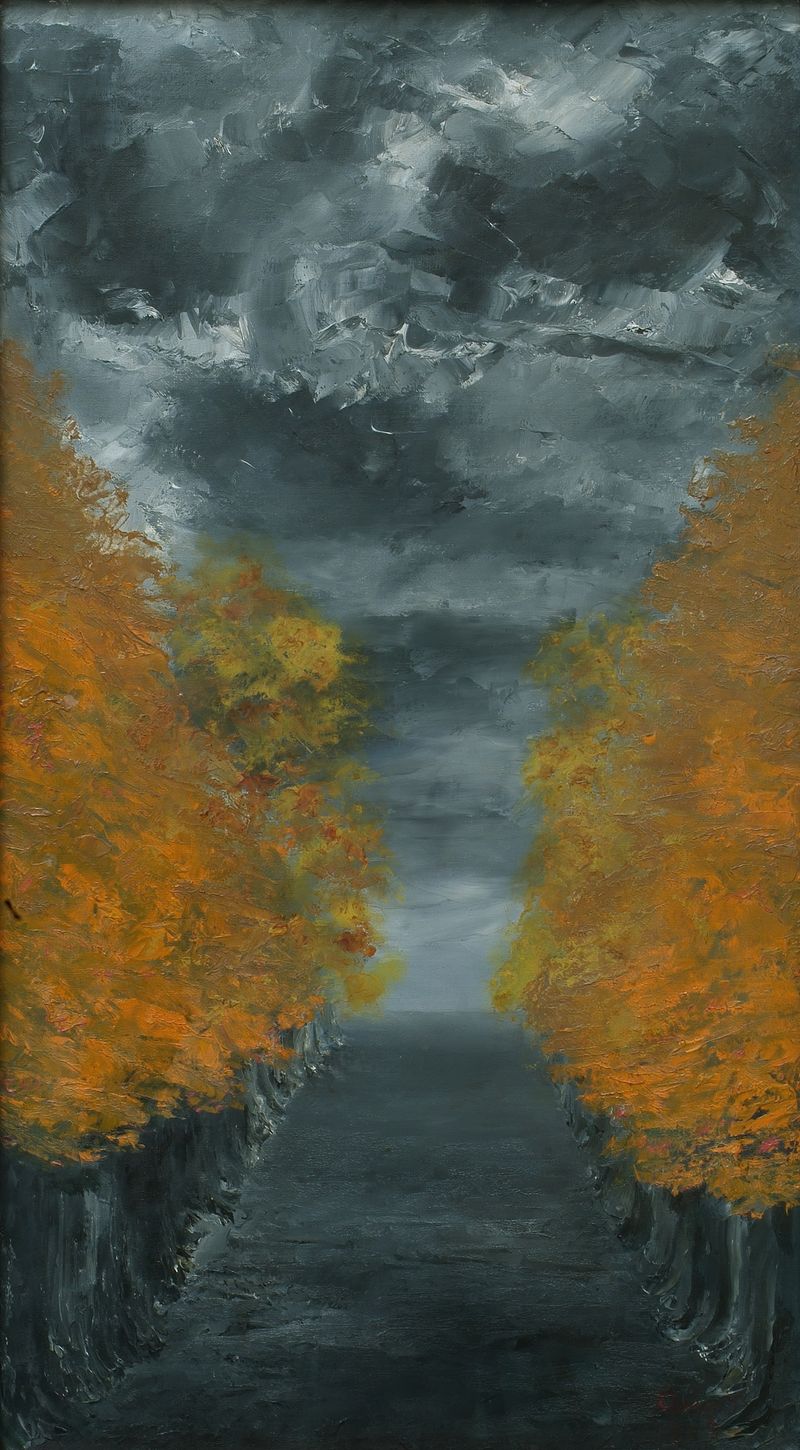
The Avenue
August Strindberg





