
The Battle of Scheveningen, 31 July — History & Facts
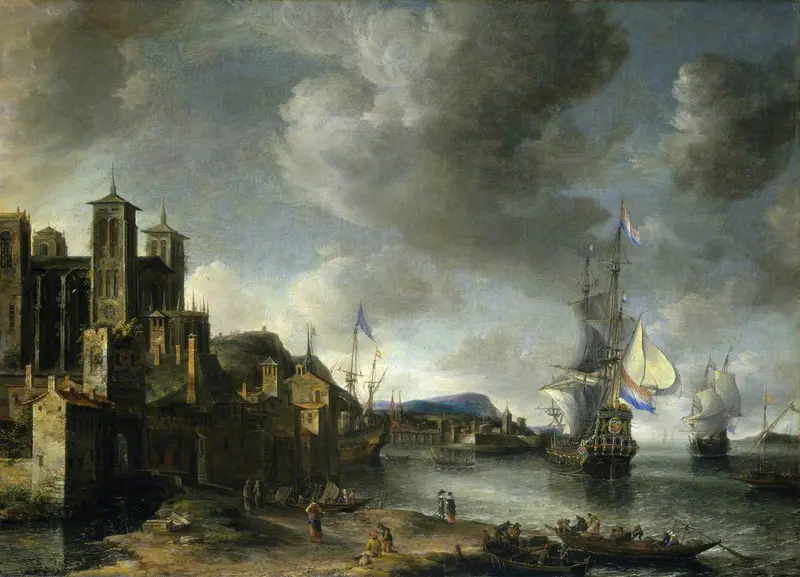
The first thing to seize the eye is the sheer, billowing drama of the sky—a rolling mass of smoke and cloud that seems to swallow the entire horizon, dwarfing the proud ships below. In The Battle of Scheveningen, 31 July, Abraham Beerstraaten orchestrates chaos and order in equal measure: a crush of masts and sails, their flags snapping, some vessels locked in close combat, others already broken and sinking. The Dutch tricolours and English red ensigns mark out the adversaries, but it is the play of light—flashes of cannon fire, the orange glow of burning ships—that draws the viewer from one crisis to the next.
The sea is restless, flecked with the wreckage of war, while tiny boats packed with figures suggest desperate rescue or surrender, their fate left unresolved in the haze. Painted in 1654, this work belongs to the golden age of Dutch marine painting, when the fortunes of the Republic were bound to the sea and its artists found endless drama in naval conflict. Such paintings were prized by merchants and naval officers alike, both as commemorations and as emblems of national pride. Beerstraaten was one of several artists who specialized in these grand battle scenes, capturing not only the spectacle but the uncertainty and cost of maritime warfare.
History has kept few traces of this specific canvas, now in the Art UK collection, but its energy and detail invite the viewer to step closer, to puzzle out the fate of each ship and sailor in the smoky tumult.
More Artworks by Abraham Beerstraaten
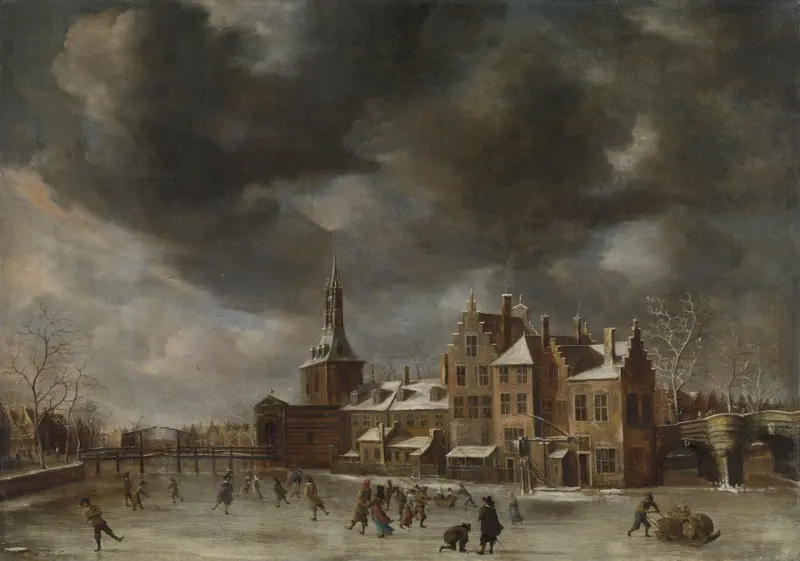
The Blauwpoort in Leiden in the Winter
Abraham Beerstraaten
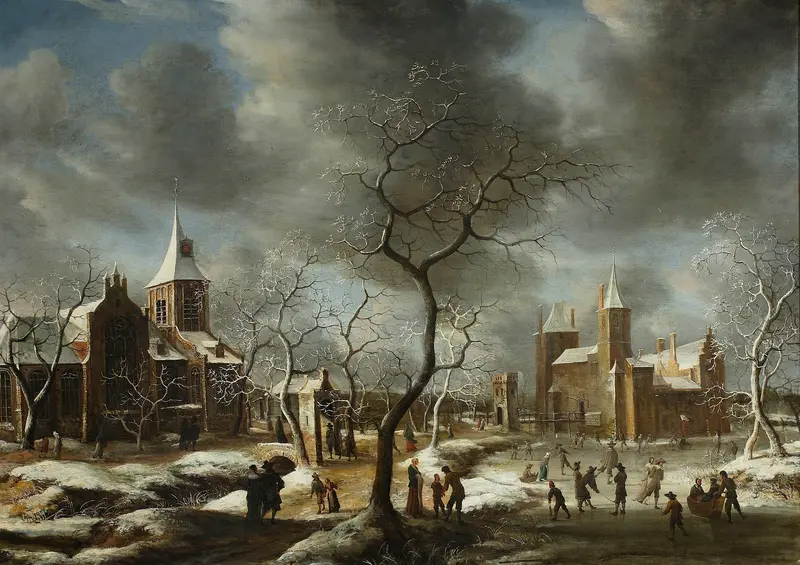
Landscape with ice-skaters
Abraham Beerstraaten
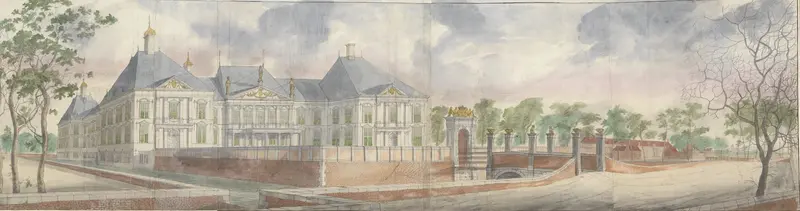
Het Huis te Honselaersdijk en omgeving, over het voorplein te zien
Abraham Beerstraaten
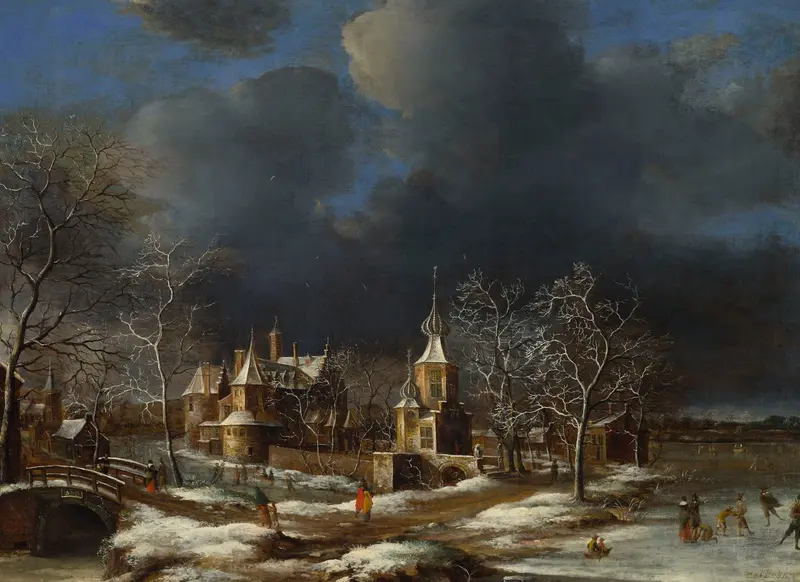
Poelgeest Castle at Koudekerk
Abraham Beerstraaten
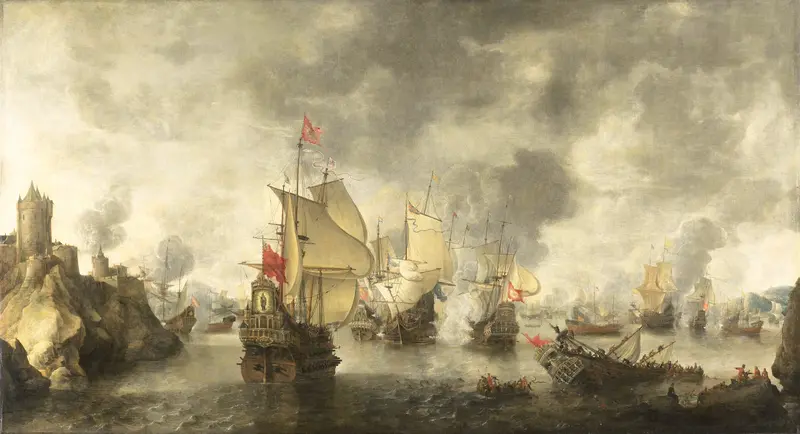
Battle of the Combined Venetian and Dutch Fleets against the Turks in the Bay of Foya, 1649
Abraham Beerstraaten
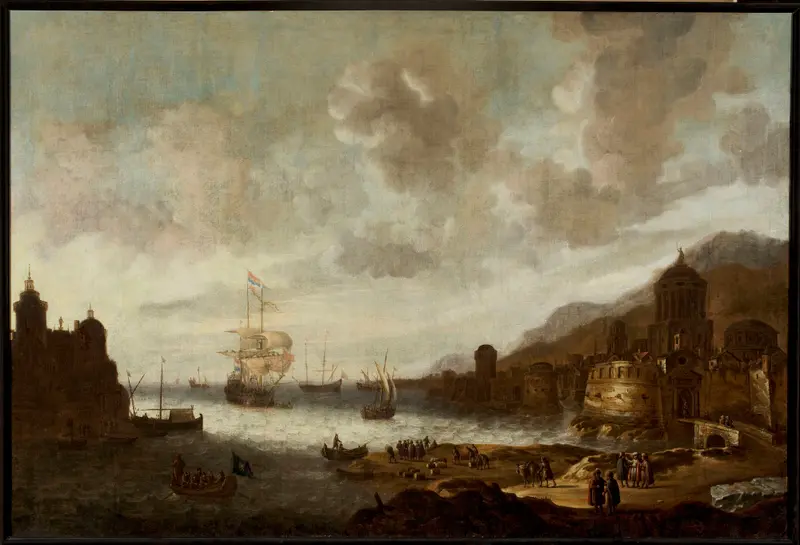
Dutch ship in an exotic port
Abraham Beerstraaten
Battle of the combined Venetian and Dutch fleets against the Turks in the Bay of Foya
Abraham Beerstraaten
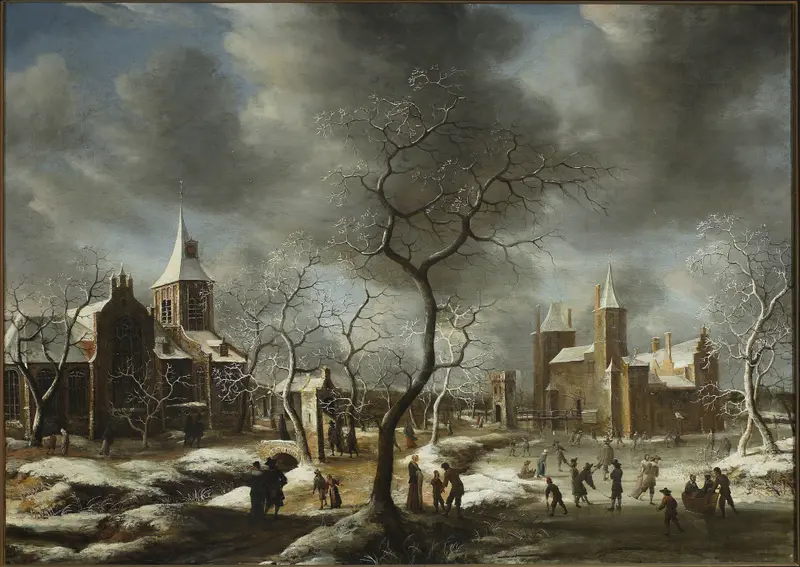
Winter landscape with skaters.
Abraham Beerstraaten
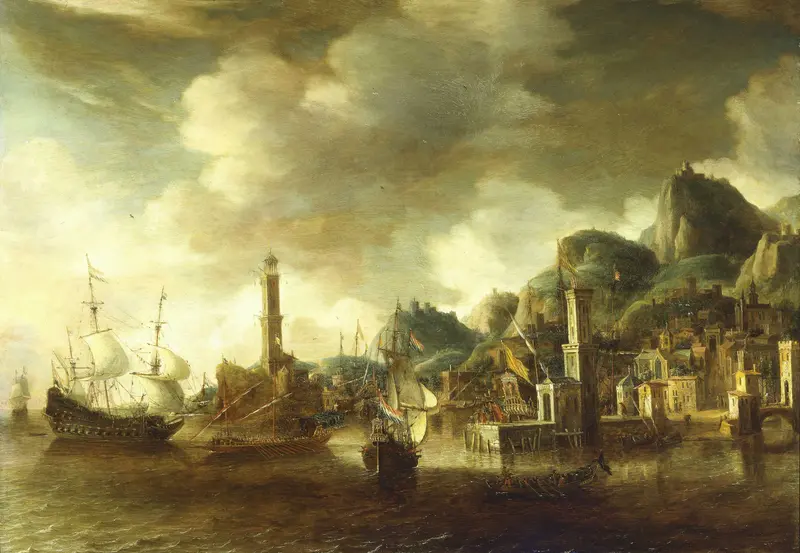
A Dutch Flagship and a Fluyt Running into a Mediterranean Harbour
Abraham Beerstraaten
Mediterranean Harbour Scene with the Saint Jean Cathedral at Lyons
Abraham Beerstraaten





