
The Beet Harvest — History & Facts
In the midst of muted chaos, the harvest becomes a dance of energy and desperation, captured on the canvas. A seemingly simple scene conveys an undercurrent of madness, where nature's bounty clashes with the fervor of laborers, all amid the forgotten rhythms of the earth. Look to the left, where laborers bend in humble submission to their task, their backs forming a gentle curve that mirrors the landscape’s rolling hills. Notice how the earthy palette of greens and browns envelops them, while flashes of crimson and gold punctuate the field, signaling the fruits of their labor.
The dappled light filters through the trees, revealing the texture of the soil and the sweat on their brows, blending the human experience with nature’s insistence. Yet beneath this bucolic charm lies a poignant tension: the struggle against nature's caprice and the madness of relentless toil. Each figure, though unified in purpose, feels a unique strain, as if the weight of each beet they harvest bears down on their souls. The contrast of light and shadow reflects the duality of labor—the joy of abundance shadowed by the weariness it demands. In 1881, during a time when Pissarro was immersed in the Impressionist movement, he painted this work while living in Éragny, France.
It was a period of personal and artistic exploration for him, as he sought to depict the intimate relationship between humanity and the natural world. Pissarro grappled with the changing dynamics of rural life, capturing not just a scene but the essence of the struggles inherent within it, and inviting viewers to confront their own reflections in the chaos.
More Artworks by Camille Pissarro
Browse all →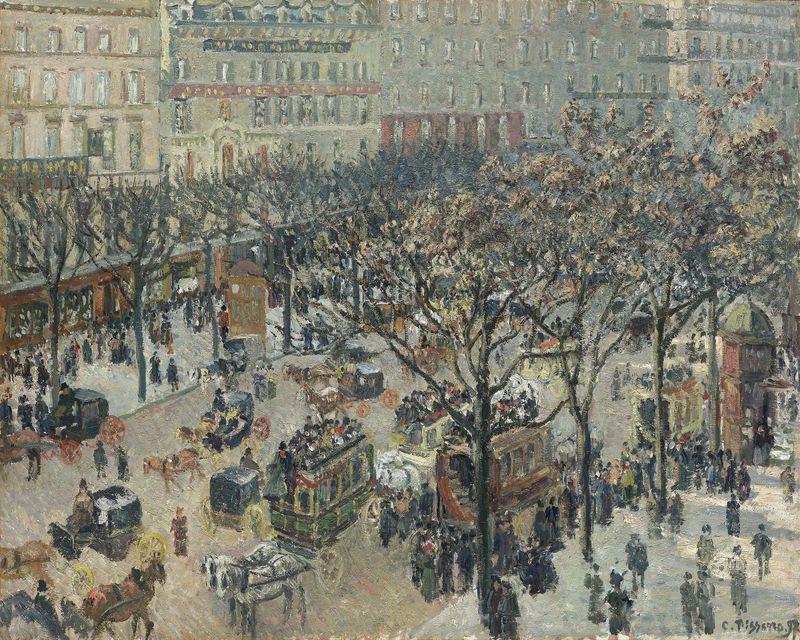
Boulevard des Italiens,Morning_Sunlight
Camille Pissarro
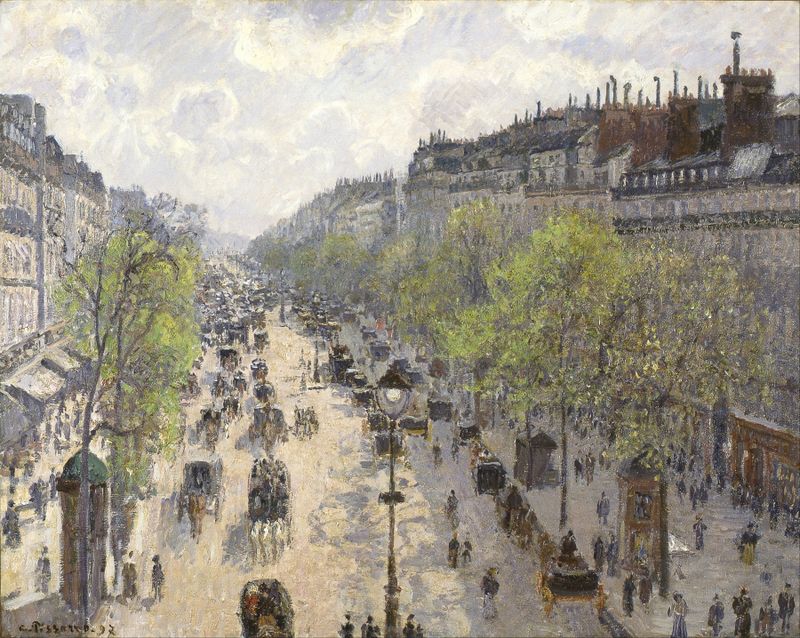
Boulevard Montmartre, Spring
Camille Pissarro
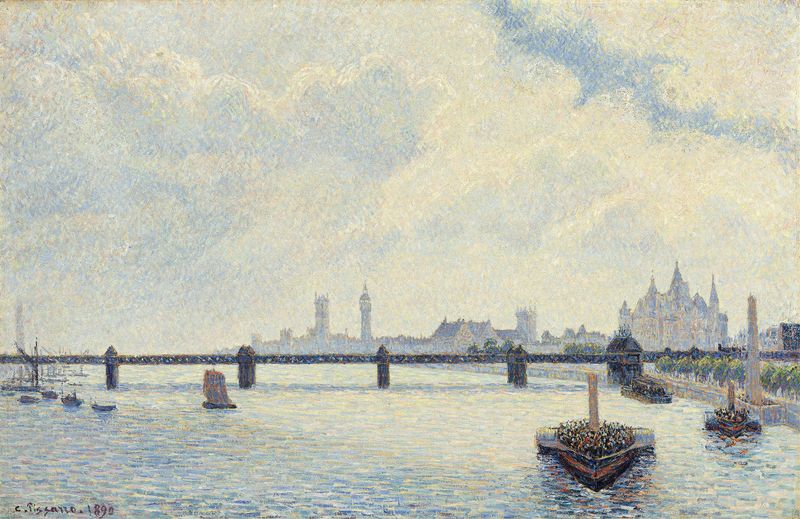
Charing Cross Bridge,London
Camille Pissarro
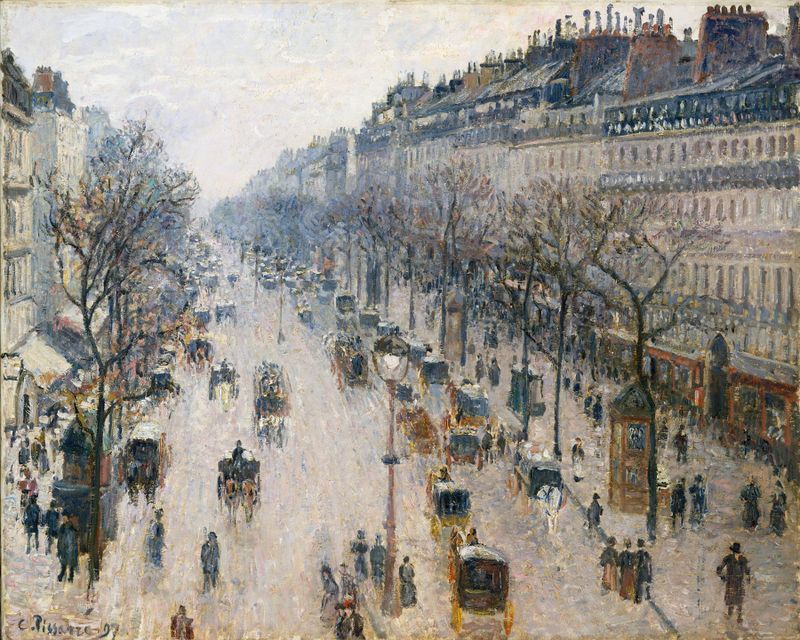
The Boulevard Montmartre on a Winter Morning
Camille Pissarro
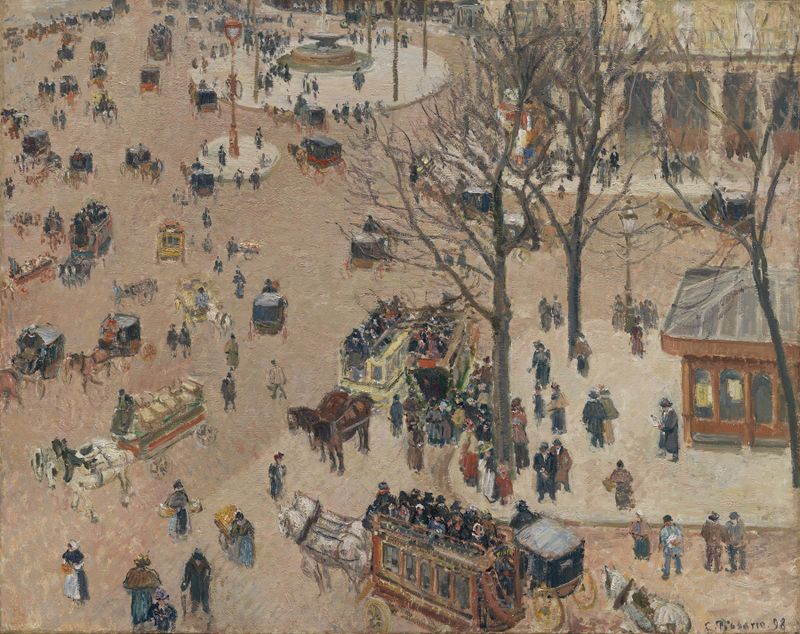
La Place du Théâtre Français
Camille Pissarro

Rue Saint-Lazare, Paris
Camille Pissarro
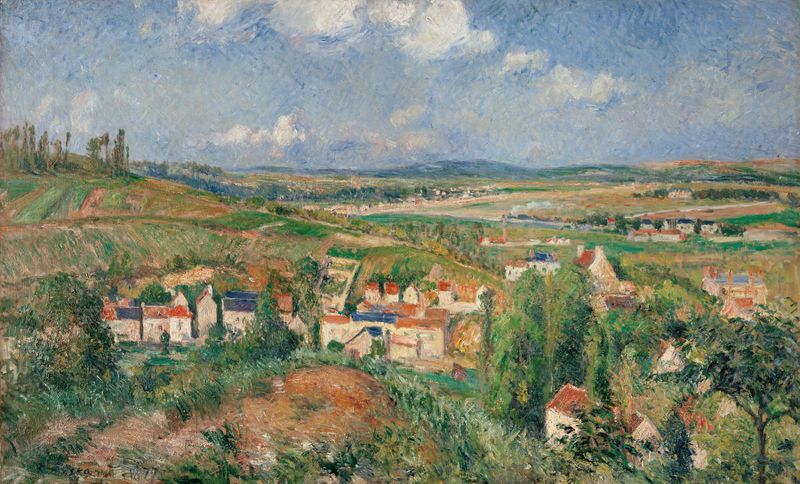
L’hermitage En Été, Pontoise
Camille Pissarro

Place du Theatre Francais,Fog Effect
Camille Pissarro
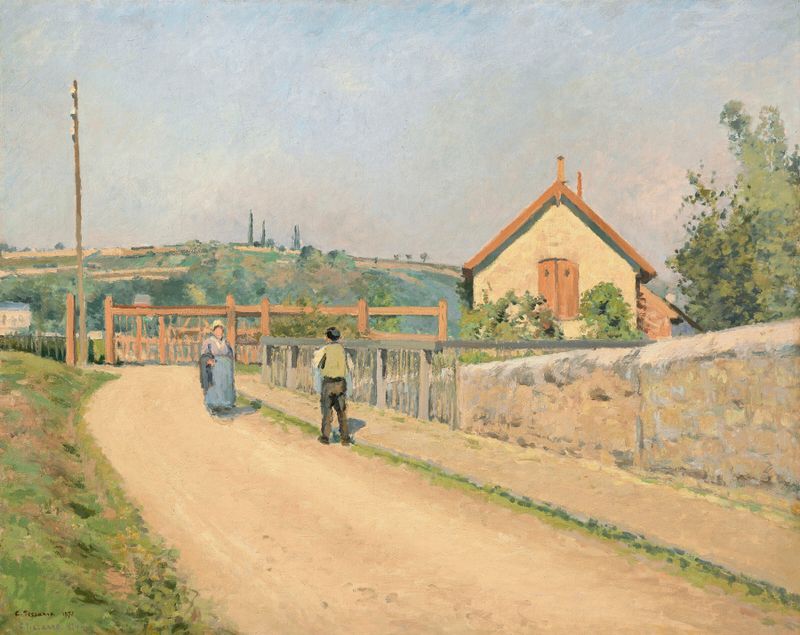
La barrière du chemin de fer, aux Pâtis près Pontoise
Camille Pissarro
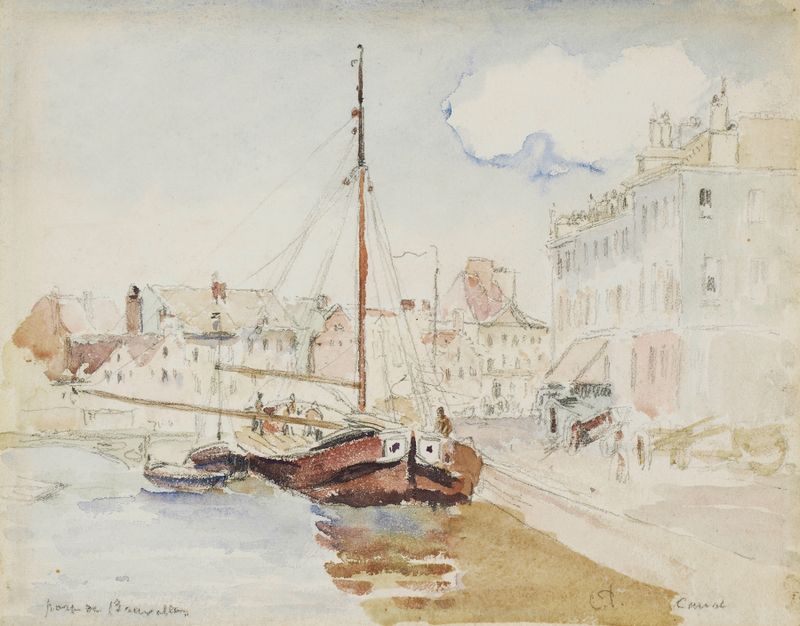
Port de Bruxelles
Camille Pissarro





