
The Betrayal of Christ — History & Facts
What if silence could speak through light? In the stillness of The Betrayal of Christ, the tension is palpable, a moment frozen in time that invites both reflection and sorrow. Look to the center where the figure of Christ, illuminated by a divine glow, stands in stark contrast to the shadowy figures surrounding him. Notice how the artist employs chiaroscuro to create a dramatic interplay of light and dark, enhancing the emotional weight of the scene. The vibrant reds and ochres of the betrayers' attire contrast sharply with the serene palette enveloping Christ, drawing the viewer’s eye to the focal point of anguish and impending doom. The hidden meanings begin to unravel in the details—the subtle expressions of the disciples, the clenched fists of betrayal, and the conflicting emotions that cascade around the scene.
Each character's posture conveys a story of loyalty, treachery, and the heavy burden of choice. This intricate composition challenges us to contemplate the nature of trust and the delicate balance between light and darkness in human relationships. Created between 1500 and the 1530s, this work emerges from a period of profound religious turmoil and artistic exploration. The artist, whose identity remains a mystery, likely faced the impacts of the Reformation and the shifts in spiritual representation, navigating the complexities of faith and art in a world on the brink of dramatic change.
More Artworks by Unidentified artist
Browse all →
Self-portrait with a Bandaged Ear and Pipe
Unidentified artist

Feast in the House of Levi
Unidentified artist
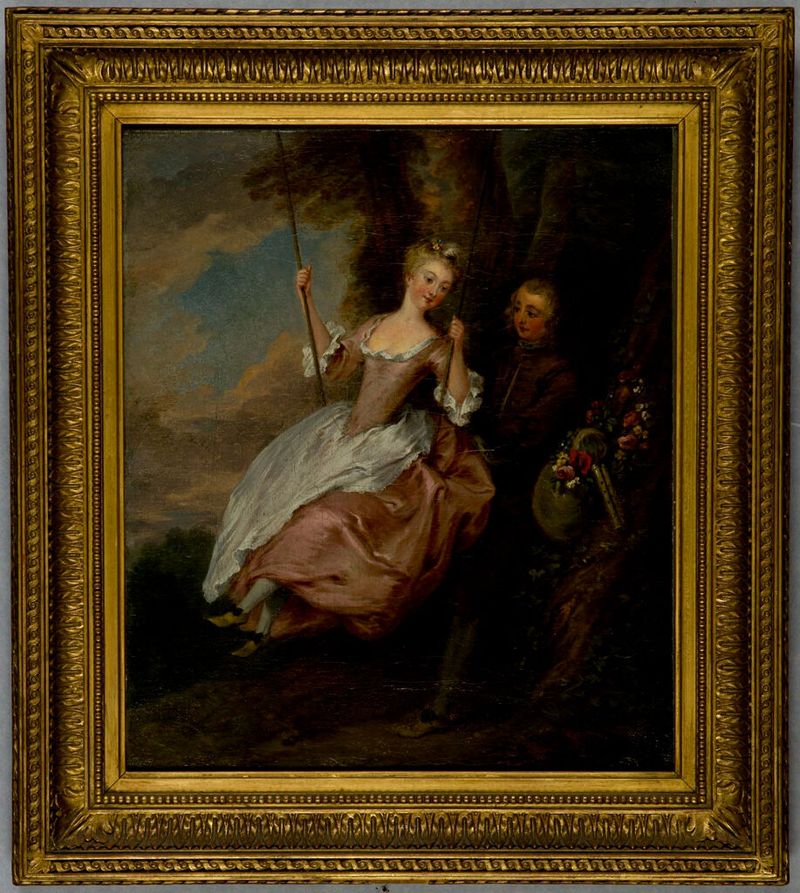
The Swing
Unidentified artist

Geoffrey Chaucer (1340?-1400)
Unidentified artist

Portrait of Michelangelo after the "Strozzi" original in the Uffizi Gallery
Unidentified artist
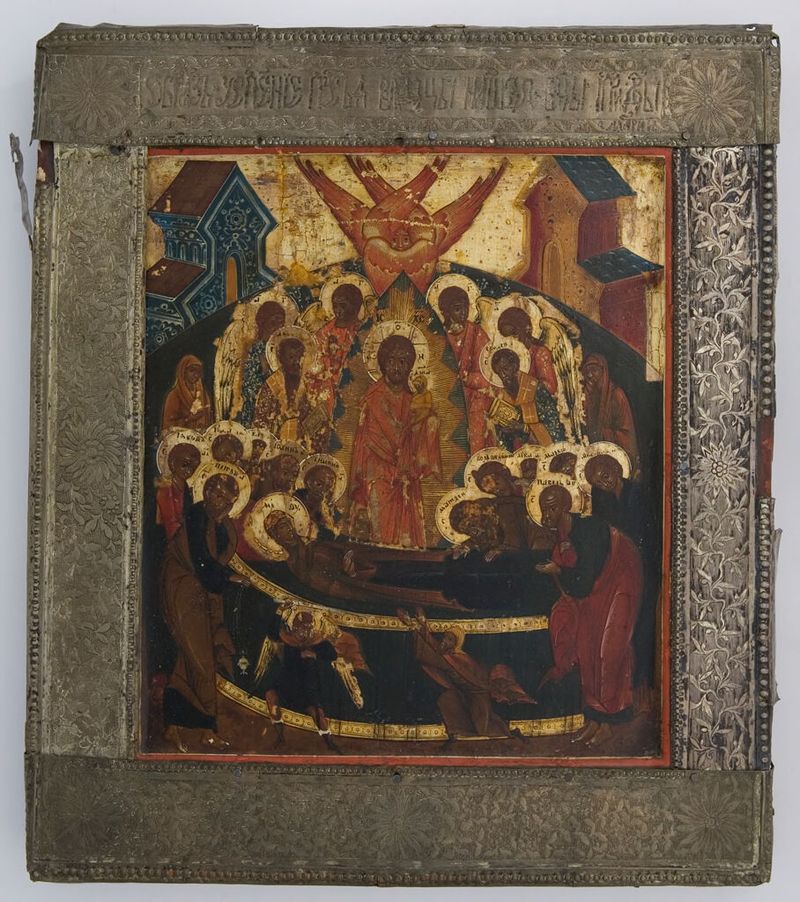
Dormition of the Virgin
Unidentified artist

Charles I (after a van Dyck painting in the Staatliche Museen, Gemaldegalerie, Dresden)
Unidentified artist

Madonna and Child
Unidentified artist

John Winthrop, the Younger (1606-1676)
Unidentified artist

Crucifix with the Virgin and Saint John the Evangelist, Christ the Redeemer, and a Praying Woman
Unidentified artist
More Religious Art
Browse all →
The Return of the Prodigal Son
Rembrandt van Rijn

The Garden of Earthly Delights
El Bosco

Count Orgaz’ funeral
El Greco

The Hundred Guilder Print: the central piece with Christ preaching, the plate arched
Rembrandt van Rijn

The Descent from the Cross
Rogier van der Weyden

The return of the prodigal son
Rembrandt van Rijn