
The Black sheep illustrated by William Wallace Denslow — History & Facts
What first catches the eye is the bold, almost theatrical heart glowing behind the unlikely pair—a black sheep and a young boy, their gazes locked in a moment of gentle curiosity. The sheep’s wool is rendered in deep, inky curls, its wide eye suggesting both surprise and a hint of mischief, while the boy’s posture, hat clutched to his chest, speaks of a tentative offering or a budding friendship. The stark contrast between the dark sheep and the luminous heart draws the viewer’s attention to the emotional core of the scene, hinting at acceptance and affection where one might expect exclusion.
The simplicity of the background, with its muted earth tones, ensures that nothing distracts from this central exchange, and the clean lines and flat colors give the image a directness that feels both modern and timeless. Created in 1901 for a Mother Goose edition, this illustration by William Wallace Denslow belongs to a world where nursery rhymes and picture books were gaining new importance in children’s lives, thanks to advances in printing and a growing belief in childhood as a special, imaginative time. Denslow, known for his work on The Wonderful Wizard of Oz, was a master of bold outlines and expressive characters, making his images instantly recognizable and deeply memorable. The Library of Congress now preserves this piece, a testament to the era’s blend of whimsy and moral lesson.
As you study the sheep’s wary eye and the boy’s open face, consider how such images shaped the way generations learned to see themselves—and the so-called “black sheep”—with empathy and humor.
More Artworks by William Wallace Denslow
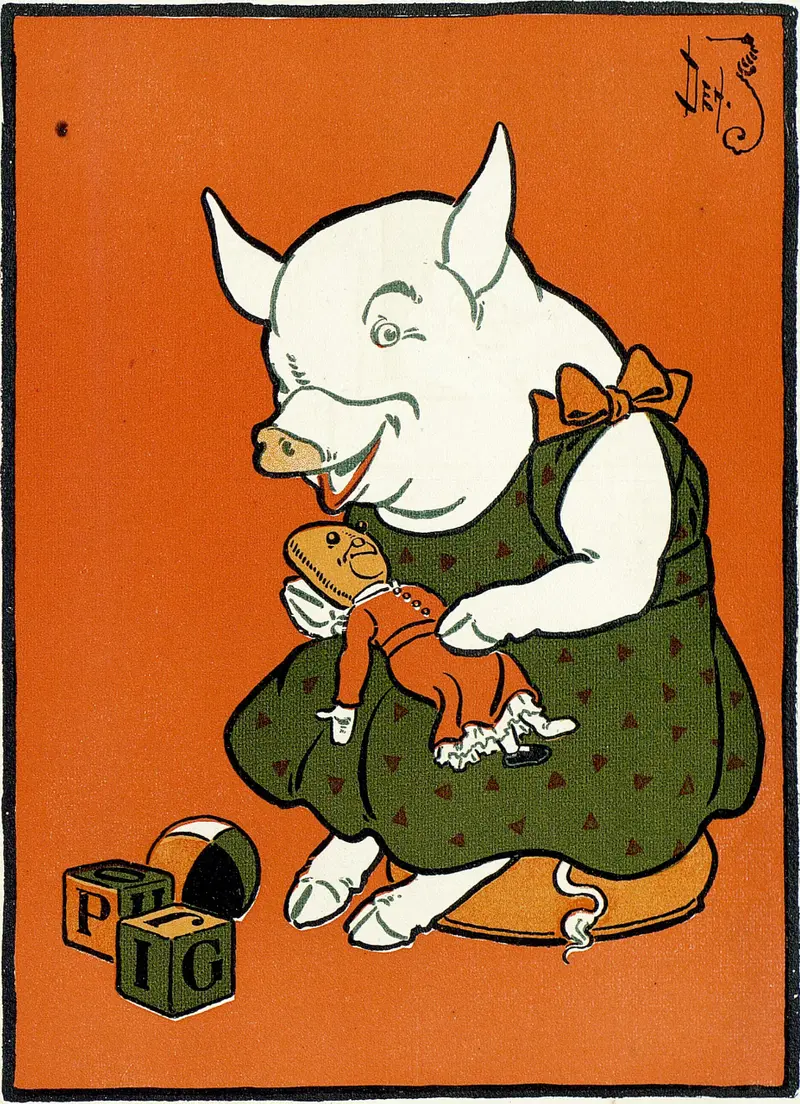
Denslow's 5 Little Pigs (page 7 crop)
William Wallace Denslow

Denslow's 5 Little Pigs
William Wallace Denslow
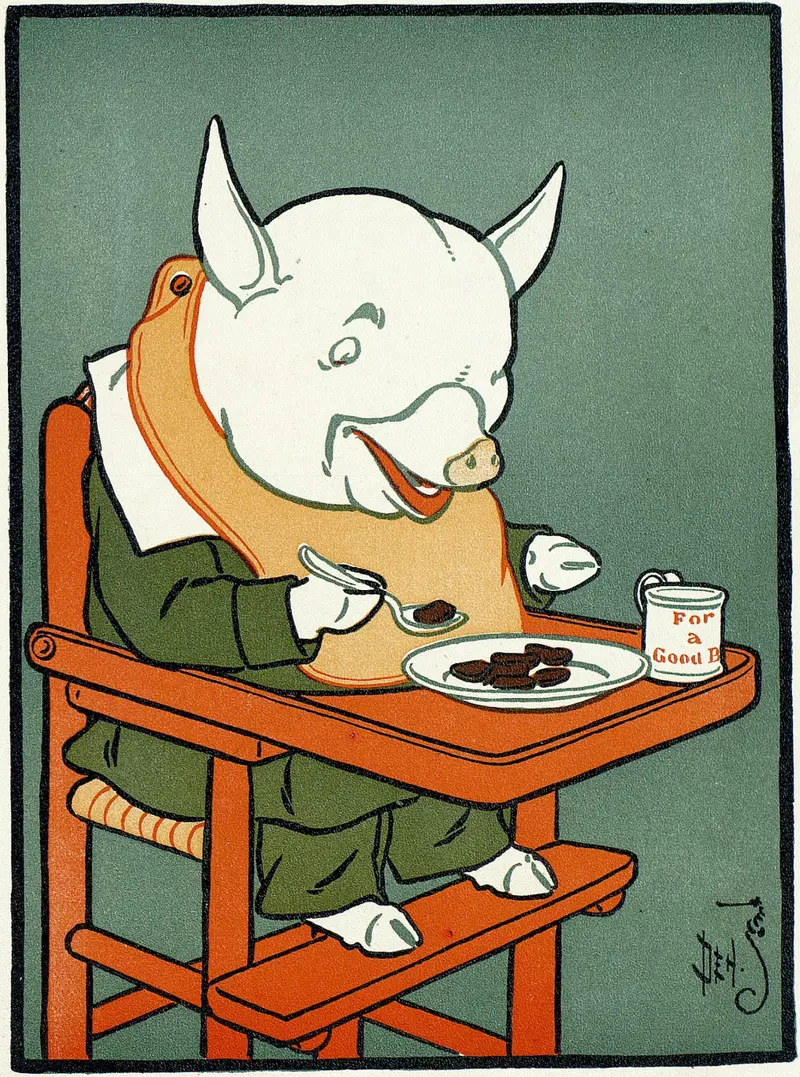
Denslow's 5 Little Pigs (page 9 crop)
William Wallace Denslow
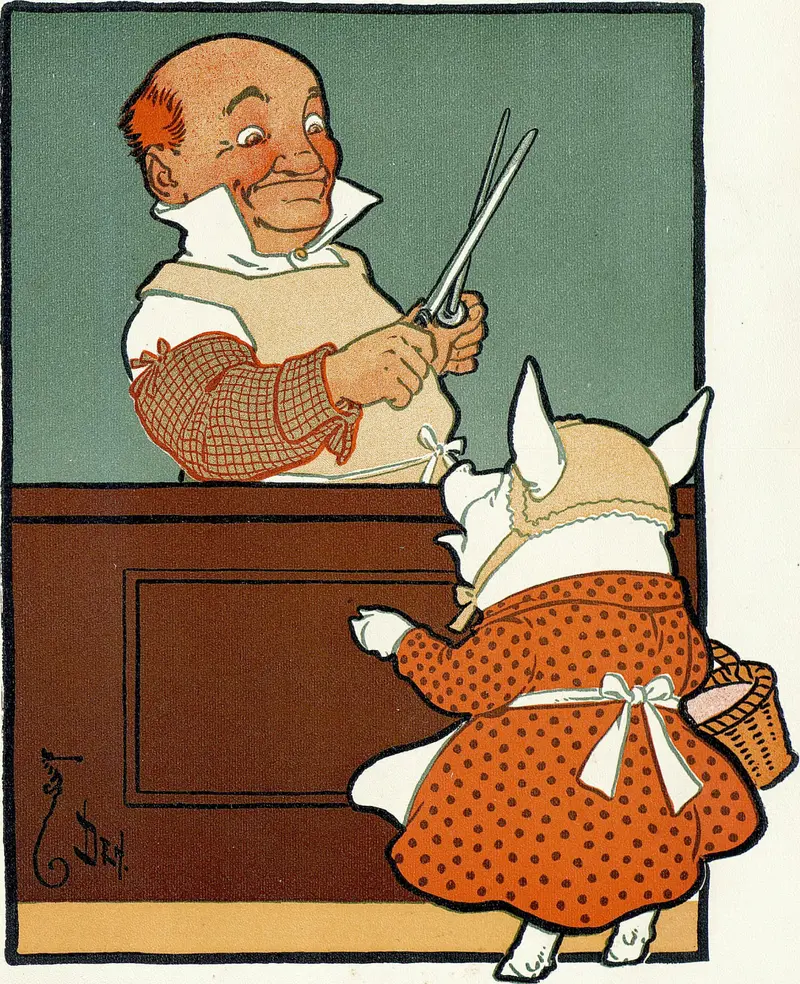
Denslow's 5 Little Pigs (page 5 crop)
William Wallace Denslow

Denslow's 5 Little Pigs (page 11 crop)
William Wallace Denslow

Denslow's 5 Little Pigs (page 15 crop)
William Wallace Denslow

Denslow's 5 Little Pigs (page 13 crop)
William Wallace Denslow

Pearl and Pumpkin-book pg-000 cover
William Wallace Denslow
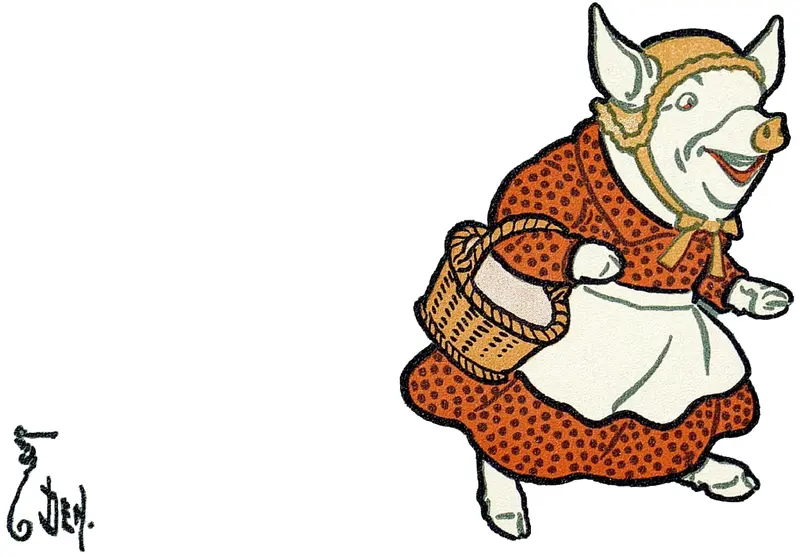
Denslow's 5 Little Pigs page p4b
William Wallace Denslow
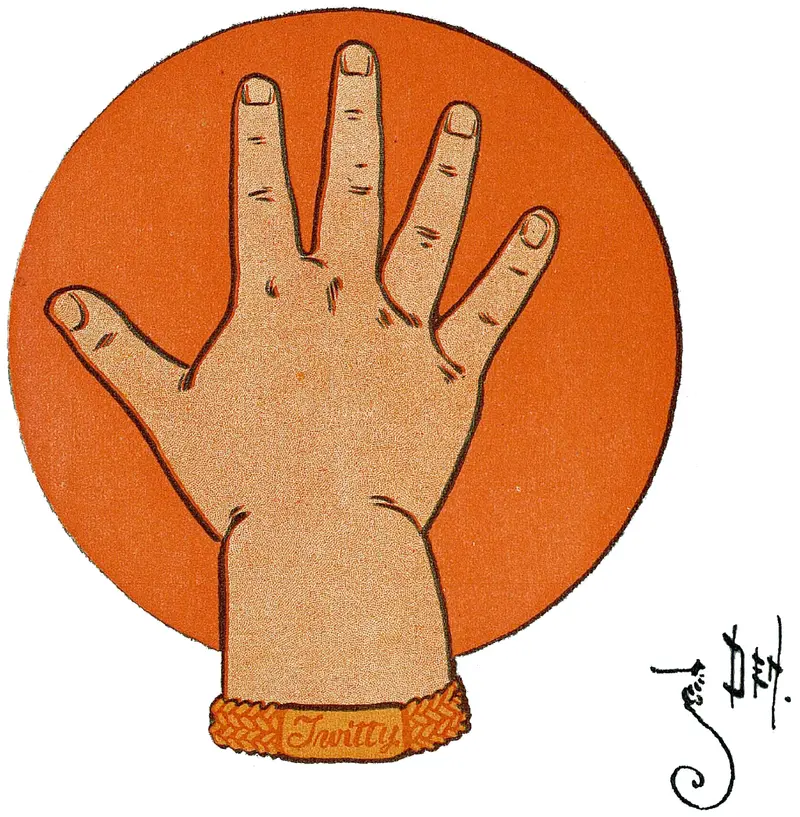
Denslow's 5 Little Pigs page 3
William Wallace Denslow





