
The Blind Doe — History & Facts
In The Blind Doe, Walter Crane presents a serene scene dominated by soft greens and browns. The central figure is a blind doe, depicted with gentle features and a calm demeanor. Surrounding her is a lush landscape, filled with foliage that adds depth and vibrancy to the composition.
The overall atmosphere is tranquil, inviting viewers to reflect on the beauty of nature. The painting is executed in oil on canvas, showcasing Crane's characteristic attention to detail and color. The doe is rendered with a delicate touch, emphasizing her vulnerability and grace. The use of light and shadow creates a sense of depth, enhancing the three-dimensionality of the scene.
Viewers can appreciate the fine brushwork that brings the natural elements to life. Walter Crane was a prominent figure in the Victorian art scene, known for his illustrations and paintings that often featured themes of nature and fantasy. The Blind Doe reflects his interest in animal subjects and the natural world. An interesting fact about this work is that it captures a moment of stillness, inviting contemplation on the relationship between animals and their environment.
Crane's ability to blend realism with a touch of idealism is evident in this piece.
More Artworks by Walter Crane

Oranges and Lemons
Walter Crane
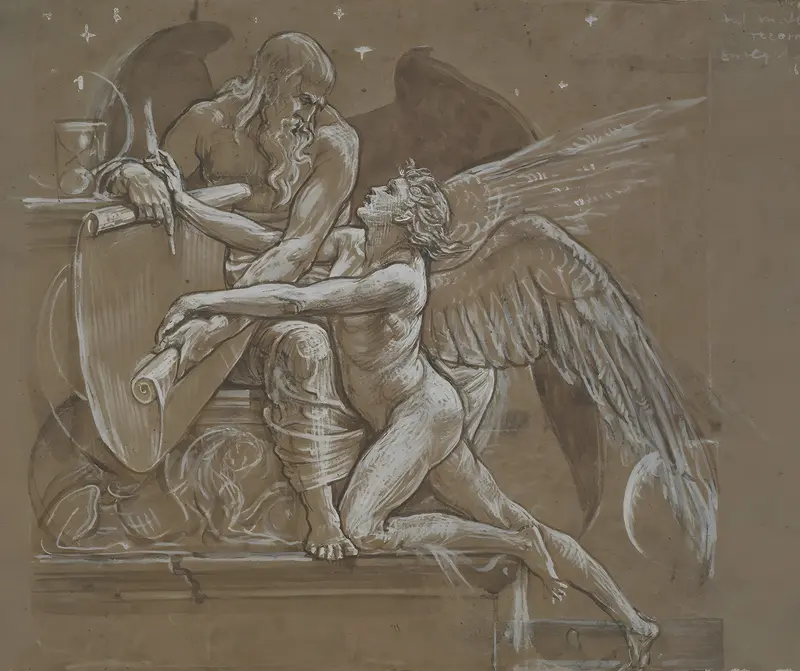
The Roll of Fate, England
Walter Crane
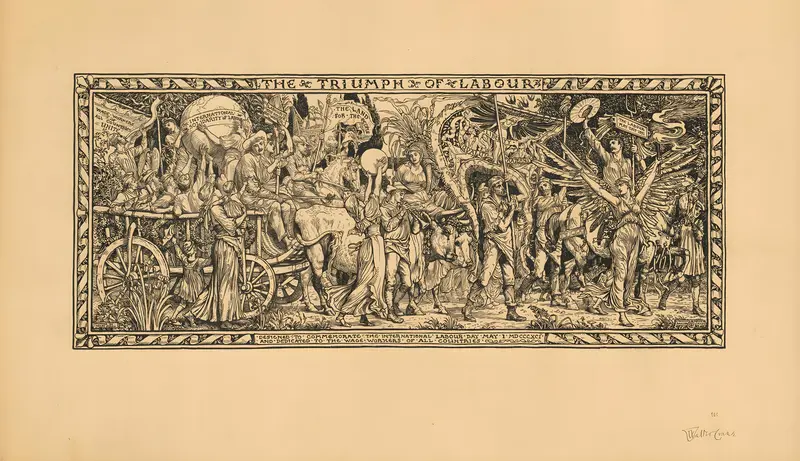
The Triumph of Labour. Designed to commemorate The International Labour Day
Walter Crane
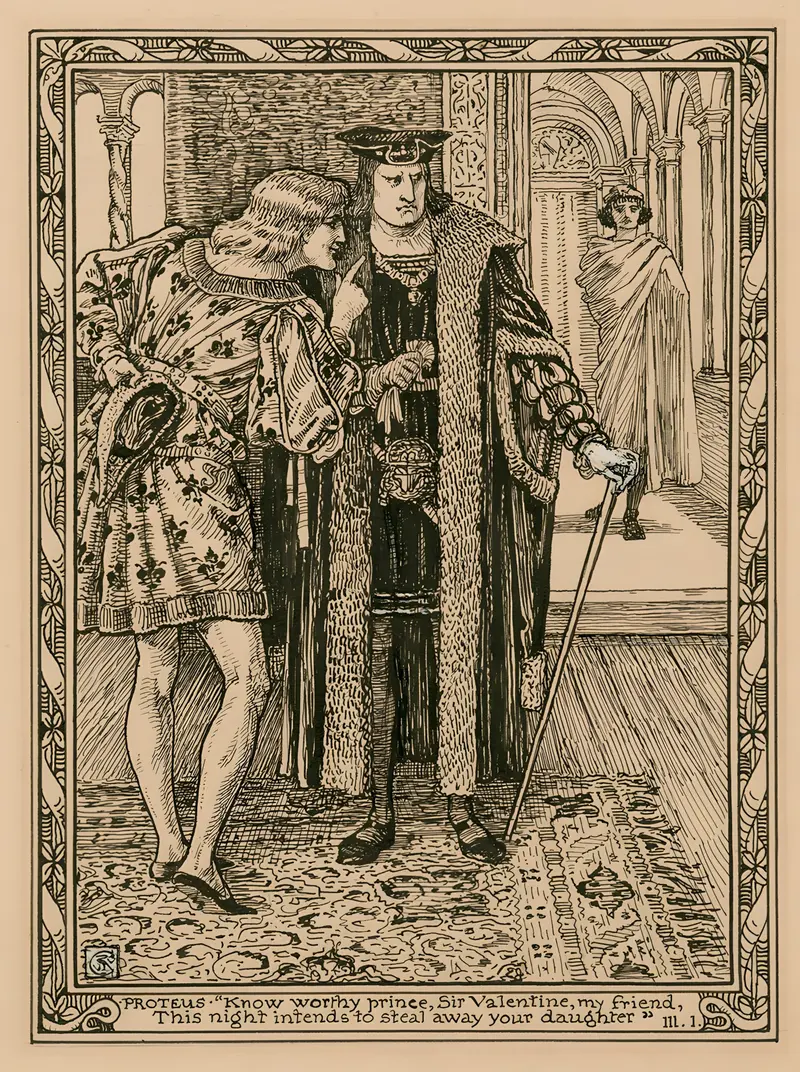
Proteus; ‘Know worthy prince, Sir Valentine, my friend, this night intends to steal away your daughter’, III, 1
Walter Crane
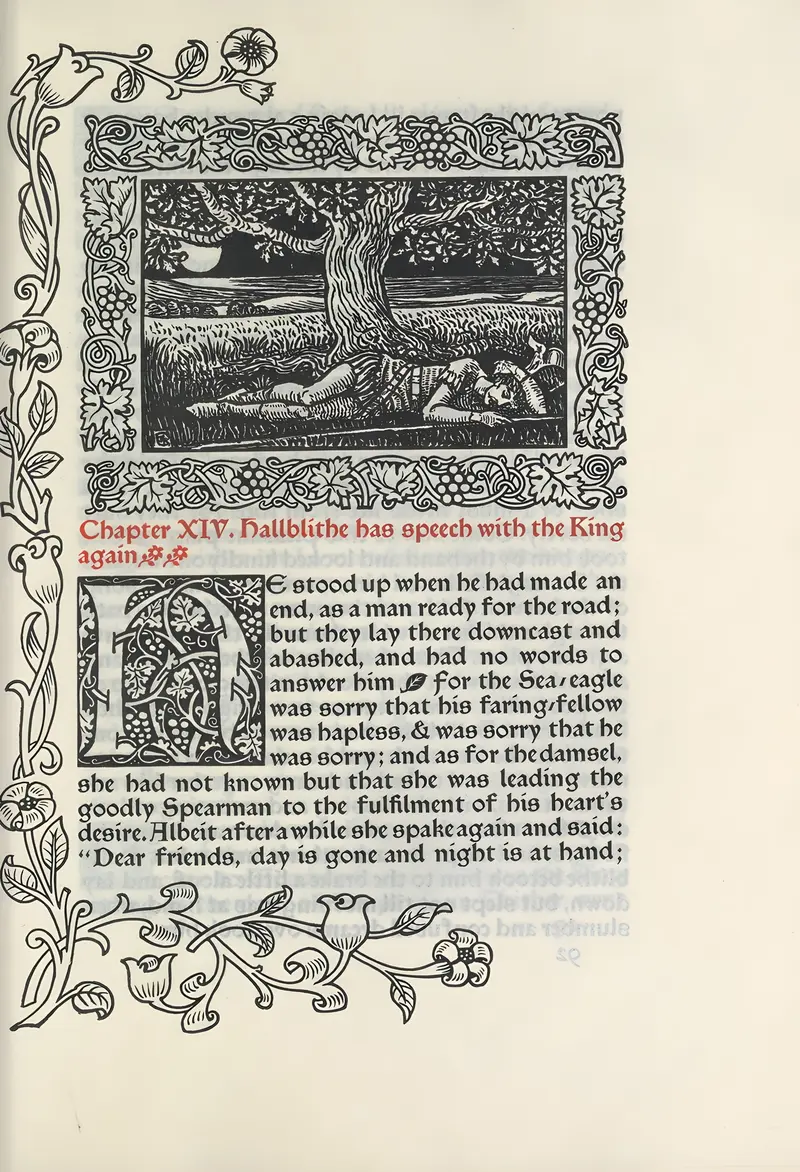
Chapter XIV. Hallblithe has speech with the King again
Walter Crane
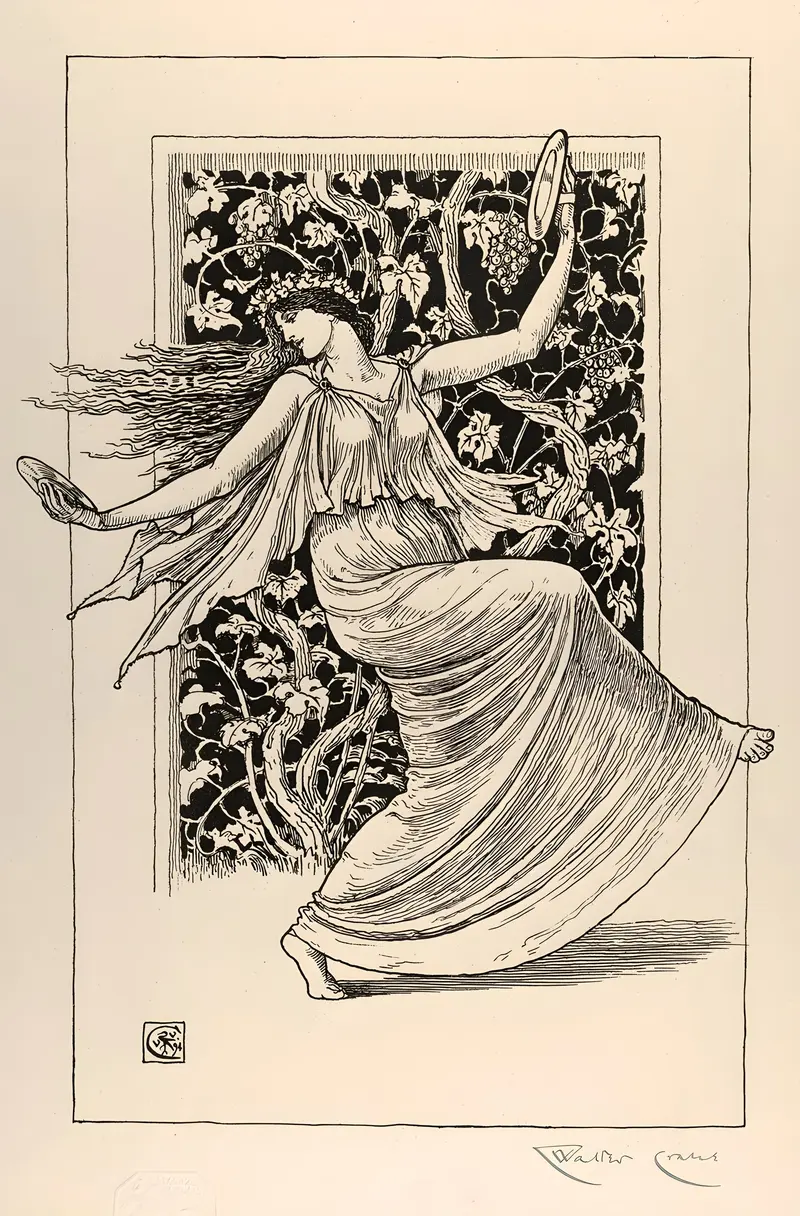
Dancing Nymph
Walter Crane
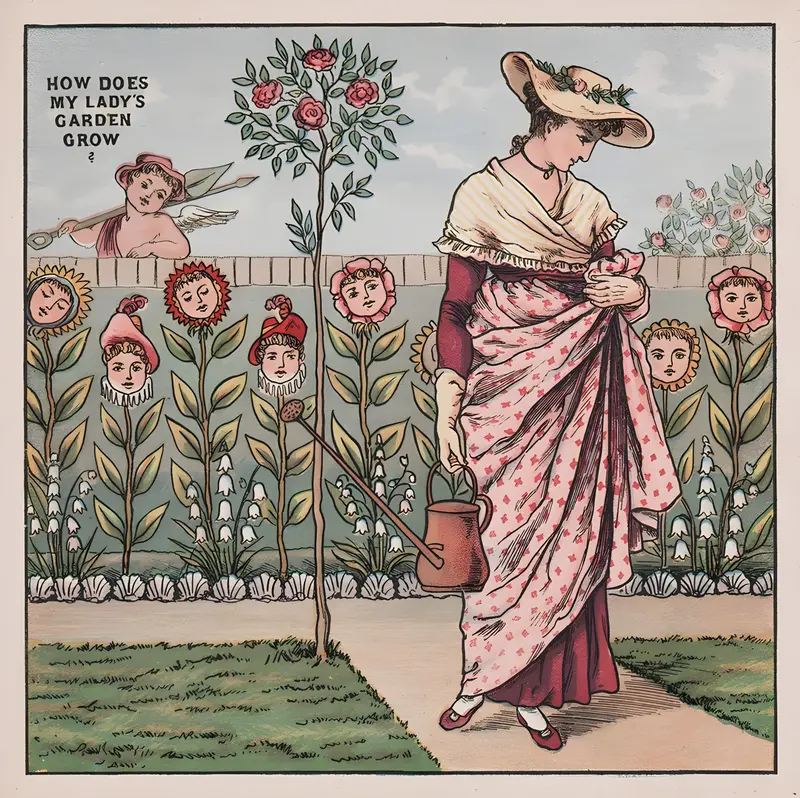
How does my lady’s garden grow
Walter Crane
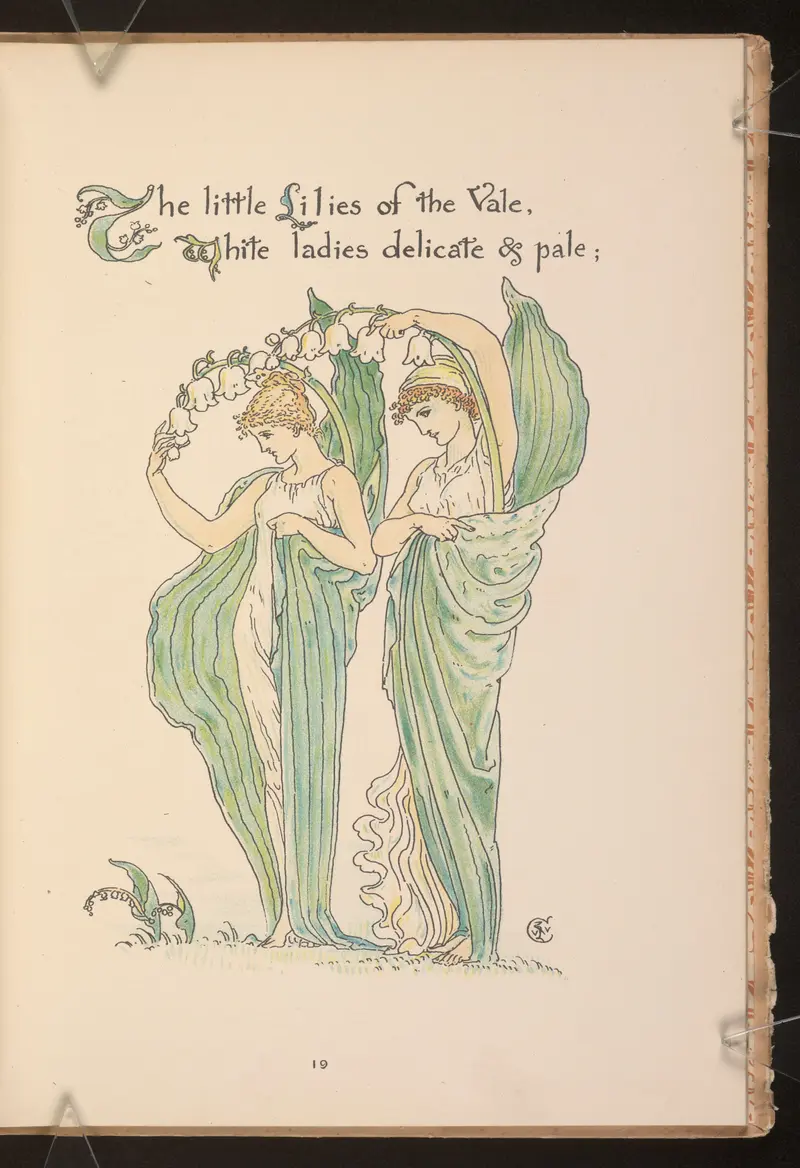
Flora’s feast; A masque of flowers Pl.19
Walter Crane
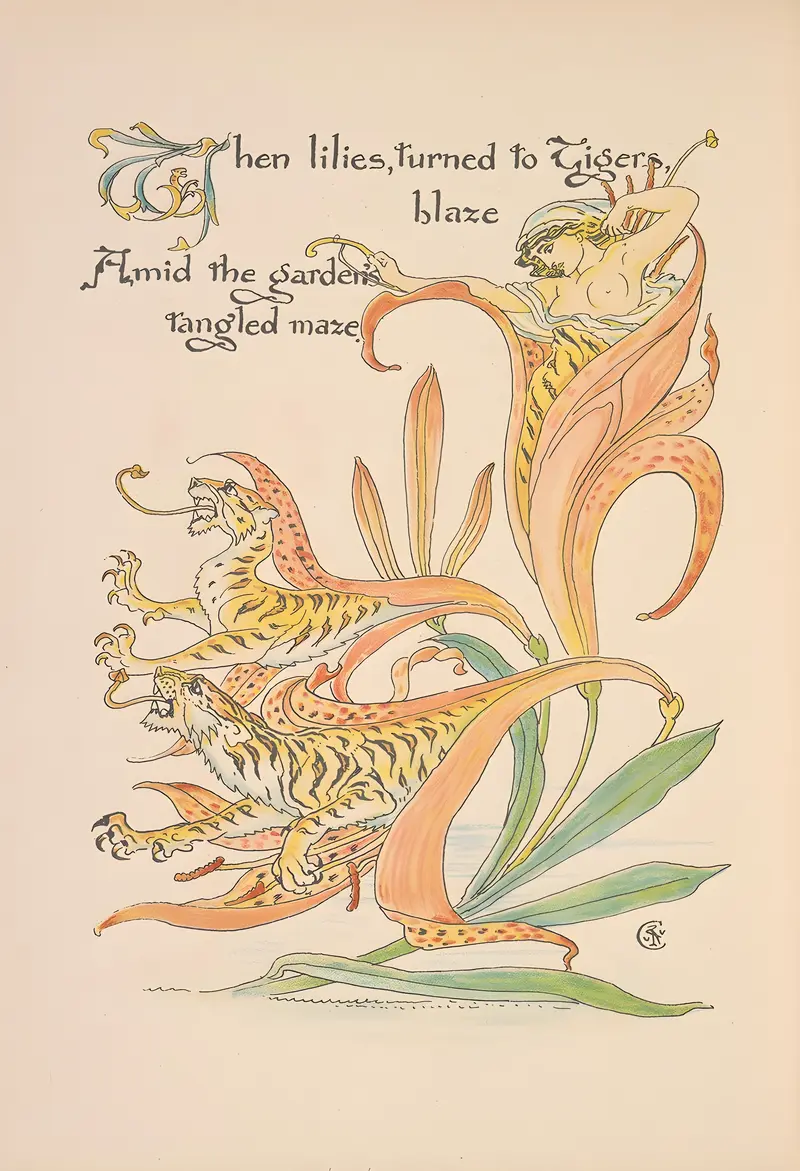
Flora’s feast; A masque of flowers Pl.34
Walter Crane
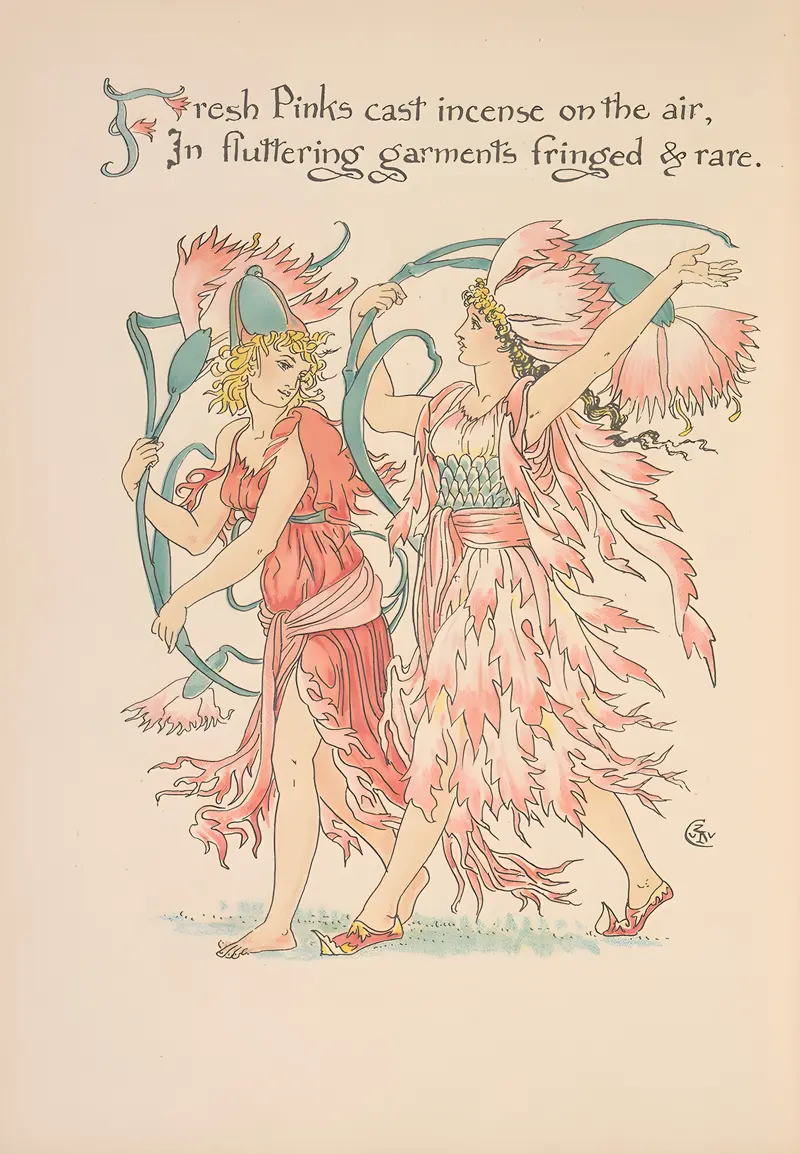
Flora’s feast; A masque of flowers Pl.29
Walter Crane





