
The Boddin — History & Facts
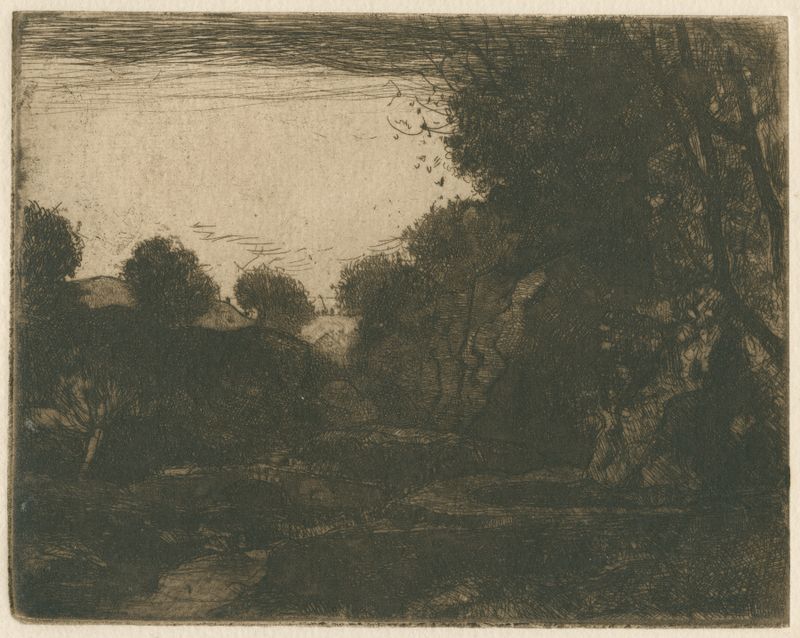
In a world filled with noise, the quiet moments often reveal the most profound insights, illuminating the path to transcendence. Look to the left at the sweeping landscape, where muted greens and subtle earth tones blend seamlessly, creating a tranquil atmosphere that invites reflection. The gentle brushwork suggests a soft breeze flowing through the trees, while the pale blue sky offers a serene backdrop. Notice how the interplay of light and shadow accentuates the contours of the hills, guiding your gaze towards the horizon where the earth seems to meet infinity. At first glance, the composition feels harmonious, yet beneath its surface lies a tension between the natural world and the ethereal.
The delicate balance of color evokes a sense of stillness, suggesting a moment captured in time, while the unyielding horizon represents the eternal quest for understanding. Each brushstroke, filled with intention, raises questions about what lies beyond the visible, urging viewers to contemplate their own journeys toward enlightenment and fulfillment. Created in 1911, this work emerged during a pivotal period in David Young Cameron’s career, as he embraced the potential of color and abstraction. Living in Scotland, Cameron was influenced by the Impressionist movement, which encouraged artists to explore the emotional power of light and atmosphere.
This painting captures not only the beauty of the landscape but also the burgeoning desire for artistic expression that characterized this era, marking a significant step in his exploration of transcendent themes.
More Artworks by David Young Cameron
Browse all →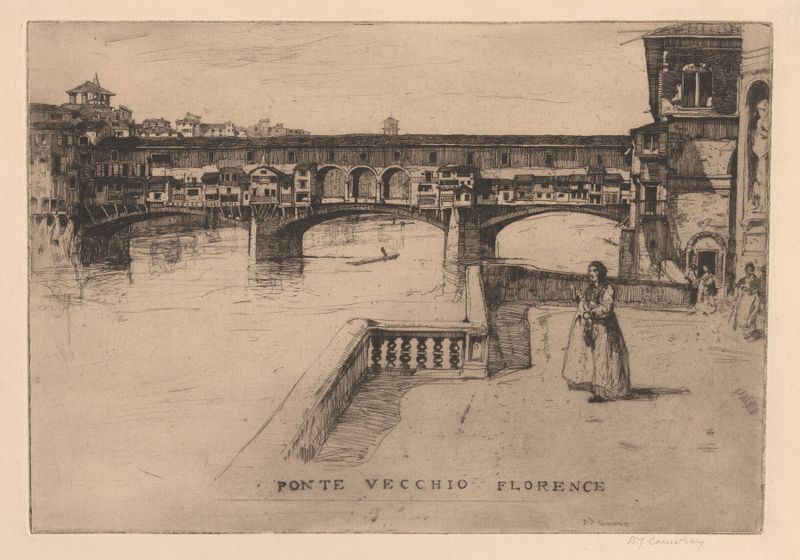
Ponte Vecchio
David Young Cameron

The Deanery, Winchester
David Young Cameron
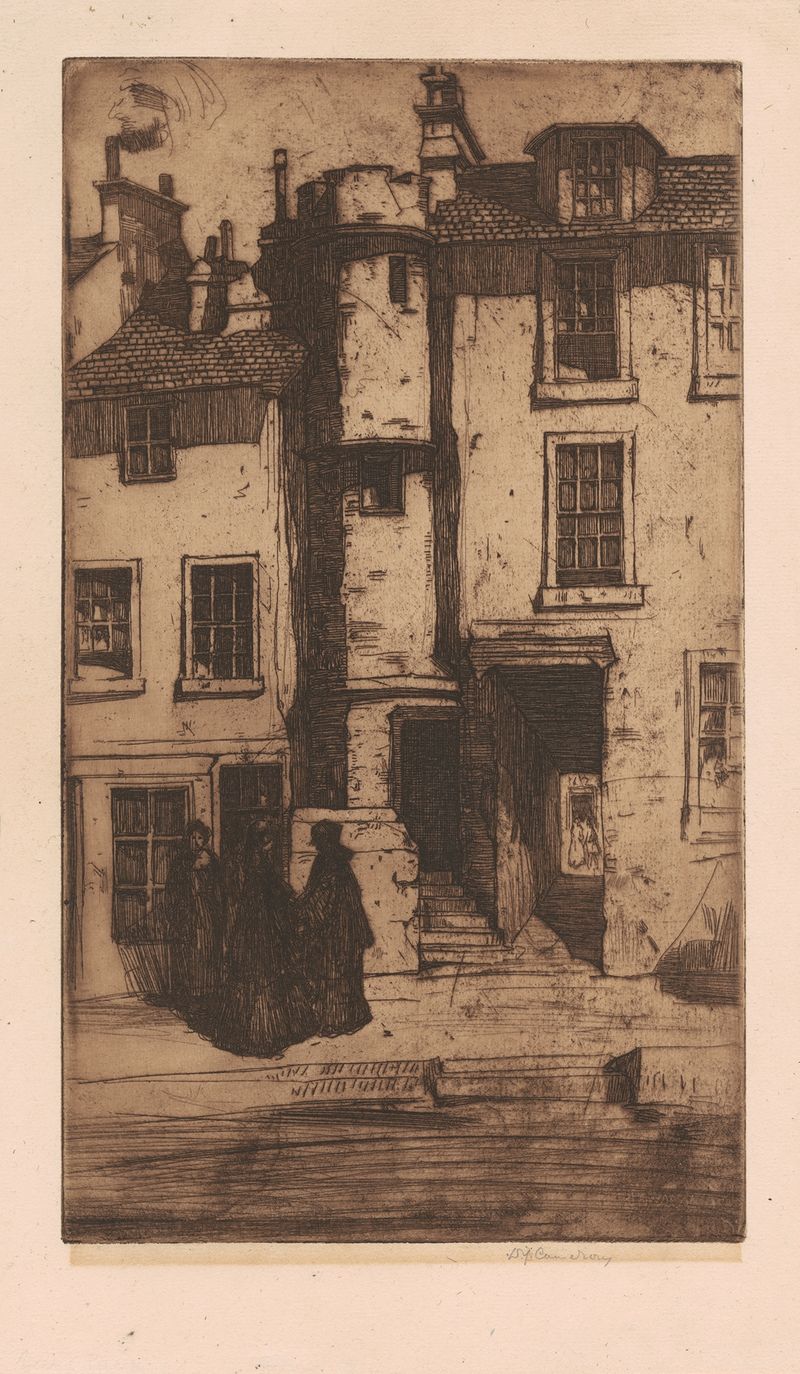
Old Houses, Stirling
David Young Cameron
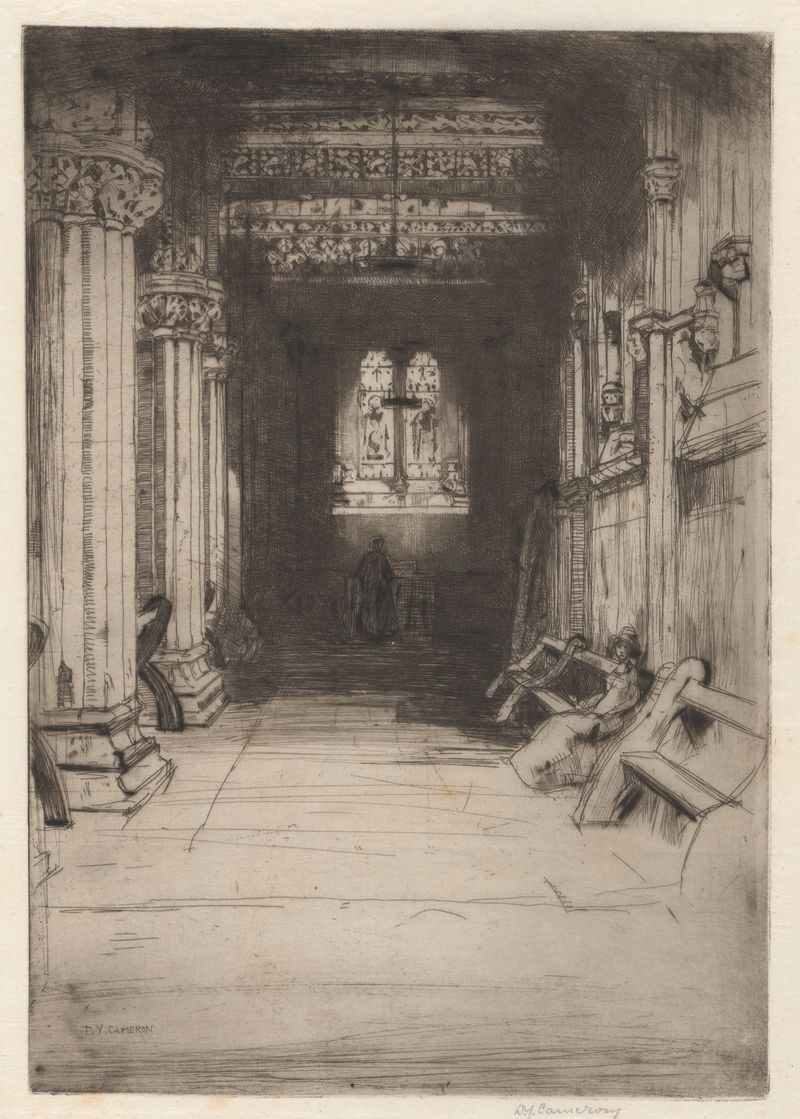
Rosslyn Chapel
David Young Cameron

The Old Museum, Beauvais
David Young Cameron
On the Bradford
David Young Cameron

The Smithy
David Young Cameron
Castle Moyle
David Young Cameron
Downing Street
David Young Cameron

Glasgow Cathedral
David Young Cameron





