
The Body of the Dead Christ in the Tomb — History & Facts
In the stillness of a tomb, the heartache of loss reverberates through the shadows, each corner holding the weight of longing. The body, lifeless yet strikingly detailed, evokes a profound yearning, capturing the essence of mortality and the silence that accompanies it. Look closely at the figure, draped in muted, somber hues that emphasize the pallor of the skin. Notice how the artist has meticulously rendered the delicate interplay of light and shadow across the contours of the body, creating a haunting realism that draws you in.
The stark background, nearly void of detail, serves to amplify the central figure, bringing forth an overwhelming sense of isolation and sorrow. The positioning of the hands, gently resting, conveys both peace and despair, inviting contemplation. Hidden within this work is the tension between life and death. The body, although still, carries the weight of a lifetime—a longing for connection that transcends the grave.
The choice of colors—deep blues and muted earth tones—creates an atmosphere of mourning, while the exquisite details, such as the realistic textures of the skin and the lifelike expression, evoke a visceral empathy in the viewer. This painting transcends mere representation; it becomes a vessel for personal and collective grief. This piece emerged from the late 19th to early 20th century, a time when art was experiencing significant shifts towards emotional depth and psychological exploration. The artist, though unidentified, likely operated within a movement that sought to address themes of existence and the human condition.
In a world increasingly affected by modernity, this artwork stands as a poignant reminder of the timeless nature of human sorrow and longing.
More Artworks by Unidentified artist
Browse all →
Self-portrait with a Bandaged Ear and Pipe
Unidentified artist

Feast in the House of Levi
Unidentified artist
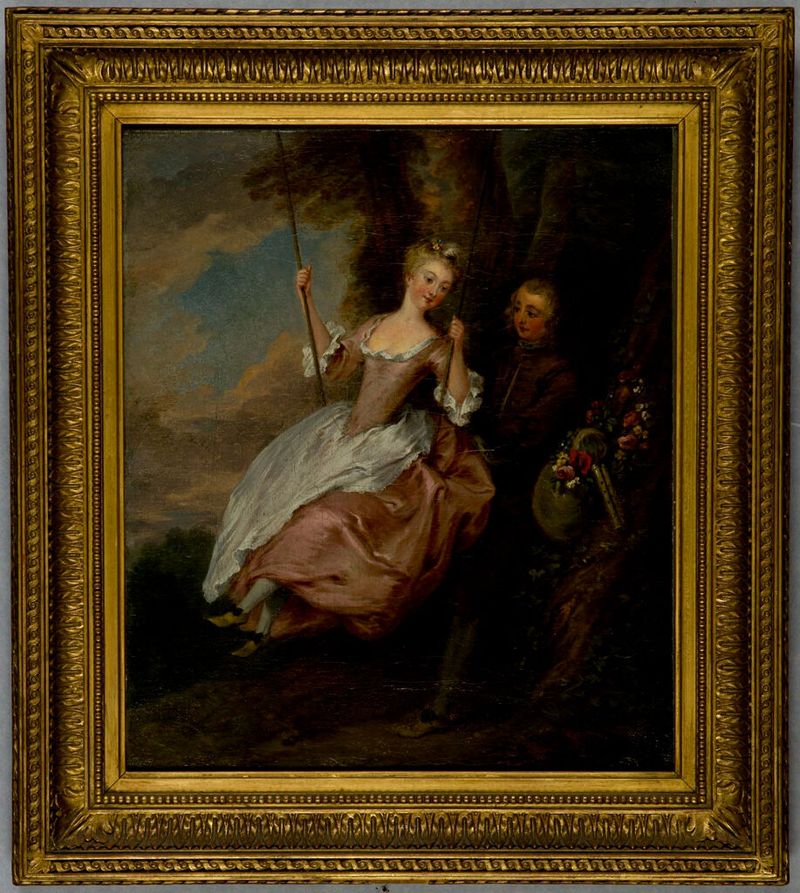
The Swing
Unidentified artist

Geoffrey Chaucer (1340?-1400)
Unidentified artist

Portrait of Michelangelo after the "Strozzi" original in the Uffizi Gallery
Unidentified artist
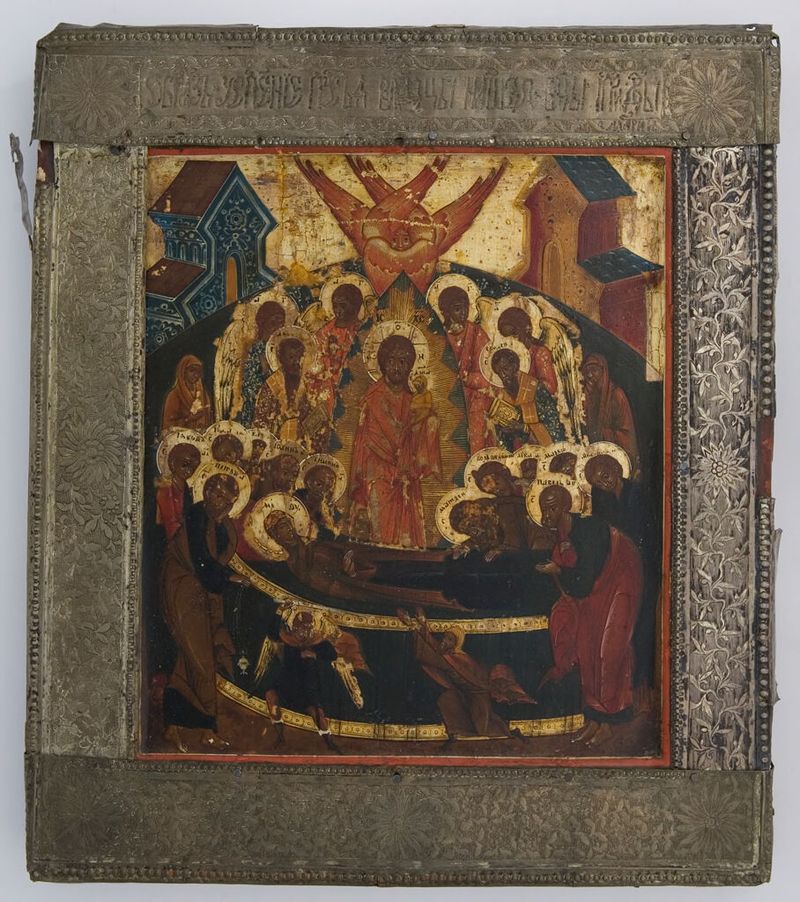
Dormition of the Virgin
Unidentified artist

Charles I (after a van Dyck painting in the Staatliche Museen, Gemaldegalerie, Dresden)
Unidentified artist

Madonna and Child
Unidentified artist

John Winthrop, the Younger (1606-1676)
Unidentified artist

Crucifix with the Virgin and Saint John the Evangelist, Christ the Redeemer, and a Praying Woman
Unidentified artist
More Religious Art
Browse all →
The Return of the Prodigal Son
Rembrandt van Rijn

The Garden of Earthly Delights
El Bosco

Count Orgaz’ funeral
El Greco

The Hundred Guilder Print: the central piece with Christ preaching, the plate arched
Rembrandt van Rijn

The Descent from the Cross
Rogier van der Weyden

The return of the prodigal son
Rembrandt van Rijn