
The bridge at Lavaur — History & Facts
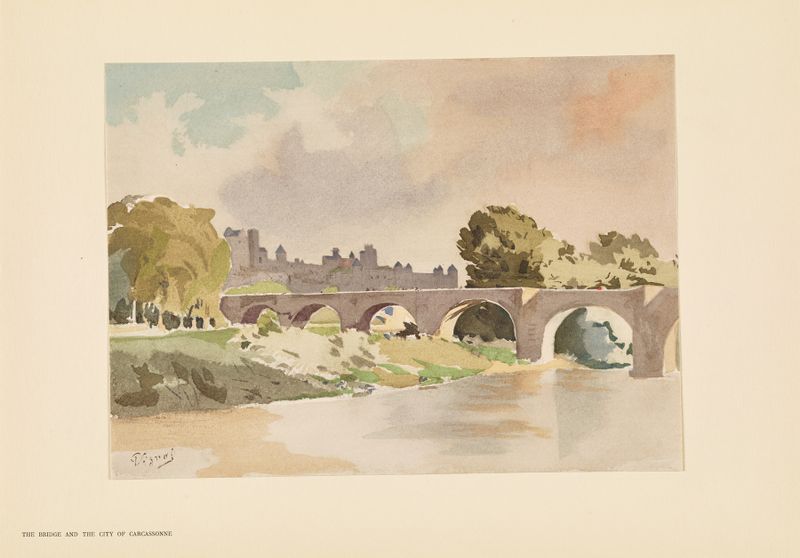
When did color learn to lie? In the depths of art, a whispering desire lurks beneath vivid hues, yearning to reveal more than mere appearances. Look to the foreground of The Bridge at Lavaur, where a tapestry of greens and blues creates a lush landscape, inviting you into a moment suspended in time. The bridge, rendered with deft brushstrokes, serves as a focal point, leading your gaze to the tranquil water below, reflecting the sky’s soft pinks and oranges. Notice how the interplay of light dances upon the surface, imbuing the scene with a gentle, almost ethereal glow, while hints of shadow define the arches and textures of the structure. Beneath this peaceful facade lies a tension between reality and idealism.
The vibrant palette speaks of longing—a desire for connection to nature and perhaps to the past. The bridge, a metaphor for transition and longing, invites contemplation of what lies beyond its archway, while the serene water may conceal deeper currents of emotion. Each stroke reveals the artist’s exploration of human experience, capturing an essence that transcends the physical, suggesting that beauty often masks complexity. In 1925, Pierre Vignal painted this work during a period of artistic exploration and social change in France, where the Impressionist movement had given way to a new generation eager to interpret the world in fresh ways.
Amidst a backdrop of innovation and shifting perspectives, Vignal’s brush created a bridge not only across water but between tradition and modernity, reflecting both a personal and collective desire for connection and understanding.
More Artworks by Pierre Vignal
Browse all →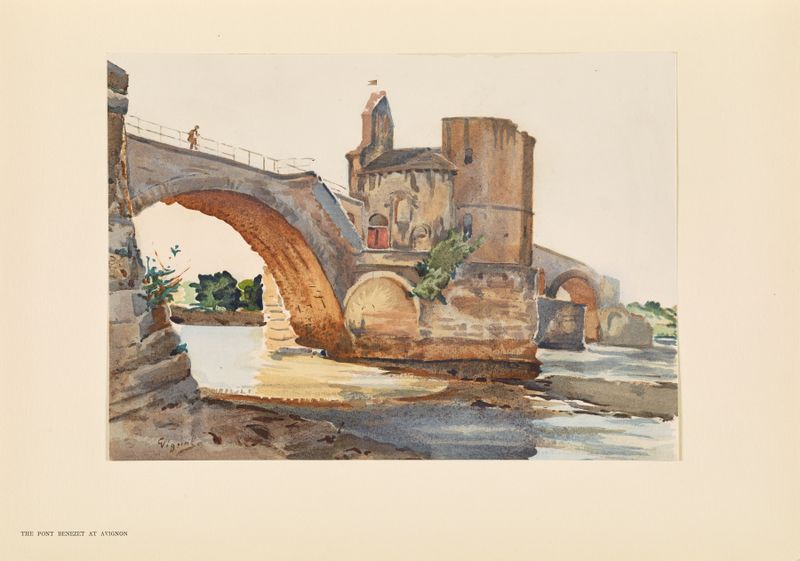
The Pont Saint-Bénézet, Avignon
Pierre Vignal
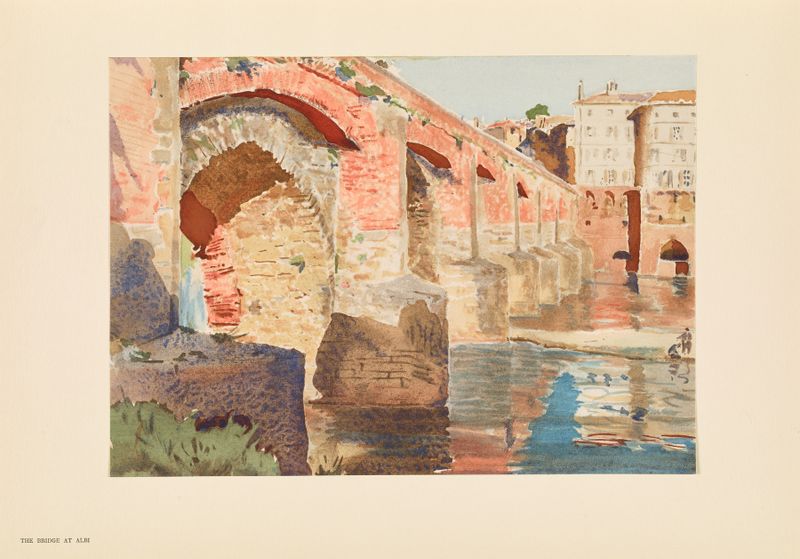
The bridge at Albi
Pierre Vignal

The bridge at Céret
Pierre Vignal
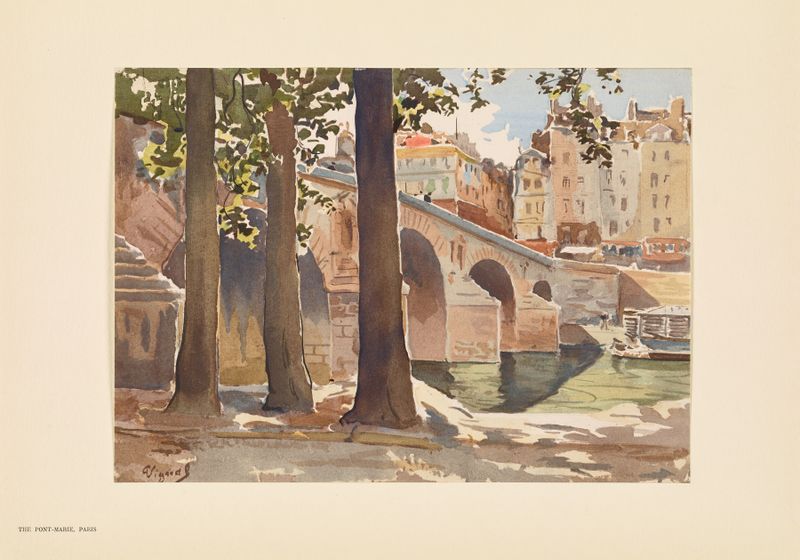
The Pont-Marie, Paris
Pierre Vignal
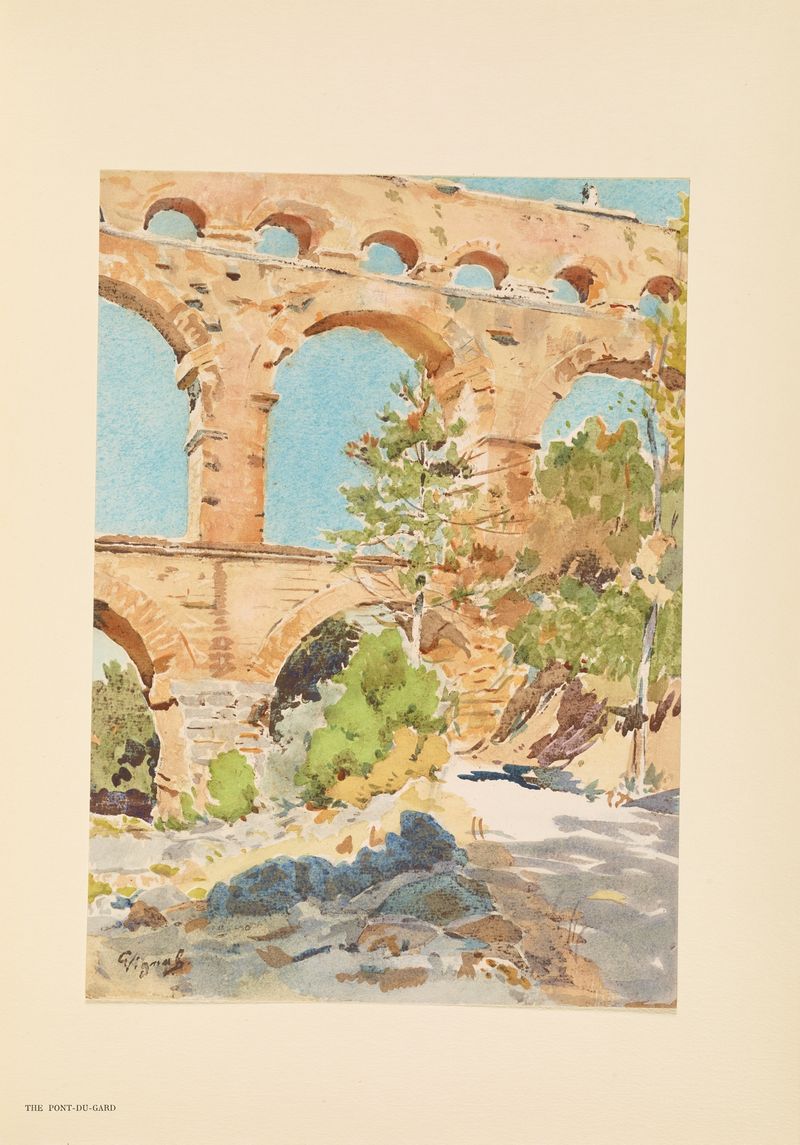
The Pont du Gard
Pierre Vignal
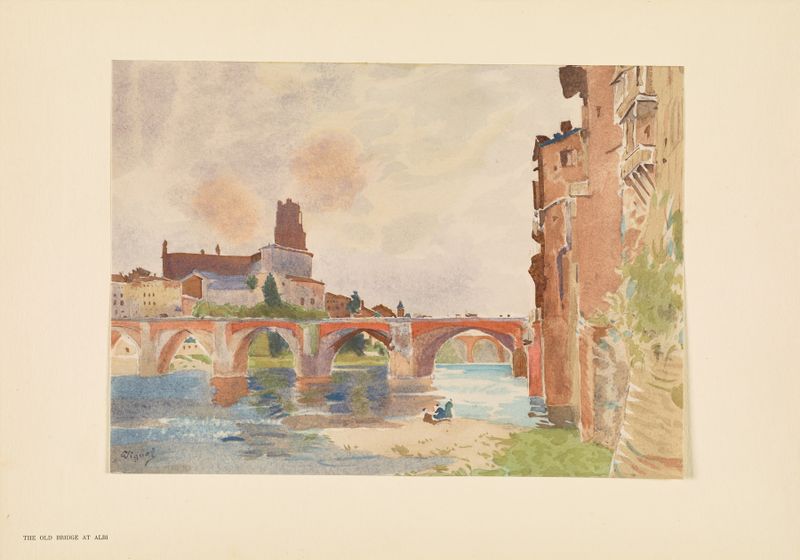
The old bridge at Albi
Pierre Vignal
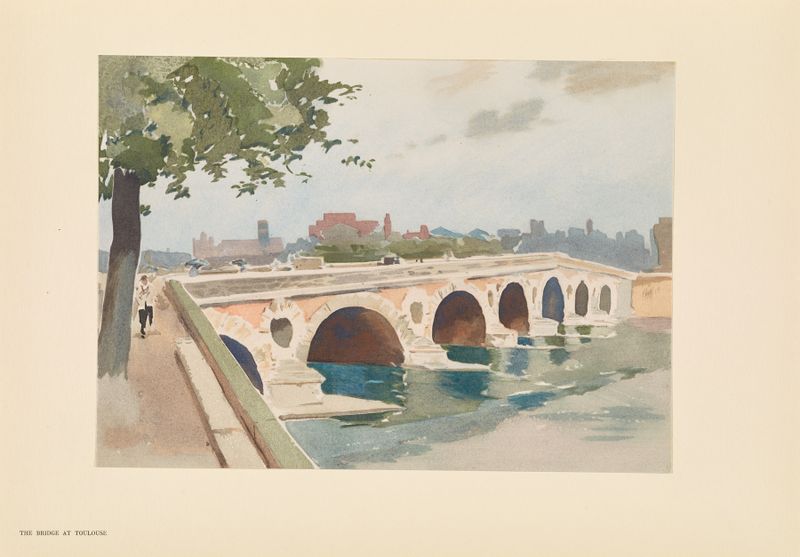
The bridge at Toulouse
Pierre Vignal
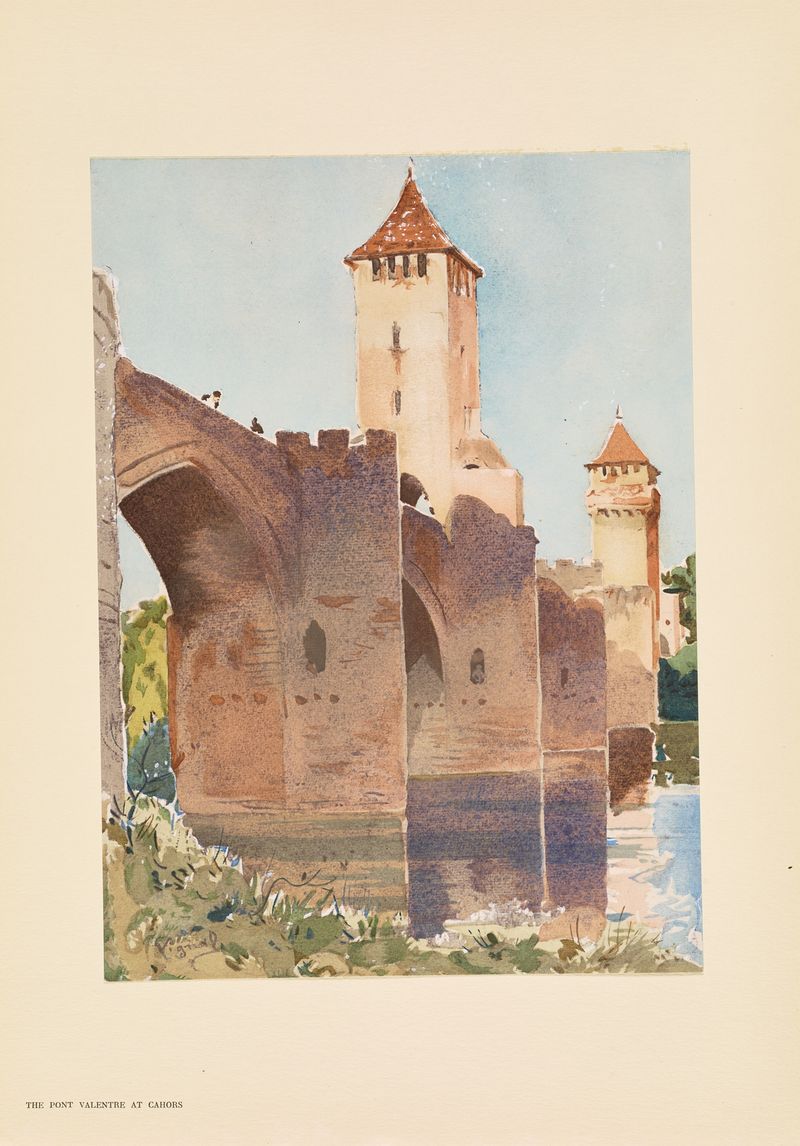
The Pont Valentré, Cahors
Pierre Vignal
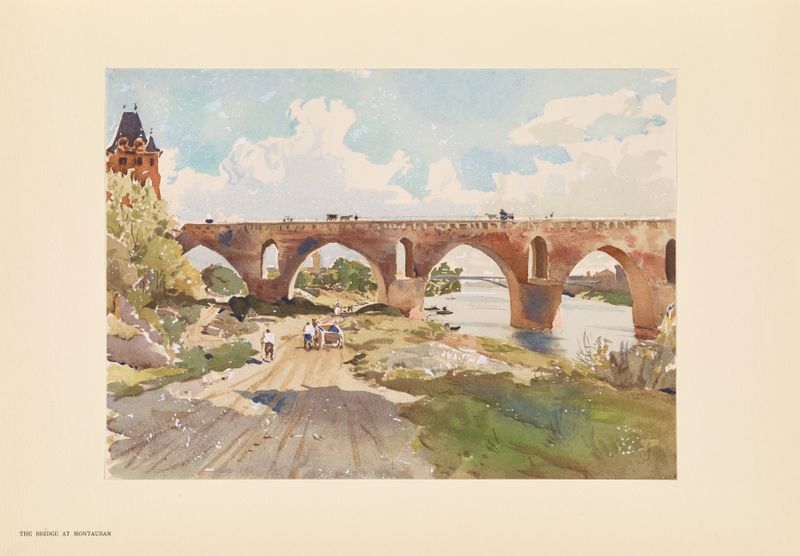
The bridge at Montauban
Pierre Vignal
The old bridge at Carcassonne and the walls of the City
Pierre Vignal





