
The Pont du Gard — History & Facts
The delicate interplay of light and shadow invites us to question what lies beneath the surface of allure. In The Pont du Gard, a landmark rises majestically, yet whispers of history weave a narrative that speaks to both majesty and melancholy. Look to the center, where the ancient aqueduct stretches across the canvas, its arches creating a rhythmic harmony with the landscape. The warm hues of ochre and soft blues blend seamlessly, echoing the sunlit sky.
Notice how the brushstrokes evoke texture, giving life to both stone and water. The meticulous attention to the play of light against the architectural structure enhances the sense of continuity and age, drawing the viewer deeper into the scene while hinting at the passage of time. In the juxtaposition of the sturdy stone against the fluid movement of the river, there’s a poignant contrast between permanence and transience. The aqueduct stands as a testament to human ingenuity, yet it also silently bears the weight of countless stories lost to the waters below.
The vibrant colors suggest vitality, yet they also conceal the inevitable decay that accompanies all beauty, prompting reflections on what endures and what fades away. In 1925, Pierre Vignal created this work during a period of artistic exploration between the wars. Living in France, he was deeply influenced by the regional movements and the search for identity in a world undergoing rapid change. The cultural milieu of the time, coupled with his personal experiences, culminated in a piece that encapsulates both a love for the landscape and a recognition of its enduring, yet fragile, nature.
More Artworks by Pierre Vignal
Browse all →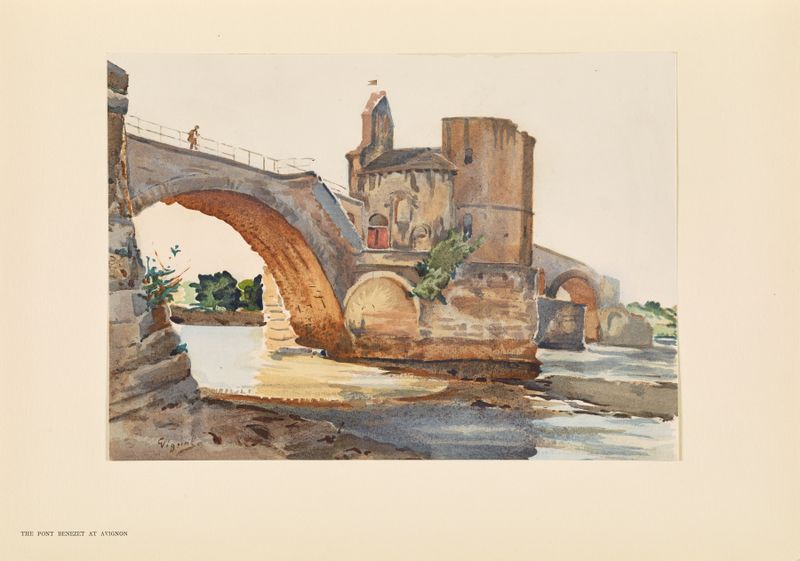
The Pont Saint-Bénézet, Avignon
Pierre Vignal
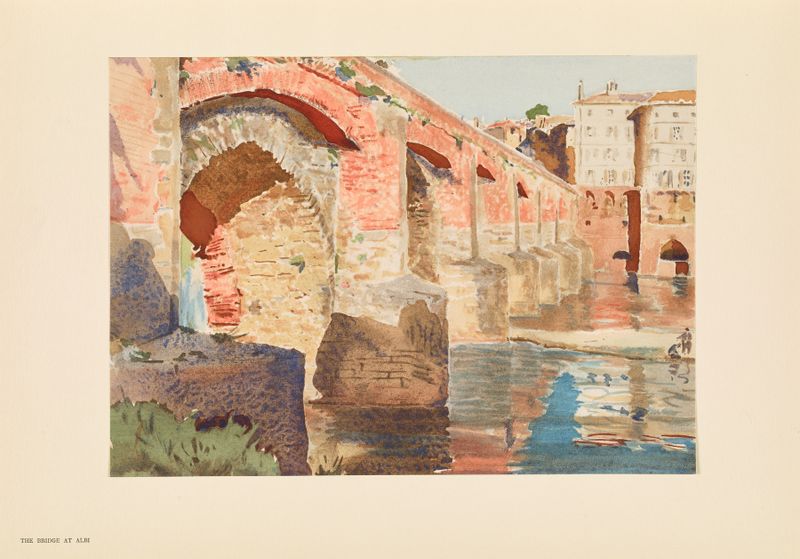
The bridge at Albi
Pierre Vignal

The bridge at Céret
Pierre Vignal
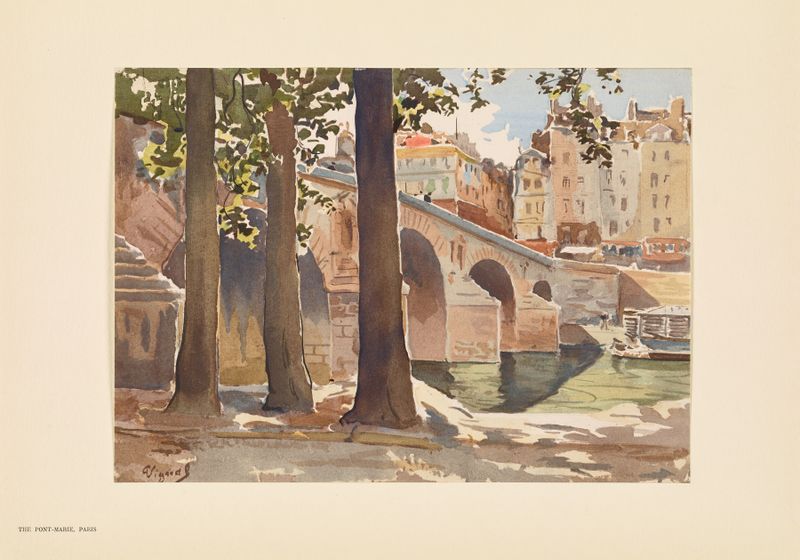
The Pont-Marie, Paris
Pierre Vignal
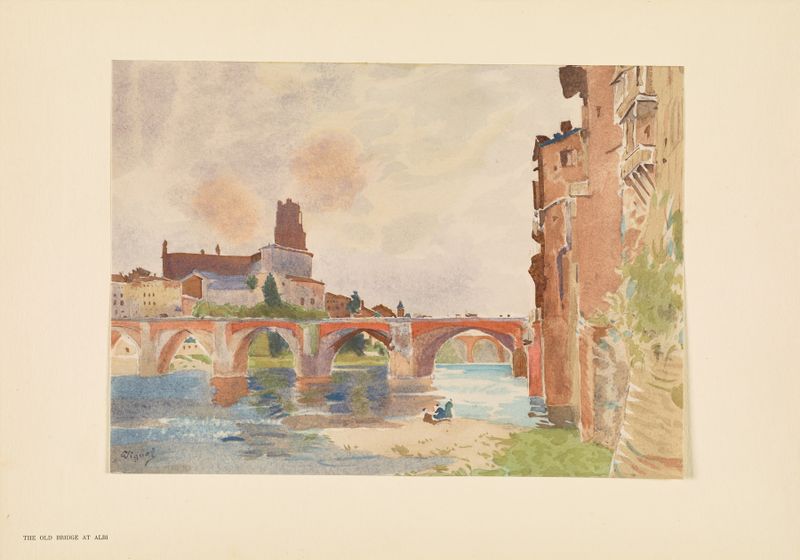
The old bridge at Albi
Pierre Vignal
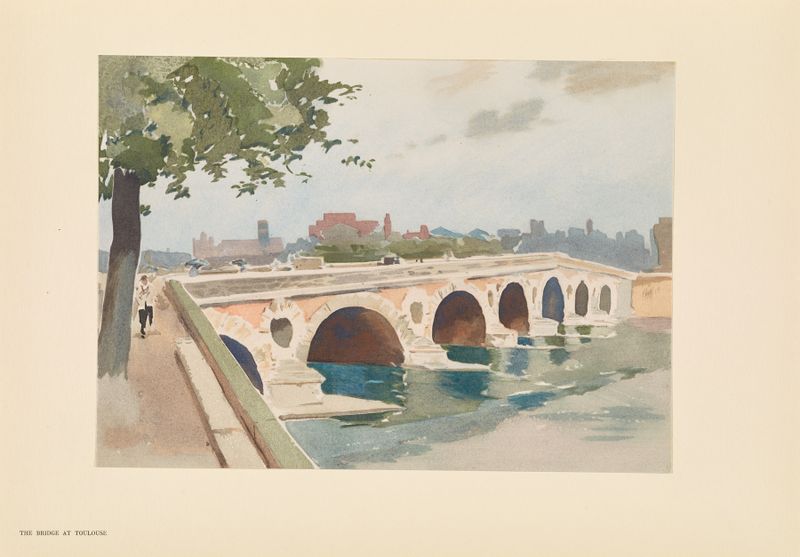
The bridge at Toulouse
Pierre Vignal

The bridge at Lavaur
Pierre Vignal
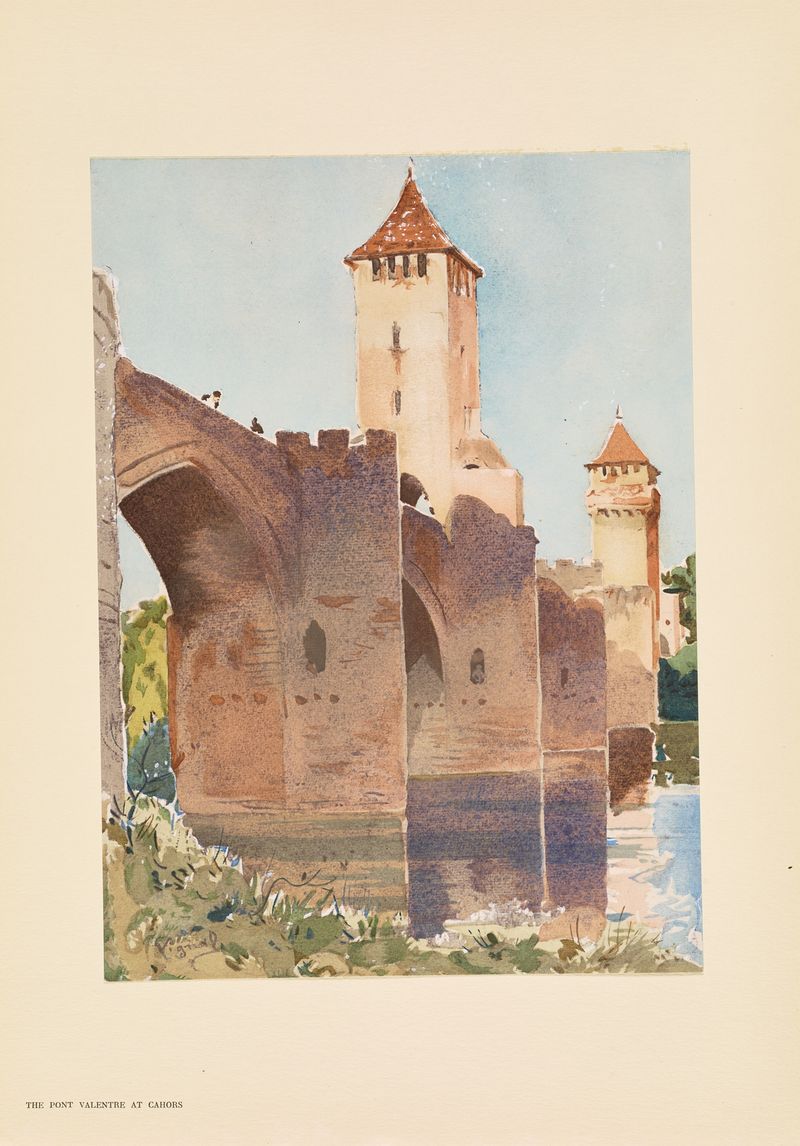
The Pont Valentré, Cahors
Pierre Vignal
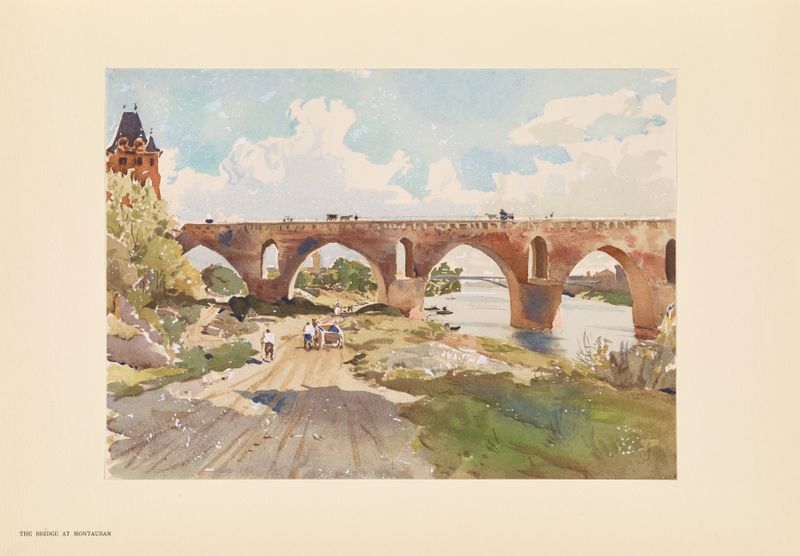
The bridge at Montauban
Pierre Vignal
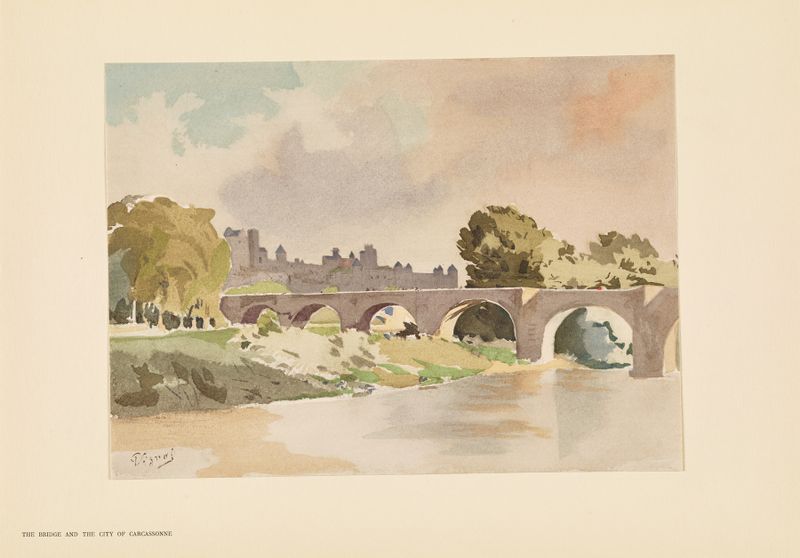
The old bridge at Carcassonne and the walls of the City
Pierre Vignal
More Architecture Art
Browse all →
The statue of Liberty
Frédéric Auguste Bartholdi

View of Houses in Delft, Known as ‘The Little Street’
Johannes Vermeer

View of Houses in Delft, Known as ‘The Little Street’
Johannes Vermeer

The Cathedral in Rouen. The portal, Grey Weather
Claude Monet

The yellow house
Vincent van Gogh

The Church in Auvers-sur-Oise, View from the Chevet
Vincent van Gogh