
The Pont Valentré, Cahors — History & Facts
It whispers of fleeting moments caught between time and memory, evoking a deep sense of melancholy that resonates within the soul. Look to the left at the graceful arches of the bridge, each one meticulously painted to reflect both strength and fragility. Notice how the dappled light plays upon the textured surface of the stone, illuminating the subtle variations in hue that tell stories of weather and wear. The palette, with its muted earth tones, creates a sense of nostalgia, inviting the viewer to linger in the atmosphere of a bygone era. Beneath the serene surface lies a tension of contrasts: the robust structure of the bridge against the gentle flow of the river, the permanence of stone juxtaposed with the fleeting nature of the water.
Each detail—the delicate ripples, the shadows cast by the arches—serves to evoke a bittersweet longing, as if the scene holds secrets of lives once lived in its embrace. The choice to depict this landmark in a moment of stillness hints at both its historical significance and the ephemeral quality of existence itself. In 1925, while creating this work, Vignal found himself deeply immersed in the vibrant art scene of France, where the echoes of Impressionism lingered even as post-war sentiments began to reshape artistic expression. Living in Paris, he was influenced by his surroundings, drawing inspiration from both the urban landscape and rural beauty, ultimately creating a piece that whispers of history, memory, and the passage of time.
More Artworks by Pierre Vignal
Browse all →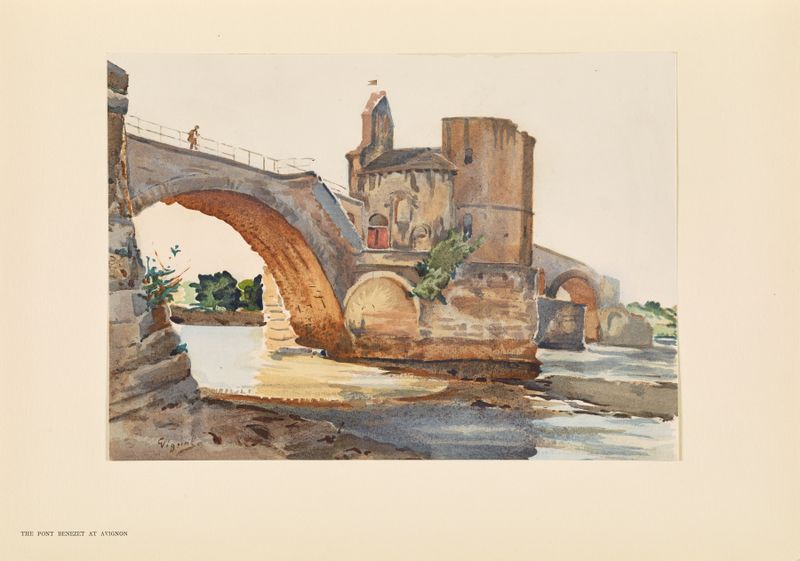
The Pont Saint-Bénézet, Avignon
Pierre Vignal
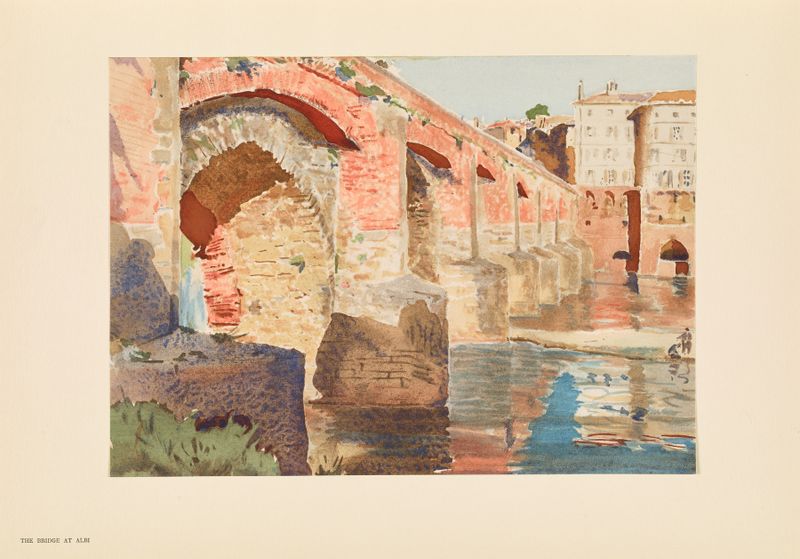
The bridge at Albi
Pierre Vignal

The bridge at Céret
Pierre Vignal
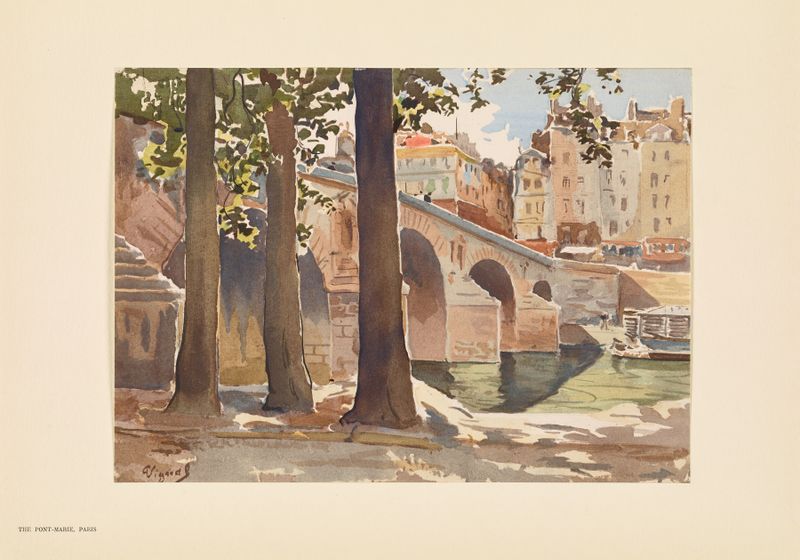
The Pont-Marie, Paris
Pierre Vignal
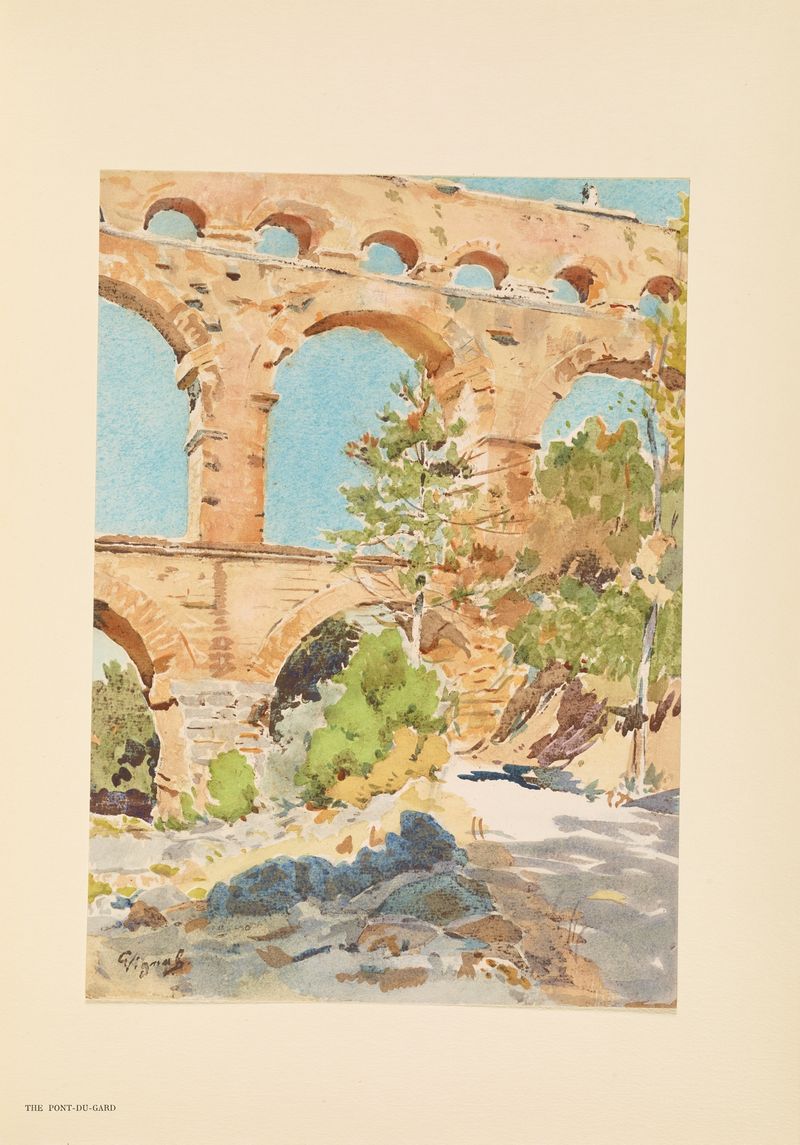
The Pont du Gard
Pierre Vignal
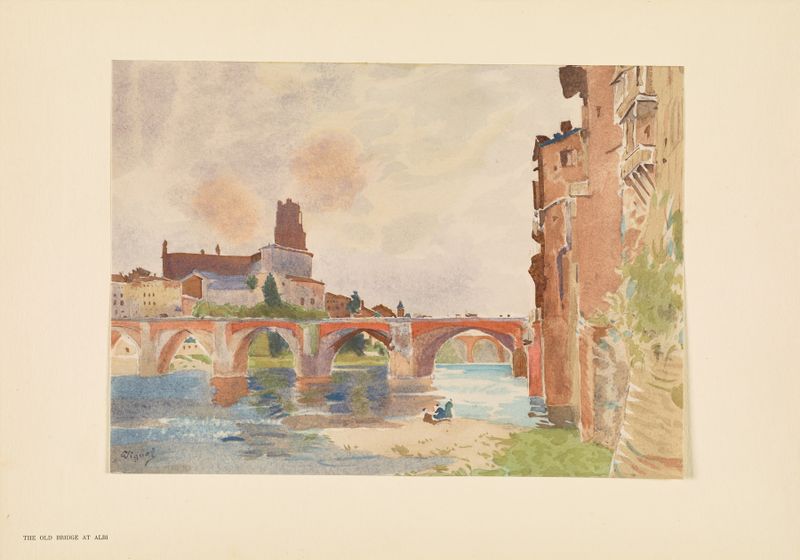
The old bridge at Albi
Pierre Vignal
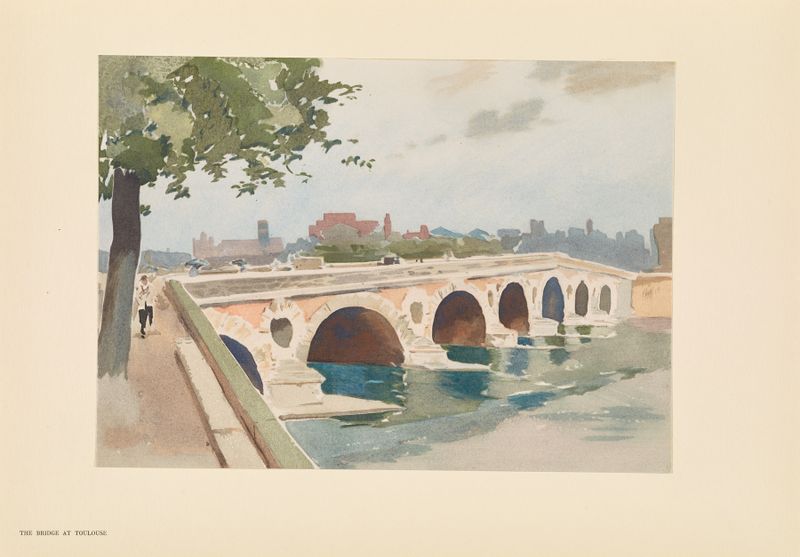
The bridge at Toulouse
Pierre Vignal

The bridge at Lavaur
Pierre Vignal
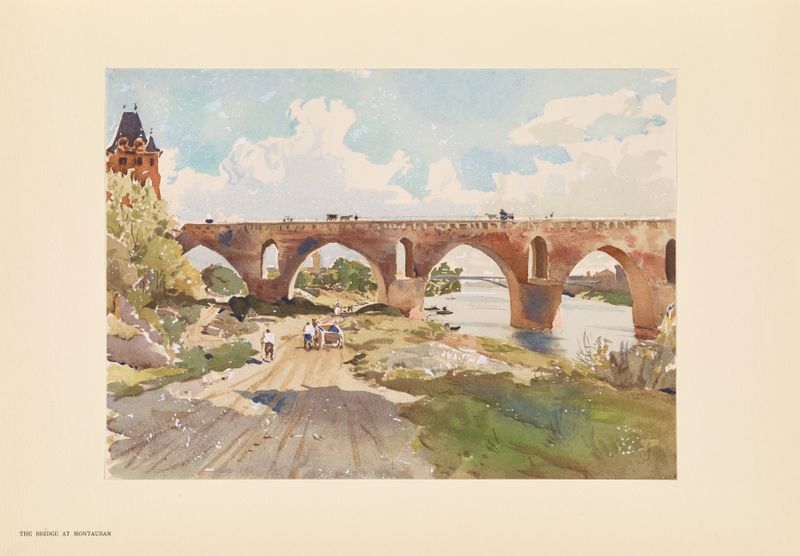
The bridge at Montauban
Pierre Vignal
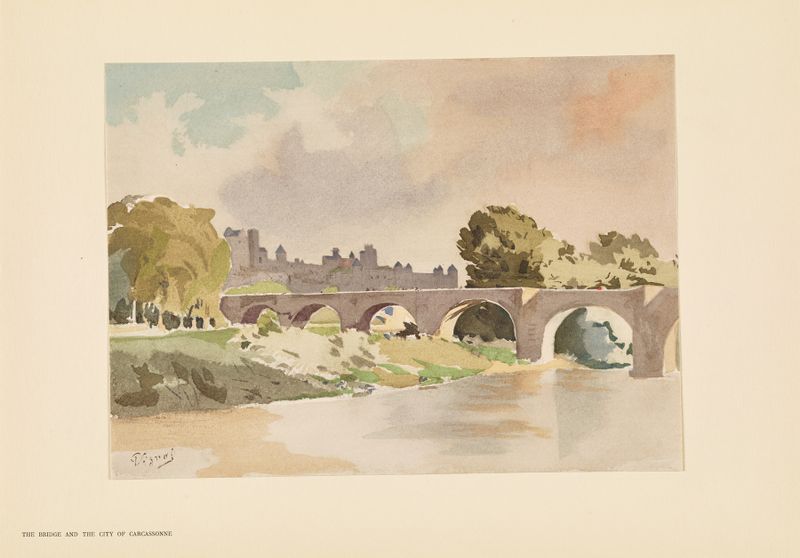
The old bridge at Carcassonne and the walls of the City
Pierre Vignal
More Architecture Art
Browse all →
The statue of Liberty
Frédéric Auguste Bartholdi

View of Houses in Delft, Known as ‘The Little Street’
Johannes Vermeer

View of Houses in Delft, Known as ‘The Little Street’
Johannes Vermeer

The Cathedral in Rouen. The portal, Grey Weather
Claude Monet

The yellow house
Vincent van Gogh

The Church in Auvers-sur-Oise, View from the Chevet
Vincent van Gogh