
The bridge at Montauban — History & Facts
Can beauty exist without sorrow? In The bridge at Montauban, Pierre Vignal captures a moment where serenity meets melancholy, inviting a profound contemplation of life's duality. This canvas presents an idyllic landscape, yet a subtle tension lingers within its tranquility, hinting at the complexities of existence. Look closely at the bridge that spans the canvas, a focal point connecting the two riverbanks. Notice how Vignal employs soft, muted colors that blend harmoniously, evoking a sense of nostalgia.
The gentle play of light on the water's surface mirrors the sky’s overcast hues, creating an ethereal mood. The delicate brushwork suggests a fleeting moment, as if time itself hesitates to disrupt this serene tableau, urging the viewer to linger in its quiet embrace. The solitary figures on the bridge, captured mid-motion, evoke a tension between movement and stillness. Their presence adds a layer of narrative complexity, hinting at personal journeys steeped in reflection.
The surrounding nature, lush yet slightly subdued, serves as a backdrop that amplifies this introspective moment, suggesting that the beauty of the scene might simultaneously carry an undercurrent of sadness — a reminder of transience and the bittersweet nature of memory. Created in 1925, The bridge at Montauban reflects Vignal's exploration of light and landscape during a period marked by post-war artistic renewal in France. As modernist movements gained momentum, the artist sought to balance traditional techniques with contemporary sensibilities, seeking solace in the natural world while navigating the shifting tides of societal change. This painting embodies not just a place, but a deep yearning for transcendence amidst the complexities of life.
More Artworks by Pierre Vignal
Browse all →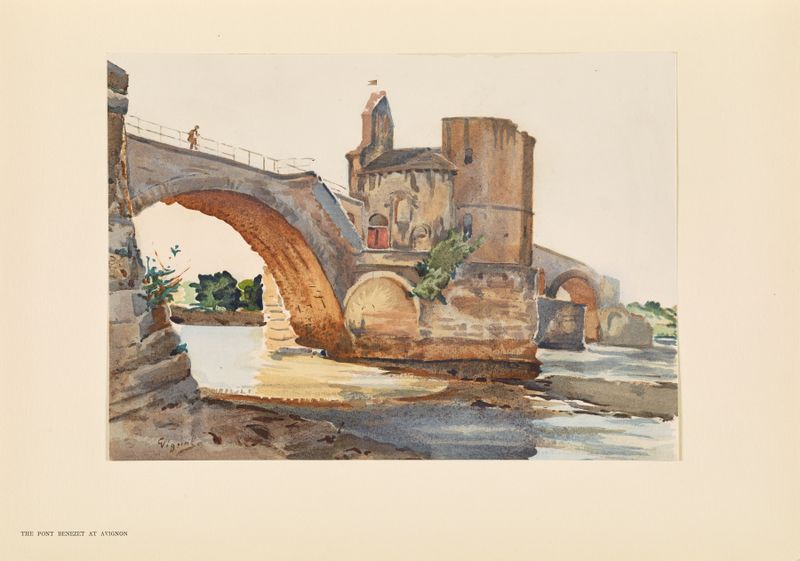
The Pont Saint-Bénézet, Avignon
Pierre Vignal
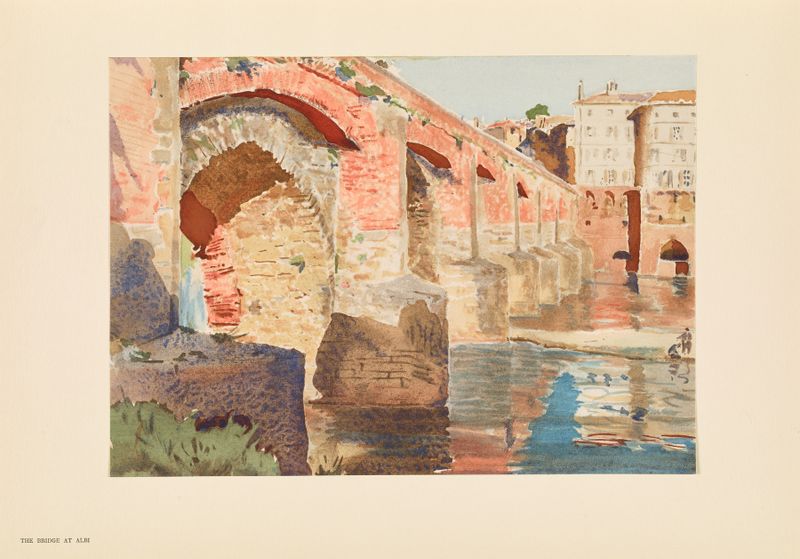
The bridge at Albi
Pierre Vignal

The bridge at Céret
Pierre Vignal
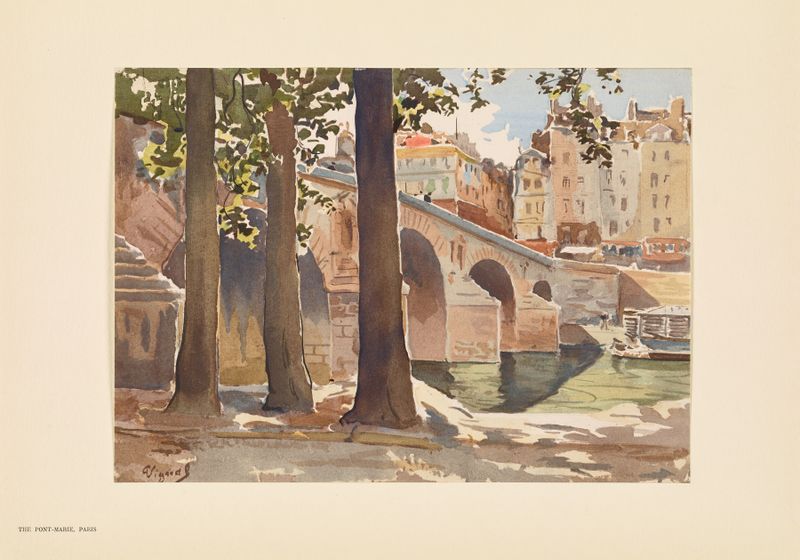
The Pont-Marie, Paris
Pierre Vignal
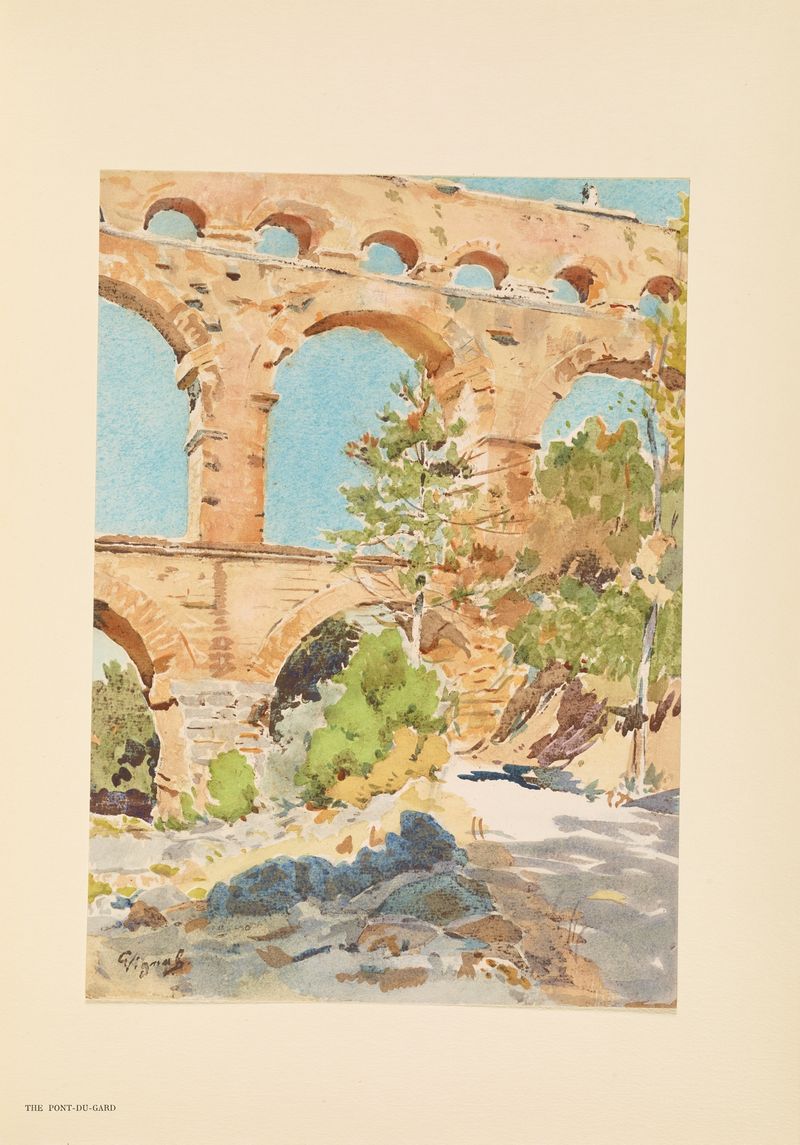
The Pont du Gard
Pierre Vignal
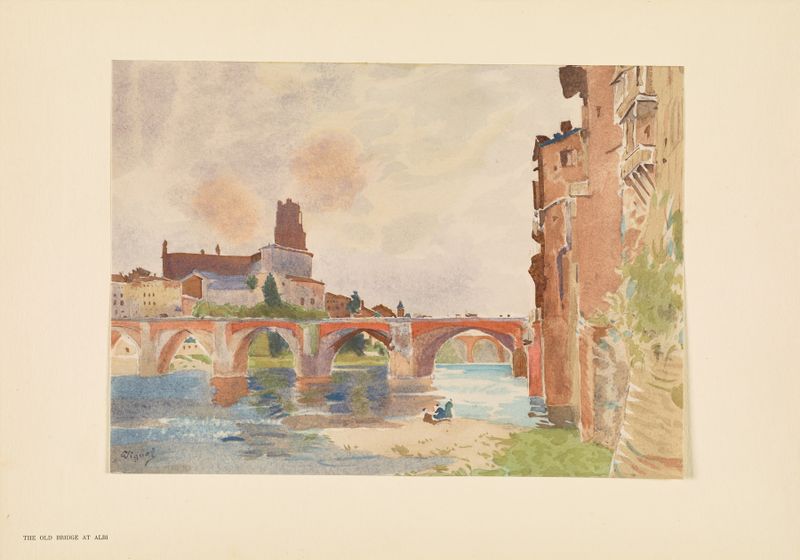
The old bridge at Albi
Pierre Vignal
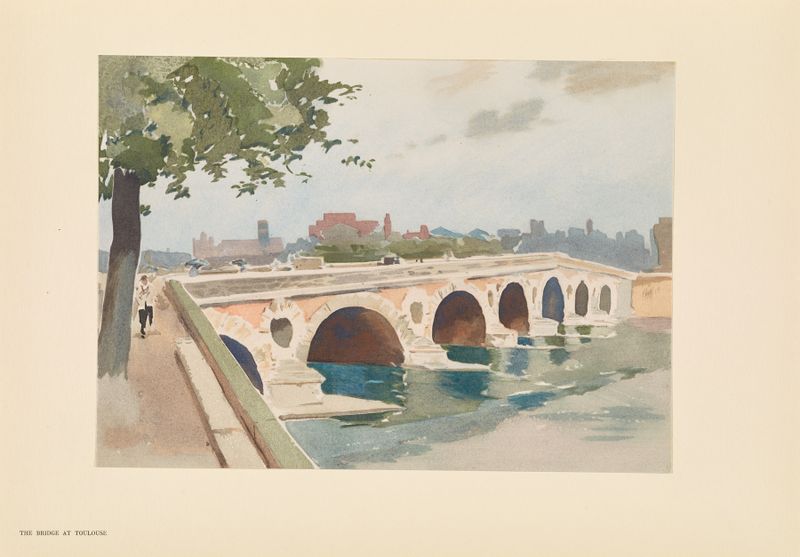
The bridge at Toulouse
Pierre Vignal

The bridge at Lavaur
Pierre Vignal
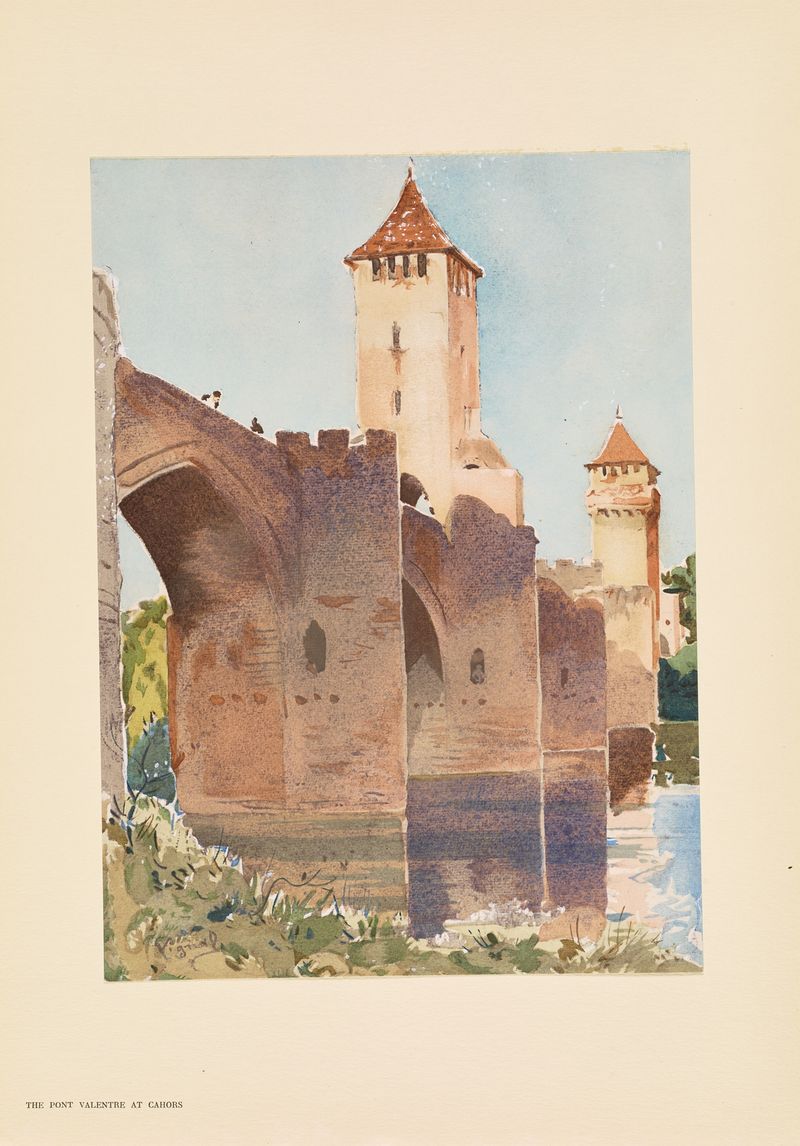
The Pont Valentré, Cahors
Pierre Vignal
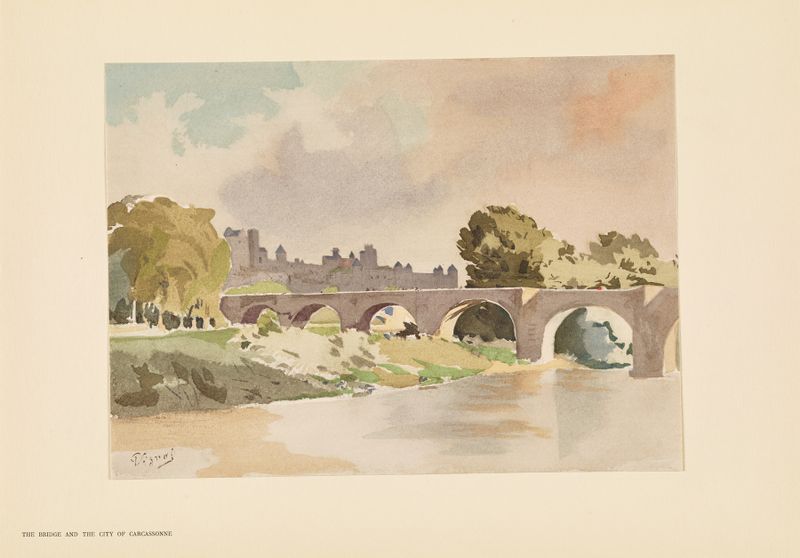
The old bridge at Carcassonne and the walls of the City
Pierre Vignal





