
The Building of Westminster Bridge — History & Facts
In the midst of madness, a city breathes life into its architecture, and a bridge becomes the pulse of progress. Look to the center of the canvas where the grand silhouette of Westminster Bridge gracefully emerges from the water, its sturdy stone arches cradling the flowing River Thames. To the left, workers labor diligently under the watchful gaze of a bustling crowd, their gestures illuminated by the warm glow of a setting sun. The palette is rich with earthy tones and soft blues, inviting the viewer to experience not just the construction, but the vibrant atmosphere of an era on the cusp of transformation. Amidst the chaotic energy of labor, there exists a tension between the human endeavor and the vastness of the English landscape.
The figures, though small against the architecture, are imbued with determination, a reflection of the 18th-century spirit of innovation. Notice how the soft interplay of light and shadow plays tricks on perception, creating a moment of stillness within the madness of creation. The bridge symbolizes not just a physical structure but the connection between tradition and the modern age, bridging past and future. In 1742, when this masterpiece was created, Samuel Scott found himself amidst a burgeoning art scene in England, grappling with the changing tides of society and industry.
The construction of Westminster Bridge mirrored the evolution of London itself, a city transforming through commerce and technology. This period marked a shift in artistic focus, as artists began to celebrate urban landscapes, reflecting the aspirations and complexities of their time.
More Artworks by Samuel Scott
Browse all →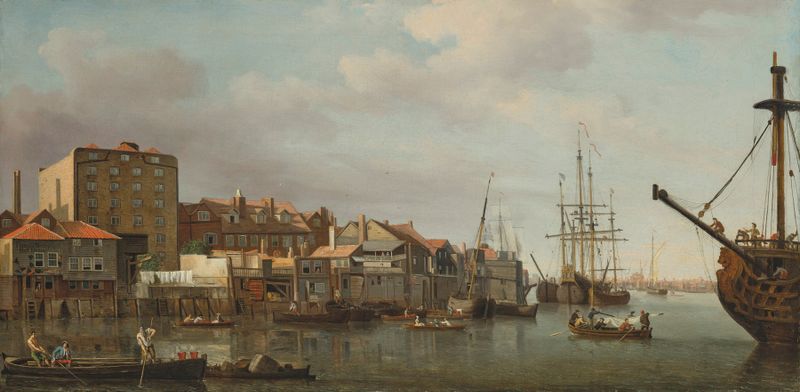
View of the Thames at Wapping
Samuel Scott
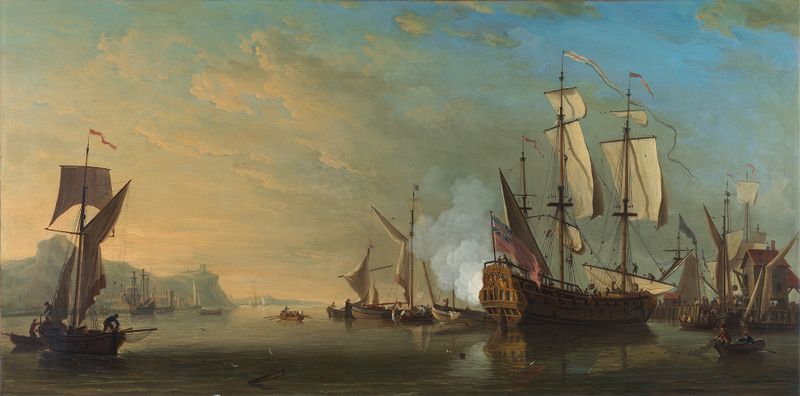
Shipping off Dover
Samuel Scott
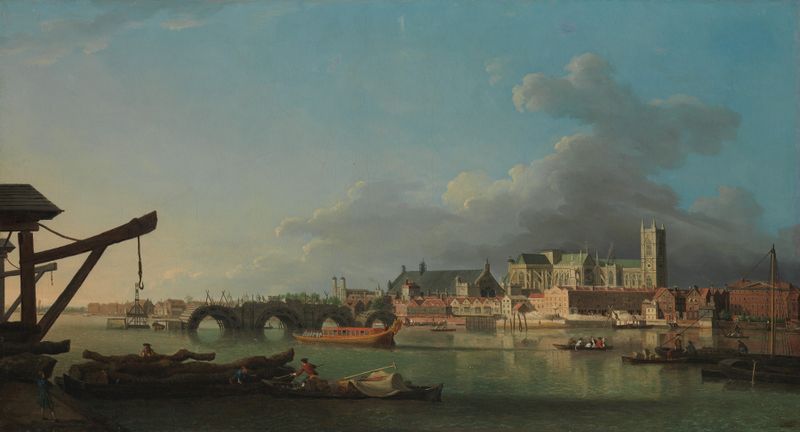
The Building of Westminster Bridge
Samuel Scott
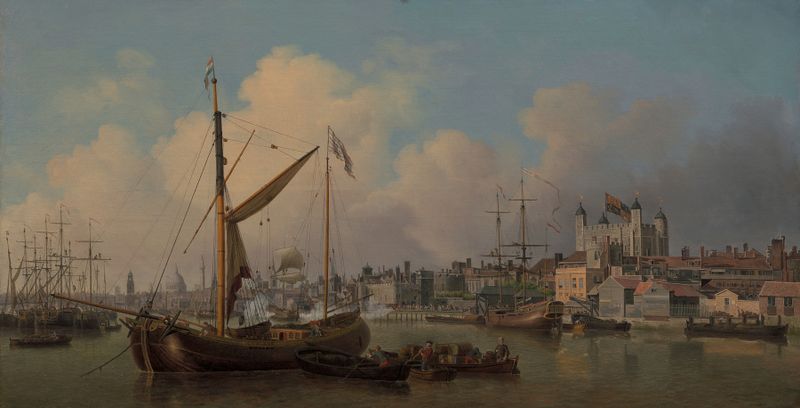
A View of the Tower of London, Supposed on his Majesty’s Birthday
Samuel Scott
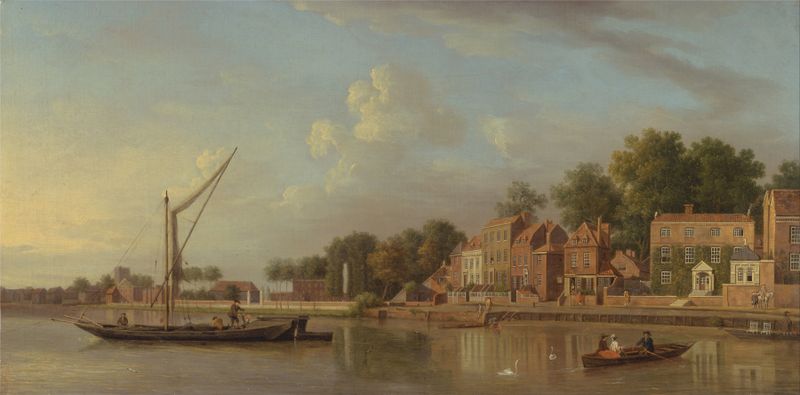
The Thames at Twickenham
Samuel Scott
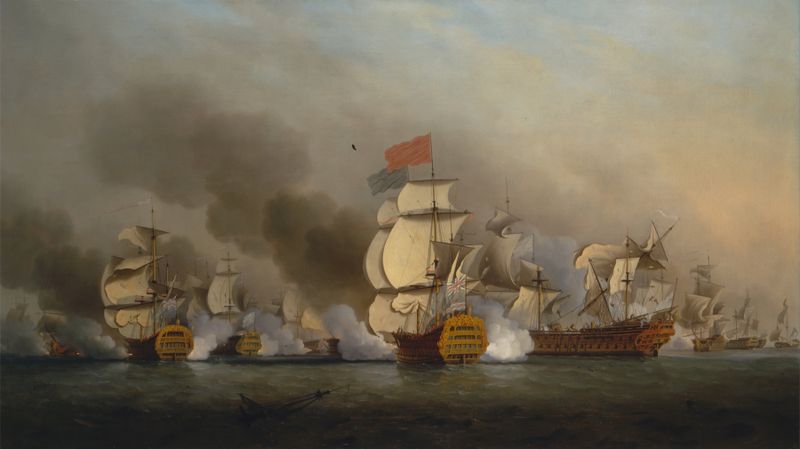
Vice Admiral Sir George Anson’s Victory off Cape Finisterre
Samuel Scott
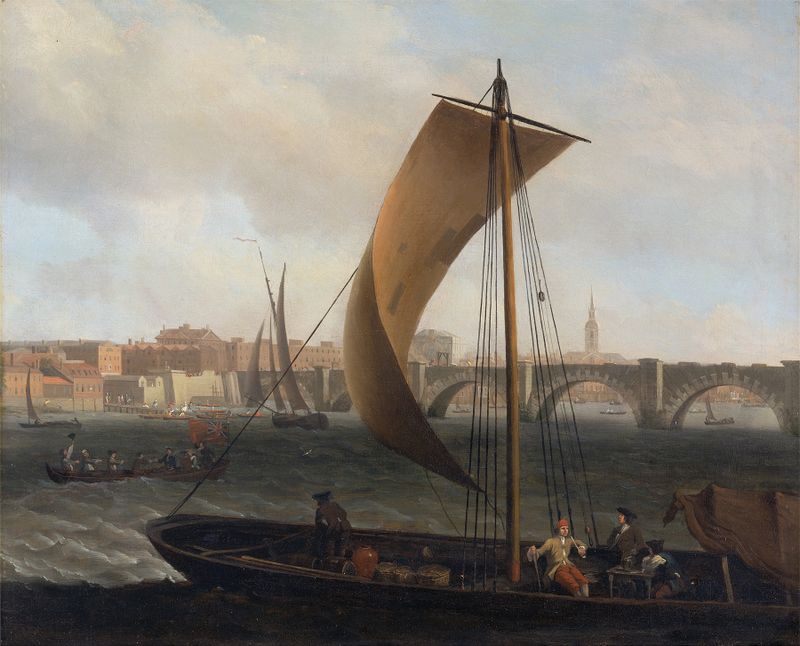
View on the Thames with Westminster Bridge
Samuel Scott
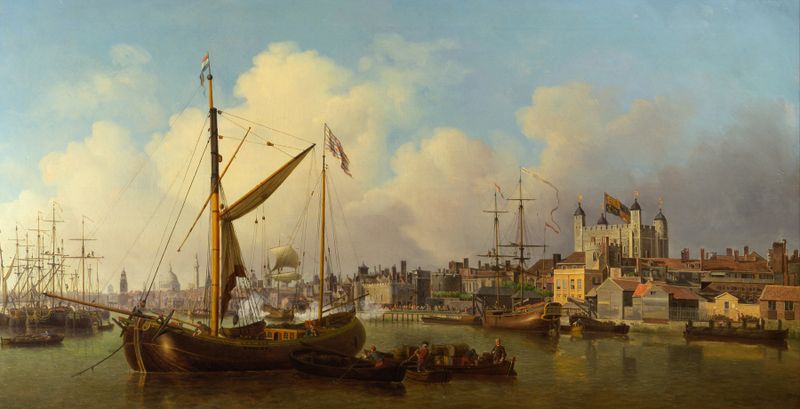
The Thames and the Tower of London Supposedly on the King’s Birthday
Samuel Scott
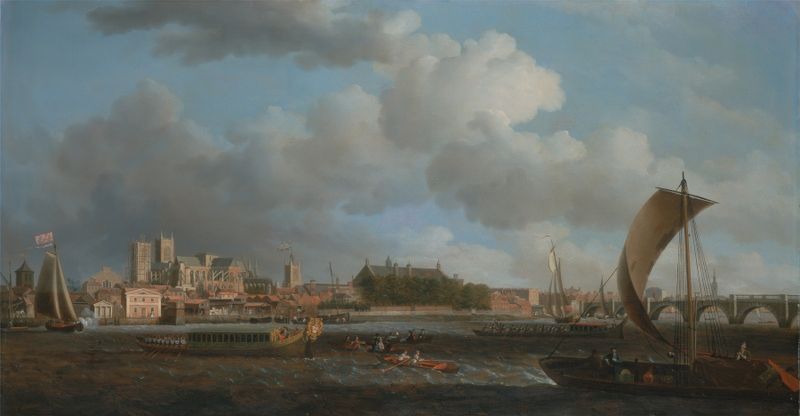
Westminster from Lambeth, with the Ceremonial Barge of the Ironmongers’ Company
Samuel Scott
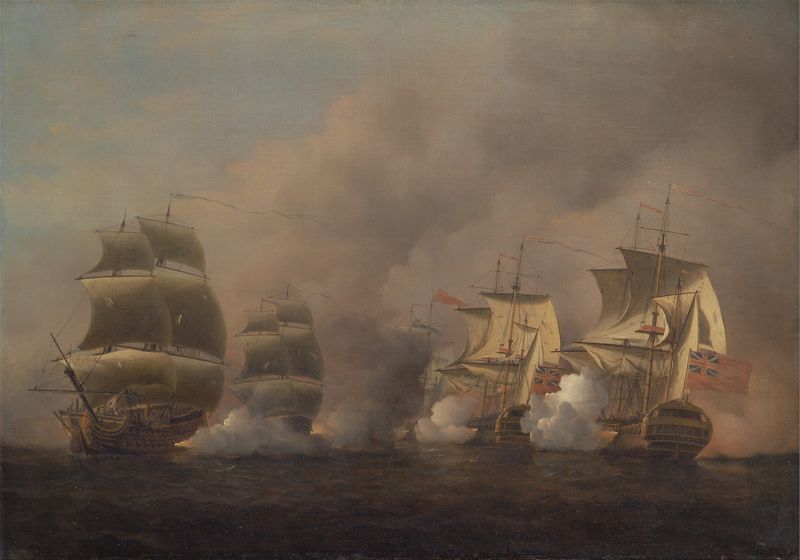
Action off the Cape of Good Hope
Samuel Scott
More Architecture Art
Browse all →
The statue of Liberty
Frédéric Auguste Bartholdi

View of Houses in Delft, Known as ‘The Little Street’
Johannes Vermeer

View of Houses in Delft, Known as ‘The Little Street’
Johannes Vermeer

The Cathedral in Rouen. The portal, Grey Weather
Claude Monet

The yellow house
Vincent van Gogh

The Church in Auvers-sur-Oise, View from the Chevet
Vincent van Gogh