
Vice Admiral Sir George Anson’s Victory off Cape Finisterre — History & Facts
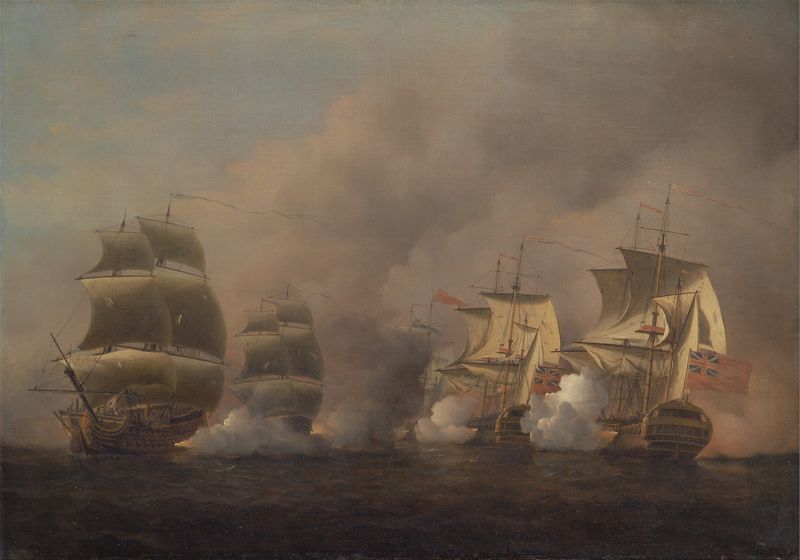
Could a single brushstroke hold eternity? In Vice Admiral Sir George Anson’s Victory off Cape Finisterre, the tension of betrayal shimmers within the waves, revealing the profound drama of naval warfare. Look to the left at the independent yet unified ships, their sails billowing in the brisk wind, capturing the moment of triumph amidst chaos. Notice how the light dances upon the water, casting reflections that intertwine the turbulent ocean with the jubilant sky. Scott's deft brushwork breathes life into the scene, where deep blues contrast against the sunlit clouds, evoking a sense of both impending triumph and lurking peril.
The stark clarity of the vessels, outlined with precision, draws your eye to their intricate rigging, a testament to the artistry of maritime craftsmanship. Beneath the grandeur of the battle, subtle emotional undercurrents emerge. The ship on the right, appearing victorious, contrasts sharply with the distant vessels shrouded in mist, symbolizing the unclear loyalties and potential for betrayal inherent in maritime conflict. The juxtaposition of light and shadow in the sky mirrors the duality of hope and treachery at sea, as Anson's victory is won at a cost, echoing the sacrifices made by those left behind.
Each wave, each glint of light, speaks to the complexities of honor and deceit that define human ambition. In 1749, while residing in London, the artist captured this vibrant naval scene during a time when British maritime power was on the rise following the War of the Austrian Succession. The painting reflects not only a significant military achievement but also Scott's keen interest in the evolving genre of marine art, a field that was gaining recognition and popularity in art circles, merging both realism and romanticism in a portrayal of adventure and valor.
More Artworks by Samuel Scott
Browse all →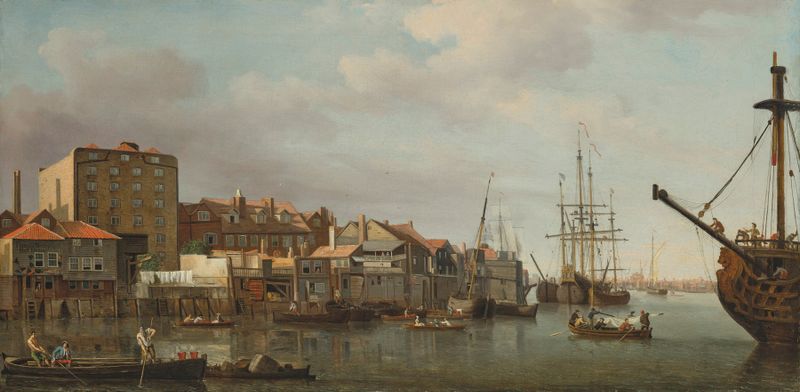
View of the Thames at Wapping
Samuel Scott
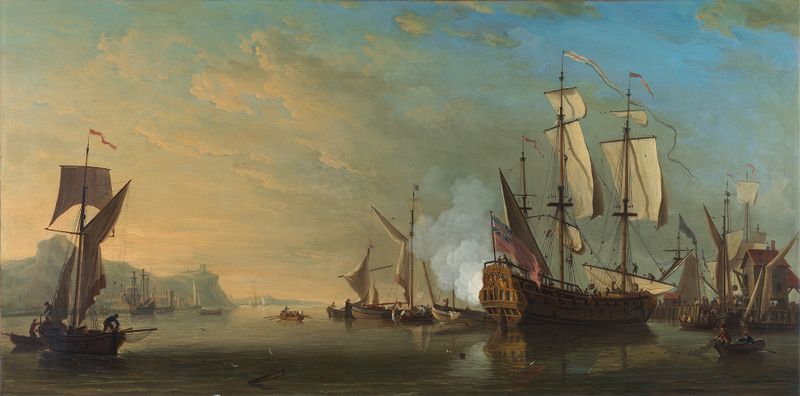
Shipping off Dover
Samuel Scott
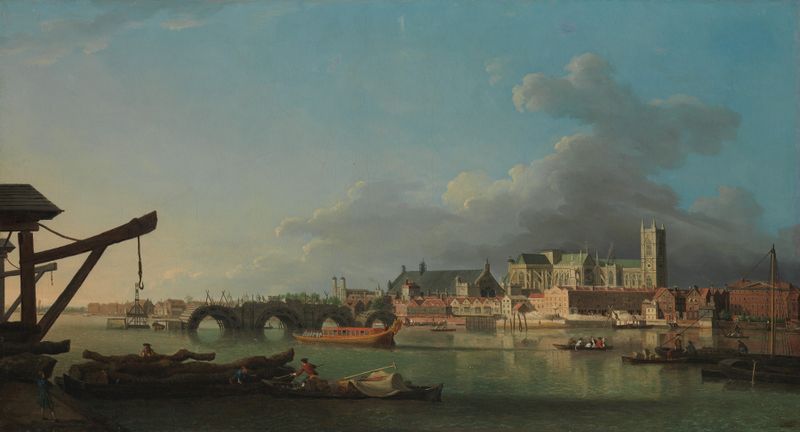
The Building of Westminster Bridge
Samuel Scott
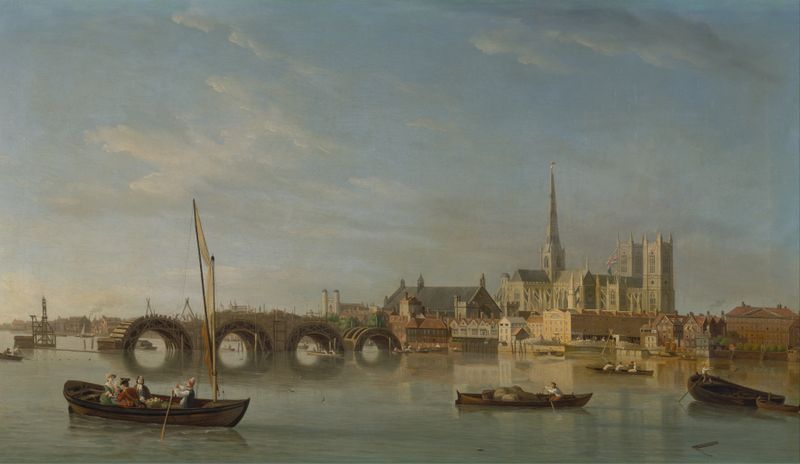
The Building of Westminster Bridge
Samuel Scott
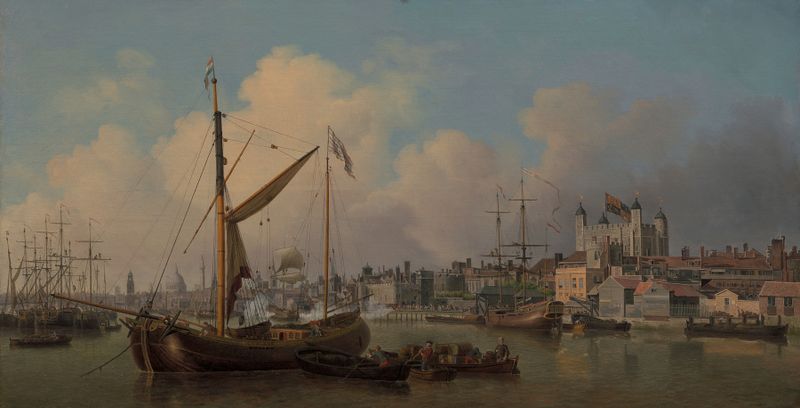
A View of the Tower of London, Supposed on his Majesty’s Birthday
Samuel Scott
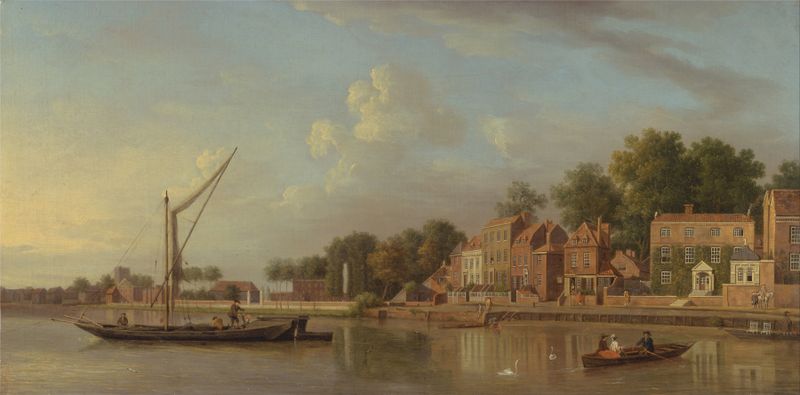
The Thames at Twickenham
Samuel Scott
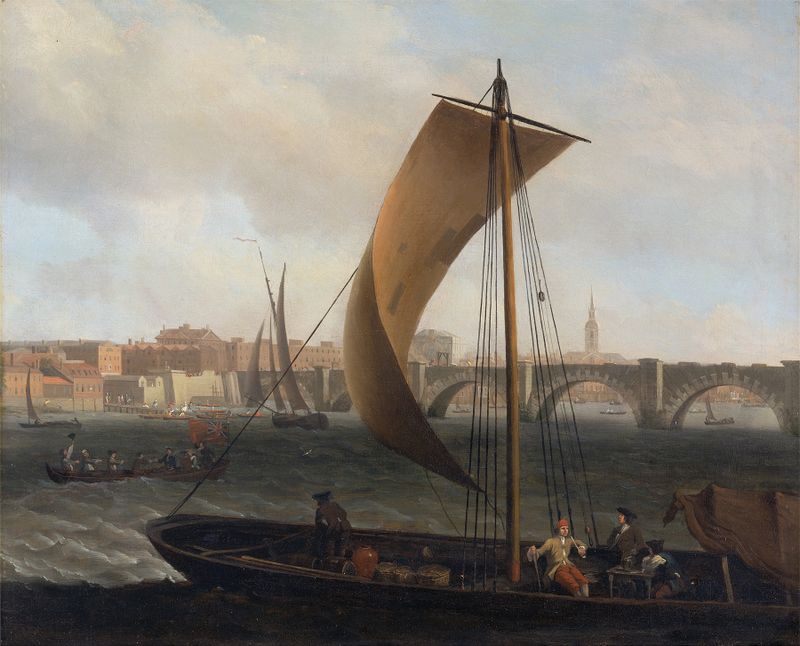
View on the Thames with Westminster Bridge
Samuel Scott
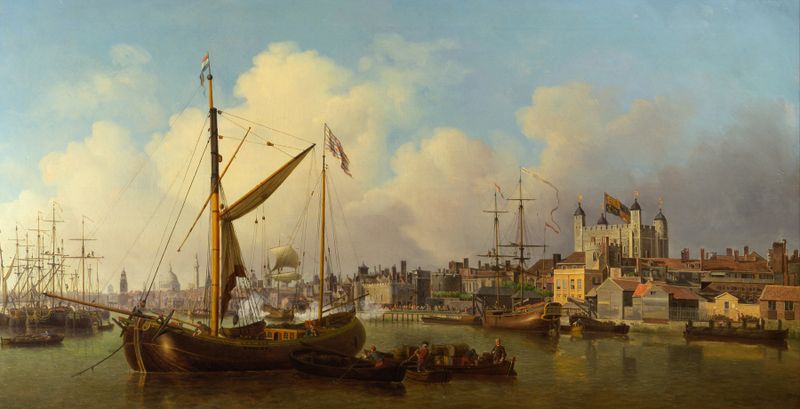
The Thames and the Tower of London Supposedly on the King’s Birthday
Samuel Scott
Westminster from Lambeth, with the Ceremonial Barge of the Ironmongers’ Company
Samuel Scott
Action off the Cape of Good Hope
Samuel Scott





