
The Building of Westminster Bridge — History & Facts
Every silence here is a confession. In the heart of the bustling city, a bridge rises, a monument to ambition and desire, capturing the spirit of an era on the cusp of transformation. Look to the left at the workers, their bodies bent under the weight of labor, silhouetted against the pale sky. Notice how the golden hues of the setting sun cast long shadows, a reminder of the day's toil and the dreams woven into the very fabric of the city.
The composition draws the eye toward the bridge itself, its elegant arches beckoning like a promise of progress. The gentle ripples in the river reflect the scene, blurring the lines between effort and aspiration, while the intricate details of the architecture hint at the meticulous craftsmanship behind this grand project. Delve deeper into the contrasts at play—the juxtaposition of human struggle against monumental achievement. The figures seem small and vulnerable, yet their unity evokes a powerful sense of purpose.
Each stroke of color tells a story of hope, of a collective hunger for advancement and connection. The bridge is not just a structure; it symbolizes the intersection of dreams and reality, where desire fuels the human spirit and pushes boundaries. In 1742, Samuel Scott painted this scene during a time of burgeoning industrial change in England. The period was marked by a growing fascination with urbanization and public works, reflecting the society's aspirations.
At this juncture in his career, Scott was known for his landscapes that captured the vitality of London, and The Building of Westminster Bridge stands as a testament to his keen observation of a city in the throes of transformation, forever altering its identity.
More Artworks by Samuel Scott
Browse all →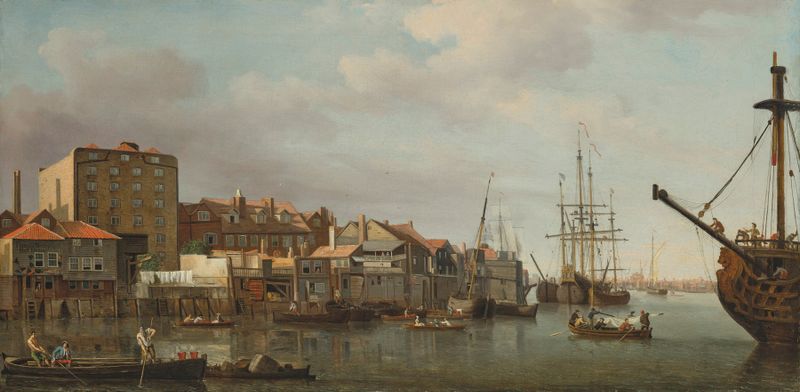
View of the Thames at Wapping
Samuel Scott
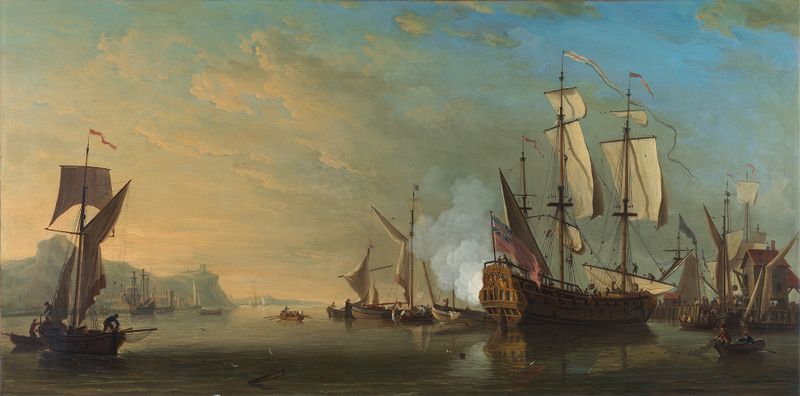
Shipping off Dover
Samuel Scott
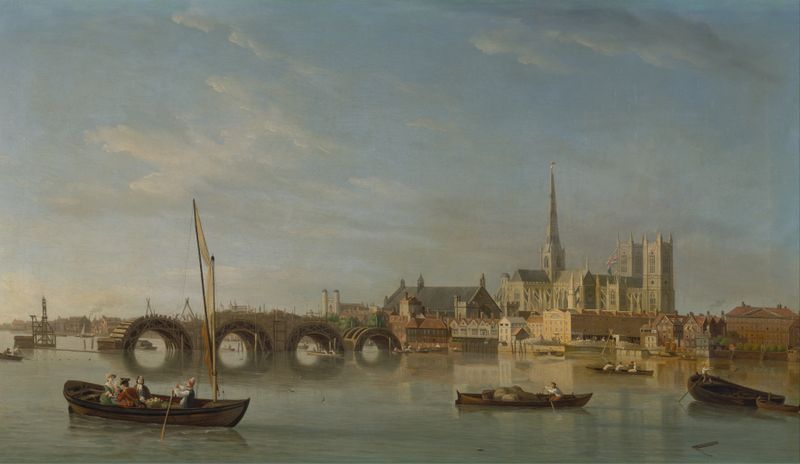
The Building of Westminster Bridge
Samuel Scott
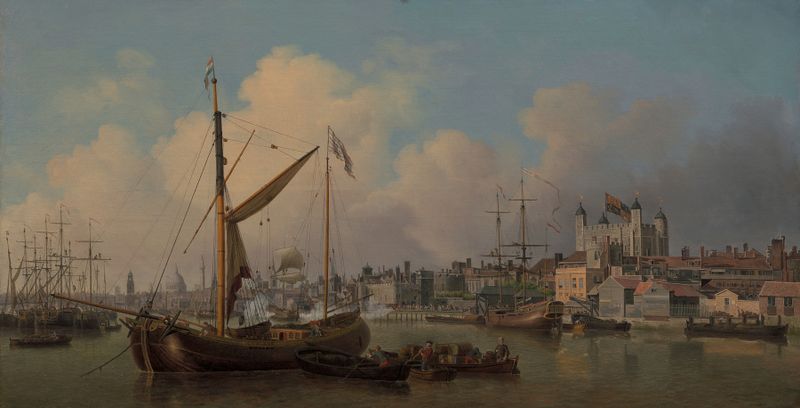
A View of the Tower of London, Supposed on his Majesty’s Birthday
Samuel Scott
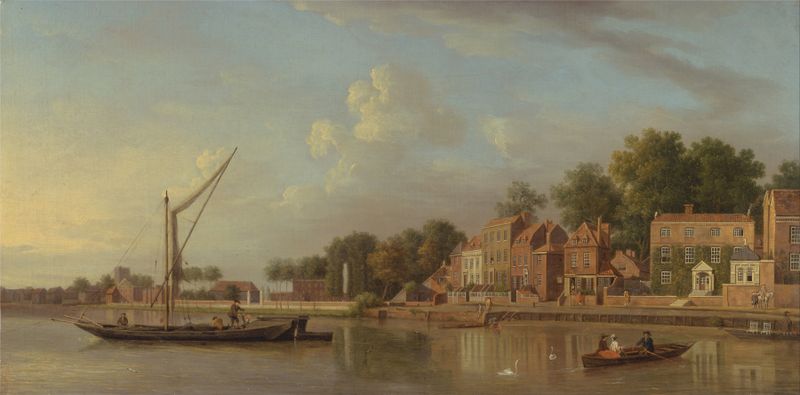
The Thames at Twickenham
Samuel Scott
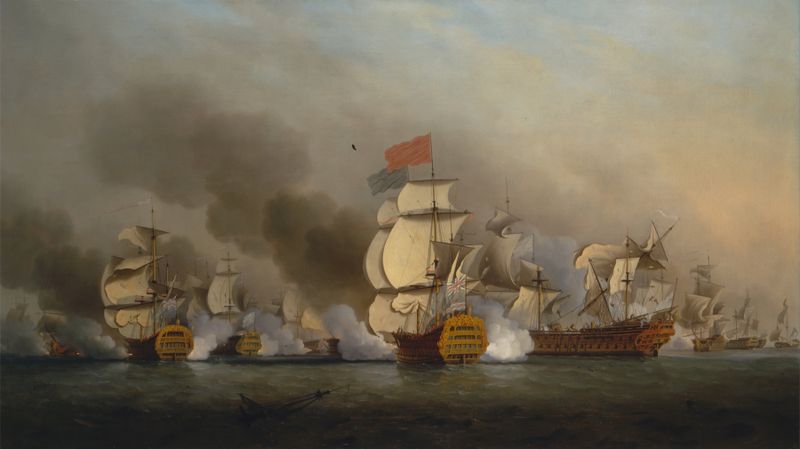
Vice Admiral Sir George Anson’s Victory off Cape Finisterre
Samuel Scott
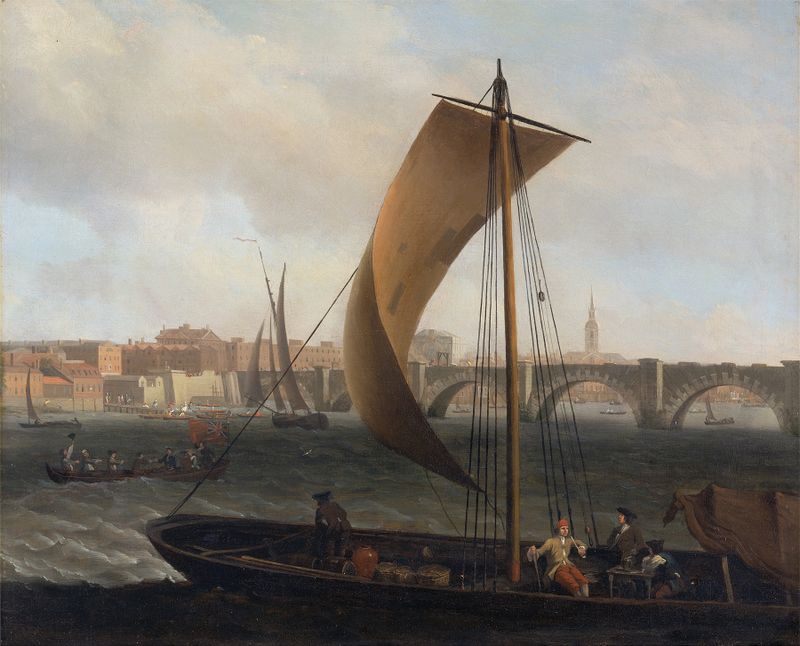
View on the Thames with Westminster Bridge
Samuel Scott
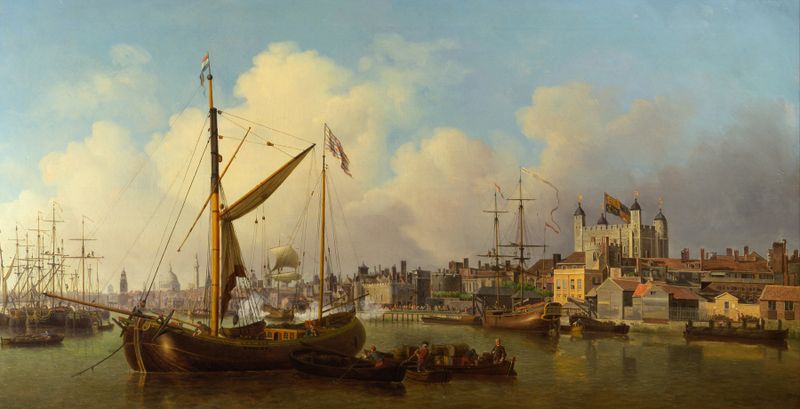
The Thames and the Tower of London Supposedly on the King’s Birthday
Samuel Scott
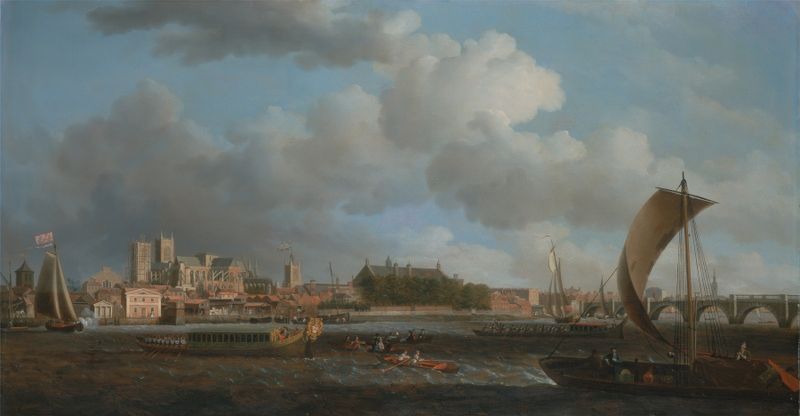
Westminster from Lambeth, with the Ceremonial Barge of the Ironmongers’ Company
Samuel Scott
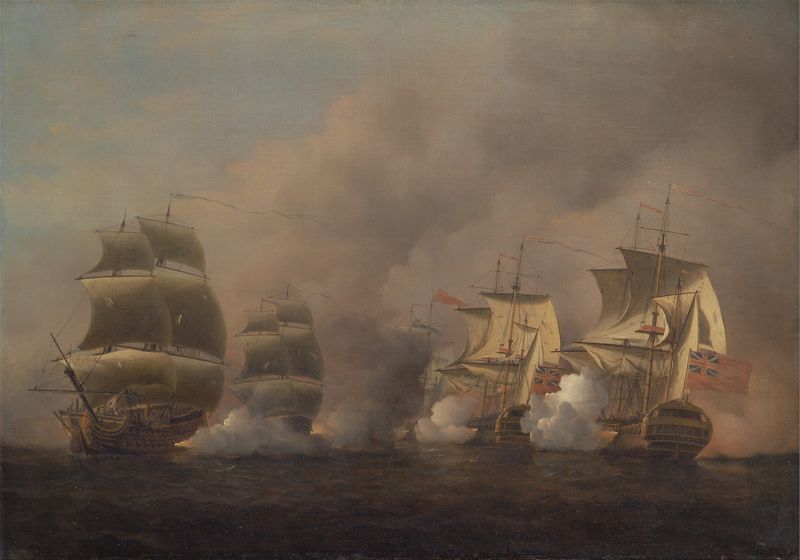
Action off the Cape of Good Hope
Samuel Scott
More Historical Art
Browse all →
The Night Watch Militia Company of District II under the Command of Captain Frans Banninck Cocq
Rembrandt van Rijn

Lincoln Memorial
Henry Bacon

The Third of May 1808
Francisco de Goya

Isaac and Rebecca, Known as ‘The Jewish Bride’
Rembrandt van Rijn

The Charge of the Mamelukes (1814)
Francisco de Goya

De vier ruiters van de apocalyps
Albrecht Dürer